


Switching from traditional recessed lighting to LED options offers significant benefits, not only in energy savings but also in the quality and lifespan of your lighting. Luckily, the process of how to replace recessed lighting with LED is straightforward and does not require extensive electrical knowledge. In this guide, I will walk you through the steps for a successful LED recessed light installation, helping you enjoy a brighter and more efficient living space. So, let’s dive into replacing your halogen with LED recessed lighting!
Key Takeaways
- Replacing recessed lighting with LED leads to energy savings and an improved quality of light in your home
- LED bulbs have longer lifespans, lasting up to 50,000 hours or 17 years if used for 8 hours a day
- Conversion kits make the process easy and accessible, even for those without electrical knowledge
- Making a switch offers a practical way to upgrade your home’s lighting with minimal hassle
- Ensure your existing light fixtures are compatible with LED conversion and gather necessary tools for installation
Understanding Recessed Lighting and LED Advantages
Recessed lighting has been a popular choice for homeowners due to its sleek, unobtrusive design and efficient illumination capabilities. With improvements in LED technology, upgrading your recessed lighting to LED has become an increasingly attractive option. In this section, we’ll explore the basics of recessed lighting, the benefits of converting to LED, and the differences in lifespan compared to traditional lighting.
The Basics of Recessed Lighting
Recessed lighting comprises multiple fixtures embedded within the ceiling to provide focused, downward illumination. These fixtures typically consist of a housing, trim, and light source. If you’re considering a recessed lighting replacement or an upgrade recessed lighting to LED, it’s essential to check your current fixtures for compatibility with LED conversion kits. The crucial factor here is the mounting springs in your recessed lights. If they’re not compatible, you may need to replace the entire fixture.
Benefits of Upgrading to LED
Converting your existing recessed lights to LEDs offers numerous advantages, including:
- Energy efficiency: LED lights consume significantly less power than traditional incandescent or halogen bulbs, lowering your energy bills.
- Longer lifespan: LED lights can last up to 50,000 hours, reducing the need for frequent bulb replacements.
- Better light quality: LEDs provide a more natural and consistent color temperature, enhancing your interior’s ambiance.
- Ease of installation: LED conversion kits streamline the LED lighting conversion process, often without requiring professional help.
Lifespan Comparison with Traditional Lighting
One of the most compelling reasons to switch to LED recessed lights is their exceptional lifespan. When compared to other light bulbs, the difference is quite significant:
| Light Bulb Type | Typical Lifespan (in hours) |
|---|---|
| Incandescent | 1,000 |
| Halogen | 2,000 – 4,000 |
| Compact Fluorescent (CFL) | 8,000 – 10,000 |
| LED | 25,000 – 50,000 |
In conclusion, upgrading your recessed lighting to LED lights can enhance your living space, reduce energy bills, and ensure a longer-lasting lighting solution. Ready to start your LED conversion journey? Continue reading to learn how to prepare for your project and the steps involved in replacing recessed lighting with LEDs.
Preparing for Your LED Conversion Project
Before embarking on a project to convert your recessed lighting to LED, it is crucial to properly assess your current setup and gather the necessary tools and materials. This preliminary step ensures a smooth and successful LED recessed light installation process.
Assessing Your Current Setup
First, examine your existing recessed light fixtures to determine if they are compatible with LED conversion. Pay special attention to mounting springs and brackets within the housing, as these components play an important role in the ease of converting recessed lighting to LED. Also, consider the dimensions of your fixtures and the desired light output to ensure you select the most suitable LED conversion kit.

Gathering the Necessary Tools and Materials
Once you have assessed your current setup and are confident in its compatibility with the LED conversion, gather the required tools and materials for your project. Some essential supplies include:
- An LED recessed lighting conversion kit
- A ladder
- A screwdriver or drill
- Wire connectors
- A voltage tester
It is also crucial to exercise power safety by switching off the circuit breaker before beginning the installation process. This step helps prevent any potential accidents or electrical hazards.
How to Replace Recessed Lighting with LED
Replacing your recessed lighting with more energy-efficient LEDs does not have to be complicated. This straightforward process can be accomplished by following a series of simple steps and taking necessary safety precautions. To retrofit recessed lighting with LED, make sure you have the right LED conversion kit, a ladder, and a screwdriver handy.
First, ensure that the power is switched off at the breaker to prevent any accidents while working with the electrical components. Next, remove the old bulb by twisting it counter-clockwise until it comes out of the socket. After the bulb is removed, carefully take out the trim from around the recessed light. This is typically done by pulling the trim out or unscrewing it if necessary.
With the trim removed, you will now be able to access the housing. Adjust the rear plate, if needed, to ensure that the new LED unit will sit flush with the ceiling. Now, it’s time to install the LED unit. Start by connecting the adapter and bulb socket to the recessed light’s existing power source. Make sure all electrical connections are secure.
After connecting the electrical components, carefully insert the new LED unit into the recessed light housing. As you do this, ensure the trim is positioned properly and is flush with the ceiling. If the LED unit uses spring clips to secure it in place, simply squeeze them together and slide them into the corresponding slots of the housing.
Once the LED unit is firmly in place, turn the power back on at the breaker, and test the light to ensure proper functioning. If everything is working smoothly, you have successfully learned how to replace recessed lighting with LED.
Selecting the Right LED Recessed Lighting Kit
Choosing the right LED recessed lighting kit is a crucial component of the LED lighting conversion process. To ensure a seamless installation, it’s important to select a kit that is compatible with your existing housing and meets your desired light quality and other preferences. Let’s explore the factors to consider and how to determine compatibility and sizing.

Factors to Consider
When selecting an LED recessed lighting kit for your retrofit project, keep the following factors in mind:
- Size of the housing: Measure the diameter of your existing recessed lighting housing to ensure the LED kit you choose fits correctly.
- Light quality: Consider both the color temperature and brightness of the LED lights within the kit. Color temperature is measured in Kelvins (K), and it ranges from warm (2,700K) to cool (5,000K) tones.
- Dimmability: If you desire dimmable LED lights, ensure the kit you choose includes dimmable LED bulbs and is compatible with your existing dimmer switch.
- Installation type: Some kits are designed for new construction while others are specifically for retrofit recessed lighting. Be sure to choose a kit designed for retrofit applications if you are replacing existing recessed lighting with LED units.
Compatibility and Sizing
Before purchasing an LED recessed lighting kit, check its compatibility with your current housing. This involves verifying that the components, such as brackets or wire clips, will work with your specific fixtures. To ensure a secure fit, you may need to adjust these components during installation. In terms of sizing, kits typically come in standard sizes, like 4-inch, 5-inch, and 6-inch diameters. Measure your existing housing to determine the appropriate size for your LED lighting conversion project.
By carefully considering the factors mentioned above and confirming compatibility with your current recessed lighting fixtures, you can successfully select the right LED recessed lighting kit for a smooth retrofit process.
Navigating Different Types of LED Conversion Kits
When it comes to how to replace recessed lighting with LED, you’ll find various types of LED conversion kits available on the market. Some conversion kits offer adjustable warmth settings, allowing you to customize the light temperature to your preference. Once you’ve made a decision on the desired lighting temperature, you can select and prepare the kits accordingly.
Moreover, when retrofitting recessed lighting with LED, the installation process typically involves screwing the LED light into the existing socket and then securing it with the clips or metal brackets supplied with the conversion kit. This ensures a seamless and secure installation, resulting in a professional-looking finish.
As you explore different LED conversion kits, keep in mind the following factors:
- Compatibility with your existing recessed lighting fixtures
- Adjustable warmth settings for customizable light temperatures
- Inclusion of all necessary components for a straightforward installation process
By considering these factors, you can make an informed decision and select the ideal LED conversion kit for your specific needs. Undertake the retrofit process with confidence, knowing you’ve chosen a kit that not only aligns with your preferences but also ensures a successful, energy-efficient upgrade.
Tips for Handling Electrical Components Safely
When working on any project that involves electrical components, prioritizing safety is essential. As you replace your recessed lighting with LED, it is crucial to take necessary precautions and adhere to proper techniques. This section provides useful tips for ensuring your safety as you embark on your LED lighting conversion journey.
Switching Off the Power Source
Before you begin with the installation process, always make sure the power source is switched off at the breaker. Disconnecting the electricity supply helps to prevent accidental shocks and other hazards related to live wires. Be extra cautious and double-check the power is off before handling any component of the lighting fixtures.
Testing for Live Wires
Despite turning off the power source, it is still recommended to confirm that all wires are not live before touching them. You can use a non-contact voltage tester to ensure that no electrical current is flowing through the wires. This extra precautionary step can help to prevent potential accidents and further ensure your safety during the conversion process.
Moreover, wearing rubber gloves while handling the LED units can provide better grip and additional safety. As you follow these safety tips during the installation process, you can successfully convert your recessed lighting to LED while mitigating risks and ensuring a safe working environment.

Step-by-Step Installation of LED Recessed Lights
When you’re ready to replace can lights with LED and retrofit recessed lighting with LED, the installation process is relatively simple and can be completed without professional help. Below is a straightforward, step-by-step guide to help you smoothly transition to energy-efficient LED lighting:
- Switch off the power at the breaker to ensure safety during the installation process.
- Remove the existing light bulb and trim from the housing by gently unscrewing the bulb and detaching the trim.
- Adjust the housing as needed by checking the mounting springs and brackets for compatibility with the LED unit.
- Connect the LED light to the existing socket using the adapter provided in the conversion kit.
- Insert the LED unit into the housing, making sure to line up the spring arms with the brackets or clips.
- Squeeze the spring arms and secure the unit until it sits flush with the ceiling for a clean appearance.
- Turn the power back on and test the newly installed LED recessed light to ensure proper functionality.
By following these steps, you can efficiently replace can lights with LED, enhancing the energy efficiency and overall appearance of your space. Remember always to prioritize safety when working with electrical components and to use quality LED conversion kits to ensure an optimal lighting experience.
Maximizing Aesthetics and Functionality with LED Lighting
When you replace can lights with LED, not only will you save on energy, but you’ll also have the flexibility to customize the ambiance of your space. LED conversion kits offer options for different lighting temperatures and even smart features, enhancing the aesthetics and functionality of your lighting system.
Choosing Between Warm and Cool Lighting
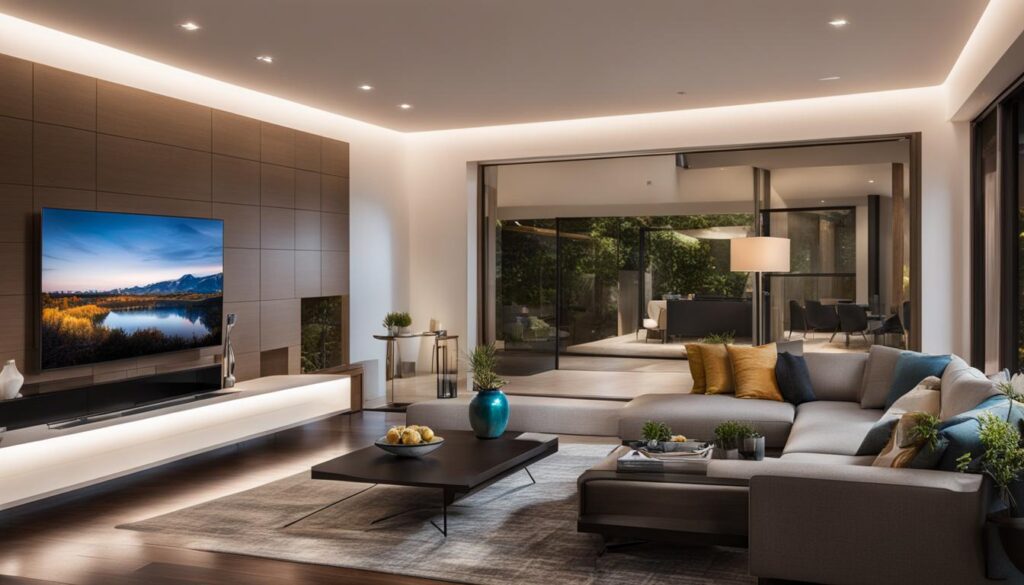
LED lights come in various color temperatures, allowing you to choose between warm and cool lighting based on the nature of the room and your personal preference. Warm lighting typically creates a cozy atmosphere, ideal for living rooms and bedrooms, whereas cool lighting can make a space feel more vibrant and energetic, suitable for kitchens and home offices.
Optional: Dimmer Switches and Smart Features
For an even more tailored lighting experience, consider LED kits with dimming capabilities or smart LED recessed lighting. These kits enable control of the lighting through mobile apps or voice commands and often feature the ability to dim the lights, offering enhanced convenience and energy savings.
With these advanced features, you can easily retrofit recessed lighting with LED and unlock the full potential of your home’s lighting system.
Cost and Energy Savings Post-LED Conversion
One of the most significant advantages of LED lighting conversion is the substantial cost and energy savings it provides. LED lights consume less energy and have a longer lifespan than traditional halogen bulbs, which contributes to a reduced electricity bill. In addition to these benefits, the cooler operation of LEDs as compared to halogen bulbs leads to less heat generation, resulting in savings on cooling costs in warmer climates.

Let’s take a closer look at the potential savings by comparing the energy consumption and lifespan of halogen and LED recessed lighting:
| Halogen Recessed Lights | LED Recessed Lights | |
|---|---|---|
| Energy Consumption | 60-75 Watts | 8-15 Watts |
| Lifespan | 2,000 – 4,000 hours | 25,000 – 50,000 hours |
| Heat Generation | High | Low |
| Estimated Annual Savings* | N/A | $20 – $40 per bulb |
*Estimate based on average energy costs, usage, and bulb replacement frequency
As demonstrated in the table, replacing halogen with LED recessed lighting can lead to significant energy savings over time. The cooler operation of LEDs also reduces the strain on air conditioning systems, further contributing to the cost savings.
To ensure a smooth and successful transition, be sure to follow the tips for replacing recessed lighting with LED provided throughout this guide. By doing so, you can enjoy the numerous benefits of LED lighting in your home, including lower energy costs, longer-lasting bulbs, better light quality, and a more aesthetically pleasing living space.
Embrace the Advantages of LED Recessed Lighting Conversion
As we reach the end of our guide on replacing halogen with LED recessed lighting, it’s clear that the numerous benefits and easy installation process make it a worthwhile project for homeowners. Let’s take a moment to recap the perks and steps involved in the LED recessed light installation process.

Recapping the Benefits and Process
Switching from traditional halogen bulbs to LED recessed lights offers several advantages, including lower energy costs, extended lifespan, and improved light quality. When equipped with the right conversion kit, the installation process is simplified, allowing homeowners to carry out the project themselves by following a few manageable steps.
Enjoying Your New Energy-Efficient Lighting
Once you’ve completed the LED recessed light installation, you can enjoy the enhanced aesthetics and functionality of your new energy-efficient lighting. With long-lasting, eco-friendly bulbs and the ability to control brightness and color temperature, your home’s lighting will finally be tailored to your personal preferences and demands. Embrace the energy savings and aesthetic improvements that come with upgrading to LED recessed lighting.
Additional Considerations for LED Conversion
No project is complete without taking into account any potential challenges or other aspects not covered in previous sections. Before you upgrade your recessed lighting to LED, make sure to go through safety precautions and necessary preparations. Double-check any product compatibility, pay special attention to mounting springs and brackets, and ensure that your existing electrical system is set up to handle your new LED lights.
When selecting an LED conversion kit, remember that converting recessed lighting to LED involves more than just choosing a kit that fits your existing fixtures. Apart from considering the size and type of your housing, other important factors include ease of installation, energy efficiency, desired light quality, and compatibility. It is essential to find the right kit that meets your specific requirements and preferences. Always look for reliable and reputable manufacturers and avoid using sub-standard products.
Lastly, don’t forget to weigh the financial benefits of making the switch to LED lights. While the initial cost of upgrading your lighting system may seem daunting, the long-term savings in terms of energy and bulb lifespan will quickly outweigh the investment. So, assess your options carefully and take your time to make an informed decision. With proper planning and considerations, your LED conversion project will turn out to be a rewarding and energy-efficient home improvement undertaking.
FAQ
What are the benefits of upgrading to LED recessed lighting?
Upgrading to LED recessed lighting offers several benefits, including energy savings, a longer lifespan, less heat generation, and better light quality. LED lights consume less energy and last significantly longer than traditional bulbs, contributing to a reduced electricity bill.
What tools and materials are needed for an LED recessed lighting conversion project?
The primary items needed for an LED conversion project include an LED recessed lighting conversion kit, a ladder, and a screwdriver. It’s also essential to ensure power safety by switching off the breaker before installation.
How can I choose the right LED recessed lighting kit for my existing setup?
When selecting an LED recessed lighting kit, consider factors such as the size of your existing housing, the desired light quality, and compatibility with your current fixtures. This may involve checking the mounting springs and brackets within the housing to ensure a proper fit.
Are there different types of LED conversion kits available?
Yes, there are various types of LED conversion kits on the market, including those with adjustable warmth settings and smart features such as dimming capabilities or app control. Choosing the right kit depends on your specific needs and preferences.
Can I install LED recessed lights without professional help?
Yes, the process of installing LED recessed lights is fairly simple and can be accomplished by homeowners with minimal tools and no professional assistance. Just follow the instructions provided with the LED conversion kit, ensuring power safety by switching off the breaker before installation.
What are some safety tips when working with electrical components during LED recessed light installation?
Safety is crucial when working with electrical components. Make sure to switch off the power source at the breaker, test for live wires, and wear rubber gloves for a better grip and added safety when handling LED units during installation.
Can I customize the ambiance of my space with LED recessed lighting?
Yes, LED conversion kits often come with options for different lighting temperatures, allowing you to choose between warm and cool lighting based on your preference. Some kits also offer additional smart features, such as dimmer switches, giving you even more control over your lighting environment.






Kinley
LED lights have ruined the cozy ambiance of recessed lighting. Bring back the warmth!