

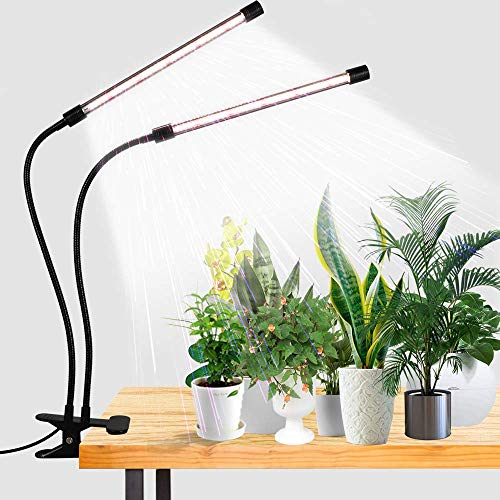
Hey there! Are you someone who cares about the environment and loves gardening? Well, then you’ve come to the right place. In this blog post, I want to dive into the fascinating world of grow light LEDs and explore their environmental impact. As nature enthusiasts, it’s important for us to understand the ways in which our beloved hobbies can leave a mark on the planet. So, let’s explore the world of grow light LEDs together and uncover why this topic is so significant.
Discover the Top-rated Grow Light LEDs for Thriving Indoor Gardens
[content-egg-block modules=AmazonNoApi template=offers_grid cols=3 groups=”SectionIntro”]
What are grow light LEDs?
As gardening and indoor farming become increasingly popular, the demand for efficient lighting solutions has grown. One technology that has gained traction in the horticulture industry is grow light LEDs. In this blog section, we will explore what grow light LEDs are and how they are used in various applications.
[content-egg-block modules=AmazonNoApi template=offers_grid cols=3 groups=”Section1″]
Introduction to grow light LEDs
LED stands for Light Emitting Diode, and grow light LEDs are a type of lighting system specifically designed to support plant growth. Unlike traditional lighting methods, such as fluorescent or incandescent lights, grow light LEDs provide a tailored spectrum of light that promotes photosynthesis in plants.
How do grow light LEDs work?
Grow light LEDs emit light in specific wavelengths that cater to the needs of plants during different stages of growth. The light spectrum produced by these LEDs can be customized to deliver the right intensity and color, enhancing plant growth and development.
Advantages of grow light LEDs
Using grow light LEDs for indoor gardening or horticulture offers several advantages, including:
- Energy efficiency: Grow light LEDs are highly energy efficient compared to other lighting options. They consume less electricity while still providing sufficient light for optimal plant growth.
- Longevity: LED technology has a longer lifespan than traditional lights. Grow light LEDs can last up to 50,000 hours, reducing the need for frequent replacements.
- Customizable spectrum: The spectrum of light emitted by grow light LEDs can be adjusted to meet the specific needs of different plants or growth stages. This flexibility ensures that plants receive the ideal light wavelength for photosynthesis and overall health.
- Low heat emission: Unlike traditional lighting, grow light LEDs emit less heat. This prevents overheating in enclosed grow spaces, reducing the risk of harm to plants and increasing energy efficiency.
- Compact design: Grow light LEDs are compact and lightweight, making them easy to install and manipulate in various indoor gardening setups.
Applications of grow light LEDs
Grow light LEDs have diverse applications across various industries, including:
- Indoor gardening: Grow light LEDs are commonly used in indoor gardening setups, allowing enthusiasts to cultivate plants in limited space and without reliance on natural sunlight. Urban gardeners, apartment dwellers, and those in cold climates can benefit from grow light LED systems.
- Commercial horticulture: The horticulture industry relies heavily on grow light LEDs for large-scale plant cultivation. From greenhouse operations to vertical farming, these lighting systems play a crucial role in maximizing yields and optimizing crop growth.
- Research and experimentation: Grow light LEDs are utilized in research facilities and universities to study plant biology, optimize growing conditions, and conduct plant-related experiments. The customizable spectrum and precise control offered by these LEDs make them invaluable tools for scientific purposes.
Conclusion
Grow light LEDs are revolutionizing indoor gardening and commercial agriculture by providing efficient and customizable lighting solutions for plant growth. Their energy efficiency, longevity, and ability to cater to specific plant needs make them a preferred choice for diverse applications. Whether you are a hobbyist gardener or a professional horticulturist, incorporating grow light LEDs into your setup can enhance your plant’s growth and ensure successful cultivation.
Energy efficiency and carbon footprint
LED grow lights have gained popularity in recent years due to their energy efficiency and ability to provide essential light spectrum for plant growth. In this section, we will explore the benefits of using LED grow lights compared to traditional lighting options and how they contribute to reducing the carbon footprint.
[content-egg-block modules=AmazonNoApi template=offers_grid cols=3 groups=”Section2″]
What Makes LED Grow Lights Energy Efficient?
LED, or Light Emitting Diode, is a semiconductor device that converts electrical energy into light. Unlike traditional lighting options such as High-Pressure Sodium (HPS) or Metal Halide (MH) bulbs, LED grow lights are specifically designed to emit light in the wavelengths that plants need for photosynthesis. This targeted light spectrum ensures that plants receive optimal light for growth while minimizing energy waste.
The energy efficiency of LED grow lights can be attributed to several key factors:
- Focused Light: LED grow lights can be precisely directed towards plants, ensuring that light is not wasted on areas where it is not needed, such as walls or the ceiling. This focused light minimizes light loss and increases overall energy efficiency.
- Lower Heat Output: Unlike traditional lighting options that produce a significant amount of heat, LED grow lights generate less heat. This means that less energy is wasted on cooling systems, allowing the lights to be more energy-efficient.
- Variable Light Output: LED grow lights can be adjusted to deliver the appropriate light intensity for different plant growth stages. By providing the right amount of light, energy is used more efficiently, resulting in healthier plants and reduced energy consumption.
Comparing Energy Efficiency: LED vs Traditional Lighting Options
When it comes to energy efficiency, LED grow lights outperform traditional lighting options by a significant margin. Let’s take a closer look at how LED grow lights stack up against HPS and MH bulbs:
1. Energy Consumption
LED grow lights consume significantly less energy compared to HPS and MH bulbs. On average, LED grow lights use up to 40% less energy, resulting in substantial energy savings over time.
2. Lifespan
LED grow lights have a much longer lifespan compared to traditional bulbs. While HPS and MH bulbs typically last for around 10,000 hours, LED grow lights can last up to 50,000 hours or more. This not only reduces the frequency of replacements but also minimizes environmental impact in terms of manufacturing and disposal.
3. Heat Generation
HPS and MH bulbs produce a substantial amount of heat, requiring additional cooling systems to maintain optimal temperatures for plant growth. LED grow lights, on the other hand, generate minimal heat, reducing the need for cooling and further optimizing energy consumption.
4. Light Spectrum
LED grow lights can be tailored to provide an optimized light spectrum for plant growth. In comparison, HPS and MH bulbs emit a broader spectrum that includes wavelengths less useful for photosynthesis, resulting in wasted energy.
Reducing Carbon Footprint with LED Grow Lights
The energy efficiency of LED grow lights directly contributes to reducing carbon footprint. By consuming less energy, LED grow lights minimize greenhouse gas emissions from power plants. Additionally, their extended lifespan reduces the need for frequent replacements, reducing waste and the environmental impact of manufacturing new bulbs.
In summary, here are the key benefits of using LED grow lights for energy efficiency and reducing carbon footprint:
- LED grow lights use up to 40% less energy than traditional lighting options.
- Longer lifespan results in fewer replacements and reduced waste.
- Minimal heat generation decreases the need for cooling systems and further optimizes energy consumption.
- Customizable light spectrum ensures efficient energy utilization for plant growth.
Making the switch to LED grow lights is not only a cost-effective choice but also a sustainable one that brings multiple benefits to both growers and the environment. With advancements in LED technology, there are various high-quality LED grow light brands available, such as the “Nanoleaf Bloom” and “Mars Hydro TS 1000” models, that offer excellent energy efficiency and enhanced plant growth results.
So, why wait? Start reducing your carbon footprint and enjoying the benefits of energy-efficient LED grow lights today!
Resource Consumption and Waste Management: A Closer Look at LED Grow Lights
LED grow lights have become increasingly popular among indoor gardeners and agricultural enthusiasts. These energy-efficient lighting solutions offer numerous benefits, including higher crop yields, extended lamp lifetimes, and better control over plant growth. However, it’s important to understand the resources required to manufacture these grow lights and the proper disposal and recycling methods to minimize waste. In this blog section, we will delve into the intricacies of resource consumption and waste management in relation to LED grow lights.
[content-egg-block modules=AmazonNoApi template=offers_list groups=”Section3″]
Resource Consumption: A Matter of Efficiency
LED grow lights have revolutionized indoor gardening by converting electrical energy into light using semiconductor materials. Compared to traditional lighting solutions like incandescent bulbs or fluorescent tubes, LED grow lights consume significantly fewer resources while producing the same or even better lighting output. Let’s take a closer look at the key resources involved in manufacturing these energy-efficient lighting systems:
- Raw Materials: The production of LED grow lights requires several raw materials, including metal substrates, semiconductor chips, and epoxy resins. While these resources have their own environmental impacts, LED grow lights still fare better in terms of energy efficiency compared to other lighting options.
- Energy Consumption: The manufacturing process of LED grow lights itself requires energy. However, the energy consumed during the manufacturing phase is relatively low compared to the energy saved during the product’s lifetime of operation. In fact, LED grow lights can consume up to 50% less energy compared to traditional lighting solutions.
- Water Usage: The production of LED grow lights involves some water usage, primarily for cooling purposes during the manufacturing process. However, the amount of water used is usually minimal compared to other industries, and manufacturers are continually striving to reduce water consumption through innovative manufacturing techniques.
Waste Management: Responsible Disposal and Recycling
When it comes to waste management, LED grow lights have an advantage over their counterparts due to their long lifespan. However, it’s still crucial to dispose of these lighting systems properly and recycle their components whenever possible. Let’s explore the recommended waste management practices for LED grow lights:
- Disposal: When an LED grow light reaches the end of its life, it should be disposed of in accordance with local regulations. Many regions have designated electronic waste collection centers where you can bring your old LED grow lights for proper disposal. Avoid throwing them in the regular trash as they may contain hazardous materials.
- Recycling: Recycling LED grow lights can help recover valuable materials and reduce the strain on natural resources. Some manufacturers offer take-back programs that allow customers to return their old LED grow lights for recycling. Additionally, electronic waste recycling centers often accept LED grow lights and other electronic devices.
Impact on plant growth and ecosystem
When it comes to growing plants indoors, the choice of lighting is crucial for their overall health and development. Traditional incandescent bulbs have long been replaced by more energy-efficient options, and one of the most popular choices nowadays are grow light LEDs. These LEDs are designed to emit specific wavelengths of light that promote plant growth, allowing indoor gardeners to achieve remarkable results. However, it’s important to consider the impact these LED lights can have not only on plant growth but also on the surrounding ecosystem. In this blog section, we will discuss the potential benefits and negative impacts of grow light LEDs on both plants and the ecosystem.
[content-egg-block modules=AmazonNoApi template=offers_grid cols=3 groups=”Section4″]
Benefits of Grow Light LEDs
Targeted Spectrum
One of the primary benefits of using grow light LEDs is their ability to emit specific wavelengths of light that plants need for optimal growth. Unlike traditional bulbs that emit a broad spectrum of light, LEDs can be tailored to match the exact requirements of various plant species. For example:
- The Ninja LED Plant Grow Light offers three different light modes: red, blue, and full spectrum. This allows you to switch between modes depending on the growth stage of your plants. Red light stimulates flowering and fruiting, while blue light promotes vegetative growth.
- The Salomon SunMax LED Grow Light is specifically designed for high-light plants such as succulents. Its unique light spectrum stimulates the production of antioxidants, resulting in healthier and more vibrant plants.
Energy Efficiency
Compared to traditional lighting options, grow light LEDs are exceptionally energy-efficient. They consume significantly less electricity while producing the same amount of usable light for plants. This energy efficiency not only reduces electricity bills but also minimizes the environmental impact.
- The GreenLite LED Grow Bulb consumes 80% less energy than traditional bulbs, making it an environmentally friendly choice. Despite its low energy consumption, it delivers intense light output, ensuring robust plant growth.
- The VivoSun LED Grow Light Panel uses high-quality LEDs that produce more usable light per wattage, leading to substantial energy savings. This light panel’s advanced cooling system also prevents overheating and reduces the need for additional cooling equipment.
Negative Impacts of Grow Light LEDs
While grow light LEDs offer numerous benefits for indoor plant growth, there are also potential negative impacts to consider.
Light Pollution and Wildlife Disruption
Grow lights, especially those used on a larger scale, can contribute to light pollution. Excessive artificial lighting disrupts the natural light-dark cycle, which can affect the behavior and nocturnal activities of wildlife. For example:
- The EverGrow LED Grow Light Bar is incredibly powerful but emits a strong light that can disturb nocturnal animals nearby. To mitigate this issue, it’s important to use light shields and timers to limit and control the duration of artificial light exposure.
Heat Generation and Air Conditioning
Some grow light LEDs produce a significant amount of heat, which can affect the surrounding temperature and increase the demand for air conditioning. It’s essential to monitor and manage this heat output to prevent adverse effects on both plant growth and energy consumption:
- The MARS HYDRO TS 1000W LED Grow Light is known for its impressive performance in terms of plant growth, but it does generate a considerable amount of heat. Using proper ventilation techniques, such as exhaust fans or cooling systems, can help maintain optimal growth conditions and prevent excessive energy use on cooling.
A Bright Future: Understanding the Environmental Impact of Grow Light LEDs
In conclusion, this blog post has shed light on the environmental impact of grow light LEDs. We have learned that while they bring energy efficiency and a smaller carbon footprint, it’s crucial to consider their production resources and potential effects on plant growth and the ecosystem. Taking all of these factors into account, I highly recommend carefully weighing the pros and cons before making a decision to utilize grow light LEDs.






Doodle Star
One issue I’ve encountered with grow light LEDs is the heat they produce. It can be difficult to find a balance between providing enough light without overheating the plants. Any suggestions?