

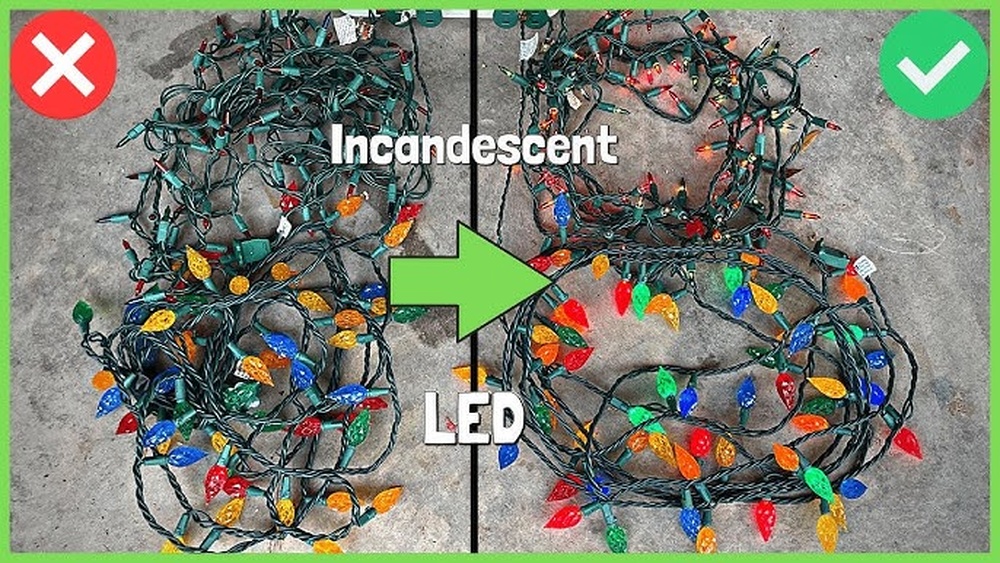
Are you wondering which lighting option is best for your home or office: LED lights or incandescent bulbs? Choosing the right light can save you money, improve your space’s atmosphere, and even impact your comfort.
But with so many claims about brightness, energy use, and lifespan, it’s easy to feel confused. You’ll discover the key differences between LED lights and incandescent bulbs. By the end, you’ll have the clear facts you need to make the smartest choice for your needs and budget.
Keep reading to find out which lighting option truly shines for you.

Energy Efficiency
Energy efficiency is a key factor when choosing between LED lights and incandescent bulbs. It affects how much electricity you use and your monthly bills. Understanding this difference helps save money and protect the environment.
Power Consumption Differences
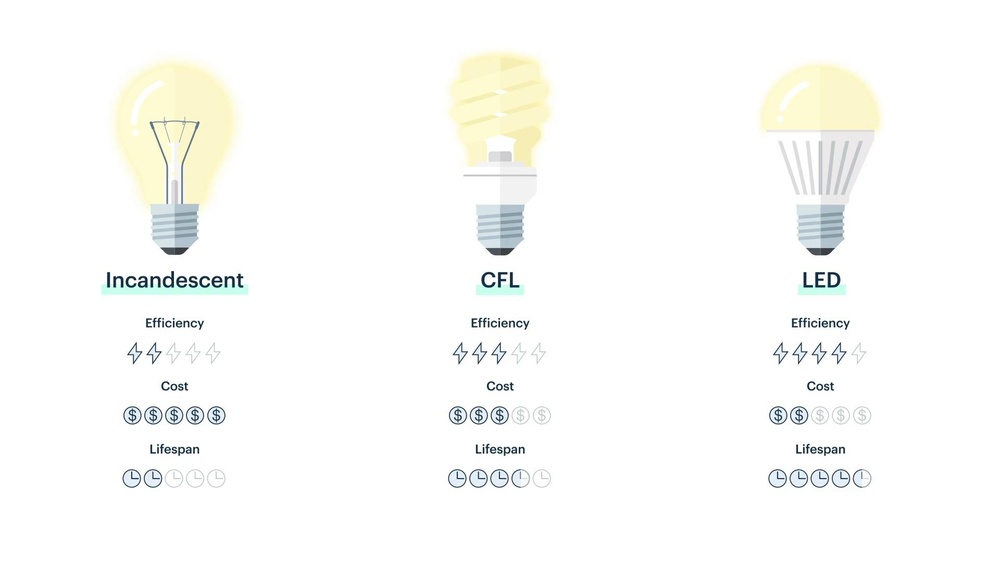
LED lights use much less power than incandescent bulbs. A typical LED might use 10 watts to produce the same light as a 60-watt incandescent bulb. This means LEDs consume about 80% less energy. Lower power use means less electricity is needed to light your home.
Lumen Output And Brightness
Lumens measure the brightness of a light bulb. LEDs provide more lumens per watt than incandescent bulbs. This means LEDs give brighter light using less energy. Incandescent bulbs waste energy as heat, not light. LED lights focus energy on light, making them more efficient.
Energy Cost Savings
LED bulbs cost less to run over time. Using less electricity lowers your energy bills. Even though LEDs can be pricier upfront, their long life and low power use save money. Incandescent bulbs use more energy and need frequent replacement, increasing costs.
Lifespan And Durability
Choosing the right light bulb means thinking about how long it will last and how strong it is. Lifespan and durability are key factors that affect cost and convenience. LED lights and incandescent bulbs differ greatly in these areas. Understanding these differences helps you pick the best option for your home or business.
Average Lifespan Comparison
LED lights last much longer than incandescent bulbs. A typical LED can work for about 25,000 to 50,000 hours. Incandescent bulbs usually last only 1,000 to 2,000 hours. This means LEDs need to be changed less often. Long lifespan saves money and effort over time.
Resistance To Wear And Tear
LED lights are more durable and handle rough conditions better. They resist shocks, vibrations, and temperature changes well. Incandescent bulbs have fragile filaments inside. These filaments break easily if the bulb is dropped or shaken. LEDs are stronger and safer for busy places.
Impact On Replacement Frequency
Because LEDs last longer and are tougher, you replace them less often. This reduces the hassle of frequent bulb changes. Incandescent bulbs burn out faster and fail more easily. Frequent replacements increase cost and waste. Using LEDs lowers maintenance and helps the environment.
Environmental Impact
Choosing between LED lights and incandescent bulbs affects the environment. The impact goes beyond just energy use. It involves how they are made, used, and thrown away. Understanding these factors helps make better choices for the planet.
Carbon Footprint
LED lights use much less electricity than incandescent bulbs. This lower energy use means fewer carbon emissions from power plants. Incandescent bulbs waste most energy as heat, increasing their carbon footprint. Over time, LED lights reduce greenhouse gases more effectively.
Toxic Materials And Disposal
Incandescent bulbs contain small amounts of metals but no mercury. LEDs include electronic parts and sometimes rare earth elements. Some materials in LEDs need special handling to avoid pollution. Throwing away bulbs improperly can harm soil and water.
Recyclability Factors
LEDs are more complex to recycle because of their parts. Specialized facilities can recover metals and glass from LEDs safely. Incandescent bulbs are easier but less often recycled due to simple materials. Recycling helps reduce waste and recover useful materials.
Light Quality And Performance
Light quality and performance are key factors when choosing between LED lights and incandescent bulbs. They affect how well a space is lit and how comfortable it feels. Both types of lights offer different experiences for the eyes and the room ambiance. Understanding these differences helps in picking the right lighting for any setting.
Color Temperature Options
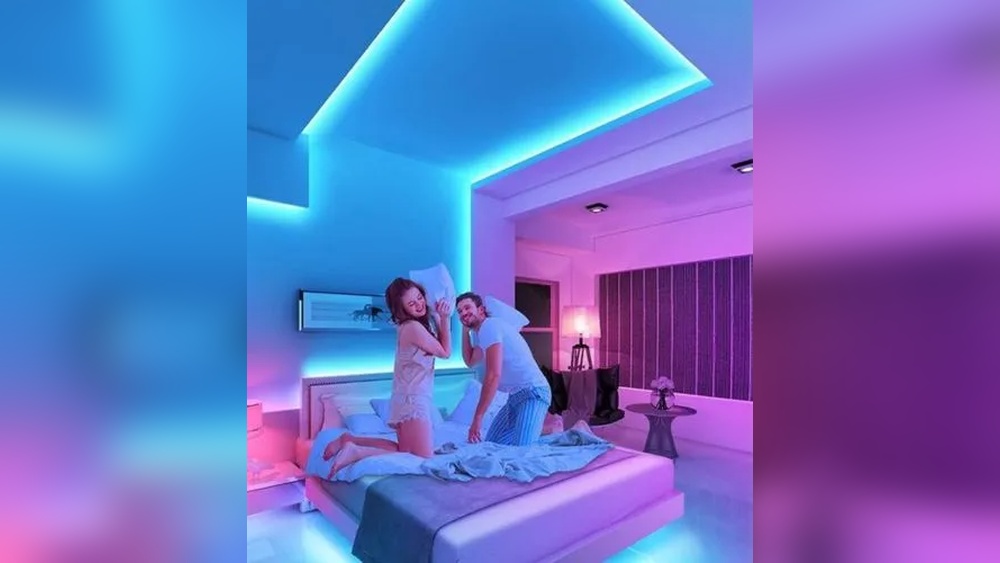
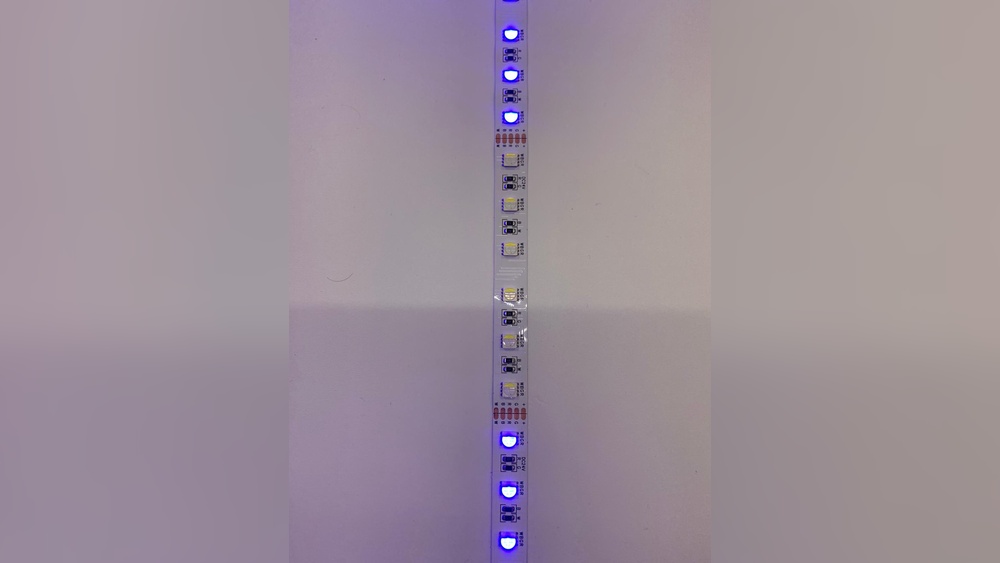
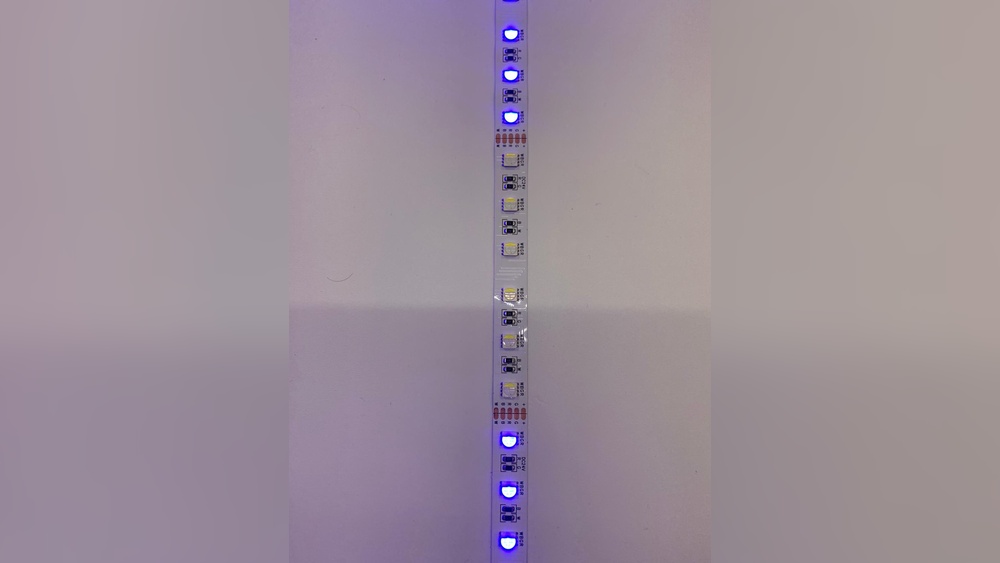
LED lights come in many color temperatures. You can find cool white, daylight, and warm white options. Incandescent bulbs mostly produce warm, yellowish light. This limits choices for different moods or tasks. LEDs give more flexibility in lighting color. This helps create the exact atmosphere you want.
Warmth And Ambiance
Incandescent bulbs give a soft, warm glow. This creates a cozy and inviting feeling. LED lights can mimic this warmth but also offer brighter, cooler tones. Warm LED lights suit living rooms and bedrooms well. Cooler tones work for workspaces and kitchens. Both types can set the mood, but LEDs offer more variety.
Flicker And Eye Strain
Incandescent bulbs produce steady light without flicker. This reduces eye strain during long use. Some LED lights may flicker slightly, depending on quality. Poor-quality LEDs cause more eye discomfort and headaches. High-quality LEDs have little to no flicker. Choosing good LEDs ensures comfortable lighting for eyes.
Cost Analysis
Cost plays a big role in choosing between LED lights and incandescent bulbs. Understanding expenses over time helps make a smart choice. This section breaks down the main costs.
From buying prices to maintenance, each factor matters. Let’s look closely at how LED and incandescent lights compare.
Initial Purchase Price
Incandescent bulbs cost less to buy at first. They are cheap and easy to find in stores. LED lights have a higher upfront price. This can make people choose incandescent bulbs at the start. But the price gap has been shrinking over the years.
Long-term Financial Benefits
LED lights save money over time. They use less electricity than incandescent bulbs. This lowers electric bills each month. LEDs also last much longer. You replace bulbs less often, which saves money. Incandescent bulbs waste energy and burn out fast. This leads to higher costs in the long run.
Maintenance Expenses
Incandescent bulbs need frequent replacement. This adds to maintenance costs. Changing bulbs often can be costly and time-consuming. LED lights require less maintenance. Their long lifespan means fewer purchases and replacements. This reduces overall maintenance expenses over time.
Installation And Compatibility
Choosing between LED lights and incandescent bulbs affects how you install and use them. Installation and compatibility matter for a smooth lighting experience. This section explains key points about fitting types, fixture compatibility, and ease of replacement.
Fitting Types And Sizes
Both LED and incandescent bulbs come in many fitting types. Common fittings include E26, E27, GU10, and B22. LED bulbs often match these sizes exactly. This makes switching easier without changing fixtures. Some LED bulbs come in unique shapes or sizes. Check the fitting before buying to avoid issues.
Compatibility With Fixtures
Incandescent bulbs work with nearly all fixtures made for standard bulbs. LEDs also fit most fixtures. Some older dimmer switches may not work well with LED bulbs. LEDs use less power, which can confuse old dimmers. Using LED-compatible dimmers solves this problem. Always check fixture requirements before installing new bulbs.
Ease Of Replacement
Replacing incandescent bulbs is simple and quick. You just twist and pull out the old bulb. LED bulbs install the same way in most cases. LEDs last much longer, so replacement is less often needed. This saves time and effort over the years. Make sure to dispose of old bulbs properly.
Common Applications
Choosing between LED lights and incandescent bulbs depends on where you plan to use them. Each type fits different needs and spaces. Understanding common applications helps make a smart choice. Below, explore where these lights perform best.
Residential Uses
LED lights work well in homes. They use less energy and last longer. They suit kitchens, living rooms, and bedrooms. Incandescent bulbs give warm light, often used for cozy spaces. Some people prefer their soft glow for lamps and dining areas. LEDs reduce electricity bills and need fewer changes.
Commercial Settings
Businesses favor LED lights for offices and stores. They offer bright, clear light that helps focus. LEDs save money on energy and maintenance. Incandescent bulbs still appear in decorative fixtures. Shops use them for a warm, inviting look. LEDs support long operating hours with less heat.
Outdoor Lighting
LED lights dominate outdoor uses like street lamps and garden lights. They resist weather and last through seasons. Incandescent bulbs do not handle cold or rain well. LEDs provide bright, consistent light for safety and visibility. Their low energy use suits public spaces and homes alike.
Future Trends In Lighting
The future of lighting is bright and full of change. Technology keeps evolving, making lights more efficient and smarter. This shift affects homes, offices, and streets. Understanding these trends helps choose better lighting solutions.
Innovations In Led Technology
LED lights continue to improve in brightness and color quality. New designs use less energy and last longer. Advances in materials make LEDs more eco-friendly. Expect LEDs to fit more styles and uses soon.
Phasing Out Incandescent Bulbs
Many countries plan to stop using incandescent bulbs. These bulbs waste energy and break easily. Governments promote LED bulbs as better alternatives. This change helps reduce energy bills and pollution.
Smart Lighting Integration
Smart lighting lets users control lights with apps or voice commands. It adjusts brightness and color to match moods or tasks. Smart systems save energy by turning off unused lights. This trend brings convenience and efficiency to daily life.
Frequently Asked Questions
What Are The Main Differences Between Led And Incandescent Lights?
LED lights use less energy and last longer than incandescent bulbs. Incandescent bulbs emit more heat and consume more electricity, making LEDs more efficient and cost-effective over time.
Are Led Lights More Energy-efficient Than Incandescent Bulbs?
Yes, LED lights use up to 80% less energy than incandescent bulbs. This efficiency reduces electricity bills and environmental impact significantly.
How Long Do Led Lights Last Compared To Incandescent Bulbs?
LED bulbs typically last 15,000 to 50,000 hours, while incandescent bulbs last about 1,000 hours. This longevity reduces replacement frequency and maintenance costs.
Do Led Lights Provide The Same Quality Of Light As Incandescent Bulbs?
LEDs now offer similar warm light quality as incandescent bulbs. They come in various color temperatures, matching different lighting preferences and settings.
Conclusion
Choosing between LED lights and incandescent bulbs depends on your needs. LEDs save energy and last much longer. Incandescent bulbs cost less upfront but use more power. Think about your budget and how often you change bulbs. Also, consider the light quality you prefer.
LEDs offer cooler, brighter light. Incandescent bulbs give warm, soft light. Both have pros and cons. Weigh what matters most for your space. This helps you pick the best lighting option. Simple and smart.

Leave a Reply