


Are you wondering whether to choose LED lights or halogen bulbs for your home or office? Picking the right lighting can change the way your space looks and feels.
You want something bright, energy-efficient, and long-lasting—but which one fits your needs best? This guide will help you understand the key differences between LED lights and halogen bulbs. By the end, you’ll feel confident making the smart choice that saves you money and improves your comfort.
Keep reading to discover which light shines brightest for you.

Brightness Comparison
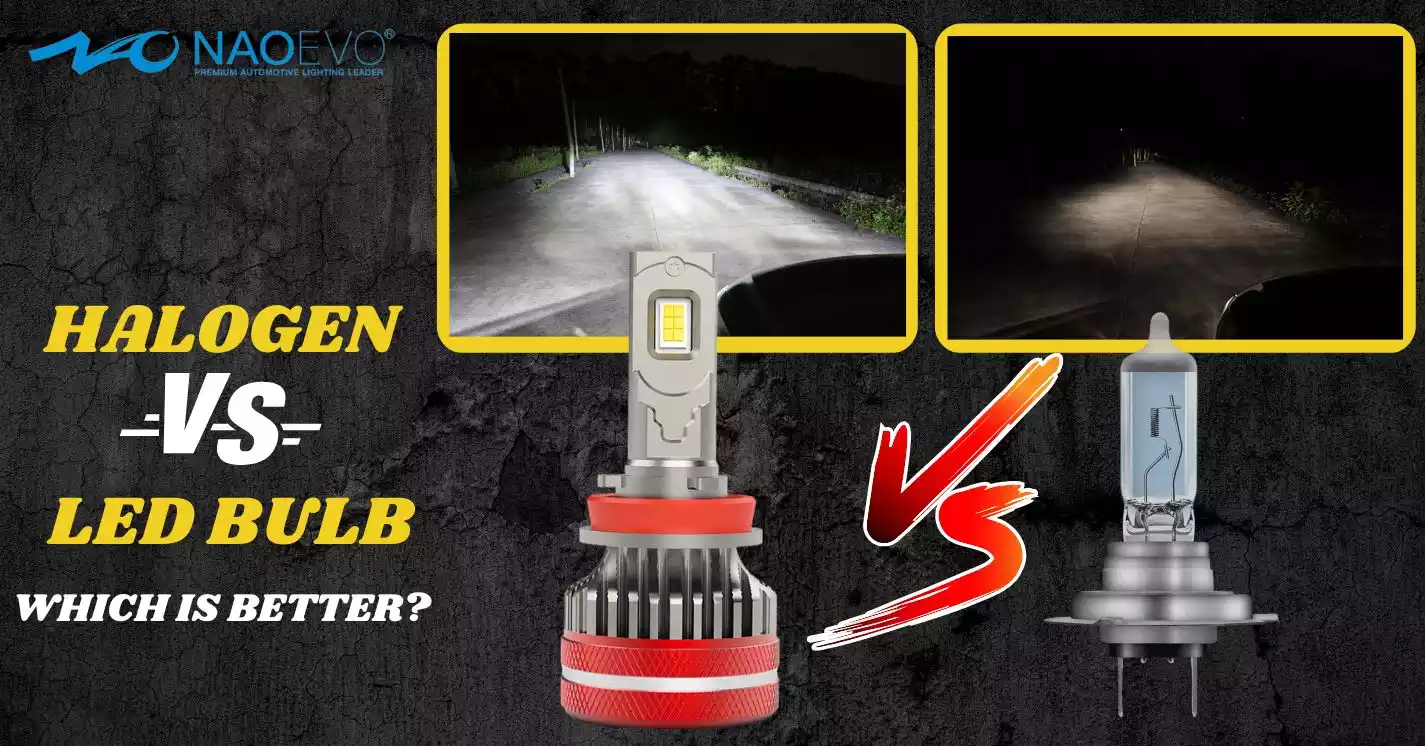
Brightness is a key factor when choosing between LED lights and halogen bulbs. Both types offer different levels of brightness and light quality. Understanding these differences helps pick the right lighting for your needs. Let’s explore how they compare in brightness.
Light Intensity Levels
LED lights produce higher light intensity using less power. They offer brighter illumination with lower energy use. Halogen bulbs create light by heating a filament, which uses more energy. This method results in less light per watt. LEDs maintain brightness longer without dimming over time. Halogens tend to lose brightness faster as they age.
Beam Focus And Spread
LED lights deliver sharper, more focused beams. They allow precise control of light direction. This focus reduces wasted light and glare. Halogen bulbs emit a wider, less controlled beam. The light spreads out more, which may cause glare. LED beam control suits task lighting better. Halogen beams work well for broad, ambient lighting.
Color Temperature Effects
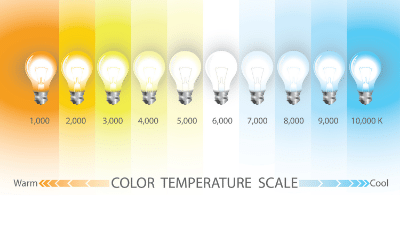
LEDs come in various color temperatures, from warm to cool white. Cooler LEDs appear brighter and clearer to the eyes. Halogen bulbs usually produce warm, yellowish light. This warm light feels cozy but appears less bright. LED color options enhance visibility and comfort. Halogen warmth suits relaxing spaces but may reduce perceived brightness.
Energy Efficiency
Energy efficiency is a key factor when choosing between LED lights and halogen bulbs. It affects electricity bills and environmental impact. Understanding the differences helps make a smart choice.
Power Consumption Rates
LED lights use much less power than halogen bulbs. An LED bulb consumes about 75% less electricity. Halogen bulbs need more energy to produce the same amount of light. This means LEDs save money on electric bills.
Lifespan And Durability
LED lights last much longer than halogen bulbs. An LED can work for up to 25,000 hours. Halogen bulbs usually last around 2,000 hours. LEDs also resist shocks and vibrations better. This makes LEDs more reliable and reduces replacements.
Heat Emission Differences
Halogen bulbs produce a lot of heat while lighting. This wastes energy and can make rooms warmer. LEDs stay cool because they emit very little heat. Less heat means safer use and less energy lost as heat.
Cost Analysis
Understanding the cost difference between LED lights and halogen bulbs helps make smart buying choices. This section breaks down expenses into key parts. It covers the upfront price, savings over time, and upkeep costs. Clear details guide you to the best option for your budget.
Initial Purchase Price
Halogen bulbs usually cost less at the start. You can buy them at many stores for a low price. LEDs are more expensive upfront. The higher price reflects new technology and energy savings. Choosing between them depends on how much you want to spend now.
Long-term Savings
LED lights save money over many years. They use less power than halogen bulbs. Less power means lower electricity bills each month. LEDs also last longer, so you replace them less often. Halogen bulbs need changing more frequently, costing more over time.
Maintenance Expenses
Halogen bulbs break and burn out faster. You spend more on buying new ones. LEDs rarely need replacement. Their longer life cuts down maintenance work and cost. Less maintenance means less hassle and fewer purchases overall.
Environmental Impact
Choosing lighting affects the environment in many ways. Energy use, materials, and waste matter a lot. LED lights and halogen bulbs have different impacts. Understanding these helps you make a better choice.
Carbon Footprint
LED lights use much less energy than halogen bulbs. Lower energy means fewer carbon emissions from power plants. Halogen bulbs burn more electricity and release more greenhouse gases. Using LEDs reduces your home’s overall carbon footprint.
Recyclability
LEDs contain parts that can be recycled easily. Their metal and plastic components often go to recycling centers. Halogen bulbs are harder to recycle due to their glass and filament design. Many halogen bulbs end up in landfills, increasing waste.
Toxic Components
Halogen bulbs contain small amounts of harmful gases and metals. These can leak and pollute soil or water when thrown away. LEDs have fewer toxic materials, making them safer for the environment. Proper disposal still matters for both types of bulbs.
Application Suitability
Choosing the right lighting depends on where and how you plan to use it. LED lights and halogen bulbs serve different purposes based on the environment and task. Understanding their application suitability helps you pick the best option for your needs.
Indoor Lighting Use
LED lights work well indoors. They produce less heat, making rooms comfortable. Their energy efficiency saves money on electricity bills. LEDs offer various color temperatures, from warm to cool white. This flexibility suits living rooms, kitchens, and offices. Halogen bulbs create a warm, bright light. They work well in smaller spaces or areas needing focused light. However, they use more energy and emit more heat.
Outdoor Lighting Use
LEDs are ideal for outdoor lighting. They resist weather and last long. Their brightness covers wide areas like gardens and driveways. LEDs also turn on instantly, useful for security lights. Halogen lights provide strong, bright beams. They are often used in floodlights and spotlights. But they consume more power and may burn out faster outside.
Specialty Lighting Needs
LEDs fit specialty lighting well, such as display cases or art galleries. Their low heat protects delicate items. They also offer color options for creative effects. Halogen bulbs shine in specialty uses like stage lighting. Their bright, natural light highlights details clearly. Yet, their heat output requires careful use near sensitive materials.
Installation And Compatibility
Choosing between LED lights and halogen bulbs often comes down to installation and compatibility. This part affects how easily you can use the lights in your home or office. It also influences the cost and time needed for the switch. Understanding these aspects helps you make a smart choice for your lighting needs.
Ease Of Installation
LED lights usually install quickly. They often fit directly into existing sockets. Many LED bulbs work with the same fixtures as halogen bulbs. This means you do not need special tools or skills. Halogen bulbs also install easily but may require careful handling. They get hot and can break if touched too much. LED lights stay cool, making installation safer.
Fixture Compatibility
Most LED bulbs match standard fixture sizes. They come in common shapes like A19, GU10, and MR16. Halogen bulbs also have many sizes but use more power. Some LED bulbs need a compatible driver or transformer. This is important for dimmer switches. Halogen bulbs work well with traditional dimmers. Choosing LED bulbs with the right compatibility avoids flickering or buzzing.
Retrofit Options
LED retrofit bulbs let you upgrade old fixtures easily. They fit in existing halogen sockets without changes. This saves money and time on installation. Many LED retrofit options have similar light color and brightness. Halogen bulbs cannot be retrofitted to LED fixtures. Retrofits help people switch to energy-saving LED lights fast. They offer a practical solution for homes and businesses.
Frequently Asked Questions
What Are The Main Differences Between Led And Halogen Lights?
LED lights use semiconductors to emit light, while halogens use tungsten filaments. LEDs are more energy-efficient and last longer. Halogens produce warmer light but consume more power and generate heat.
Which Lighting Option Is More Energy-efficient, Led Or Halogen?
LED lights are significantly more energy-efficient than halogen bulbs. LEDs use up to 80% less electricity, reducing energy costs and environmental impact.
Are Led Lights Better For Home Lighting Than Halogens?
Yes, LEDs are better for home lighting. They last longer, consume less energy, and offer various color temperatures. Halogens generate more heat and have shorter lifespans.
Do Led Lights Provide Better Brightness Than Halogen Bulbs?
LEDs often provide brighter, more focused light compared to halogens. They also offer customizable brightness levels, making them suitable for different settings.
Conclusion
LED lights use less energy and last longer than halogen bulbs. They stay cool and save money on electricity bills. Halogen lights give warm, bright light but use more power. Choosing depends on what you need: energy saving or light quality.
Both have good points. Think about your budget and where you want to use the light. This helps you pick the right option for your space.

Leave a Reply