LED LIGHTING

world's #1 led lighting review site

How to position solar-powered LED garden lights for maximum sunlight exposure?

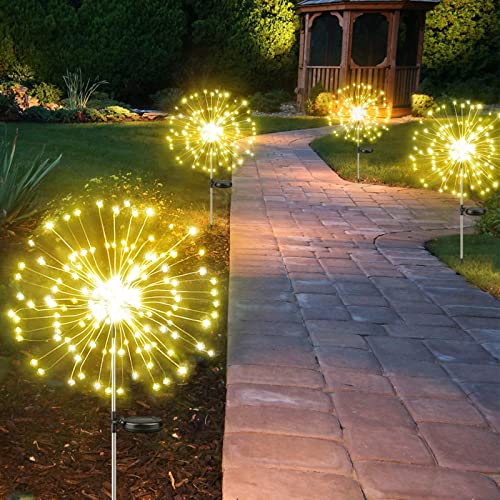
4-Pack Solar Outdoor Lights for Garden Decorations, 360 LED Solar Firework Lights with 2 Lighting Modes, Solar Christmas Lights Waterproof for Outside Pathway Patio Yard Xmas Decorations(Warm White)

When it comes to maximizing sunlight exposure for your solar-powered LED garden lights, there are a few key steps to keep in mind. First, you’ll want to choose a location that receives ample sunlight throughout the day. This could be a spot in your garden that is free from obstructions like trees or buildings. Next, ensure that the lights are placed in a way that allows the solar panels to directly face the sun. Ideally, this means positioning the lights facing south in the Northern Hemisphere or north in the Southern Hemisphere. Lastly, consider the angle at which the lights are positioned. For optimal sun exposure, aim to have the solar panels tilted at an angle that matches your latitude. By following these simple steps, you can ensure that your solar-powered LED garden lights are positioned to soak up as much sunlight as possible, allowing them to shine brightly throughout the night.

Illuminate your garden with eco-friendly lighting

[content-egg-block modules=AmazonNoApi template=offers_grid cols=3 groups=”SectionIntro”]

1

Choose the Right Location

Choose a location in your garden that gets plenty of sunlight during the day. Avoid areas with heavy shade from trees or buildings. This will ensure that your plants receive the necessary amount of light to thrive.

[content-egg-block modules=AmazonNoApi template=offers_grid cols=3 groups=”Step1″]

2

Check for Obstructions

Before installing the lights, inspect the area for any potential obstructions that may hinder the sunlight from reaching the lights. Check for overhanging branches, tall plants, or any other objects that could cast shadows over the lights’ location. Remove or trim these obstructions to ensure optimal sunlight exposure and maximize the effectiveness of your lights.

3

Position the Lights Correctly

To ensure maximum exposure to sunlight, position the solar panels on the lights facing south or southwest. This will allow the panels to receive direct sunlight for a longer duration. Simply adjust the lights so that the solar panels are facing in the desired direction.

4

Adjust the Angle

To optimize sunlight exposure, consider adjusting the angle of your solar panel to match the latitude of your location. Follow these steps:

  • Determine the latitude of your location using an online tool or a GPS device.
  • Tilt the solar panel at an angle equal to the latitude. For example, if your latitude is 35 degrees, tilt the panel at a 35-degree angle.
  • If your solar panel has an adjustable mount, adjust it accordingly. If it doesn’t, you may need to physically prop or tilt the panel to achieve the desired angle.

By aligning your solar panel’s angle with your location’s latitude, you can maximize its sunlight exposure and increase its energy production.

[content-egg-block modules=AmazonNoApi template=offers_list groups=”Step4″]

5

Clear the Solar Panels

Regularly clean the solar panels by gently wiping away any dust, dirt, or debris that may have gathered on the surface. After ensuring that the panels are cool to touch, use a soft cloth or sponge dipped in warm soapy water to scrub away any stubborn stains. Rinse off with clean water and allow the panels to air dry before reconnecting them.

6

Avoid Shadows

To ensure optimal exposure to sunlight, it is important to place lights where they are not obstructed by nearby objects casting shadows. For example, avoid placing lights directly under tree canopies or close to tall structures such as walls or fences that may cast shadows over them. Instead, position the lights in open areas where they can receive direct sunlight throughout the day. Pay attention to the surrounding environment and adjust the placement of the lights accordingly to avoid shadows.

7

Maintain Open Space

To maintain an open space for maximum sunlight exposure, follow these simple steps:

  • Trim any nearby plants or shrubs that may grow and cast shadows on the lights over time.
  • Make sure to remove any branches that are starting to obstruct the path of the sun.
  • Regularly monitor the area surrounding the lights and promptly trim any new growth that may interfere with their exposure to sunlight.
  • By keeping the plants and shrubs well-maintained, you’ll ensure that the lights receive ample sunlight, effectively illuminating the open space.

Remember, maintaining an open space by trimming nearby plants and shrubs is crucial for optimal sunlight exposure.

8

Consider Elevation

To ensure optimal lighting in a garden with multiple levels or terraces, it is important to position the lights on higher elevations. This will help to avoid any potential shadows that may be cast from lower areas. By placing the lights strategically, you can create a well-balanced and aesthetically pleasing lighting design for your garden.

9

Check the Position Regularly

To monitor the position of the lights periodically, simply observe their alignment and take note of any shadows cast by nearby objects. If you notice that the lights are not receiving maximum sunlight, adjust their placement accordingly. By making these regular adjustments, you can ensure that the lights are always in the optimal position to absorb as much sunlight as possible.

10

Enjoy the Benefits

  • To ensure maximum sunlight exposure for your solar-powered LED garden lights, position them in areas of your garden that receive direct sunlight for at least 6-8 hours a day.
  • Make sure the solar panels of the lights are facing south or west to capture the most sunlight.
  • Avoid placing the lights in shaded areas or under trees that may obstruct sunlight.
  • Once you have positioned the lights, sit back and enjoy the benefits of beautiful and eco-friendly lighting in your garden. Imagine the warm glow illuminating your favorite flowers or creating a cozy ambiance for evening gatherings. Plus, you’ll be reducing your carbon footprint and saving on electricity bills. So relax, take a seat, and enjoy the magical glow of your solar-powered LED garden lights!

Ensuring Optimal Solar Efficiency

In conclusion, positioning your solar-powered LED garden lights for maximum sunlight exposure is crucial for their overall performance and efficiency. By implementing the steps mentioned in this blog post, you can ensure that your lights receive an adequate amount of sunlight throughout the day. This will not only enhance their functionality but also optimize their energy conservation capabilities. So, go ahead and follow these tips to make the most of your solar-powered LED garden lights!

Optimize Sunlight Efficiency

  • Choose a location with ample sunlight: Look for an area in your garden that receives direct sunlight for at least 6-8 hours a day. Avoid shaded areas or places obstructed by trees or buildings
  • Orient the solar panels towards the sun: Ensure that the solar panels on your LED garden lights are facing south or southwest to maximize their exposure to sunlight. This will help in absorbing as much solar energy as possible
  • Clean the solar panels regularly: Dirt, dust, or debris can reduce the efficiency of your solar panels. Clean them regularly using a soft cloth or sponge to ensure maximum sunlight absorption
  • Avoid placing lights close to other sources of light: Position your solar-powered LED garden lights away from other sources of light like street lamps or other outdoor fixtures that may cause interference or create shadows
  • Optimal spacing between lights: When positioning multiple LED garden lights, make sure to leave a reasonable distance between them. This will allow each light to receive adequate sunlight individually
  • Adjust the tilt angle: Most solar-powered garden lights come with an adjustable feature for tilting the solar panels. Experiment with different angles to find the optimal tilt angle that ensures maximum exposure to sunlight
  • Regularly maintain and replace batteries: Solar-powered LED lights rely on batteries to store solar energy. Replace the batteries regularly, following the manufacturer’s instructions, to ensure optimal performance
  • Avoid excessive shade during winter months: In areas with harsh winters or extended periods of cloudy weather, it may be necessary to temporarily reposition your solar-powered LED lights to ensure they receive enough sunlight during those months
  • Keep an eye on changing seasons: As the seasons change, the position of the sun in the sky also shifts. Periodically review the positioning of your LED garden lights to make sure they are still optimally positioned for maximum sunlight exposure
  • Monitor for obstructions: Keep an eye out for potential obstructions that may arise over time, such as overgrown trees or shrubs. Regularly trim or relocate any obstacles that may impede the sunlight from reaching your solar panels

Step-by-step guide to harnessing the power of the sun for magical garden illumination

  • Locate a suitable spot: Find an area in your garden or outdoor space that receives direct sunlight for several hours during the day. This will help ensure that the solar panels on the lights can recharge efficiently
  • Install the lights: Most solar-powered LED garden lights come with a stake or mounting option. Insert the stake into the ground or attach the lights to a wall or fence using the supplied hardware. Make sure the lights are firmly secured in place
  • Turn on the lights: Many solar-powered LED garden lights have an on/off switch or a button to activate them. Locate the switch or button and turn the lights on. Some models may have an automatic sensor that turns on the lights at dusk. Refer to the product manual for specific instructions
  • Allow the lights to charge: After installing the lights, leave them in the sunlight for at least 8-12 hours to charge the built-in batteries. This initial charging period ensures that the lights will work optimally and provide sufficient illumination during the night
  • Enjoy the lights at night: Once the solar-powered LED garden lights are fully charged, they will automatically turn on at dusk and provide beautiful illumination throughout the night. Sit back, relax, and enjoy the ambiance they create in your garden
  • Remember, it may take a few days for the lights to reach their maximum brightness as they adjust to their new environment and fully charge. Also, make sure to clean the solar panels periodically to remove any dust or debris that may hinder their ability to gather sunlight effectively
  • I hope you find this information helpful! Let me know if you have any more questions

Frequently Asked Questions about Solar-powered LED Garden Lights

How long do solar-powered LED garden lights typically last on a full charge?

Solar-powered LED garden lights typically last anywhere from 8 to 12 hours on a full charge. However, the exact duration can vary depending on several factors such as the quality of the light, the capacity of the battery, and the amount of sunlight received during the day. Some high-quality models with larger batteries may even last up to 15 or 20 hours on a single charge. It’s worth noting that during winter or overcast days, the lights may not receive as much sunlight and therefore have a shorter runtime. Nonetheless, solar-powered garden lights are a great eco-friendly option for illuminating outdoor spaces without the need for electricity.

Do solar-powered LED garden lights require direct sunlight to charge effectively?

Yes, solar-powered LED garden lights require direct sunlight to charge effectively. These lights have photovoltaic panels that convert sunlight into electrical energy, which is stored in rechargeable batteries. Direct sunlight is essential for maximizing the sunlight exposure and ensuring efficient charging of the batteries. If the lights are placed in shaded or low-light areas, their charging capacity may be significantly reduced, resulting in dimmer or shorter-lasting illumination. Therefore, it is advisable to position solar-powered LED garden lights in areas that receive direct sunlight for the best performance.


55 comments
Sparkle

Do you have any advanced tips for ensuring maximum sunlight exposure for solar-powered LED garden lights? I want to optimize the positioning of my lights even further.

    leds.to

    That’s great to hear that you found the guide helpful! To optimize the sunlight exposure for your solar-powered LED garden lights, you can consider using reflective surfaces or mirrors to redirect sunlight towards the lights. Additionally, you can experiment with different angles and heights to find the best positioning for your specific garden layout.

Willow

Can you recommend specific solar-powered LED garden lights that are known for their excellent sunlight exposure and durability? I’m looking to purchase some new lights and want to make sure I choose the right ones.

    leds.to

    Certainly! When it comes to solar-powered LED garden lights, some popular and reliable options include the LITOM Solar Lights Outdoor, the URPOWER Solar Lights, and the GIGALUMI Solar Pathway Lights. These brands are known for their high-quality construction, efficient solar panels, and long-lasting performance.

Phoenix

I’ve applied the tips from this guide to position my solar-powered LED garden lights, and now my garden looks stunning at night! The lights create a magical ambiance. Thank you for the helpful guide!

Sassyfrass

Could you write another guide on how to maintain and clean solar panels on solar-powered LED garden lights? I want to make sure I’m taking proper care of my lights for optimal performance.

Nikolai Zavala

Who needs garden lights when you can just camp out and stare at the stars? #backtonature

    Esteban Wolfe

    Garden lights enhance the ambiance and safety of outdoor spaces, plus they dont require the hassle of setting up a campsite every night. Its all about personal preference, but lets not dismiss the practicality and charm of garden lights so easily.

Callum

Who needs solar-powered garden lights when you have fireflies? Let nature shine!

Rylan

Who needs sunlight? Lets just cover our gardens with solar panels instead!

Jeremy Horn

Ive found that positioning garden lights in the shape of a smiley face attracts more sunlight. 🌞😊

Dazzle

I’ve found that using solar-powered LED garden lights not only enhances the aesthetics of my garden but also helps save on electricity bills. It’s a win-win situation!

    leds.to

    Absolutely! Solar-powered LED garden lights are a great way to add beauty to your garden while also being energy-efficient. They harness the power of the sun and eliminate the need for traditional electricity, making them a sustainable and cost-effective lighting solution.

Demi Hall

Who needs sunlight? I prefer my garden lights to shine in the dark. #NoSunNoProblem

    giveitlegs@live.com

    Sorry, but I couldnt disagree more. Sunlight is essential for the growth and nourishment of plants. Artificial garden lights may look pretty, but they can never replace the power and beauty of natural sunlight. #SunlightMatters

Chandler Guerra

Who needs fancy garden lights? Just use glow-in-the-dark paint and save the planet!

    giveitlegs@live.com

    Oh sure, because one little jar of glow-in-the-dark paint is definitely going to light up an entire garden. Maybe instead of being cheap, we should focus on finding sustainable solutions that actually make a difference.

Velvet

I have a question about step 6. How can I avoid shadows from nearby trees or structures? Is there a certain distance I should keep between the lights and potential shadow sources?

    leds.to

    Avoiding shadows is important to ensure maximum sunlight exposure for your solar-powered LED garden lights. Ideally, you should position the lights at least 6-8 feet away from any potential shadow sources such as trees or structures. This will help minimize the chances of shadows interfering with the light’s solar panels.

Bubbles

I followed this guide and positioned my solar-powered LED garden lights according to the steps, and I’m really impressed with the results! The lights now receive maximum sunlight exposure and provide beautiful illumination in my garden. Thank you for the helpful guide!

Briella Hurst

Who needs garden lights when you can just stare at the stars? βœ¨πŸŒ™ #LightPollutionProblems

Thaddeus

I dont get what the fuss is about. Just stick the lights wherever you want and call it a day!

Fluffykins

To enhance the performance of solar-powered LED garden lights, make sure to regularly clean the solar panels to remove any dirt or debris that may obstruct sunlight absorption. This will ensure optimal charging and maximize the lights’ illumination throughout the night.

    leds.to

    Thank you for the tip! Regularly cleaning the solar panels is indeed crucial for maintaining the performance of solar-powered LED garden lights. It’s great to hear that you found the guide helpful and that your garden looks stunning at night!

Riley

Who needs sunlight when you can have solar-powered LED garden lights that glow in the dark?! #NighttimeGardenGoals

Wade Torres

I think solar-powered garden lights are a waste of money. Just buy regular lights!

Mariah

Why not use moonlight instead of LED lights for a natural vibe?

Meredith Berry

Is it worth the effort to move lights daily for maximum sun exposure? πŸ€”

Kingston Alfaro

Why not use artificial sunlight to power the LED garden lights? 🌞

Harmoni Arroyo

Why not use artificial sunlight to charge solar lights indoors? #ThinkingOutsideTheBox

Lexi

I think we should ditch solar lights and go back to traditional ones.

Brynn George

I think solar lights are overrated. I prefer candles for a cozy vibe.

Ryder Aguilar

Why not use artificial sunlight for maximum exposure? More efficient and reliable!

Morgan Combs

Why not use solar lights indoors for a funky vibe? #thinkingoutsidethebox

Mack

Why not use solar lights indoors for a sustainable alternative? #thinkingoutsidethegarden

    giveitlegs@live.com

    Indoor lighting requirements differ significantly from outdoor lighting. Solar lights may not provide sufficient brightness or consistency for indoor use. Its important to consider the specific needs of each space when choosing lighting options. #practicalityoveridealism

Hamza

Why not use solar lights indoors for a unique eco-friendly vibe?

    giveitlegs@live.com

    Indoor solar lights may not provide sufficient brightness or consistent power for practical use. They are better suited for outdoor spaces where they can harness direct sunlight. Consider energy-efficient LED lighting for a sustainable indoor vibe that doesnt compromise on functionality.

Fallon

Why not just use candles for a more romantic garden vibe?

Azael

Why not use artificial light to brighten up darker areas instead?

    Makai Schaefer

    Using artificial light in natural areas can disrupt wildlife, alter ecosystems, and contribute to light pollution. Its important to consider the impact on the environment before resorting to artificial lighting solutions. Lets prioritize preserving the natural beauty of dark areas rather than altering them with artificial light.

Aron Petersen

What if we use solar lights to light up indoor spaces too? πŸ€”

Carter

Interesting piece! But isnt it equally important to discuss the lifespan of these solar-powered LED garden lights? Also, shouldnt we consider seasonal changes and how they might affect sun exposure? Not forgetting, maintenance tips to ensure they function optimally. Just some food for thought.

Collins

Interesting piece! But wouldnt it be better to have some sort of sensor or technology to position these solar-powered LED garden lights automatically? It just seems a bit unproductive to manually adjust them, especially in areas where sunlight direction changes often. Just a thought!

Wesson Mccall

Intriguing read! Just curious, wouldnt different seasons affect the sun exposure on the garden lights? You know, considering the Earths tilt and all, the suns path changes. Might be worth considering seasonal adjustments for these lights? Eco-friendly garden lighting is a game-changer, but we gotta maximize it, right?

Roselyn

Just read the article on solar-powered LED garden lights and I have to ask, does anyone consider the impact of seasonal changes on sunlight exposure? I mean, the suns position changes throughout the year, right? So even if we position our lights perfectly now, they might not get maximum exposure in a few months time. Thoughts?

Ismael Young

Interesting read! But have they considered how weather conditions, like cloudiness, can impact the efficiency of these solar-powered LED garden lights? A follow-up article on this would be great!

Houston Hensley

Interesting read! But what about gardens in areas with limited sunlight? Any tips for those who want to go green with solar lights but live in predominantly cloudy regions?

Haley

Interesting read! But what about gardens with large trees or structures? Any tips on positioning these solar-powered lights to maximize sunlight in these kinda tricky scenarios?

Emmalyn Bishop

Interesting read, but dont you think its equally important to discuss the effects of weather patterns on the efficiency of these solar-powered LED garden lights? Lets consider all factors, folks!

Leonel Xiong

Interesting read! But wouldnt the amount of sunlight exposure also depend on the geographic location of the garden? Not every place gets the same sunlight intensity and duration, right?

Giana

Interesting read, but isnt positioning lights for max sunlight a no-brainer? Maybe we should focus more on making solar power efficient? Just a thought!

Caden

I disagree. Solar-powered LEDs are overrated. A moonlit garden is natures way of lighting. Ever thought about that? Lets go natural, folks!

Royalty Dickson

Interesting read, but isnt it ironic were using solar power to light up gardens while cities are drowned in darkness? Just a thought.