


Changing bulbs in track lighting can seem daunting, but with the right guidance, it’s a simple process. If you’re wondering how to change bulbs in track lighting, this easy DIY guide will walk you through the essential steps for a smooth track lighting bulb change. Perfect for beginners and experts alike, you’ll learn how to confidently replace your bulbs for an energy-efficient, better-lit space.
Key Takeaways
- DIY track lighting bulb replacement is a straightforward process with the proper safety precautions.
- Understanding your specific track lighting system will make the bulb change easier.
- Always turn off the power and allow bulbs to cool down before replacing them.
- Select energy-efficient bulbs, like LEDs, for long-term savings and improved lighting.
- Adhering to wattage guidelines and handling bulbs with care will ensure a safe and successful replacement.
Understanding the Basics of Track Lighting Systems
Before diving into the process of replacing bulbs in track lighting, it is crucial to grasp the fundamentals of track lighting systems. By doing so, you can identify the specific system you have and learn how bulbs are inserted and disengaged. Some systems may require removing the lighting fixture from the track to replace the bulb, while others allow direct unscrewing. Recognizing your track lighting system will make the bulb replacement process run smoothly.
Track lighting systems come in a variety of styles and designs, each offering unique advantages and fitting distinct spaces. To better understand the basics of your specific system, consider the following key aspects:
- Track type: Tracks can be one-circuit or two-circuit, with two-circuit tracks offering additional versatility by supporting the operation of two groups of lights separately.
- Mounting style: Systems can be surface-mounted, recessed, or mounted on rods or cables.
- Voltage: Track lighting systems can operate at either low voltage (12V or 24V) or line voltage (120V). Low voltage systems typically produce less heat and require smaller bulbs.
- Light fixture style: Light fixtures vary in design and functionality, with some featuring adjustable heads for directing light, while others may be fixed in position.
Given the diversity of track lighting systems, it is important to discern the specifics of your own to effectively replace bulbs and optimize the performance of your lighting installation.
Pro Tip: Keep the manufacturer’s documentation for your track lighting system handy as a valuable reference to understand your system and to facilitate future bulb replacements.
This table lists some common types of track lighting systems and their corresponding bulb replacement methods:
| Track Lighting System Type | Bulb Replacement Method |
|---|---|
| Linear Track | Direct unscrewing |
| Flexible Track | Unscrew the bulb or remove the cover, depending on the design |
| Straight Bar | Remove the fixture from the track and unscrew the bulb |
| Monorail Track | Unscrew the bulb or remove the fixture, depending on the design |
By recognizing your track lighting system and understanding its intricacies, you can streamline the process of replacing bulbs and ensure the longevity and efficiency of your lighting.
Ensuring Safety Before Starting The Bulb Replacement Process
Replacing bulbs in track lighting should prioritize safety measures. Two essential aspects to consider before initiating the replacement process are:
- Turning off the power
- Allowing the appropriate cooling down period for the bulbs
Turning Off the Power
Before you start swapping out your bulbs, it’s critical that you turn off the power to eliminate the risk of electrical shock. This can be done either by switching off the light or turning off the power at the main circuit breaker for added precautionary measures.
Cooling Down Time for Different Bulbs
Another safety factor to consider is the cooldown time needed for different types of bulbs. The table below provides an in-depth comparison of the required cooldown periods for various bulb types:
| Bulb Type | Approximate Cooling Down Time |
|---|---|
| LED | Almost instantaneously |
| Incandescent | 5–10 minutes |
| Halogen | 5–10 minutes |
Letting your bulbs cool down for a suitable period prevents burns and allows for a more approachable replacement process. Always exercise caution and wait for an appropriate length of time based on the bulb type you’re working with.
Important: Keep in mind that handling incandescent and halogen bulbs while they’re still hot could lead to severe burns and accidents.
In conclusion, prioritizing safety in bulb replacement is essential for a smooth and secure procedure. Turning off the power and allowing bulbs to cool down will significantly reduce risks and result in a safer working environment. It’s always best to err on the side of caution and take your time when replacing bulbs in track lighting.
Identifying When to Disengage the Track Lighting Fixture
While performing a track lighting bulb change, it is crucial to understand when and how to disengage track lighting fixtures. Some track lighting systems require the removal of the lighting fixture from the track to access the bulb. In such cases, if the bulb cannot be directly unscrewed or if a cover needs to be removed first, it may be easier to work with the fixture after it has been disengaged from the track.
To determine whether disengaging the fixture is necessary, inspect your track lighting system and consider the ease of access to the bulb.
Certain track lighting systems allow users to replace the bulb without removing the fixture from the track altogether. However, if the fixture has a cover or if the bulb is otherwise unapproachable, it is advised to disengage the fixture for a smoother track lighting bulb change process.
Let’s discuss some common scenarios where you may need to disengage the track lighting fixture:
- There is a cover or shield protecting the bulb that cannot be easily removed while the fixture is still on the track.
- The bulb requires a unique twisting method for removal and must be properly positioned for a successful extraction.
- The fixture needs to be disassembled to access the bulb (typical in more complex systems).
If you encounter any of these circumstances, learning how to install bulbs in track lighting will involve disengaging the light fixture from the track. Removing the fixture will provide you with more space and flexibility to perform the bulb replacement process accurately and safely.
Keep in mind that each track lighting system is different, and regularly inspecting your system will help you easily identify when disengagement becomes necessary. Educating yourself on the specifics of your track lighting installation can lead to a seamless and safe bulb replacement experience.
Executing the Step-by-Step Bulb Removal
Once you have identified the type of track lighting system and ensured safety precautions are met, follow this guide on removing track light bulbs to make the process of changing track lighting bulbs easy and stress-free. First, determine the specific method required for removing the bulb by carefully inspecting it. There are three general ways track lighting bulbs can be removed:
- Screwed out
- Unplugged
- Twisted and disengaged
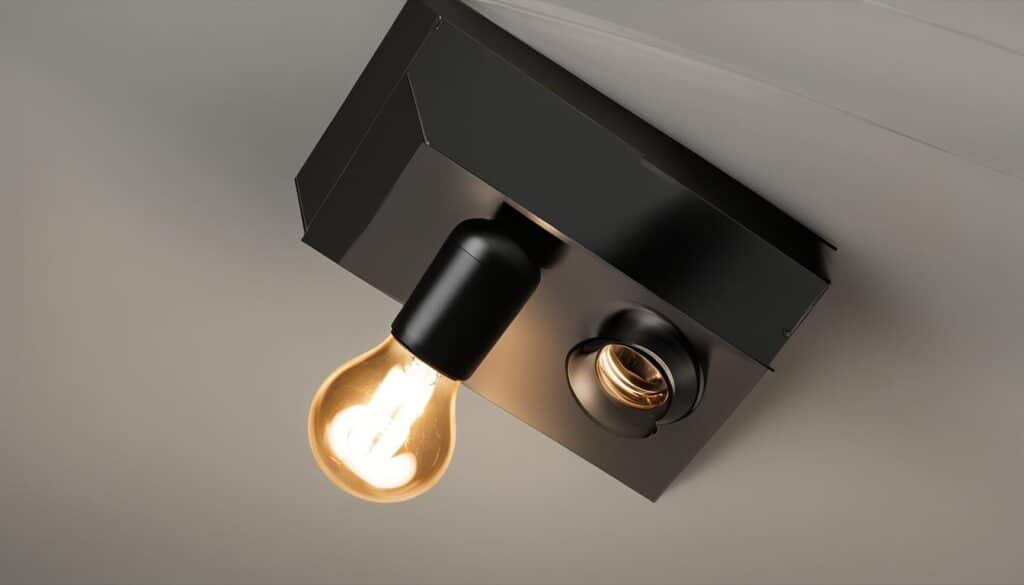
Some bulbs may also be secured with a cover that needs to be taken off. This may require unscrewing a small set screw or unclipping a clip. Prioritize removing the cover with caution, avoiding applying excessive force that may damage the fixture.
Remember: The appropriate method for removing your track lighting bulb depends on the specific track lighting system you have in place. Identifying the correct removal technique is crucial for a successful and trouble-free replacement process.
Beneath is a step-by-step guide on how to remove bulbs from different track lighting systems:
| Track Lighting Bulb Type | Step 1 | Step 2 | Step 3 | Step 4 |
|---|---|---|---|---|
| Screwed Out | Identify bulb type and method of removal | Unscrew bulb gently in a counter-clockwise motion | Remove cover, if present | Set aside old bulb safely |
| Unplugged | Identify bulb type and method of removal | Hold base firmly and gently pull the bulb out of its socket | Remove cover, if present | Set aside old bulb safely |
| Twisted and Disengaged | Identify bulb type and method of removal | Hold base firmly and twist the bulb in the specified direction | Remove cover, if present | Set aside old bulb safely |
By following this comprehensive step-by-step guide on changing track lighting bulbs, you can ensure a smooth and efficient track lighting bulb replacement process.
Selecting the Right Replacement Bulb for Your Track Lighting
When it comes to selecting replacement bulbs for track lighting, it’s vital to find the perfect match for your system. It is essential to choose a bulb that corresponds to the existing one in terms of shape and connection type, ensuring proper fit and functionality. For specialized bulbs, bringing the burned-out bulb to the store can assist in identifying an appropriate replacement.
Switching to energy-efficient track lighting bulbs, like LED track lighting bulbs, is an excellent way to save on energy costs and stay within the fixture’s maximum wattage. To help you in your search for the best replacement bulb, here are some factors you should consider:
- Compatibility with your track lighting system’s requirements
- Energy efficiency and longevity
- Light output (lumens) and color temperature (Kelvin)
- Dimmability, if needed
Pro tip: Always pay attention to the maximum wattage specified by your track lighting system to avoid electrical issues or malfunction.
Below is a handy comparison of common track lighting bulb options to guide you in making the right choice:
| Type of Bulb | Energy Efficiency | Longevity | Primary Features |
|---|---|---|---|
| LED | High | Long-lasting (15,000-50,000 hours) | Instant-on, dimmable options, wide range of color temperatures |
| Compact Fluorescent (CFL) | Medium-High | Moderate-long (8,000-20,000 hours) | Slow warm-up, limited dimming options, contain small amounts of mercury |
| Halogen | Low-Medium | Short-moderate (2,000-4,000 hours) | Instant-on, excellent color-rendering, significant heat output |
| Incandescent | Low | Short (750-2,000 hours) | Instant-on, warm glow, poor energy efficiency |
Ultimately, the best choice for your track lighting system is an energy-efficient LED track lighting bulb, providing excellent light output, costing less in the long run, and lasting significantly longer than traditional options. With the information above, you’ll be well-equipped to make an informed decision on the perfect replacement bulb for your track lighting system.
Adhering to Wattage Guidelines to Prevent Hazards
When it comes to changing bulbs in track lighting, it is crucial to adhere to the wattage guidelines specified inside the light socket of the fixture. Exceeding the maximum wattage can lead to fire hazards or malfunctions, which can cause significant damage to your property and put your safety at risk. Always ensure that the replacement bulb complies with the maximum wattage guidelines to maintain safety and optimal functioning. 
Remember: Following the wattage guidelines for your track lighting system not only prevents potential hazards, but also ensures the best performance and lifespan of your new bulb.
To help you better understand how wattage works, here is a brief explanation:
- Wattage: A measure of the power consumption of an electrical device, notably light bulbs. It indicates the energy required for a bulb to generate light.
- Maximum Wattage: The highest wattage a light fixture can safely operate at, as specified by the manufacturer.
- Wattage Guidelines: The wattage requirements that determine the appropriate wattage for a specific light fixture. These guidelines are outlined by the lamp manufacturer and can be found inside the light socket.
Using a bulb with a wattage that exceeds the manufacturer’s guidelines can result in serious consequences. To ensure your track lighting system functions optimally and safely, always choose the right wattage bulb based on the maximum wattage recommended by the manufacturer.
| Type of Bulbs | Typical Wattage | Energy Efficiency |
|---|---|---|
| LED | 6-10 Watts | High |
| Compact Fluorescent (CFL) | 13-23 Watts | Medium |
| Halogen | 40-70 Watts | Low |
| Incandescent | 40-100 Watts | Lowest |
In conclusion, following the track lighting wattage guidelines is a simple yet critical step in preventing lighting hazards. By selecting a bulb of appropriate wattage, you can guarantee both the safety of your home and the optimal performance of your track lighting system.
Installing New Bulbs with Precision and Care
When it comes to installing new track lighting bulbs, precision and care are essential elements to ensure seamless and secure track lighting bulb installation. Following specific steps and guidelines can significantly improve the accuracy and safety of bulb installation.
Remember to approach the bulb replacement process with patience and meticulousness for the best results.
- Ensure that the replacement bulb is compatible with your track lighting system and matches the specifications of the old bulb.
- If the bulb has any protective covers, remove them before installation.
- Take necessary safety precautions, such as turning off the power and wearing gloves, particularly when handling quartz halogen bulbs prone to premature failure if touched by bare hands.
Once ready, follow these general installation steps:
- Line up the pins, notches, or threads of the bulb with the corresponding openings in the light fixture.
- Gently insert the bulb into the fixture, ensuring a secure and stable fit.
- Depending on the type of bulb, twist, push, or screw the bulb into place. Be careful not to over-tighten or forcefully handle the bulb to avoid breakage or damage.
- Replace any removed protective covers or securing mechanisms such as clips or set screws.
By focusing on accuracy and attentiveness throughout the bulb replacement process, you can successfully complete a precision bulb installation that improves your track lighting’s aesthetics, efficiency, and overall performance.
Verifying the Functionality of Newly Installed Bulbs
After installing the new bulb, it’s essential to verify its functionality by turning the power back on and observing the light output. If the bulb doesn’t illuminate, troubleshoot the issue by systematically checking each element that may be contributing to the problem:
- Connection on the track
- Whether the bulb is firmly in place
- Testing with another bulb to determine if the newly installed bulb is defective
To assist you in identifying potential issues, refer to the following table that outlines common problems and their respective solutions when testing new light bulbs in a track lighting system.
| Problem | Possible Cause | Solution |
|---|---|---|
| Bulb not illuminating | Loose connection on the track | Re-attach the fixture on the track and ensure it is properly connected |
| Bulb not illuminating | Bulb not firmly in place | Check the bulb and adjust as necessary to ensure it is secure |
| Bulb not illuminating | Defective bulb | Replace the bulb with another one to confirm if the problem is the newly installed bulb |
Conducting a thorough track lighting bulb test can help pinpoint the exact issue and fix it promptly.
In conclusion, ensuring the proper functioning of your newly installed bulbs is a crucial step towards optimizing your track lighting system’s performance and overall safety.
Proper Disposal and Recycling of Old Track Lighting Bulbs
While replacing your track lighting bulbs, it’s important to properly dispose of the old ones to minimize the environmental impact. The disposal method varies depending on the type of bulb, and understanding the recycling options is essential.
Understanding Recycling Options
Different types of bulbs require distinct disposal methods as per local regulations. For instance, incandescent and LED bulbs can typically be thrown away in the trash. However, Compact Fluorescent Lights (CFLs) require recycling due to their mercury content.
In case your local waste management service does not offer recycling for bulbs, consider researching nearby drop-off locations. Specific guidelines and procedures are often provided by local recycling programs for proper track light bulb disposal.
Remember: When disposing of track lighting bulbs, always follow local regulations and explore recycling options. It not only helps in reducing environmental impact but also promotes a safer living space.
Here’s a quick overview of disposal methods for commonly used track lighting bulbs:
| Type of Bulb | Disposal Method |
|---|---|
| Incandescent | Regular trash |
| LED | Regular trash |
| CFL | Recycling |
Properly disposing of and recycling track lighting bulbs not only ensures compliance with local regulations but also contributes towards a greener environment and promotes safe living spaces. Keep yourself informed about the latest recycling options and guidelines for a responsible approach to track light bulb disposal.
Conclusion
In closing, changing bulbs in track lighting systems can be done efficiently and safely by understanding the types of bulbs it uses, adhering to safety protocols, and following each step carefully. It’s essential to be familiar with your track lighting system and the manner in which its bulbs are inserted and disengaged. Moreover, turning off the power and observing cooling times for bulbs are crucial safety measures for preventing electrical shocks and burns.
When it comes to selecting a suitable replacement bulb, opting for a quality, energy-efficient option like an LED can significantly reduce energy consumption and minimize the frequency of bulb replacements. Furthermore, respecting the wattage guidelines specified inside the light socket helps you avoid any risk of fire hazards or malfunctions.
Proper installation, verification of functionality, and responsible disposal or recycling of old bulbs are important aspects of the entire process. Always dispose of old bulbs according to your local regulations and learn about available recycling programs to do your part in protecting the environment. By following these best practices, you’ll find that the final thoughts on track lighting replacement affirms the ease and safety in changing bulbs in track lighting systems while achieving long-term savings and benefits.
FAQ
How do I identify the type of track lighting system I have?
Examine your track lighting closely to determine if the bulbs can be directly unscrewed, require unplugging, or need twisting. Some systems may involve removing the entire fixture from the track before accessing the bulb. Understanding your track lighting system will make the bulb replacement process easier.
Do I need to turn off the power before replacing bulbs in track lighting?
Yes, always turn off the power before attempting to replace any bulbs. This can be done by switching off the light or shutting down the power from the main circuit breaker. Doing so reduces the risk of electric shock and ensures a safe bulb replacement process.
How long should I wait for the bulbs to cool down before replacing them?
Cooling down times vary depending on the type of bulb. LEDs are usually cool to the touch immediately after use. Incandescent and halogen bulbs may require 5–10 minutes to cool down. Be sure to observe the appropriate waiting period for your specific bulb type to avoid burns.
How do I select the right replacement bulb for my track lighting system?
Choose a bulb that matches the previous one in shape and connection type. Bring the burned-out bulb to the store if you’re unsure about the appropriate replacement. Consider using energy-efficient bulbs, like LEDs, to improve light output while remaining within the fixture’s maximum wattage.
How important is it to follow the wattage guidelines for my track lighting system?
Adhering to wattage guidelines is crucial. Exceeding the maximum wattage can lead to fire hazards or malfunction. Always ensure the replacement bulb complies with these guidelines to maintain safety and optimal functioning.
How can I dispose of old track lighting bulbs properly?
Incandescent and LED bulbs can typically be thrown in the trash, while CFLs usually require recycling because of their mercury content. Research your local regulations and recycling programs to determine the proper disposal methods for different types of bulbs in your area.






Quinn Quintana
Wow, who knew changing a light bulb could be so complicated? Guess Ill stick to candles.