


If you’re like me, you’ve probably been intrigued by the idea of adding recessed lighting to your home. The soft, ambient light it creates can certainly enhance your home’s atmosphere. But, before you dive in, it’s important to understand how to wire recessed lighting diagram – which is where this guide comes in. From the initial planning to the actual process of wiring, I’ll walk you through everything you need to know about recessed lighting wiring diagram and wire recessed lights diagram. So, let’s dive in and make your home a little brighter!
Key Takeaways
- Understand your home’s electrical circuitry before starting any installation.
- Plan a lighting layout for optimal illumination of the desired space.
- Always turn off the power and follow safety precautions, including the proper use of tools and wearing safety gear.
- Select the correct wire gauge for your project, based on the circuit’s amperage and the National Electric Code.
- Connect wires correctly to ensure efficient lighting performance and uphold safety standards.
- Use a non-contact voltage tester to test for live wires.
The Importance of Properly Wiring Recessed Lighting
Recessed lighting has become a popular choice in home décor due to its sleek design and efficient lighting performance. However, to reap the full benefits of recessed lighting, proper wiring and installation are crucial. In this section, we’ll discuss the benefits of recessed lighting in home décor, the role of correct wiring in lighting performance and safety, and the electrical requirements for recessed lights.
Benefits of Recessed Lighting in Home Décor
Recessed lighting has a visual appeal that complements various interior design styles, making it a popular choice for homeowners looking to enhance their décor. With its soft, indirect illumination, properly installed recessed lighting creates a warm and welcoming atmosphere in any space.
Role of Correct Wiring in Lighting Performance and Safety
One of the most critical aspects of installing recessed lighting is proper wiring. Correctly wired recessed lights ensure efficient and safe performance. When installed correctly, the electrical components work together to prevent hazards such as short circuits and fires. Following a comprehensive recessed lights wiring guide and understanding the diagram for wiring recessed lights is essential in achieving a safe and functional installation.
Understanding the Electrical Requirements for Recessed Lights
Proper installation of recessed lighting requires knowledge of specific electrical requirements. It is essential to be familiar with the circuit’s amperage, the gauge of wire needed, and adherence to the National Electric Code. These factors play a significant role in ensuring the efficiency and safety of the installed lighting system. Becoming well-versed in electrical diagrams for recessed lights and wiring recessed lights diagram is crucial for a successful and secure installation.
Before You Begin: Understanding Electrical Safety
When undertaking a project involving electrical wiring, such as wiring recessed lighting, safety should be your top priority. This section outlines vital protocols to follow, such as turning off power, using the correct safety gear, and testing for live wires. By following these guidelines, you can ensure a safe and successful installation process.
Turning Off Power and Safe Handling of Tools
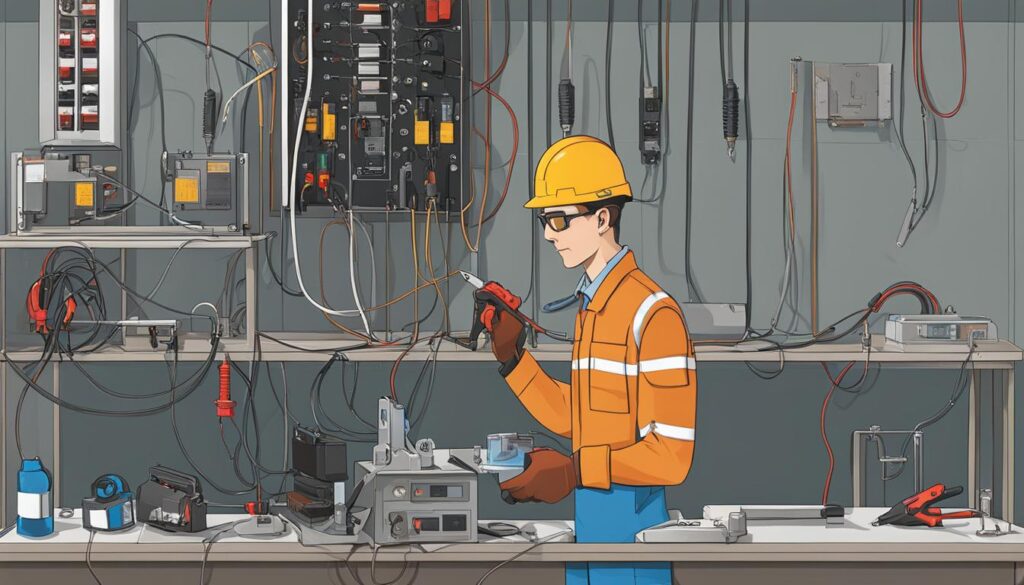
Before beginning any work, it is crucial to turn off the power at the circuit breaker to the area where you’ll be working. Obtain the necessary electrical permits and plan the circuit, from selecting the appropriate can lights to installing them. When handling tools, make sure to use the proper ones, like wire strippers, needle-nose pliers, and non-contact voltage testers, to ensure a safe and efficient process.
Importance of Using the Correct Safety Gear
Wearing the appropriate safety gear is vital when working with electricity. Protective gear, such as gloves, safety glasses, and closed-toe shoes, can help prevent electrical shocks and other injuries. Moreover, using tools specifically designed for electrical work, like wire strippers and voltage testers, can significantly decrease the risk of accidents and ensure a safer installation process.
How to Test for Live Wires
Even after turning off the power, it’s essential to test for live wires before beginning your work. A non-contact voltage tester is a simple and effective tool for identifying live wires without touching them. This safety measure is critical, as it helps prevent electrical shock and ensures the work environment is safe.
Tools and Materials Checklist
Before beginning the installation of recessed lighting, it’s essential to gather all the tools and materials required for a successful project. This checklist will help ensure you have everything needed for wiring the wiring diagram for recessed lighting and installing recessed lighting properly.
- Wire strippers
- Needle-nose pliers
- Utility knife
- Screwdriver
- Linemen’s pliers
- Hammer
- Non-contact voltage tester
Alongside these tools, you’ll need essential materials for connecting and securing the wires, such as:
- Wire caps
- Electrical tape
Having the proper tools and materials is crucial for a seamless and efficient installation process, ensuring the connection and wiring of the recessed lighting wiring diagram in accordance with the National Electric Code.
Planning Your Recessed Lighting Project
Before embarking on your recessed lighting installation, it is essential to carefully plan the layout, calculate the total load your circuit can handle, and select the correct type and size of recessed light fixtures. This ensures optimized illumination, efficient energy consumption, and adherence to safety standards.
Creating a Lighting Layout for Optimal Illumination
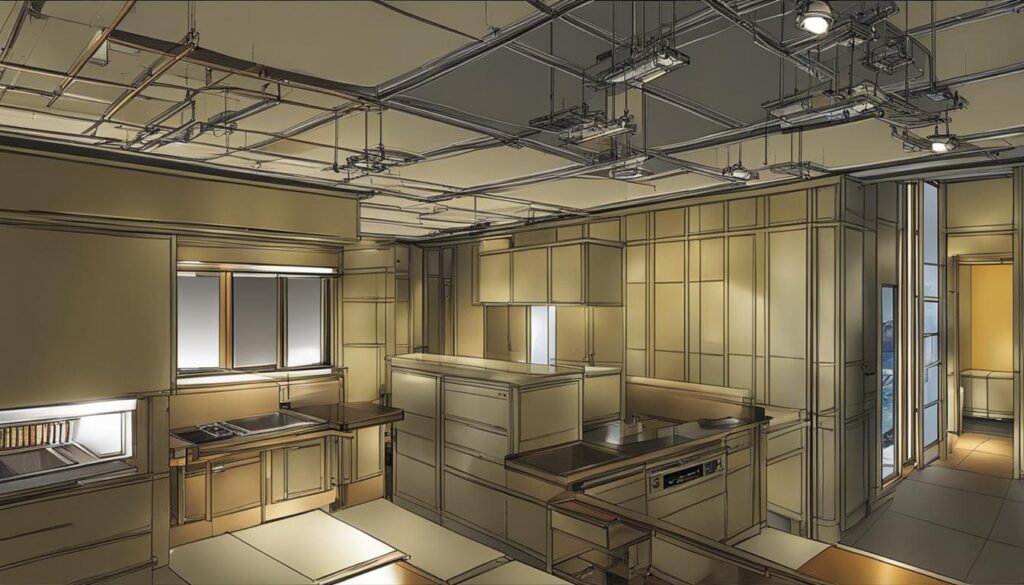
To achieve optimal illumination, start by identifying the areas you want to light up and the number of light fixtures required. Next, map out a detailed plan for fixture locations to ensure even light distribution. Keep in mind spacing guidelines, such as maintaining a distance of 2 feet from walls and 6 feet between each fixture, for balanced lighting.
Calculating the Total Load of Your Recessed Lighting Circuit
It is crucial to be mindful of circuit loading and wattage limits when wiring your recessed lights. Calculate the total wattage of all your light fixtures combined to ensure the circuit can handle the load with ease. Remember that a 15 amp circuit can theoretically support fourteen 100 watt lights, but it is advised to keep a buffer by using only 80% of the circuit’s total capacity.
Selecting the Correct Type and Size of Recessed Light Fixtures
Several factors play a significant role in choosing the right type and size of recessed light fixtures, such as old vs. new work cans, and IC (insulation contact) vs. non-IC rated cans. Making an informed decision based on your installation area and insulation requirements will contribute to a seamless and efficient lighting project.
Understanding Your Home’s Electrical Circuitry
When planning to wire recessed lights, understanding your home’s existing electrical system is paramount. This knowledge includes how circuits are configured, the wattage limits of each one, and how to avoid overloading them with new installations.
Identifying where your power sources are located helps you make sound decisions on which circuit to use and how to select the correct gauge wire. These steps are essential for successfully wiring recessed lights and preventing potential hazards.
To simplify this process, here’s a quick guide on what to look for:
- Number of circuits in your electrical panel
- Amperage rating of each circuit
- Total wattage supported by each circuit
- Wattage of current electrical devices on each circuit
- Available space for new devices on each circuit
It’s crucial to calculate the total load of your recessed lighting project and ensure your chosen circuit can handle it. Overloading a circuit may lead to short circuits, tripped breakers, or electrical fires.
Tip: The National Electrical Code (NEC) recommends that circuits should never be loaded more than 80% of their maximum capacity.
To help you make informed decisions, here’s a table displaying common wire gauges and the corresponding amperage they can handle:
| Wire Gauge (AWG) | Maximum Amperage |
|---|---|
| 14 | 15 Amps |
| 12 | 20 Amps |
| 10 | 30 Amps |
| 8 | 40 Amps |
| 6 | 55 Amps |
Armed with this knowledge, you’re now better equipped to tackle your recessed lighting wiring diagram while keeping the integrity of your home’s electrical circuitry intact.
Step-by-Step Guide: Cutting Holes for Recessed Lighting
Installing recessed lighting requires meticulous attention to detail in cutting the holes for your light fixtures. By following these practical steps, you can ensure a neat and secure installation for your recessed lights while reducing the risk of damage to your ceiling.
Choosing the Right Locations for Each Light Fixture
Finding the ideal location for each recessed light fixture is crucial. Utilize a stud finder to determine the position of joists in your ceiling. Knowing where the joists are located will help you avoid structural obstacles when installing your fixtures. Next, use the provided templates to visualize and mark the exact placement of each fixture. This approach will ensure that your lighting arrangement is not only aesthetically pleasing but also functional.
Using Templates and Marking Ceiling Cutouts
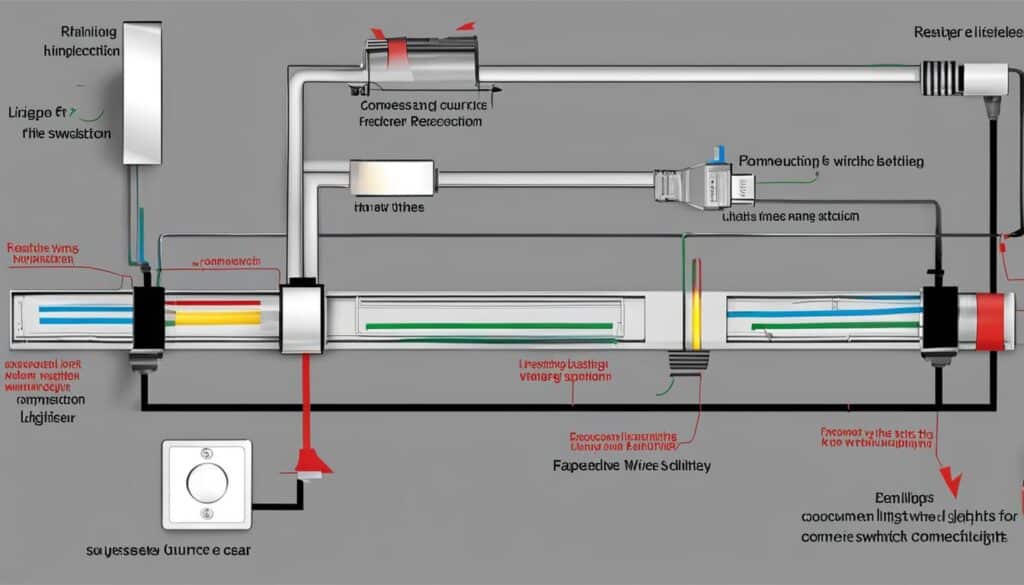
Once you’ve identified the positions for your light fixtures, use the templates provided by the manufacturer as a guide to trace a precise outline for each recessed light on your ceiling. Accurate markings are essential for ensuring a proper fit of the light cans and a tidy installation.
How to Cut Drywall Without Damaging Your Ceiling
When making cutouts for your recessed lighting, it’s essential to use the right tools and techniques to avoid damaging your ceiling. Keyhole saws and rotary tools are highly effective in cutting through drywall with precision. Begin by drilling a pilot hole in the center of each marked area, then follow the outline with your cutting tool. Work slowly and carefully to preserve the integrity of your ceiling’s structure and to achieve the cleanest possible cuts.
By taking these steps to wire recessed lighting and using an accurate diagram for wiring recessed lights, you can achieve a seamless and professional installation. Your careful attention to detail will be rewarded with a beautiful and functional lighting system that enhances the ambiance of your home.
How to Wire Recessed Lighting Diagram
Wiring recessed lighting involves careful planning and attention to detail. Following an organized approach beginning with the last light fixture and working backward ensures safety and efficiency. The wiring diagram provided below demonstrates a seamless electrical flow from one recessed can to another.
| Step | Description |
|---|---|
| 1 | Identify the electrical access points in the area where you’re installing the recessed lights and map them on a wiring diagram for recessed lighting. |
| 2 | Start from the last light fixture and work your way back, connecting recessed lights serially (through the circuit). |
| 3 | Employ wire strippers to prepare the wires, removing insulation carefully to not damage the metal wires inside. |
| 4 | Using proper connectors, attach wires to corresponding wires in the electrical system – black to black (hot), white to white (neutral), and bare/green to bare/green (ground). |
| 5 | Secure wire connections with wire nuts or connectors designed for the specific wire gauge. |
| 6 | Repeat the process for the remaining recessed lights, making sure each light fixture is properly connected in a series. |
It’s essential to understand each aspect of the electrical diagram for recessed lights to ensure a smooth installation process and flawless functionality. Keep in mind power limitations and adhere to circuit loading requirements when planning your installation. By following these wiring steps, you’ll create an efficient and safe lighting system in your home.
Connecting the Wires
When installing recessed lighting, correctly connecting the wires is crucial for both safety and functionality. It involves attaching wires to recessed light fixtures, wiring them in series, and securing wire connections with wire nuts to maintain a proper electrical load within the circuit and achieve uniform lighting.
Attaching Wires to Recessed Light Fixtures
Each recessed light fixture features either push-wire connectors or wire nuts to ensure connections are secure. It’s essential to connect the wires correctly by attaching black to black (hot), white to white (neutral), and bare/green to bare/green (ground) wires. This helps in keeping the wiring organized, ensuring seamless performance of the lights, and adhering to electrical codes.
Wiring Recessed Lights in Series
Properly spacing and wiring recessed lights in series is vital to maintain electrical load within the circuit while achieving uniform lighting. It may involve running wires from the first light fixture to the second and so on, connecting them in a chain. This technique not only saves on wire but also minimizes power loss through the circuit, ensuring optimal performance from the installed lighting.
Securing Wire Connections With Wire Nuts
For recessed lighting installation, always use wire nuts to secure wire connections, as they play a crucial role in preventing loose connections that could generate heat or sparks, posing hazards such as short circuits and fires. To achieve secure connections, remove insulation from the ends of the wires, twist them together, and then place a wire nut over the twisted end. This simple yet effective measure can eliminate potential safety risks while enhancing the longevity and performance of your recessed lighting.
FAQ
What is recessed lighting and why is it popular in home décor?
Recessed lighting is a type of lighting fixture installed directly into the ceiling, providing a flush or nearly flush appearance. It is popular in home décor because of its sleek, modern look and its ability to provide soft, indirect illumination that contributes to a welcoming atmosphere.
Why is proper wiring important for recessed lighting performance and safety?
Proper wiring ensures that recessed lighting functions efficiently and safely. It helps prevent hazards such as short circuits or fires caused by incorrectly installed electrical components.
What safety precautions should I take before beginning a recessed lighting installation project?
Before starting any electrical work, obtain the appropriate permits and turn off power to the area. Use a non-contact voltage tester to ensure the circuit is not live. Wear proper safety gear like safety glasses, gloves and a dust mask. Also, make sure to use the correct tools for the job, such as wire strippers, needle-nose pliers, and a non-contact voltage tester.
How do I create a layout for optimal illumination with recessed lighting?
Start by identifying the areas you want to illuminate, and determine how many light fixtures are required. Use a detailed plan to establish the location of each recessed light fixture, ensuring even distribution of light throughout the space.
Which electrical factors should I consider when wiring recessed lighting?
Factors to consider include the circuit’s amperage, the gauge of wire needed, and adherence to the National Electric Code. Calculate the total wattage of the lighting to ensure the circuit can handle the load. A 15-amp circuit can theoretically support fourteen 100-watt lights.
How do I choose the right type and size of recessed light fixtures?
Factors such as old vs. new work cans, and IC vs. non-IC rated cans, play a significant role in fixture selection. Choose fixtures that comply with your specific installation area and insulation requirements.
What is the correct way to connect wires for recessed light fixtures?
Each recessed light fixture will have push-wire connectors or wire nuts. Ensure black to black (hot), white to white (neutral), and bare/green to bare/green (ground) wires are connected correctly. Secure the connections with wire nuts to prevent loose connections that could generate heat or sparks, posing a potential hazard.








Vivian Combs
Who needs recessed lighting when you can just rely on good old lamps? #OldSchool