


Installing low voltage lighting has never been easier, thanks to this step-by-step guide. With these simple instructions, you can enhance your home’s ambiance with a professional-looking setup that highlights the best features of your outdoor space. Whether you are new to DIY projects or a seasoned pro, this guide will walk you through how to install low voltage lighting and create the perfect atmosphere for your home.
Key Takeaways:
- Low voltage lighting systems are safe, energy-efficient, and easy to install.
- Proper planning is crucial for a successful DIY low voltage lighting installation.
- The installation process involves defining a layout, choosing a transformer, wiring the system, and setting up the fixtures.
- Effectively managing and connecting wires ensures a reliable and sustainable lighting solution.
- A thorough system check is necessary after installation to identify and troubleshoot any potential issues.
- Experimenting with creative lighting effects can further enhance your outdoor ambiance.
- The final step involves reviewing the entire installation to ensure a beautifully illuminated home exterior.
Understanding the Basics of Low Voltage Lighting
Low voltage lighting represents a safe, energy-efficient, and visually appealing way to illuminate your outdoor areas. To understand the significance of these systems, we need to explore their definition and the numerous benefits they offer over traditional lighting options.
Defining Low Voltage Lighting
Low voltage lighting refers to systems that use a transformer to decrease regular household voltage (typically 120 volts) to a lower, safer level, usually 12 or 24 volts. The reduced voltage in these systems makes them an ideal choice for the low voltage outdoor lighting installation projects, where safety and energy efficiency are paramount concerns.
The Benefits of Choosing Low Voltage Systems
Opting for low voltage lighting installation offers numerous advantages over traditional lighting arrangements, making them a popular choice for landscape illumination. Some of these benefits include:
- Safety: Lower voltage means reduced risks, especially in wet conditions. Their safe operation provides added peace of mind for homeowners.
- Energy efficiency: The low voltage lighting installation process results in systems that consume significantly less energy than their high voltage counterparts, leading to cost savings in the long run.
- Ease of installation: Low voltage lights do not have polarity concerns, simplifying the installation process. The absence of specialized wiring requirements also contributes to a more straightforward installation process.
- Design flexibility: The various fixture and lighting options available in low voltage systems give homeowners endless possibilities to achieve the desired visual effect.
In conclusion, the superior advantages of low voltage landscape lighting make them a popular choice for homeowners looking to enhance their outdoor spaces while ensuring safety and cost-effectiveness. By understanding the fundamentals of these lighting systems, you’ll be better equipped to make informed decisions when planning your next outdoor lighting project.
Preparing for Your DIY Low Voltage Lighting Installation
Proper preparation is essential for any DIY low voltage lighting project. By following some helpful tips for installing low voltage lighting, planning in advance will save you time and effort during your low voltage lighting installation, ensuring a stunning and functional outdoor space. This low voltage lighting installation guide will walk you through the vital steps in outdoor lighting preparation.
- Construct a layout plan: Begin by identifying the key areas you want to illuminate and sketch a rough design indicating the placement of light fixtures. This plan will help you determine the type and number of lights needed, as well as the route to lay your cables.
- Select a suitable installation site: Choose an area with minimal obstructions and easy access for your lighting fixtures. Be mindful of any potential hazards, such as water features or high-traffic zones.
- Ensure the presence of an outdoor outlet: Check for a nearby GFCI-protected electrical outlet to connect your transformer. If there isn’t one available, consider having a licensed electrician install one for you.
- Contemplate specific lighting needs and design preferences: Consider the purpose of your outdoor lighting. Are you aiming for security, ambiance, or both? Determine whether you prefer a warm, soft glow or a more dramatic effect, and choose your fixtures accordingly.
Familiarizing yourself with these critical aspects of DIY low voltage outdoor lighting setup will simplify the installation process and ensure a successful outcome. With a well-executed plan in place, you’ll be ready to create a beautifully illuminated outdoor space that elevates your home’s atmosphere.

How to Install Low Voltage Lighting
Installing low voltage lighting can be a rewarding DIY project, but it requires careful planning and execution. Here is a step-by-step guide on how to successfully install low voltage lighting in your outdoor space:
- Define a Layout: Begin by sketching a layout of your outdoor area, marking the locations where you plan to install your fixtures. Keep in mind your aesthetic goals as well as the practical considerations such as safety and visibility of walking paths.
- Choose a Transformer: Select a transformer with the appropriate wattage for your system, ensuring it can handle the power requirements of the sum of the wattage of your fixtures.
- Wire the System: Connect the fixtures to the transformer using the appropriate gauge of wiring, and make secure connections using suitable connectors. Establish connections by wiring the fixtures together in a daisy chain or using a hub system.
- Set Up Fixtures: Finally, install the light fixtures by mounting them securely according to your layout plan, and adjust their angles to achieve the desired lighting effect.
Follow these low voltage lighting installation tips to make the most of your DIY outdoor low voltage lighting project. As you work through each step, keep in mind the overall goal of your outdoor lighting system: to create a beautiful and inviting ambiance that complements your landscape and enhances your home.
Next, we’ll cover the essential tools and materials you need for a successful low voltage lighting installation.
Gathering Your Tools and Materials
To ensure a seamless low voltage lighting installation, having the right tools and materials on hand is crucial. In this section, we will discuss essential low voltage installation tools and how to select the best outdoor lighting project materials to achieve your desired results.

Essential Tools for the Job
Before embarking on your low voltage lighting project, gather the following essential tools:
- Wire strippers – A vital tool for stripping insulation from the electrical wires.
- Digital voltage meter – Used to measure voltage levels and ensure proper functioning.
- Screwdriver set – Necessary for fastening screws and securing fixtures.
- Utility knife – Useful for cutting and stripping wires and cables.
- Hammer and stakes – Required for anchoring wire runs and marking fixture locations.
- Wire connectors – Essential for joining and securing wires together.
Choosing the Right Materials for Outdoor Applications
When selecting low voltage lighting materials, keep these considerations in mind:
- Wiring: Choose the appropriate gauge of wire to handle the electrical load and comply with safety standards. Heavier gauges (lower numbers) can handle more wattage, while lighter gauges (higher numbers) are suited for shorter, low-wattage runs.
- Connectors: Opt for high-quality, weather-resistant connectors that secure wiring connections and prevent moisture intrusion.
- Fixtures: Select durable fixtures designed for outdoor use, made from materials resistant to rust and corrosion, such as stainless steel, copper, or brass.
- Light bulbs: Use energy-efficient LED bulbs that withstand weather fluctuations and provide long-lasting illumination.
- Transformer: Acquire a transformer with adequate wattage capacity to accommodate your lighting setup and match the total system load for optimum performance.
By assembling these essential low voltage installation tools and outdoor lighting project materials, you’ll be well-equipped to create a stunning, functional low voltage lighting system for your outdoor space.
Creating a Layout Plan for Your Low Voltage Outdoor Lighting
Designing a thoughtful low voltage lighting layout design is the foundation of any low voltage outdoor lighting project. It is essential in planning low voltage outdoor lighting to ensure that the illumination is both functional and aesthetically pleasing. To achieve this, proper placement of fixtures based on landscape features is necessary, along with creating an efficient wiring strategy that mitigates voltage drops throughout the lighting system.
The essential steps for designing an outdoor low voltage lighting system include:
- Considering the primary purpose of the lighting: security, accent, or task lighting.
- Preparing a sketch of the landscape and pinpointing areas that require illumination.
- Specifying the types of light fixtures best suited for each area, taking into account their function and intensity.
- Selecting a transformer that can accommodate the total wattage of the lighting system.
- Determining the layout of wires, considering the most efficient route for power delivery.
In the process of outdoor lighting layout planning, it is crucial to strike a balance between functional requirements and aesthetic appeal. Placing fixtures too close together might create overwhelming brightness, while spacing them too far apart leaves unlit gaps that detract from the overall impact.
Pro tip: To envision the layout plan and make necessary adjustments before installation, use small flashlights or LED tea lights to simulate fixture positions.
Considering these factors when crafting the layout plan will ensure that your low voltage outdoor lighting not only enhances the security but also the overall ambiance of your outdoor space.
Installing the Transformer for Optimal Performance
The effectiveness of your low voltage lighting system heavily relies on installing the right transformer. This crucial task involves choosing a transformer with adequate wattage and desired features like photocells or timers, as well as positioning it in a location that supports your system’s design and functionality.

Selecting a Suitable Transformer
When choosing a low voltage lighting transformer, consider the total wattage required for your system. This can be determined by adding up the wattage of all the lights in your low voltage setup. It’s advisable to choose a transformer with slightly higher wattage capacity than your calculated requirement, ensuring the transformer isn’t working at its maximum capacity.
Additionally, features like photocells and timers can facilitate automated operation and promote energy conservation. Photocells enable the lights to turn on/off based on ambient light levels, while timers provide flexibility in creating a lighting schedule according to your preferences.
Step-by-Step Process for Transformer Installation
After selecting the right transformer, here are the installation steps for a successful low voltage system transformer setup:
- Choose a location: Pick a dry, safe location for your transformer, ideally close to an outdoor outlet and within proximity of your low voltage system. For an organized appearance and easier maintenance, keep the transformer off the ground using a mounting bracket or similar support.
- Mount the transformer: Secure the transformer to a wall, fence, or post using the necessary screws or fasteners, following the manufacturer’s recommendations. Ensure it is level and tightly fastened, providing a stable setup.
- Connect to the electrical source: Run an appropriate outdoor-grade extension cord from the transformer’s AC input to the outdoor outlet. Make sure the cord is protected from any potential damage, and consider using a weatherproof cover for the outlet connection.
- Make low voltage connections: After installing your low voltage cables and fixtures, connect the wires to the corresponding terminals on the transformer. Making sure the system is properly grounded, connect the load (lighting) wires to the 12V or 24V output terminals, based on your system’s configuration.
- Test the system: With everything in place, turn on the breaker or flip the switch (depending on the transformer model) to power your low voltage system. Observe the illumination and ensure it aligns with your expectations. Make adjustments if needed, and don’t forget to configure any timers or photocells, if applicable.
By adhering to a precise low voltage lighting transformer installation process and being attentive to details, you can enhance the overall performance of your outdoor lighting system and enjoy a captivating ambiance in your outdoor spaces.
Electrical Wiring Best Practices for Installing Low Voltage Lighting
For a successful low voltage lighting installation, it is crucial to understand the importance of wire gauges and connections, as well as the best practices for efficient power delivery and effective cable management. By adhering to these guidelines, you can ensure a reliable and sustainable lighting solution for your outdoor space.
Understanding Wire Gauges and Connections
Low voltage lighting wire gauge plays a significant role in the efficiency of your installation. A higher gauge (thinner) wire is suitable for shorter distances, while a lower gauge (thicker) wire can carry electrical current over longer distances without significant voltage drop. To help you choose the appropriate wire gauge, refer to the table below:
| Wire Gauge | Maximum Distance (ft) | Recommended Wattage |
|---|---|---|
| 12 AWG | 200 ft | 180 watts |
| 14 AWG | 100 ft | 120 watts |
| 16 AWG | 50 ft | 80 watts |
When it comes to low voltage lighting wire connections, it’s essential to use weatherproof connectors designed for outdoor use. The most common type of connector is the twist-on wire connector, which offers a quick and secure connection.
Strategies for Effective Cable Management
Cable management for outdoor lighting is vital to ensure a neat, organized, and safe installation. Here are some expert tips to manage cables effectively:
- Choose a cable layout: Plan a cable route that follows the contours of your landscape and minimizes the number of exposed wires.
- Use conduit or bury cables: For added protection, run your cables through conduit or bury them at least 6 inches below the ground level, especially in high traffic areas.
- Secure cables: Use cable clips or ties to organize and fix cables in place. Avoid over-tightening, as this can damage the wire insulation.
- Label connections: Label wires at connection points to make troubleshooting and future expansions easier.
By implementing proper wire gauges, secure connections, and effective cable management techniques, you can significantly improve the efficiency and longevity of your low voltage lighting system.
Setting Up Your Lighting Fixtures
Once you have successfully installed your transformer and completed the electrical wiring process, it’s time to focus on installing low voltage lighting fixtures. Properly setting up outdoor lighting fixtures requires precision and attention to detail, ensuring that each light is strategically positioned and securely mounted to create the desired lighting effect and highlight landscape features.
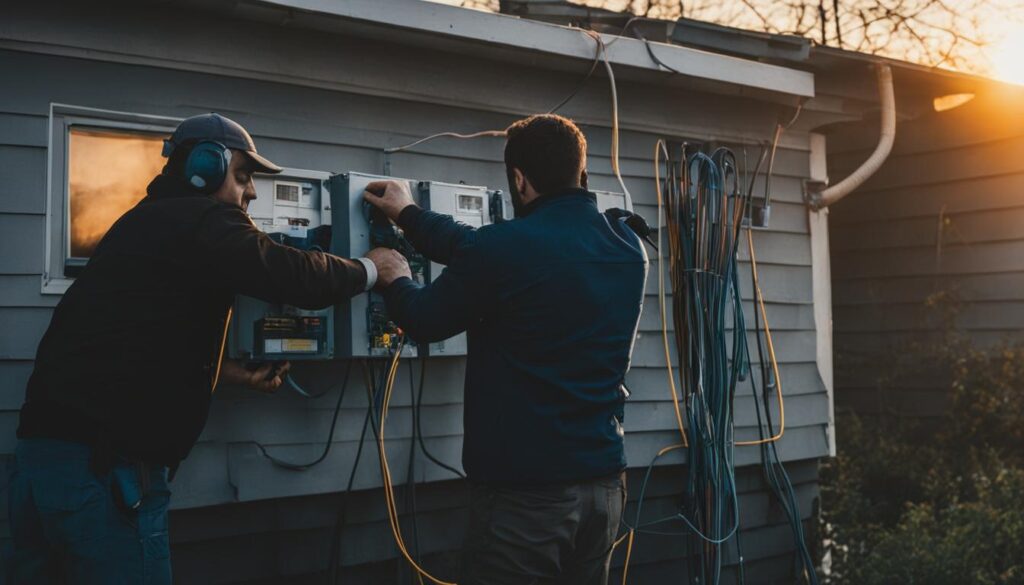
Before you assemble low voltage lighting, examine your layout plan to determine the optimum placement for each fixture. Factors to consider include the type of light fixture, its purpose (e.g., path lighting, accent lighting, etc.), and how its beam will interact with surrounding elements, such as plants, structures, and architectural features.
Now, let’s dive into the essential steps involved in the outdoor light fixture installation process:
- Mark the locations: Using your layout plan as a reference, mark the exact spots where each fixture will be placed. Ensure that you maintain a balanced distribution of lights for optimal illumination.
- Assemble the fixtures: Carefully assemble each fixture according to the manufacturer’s instructions, paying close attention to any specific angles or adjustments required for your desired lighting effect.
- Mount the fixtures: Securely mount each fixture to its designated location, whether it be in the ground, on a wall, or attached to a structure. Ensure that each fixture is stable and well-supported.
- Connect the wires: Finally, connect each fixture’s wires to the main cable, utilizing proper connectors and following the guidelines established during the wiring process.
Once all fixtures are installed, take a step back and examine your work, adjusting any angles or positions as necessary to achieve the desired lighting effect.
Remember: The key to a successful outdoor light fixture installation lies in meticulous planning, precise execution, and a keen eye for detail. By following these steps, you’ll be well on your way to creating a beautifully illuminated outdoor space that showcases your landscape’s unique features and enhances the overall ambiance of your home.
Testing and Troubleshooting Your Installation
Once you’ve installed your low voltage outdoor lighting system, it’s essential to conduct thorough testing and troubleshooting to ensure optimal performance. This process will help you identify any potential issues and resolve them in a timely manner, guaranteeing a seamless and efficient lighting setup.
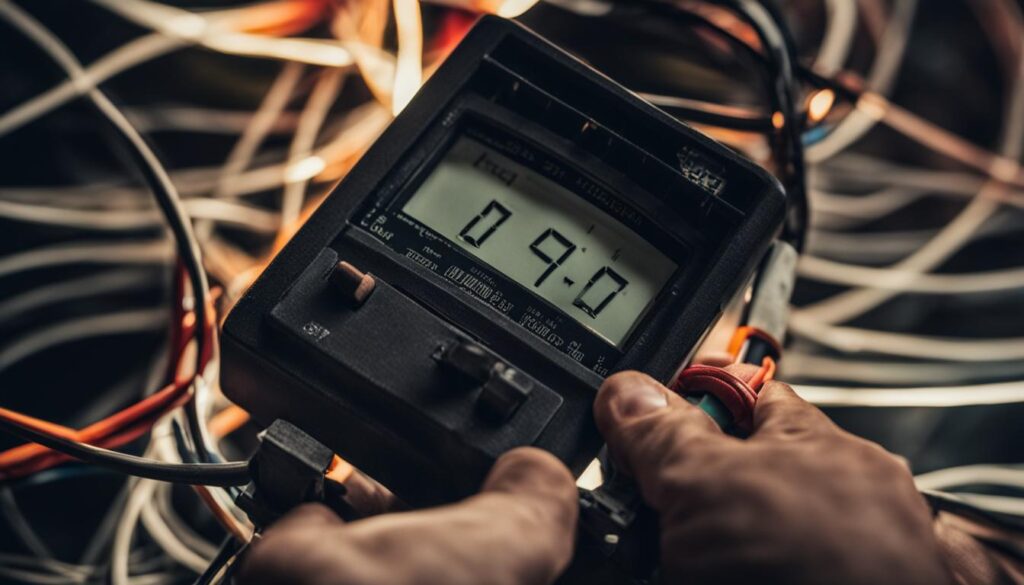
Conducting a Thorough System Check
Performing a comprehensive system check is crucial for validating your low voltage lighting installation. This involves testing each light fixture, verifying that they function at the correct voltage level—typically between 10.5 and 12 volts. Utilize a digital voltage meter for these measurements and confirm that all connections are secure and properly fastened.
Addressing Common Low Voltage Lighting Issues
While troubleshooting low voltage lighting, you may encounter several common problems, such as minor voltage discrepancies or bad connections. Resolving these issues can be streamlined by assessing individual fixtures and making necessary adjustments.
To further aid you in identifying and fixing common low voltage lighting problems, consider the following table:
| Problem | Possible Cause | Solution |
|---|---|---|
| Dim or flickering lights | Insufficient voltage or poor connections | Check connections and adjust voltage using the transformer |
| Non-functioning light | Burned-out bulb or loose connection | Replace the bulb or secure the connection |
| Overheating transformer | Excessive wattage load or inadequate ventilation | Reduce wattage load or improve ventilation |
| Voltage drops over distance | Undersized wires or too many fixtures on a single run | Use a larger gauge wire or redistribute fixtures |
By proactively testing and troubleshooting your low voltage outdoor lighting installation, you can ensure optimal performance and longevity, ultimately enhancing the beauty and ambiance of your outdoor space.
Add a Touch of Creativity with Special Lighting Effects
Integrating creative low voltage lighting effects into your outdoor spaces can transform a standard setup into a truly artistic display. Various techniques have emerged within the realm of special low voltage outdoor lighting design that can offer an unparalleled visual impact.
One such example is moonlighting, an artistic low voltage lighting technique that involves positioning lights high above the ground to create natural shadow patterns, mimicking the effect of moonlight filtering through branches. This stunning visual display lends a touch of creativity and drama to your outdoor spaces.

Apart from moonlighting, several other fascinating lighting effects can be employed to elevate the appeal of your low voltage outdoor lighting. Some popular options include:
- Uplighting – Involves fixture placement at ground level, with lights angling upwards to highlight trees, architectural features, or other vertical elements in the landscape.
- Downlighting – Fixtures are mounted above eye level, casting light downwards to create soft, diffuse pools of light and the illusion of natural shadow play.
- Cross-lighting – Two or more fixtures are strategically placed to illuminate an object or area from various angles, eliminating harsh shadows and delivering a balanced visual effect.
- Grazing – A technique used to accentuate textural elements on surfaces, such as brick or stone walls, by positioning a light source close to the surface and angling it towards the feature.
Enhancing low voltage lighting with effects not only adds visual drama to your outdoor spaces but also helps in creating focal points, defining boundaries, and subtly guiding visitors through the landscape.
By implementing these creative lighting techniques, you can instantly transform your low voltage outdoor lighting into a remarkable artistic display that elevates the aesthetic appeal of your outdoor space and provides a captivating ambiance for your enjoyment.
Conclusion
As we’ve seen in this guide, finalizing low voltage lighting installation involves careful planning, the right tools and materials, and attention to detail in each step of the process. Successfully completing a DIY low voltage lighting project not only boosts the safety and visual appeal of your outdoor space but also enhances your home’s overall ambiance.
In concluding your outdoor low voltage lighting project, remember to thoroughly review all aspects of your installation, such as the layout design, proper transformer and wiring connections, and optimal fixture placement. This diligence will pay off in the form of a reliably functioning and visually stunning lighting solution.
As you take these final steps in your low voltage lighting setup, you’ll be rewarded with an outdoor space that is beautifully illuminated and inviting, creating a perfect backdrop for spending quality time with friends and family. So, go ahead and embark on your low voltage lighting journey to transform your landscape into a memorable and appealing haven.
FAQ
What is low voltage lighting?
Low voltage lighting refers to systems that utilize a transformer to decrease the standard household voltage to a safer, lower level, typically 12 or 24 volts.
What are the benefits of choosing low voltage lighting systems?
Benefits of low voltage lighting include safety in wet conditions, increased energy efficiency, and ease of installation due to the absence of polarity concerns.
How can I prepare for my DIY low voltage lighting installation?
Preparing for your DIY low voltage lighting installation involves constructing a layout plan, selecting a suitable installation site, ensuring the presence of an outdoor outlet, and considering your specific lighting needs and design preferences.
What tools and materials are necessary for low voltage lighting installation?
Essential tools include wire strippers and a digital voltage meter. Choosing durable materials such as the appropriate gauge of wiring, connectors, and suitable outdoor fixtures is crucial.
How do I create a layout plan for my low voltage outdoor lighting?
Creating a layout plan involves mapping out the location of fixtures based on the landscape features and creating an efficient wiring strategy that mitigates voltage drops throughout the system.
What is the process for installing a transformer in a low voltage lighting system?
The process for installing a transformer includes selecting one with adequate wattage and desirable features such as photocells or timers, and physically setting it up in a location that supports the overall design and functionality of the system.
What are some best practices for electrical wiring in low voltage lighting installations?
Best practices include understanding the importance of wire gauges and connections, choosing the right gauge for efficient power delivery, and implementing effective cable management techniques.
How do I set up my lighting fixtures properly?
Properly setting up lighting fixtures requires precise positioning and secure mounting to achieve the intended lighting effect. Pay attention to the placement and angling of each fixture to highlight landscape features and maintain aesthetic appeal.
How can I test and troubleshoot my low voltage lighting installation?
Conduct a thorough system check to ensure each light functions at the correct voltage level, and address common issues like minor voltage discrepancies or bad connections by testing individual fixtures and making adjustments as necessary.
What are some special lighting effects I can use to enhance my low voltage lighting setup?
Techniques like moonlighting, which involves positioning lights high above the ground to create natural shadow patterns, can introduce a touch of creativity and drama to your outdoor space.








Maia Orozco
Wow, I never knew low voltage lighting could be so easy to install! Mind-blowing!