


Changing a bulb in track lighting might seem intimidating at first, but with the right knowledge and preparation, it’s a simple and straightforward task. In this guide, I’ll take you through the key steps in efficiently and safely replacing your track lighting bulbs. Whether you’re dealing with LED, incandescent, or halogen bulbs, understanding the ins and outs of track lighting maintenance is crucial. So, let’s dive into the world of DIY bulb replacement for track lighting!
Key Takeaways
- Understand the different types of track lighting systems and bulb models.
- Always prioritize safety when changing bulbs in track lighting, such as turning off power and allowing bulbs to cool before removal.
- Choose the right replacement bulb based on wattage, shape, and compatibility with your track lighting fixture.
- Follow a step-by-step guide for removing and installing bulbs in track lighting systems.
- Consider upgrading to energy-efficient LED bulbs for long-term savings and improved lighting quality.
Preparation is Key: Understanding Track Lighting Basics
Before tackling your track lighting bulb replacement, it is essential to grasp the fundamentals of track lighting, as well as the various systems and bulb types. This knowledge serves as a solid foundation for a smooth and safe track lighting bulb change. In this section, we will discuss different types of track lighting systems, various bulb models, and the importance of safety while replacing bulbs.
Types of Track Lighting Systems
Track lighting systems come in various styles and designs, with the most common types being linear, monorail, cable, and flexible track systems. Each of these systems has its unique features, installation methods, and compatibility with specific bulbs. Familiarize yourself with your track lighting system to determine the appropriate tips for changing bulbs in track lighting according to your setup.
Recognizing Different Bulb Models
There are several types of bulbs commonly used in track lighting systems, including LED, incandescent, and halogen bulbs. Each bulb model has distinct features, benefits, and removal methods. For instance, LED bulbs are energy-efficient and long-lasting, while halogen bulbs produce bright and warm light but are relatively less energy-efficient. Properly identifying the bulb model is crucial to ensuring a smooth track lighting bulb change process.
The Importance of Safety in Bulb Replacement
Safety is paramount during track lighting bulb replacement. Understanding the specific removal methods for your bulb model and the precautions to be taken while handling the different bulb types will help prevent accidents and injuries. Always make sure to turn off the power and allow the bulbs to cool before attempting to remove them. With the proper knowledge and preparation, your track lighting maintenance will be hassle-free and safe.
The Precautionary Steps Before Starting
Before you dive into the process of replacing bulbs in track lighting, it’s crucial to take some precautionary measures. Ensuring the power is off and waiting for the bulbs to cool down are two essential steps that will keep you safe throughout the task. Follow this step-by-step guide for changing track lighting bulbs to ensure a smooth and successful bulb replacement experience.

Ensuring Power is Off
First and foremost, make sure the power is turned off to the track lighting system before beginning. This not only eliminates the risk of electrical shock but also ensures the safety of your hands and the bulb itself. Turning off the power can either be done by switching off the circuit breaker or by simply turning off the switch in the room where the track lighting is installed. It’s better to be safe than sorry!
Waiting for Bulbs to Cool
After the power is off, it’s time to allow the bulbs to cool down. Incandescent and halogen bulbs can become extremely hot during operation, so waiting for them to cool down is essential for safe handling. Allow a waiting period of 5-10 minutes before trying to remove the bulb; this ensures it will be cool enough to handle without getting burned. On the other hand, LED bulbs have a lower operating temperature and cool down more rapidly, typically within a few minutes or less.
Now that you have taken the necessary precautions, you are ready to embark on the process of replacing bulbs in your track lighting fixture. By following this step-by-step guide for changing track lighting bulbs, you’ll be able to successfully and safely update your lighting system.
Identifying Your Track Lighting Configuration
When it comes to track lighting bulb installation, understanding your specific track lighting system is crucial. The presence of a fixture cover or accessibility of the bulb may determine whether the fixture needs to be detached from the track. There can be significant differences in the mechanisms of various track lighting systems, and knowing how your fixture is attached will help you carry out the change process efficiently.
Some systems have a rotating base that needs to be turned in order to dislodge the fixture, while others may require unscrewing to release the fixture. Familiarizing yourself with the design of your track lighting system will ensure you carry out the bulb replacement safely and effectively. Once you have identified the process for removing the fixture, you can move on to the actual track lighting bulb installation.
Pro Tip: Before beginning the bulb replacement process, it might be helpful to take a few pictures or notes on the current configuration to aid in reassembling the fixture after the new bulb has been installed.
How to Change a Bulb in Track Lighting
Changing a bulb in track lighting may seem challenging, but with the right knowledge on track lighting bulb maintenance and removal, it can be a simple DIY project. Following a step-by-step process ensures a safe and efficient bulb replacement.
Removing the Fixture from the Track (If Necessary)
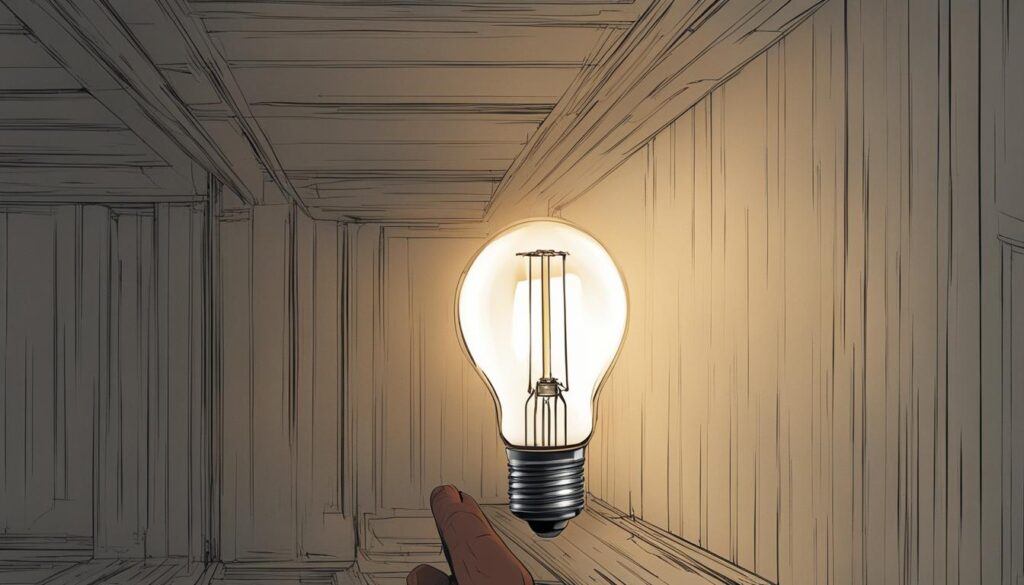
First, assess whether it is necessary to remove the fixture from the track to access the bulb. If so, rotate the base of the fixture and loosen any fastening elements such as screws or clips holding it in place. Gently extract the fixture from the track, taking care not to damage any components.
Learning the Correct Motion for Bulb Removal
Depending on the type of bulb being used, you may need to employ different methods to remove it from the fixture. Familiarize yourself with the specific bulb type and its removal process:
- Incandescent bulbs: Often found in older track lighting systems, these bulbs simply need to be unscrewed in a counter-clockwise direction.
- Halogen bulbs: Common in modern track lighting, halogen bulbs usually require a twist-and-lock motion. Turn the bulb counter-clockwise until it unlocks, and then pull it out.
- LED bulbs: These energy-efficient bulbs have varying base designs, so the removal method depends on the type of base. It may involve unscrewing, unplugging, or twist-and-lock motions similar to halogen bulbs.
Lastly, replace the old bulb with a new one, ensuring compatibility with the fixture. Reverse the removal process to install the new bulb, and then reattach the fixture to the track if necessary. Following these steps makes it easy to perform routine track lighting bulb maintenance and enjoy a well-lit home environment.
Selecting the Right Replacement Bulb
Choosing the right replacement bulb for your track lighting system is crucial to maintaining its functionality and efficiency. In this section, we will discuss how to select the most suitable bulb by understanding wattage compatibility and considering the benefits of energy-efficient options, like LED bulbs.
Understanding Wattage and Compatibility
When selecting a track lighting bulb replacement, it is essential to choose a bulb with the same wattage, shape, and base as the original. This ensures compatibility with the fixture and prevents potential damage to the system. Be sure to check the manufacturer’s guidelines or the markings on the original bulb to determine the appropriate wattage and base type for your specific track lighting model.
Benefits of Energy-Efficient Bulbs
Switching to energy-efficient bulbs like LED can provide several advantages for your track lighting system. These include:
- Lower energy consumption: Energy-efficient bulbs typically consume less power while generating the same amount of light, resulting in potential cost savings on electricity bills.
- Increased light output: LEDs often provide greater brightness while remaining within the fixture’s wattage limits, enhancing the overall illumination of your space.
- Longer lifespan: Energy-efficient bulbs tend to last significantly longer than traditional incandescent or halogen bulbs, reducing the need for frequent replacements and maintenance.
- Environmentally friendly: By consuming less energy and lasting longer, energy-efficient bulbs like LEDs help reduce overall environmental impact and promote sustainable practices.
Considering these benefits, it’s worth exploring energy-efficient options when choosing replacement bulbs for your track lighting system. Not only will you potentially save on energy costs, but you’ll also contribute to a more sustainable and eco-friendly home environment.
A Detailed Walkthrough: Installing the New Bulb
Now that you have successfully removed the old bulb, it’s time to install the new one. This step-by-step guide for changing track lighting bulb will help ensure you complete the track lighting bulb change correctly.
The first step is to align the base of the replacement bulb with the socket, making sure the pins or grooves are correctly positioned. When handling delicate bulbs like quartz halogen, remember to wear gloves to avoid premature failure caused by oils from your skin.

- Insert the base of the new bulb into the socket.
- Apply gentle pressure while turning or locking the bulb into position.
- For pin-based bulbs, ensure the pins align with the holes in the socket, then push the bulb in firmly.
- For screw-based bulbs, twist the bulb clockwise until it’s snug and secure.
- For twist-and-lock bulbs, insert the bulb into the socket and turn it clockwise until it locks into place.
Once the new bulb is securely installed, double-check that it is firmly in place and properly aligned with the fixture. Replace any covers or shields if needed, and ensure they are securely fastened.
Reassembling the Track Lighting Fixture
With the new bulb securely in place, it’s time to reassemble your track lighting fixture. This step is crucial in ensuring proper electrical contact and fixture stability, so precision is of the utmost importance. To make the process smoother, follow these guidelines on how to change a bulb in track lighting and complete the track lighting bulb installation accurately.
-
Realignment: Begin by aligning the fixture with the track system in the proper orientation. This ensures the fixture’s pins align with the track’s slots, making installation a breeze.
-
Insertion: Carefully slide the fixture back into the track, taking care not to force it or damage the newly installed bulb. You should feel the fixture locks into place when insertion is complete.
-
Securing: Depending on your track lighting system, you may need to tighten any screws or insert any pins that were removed during disassembly. This step ensures your fixture stays securely connected to the track.
By following these steps, you can successfully reassemble the track lighting fixture after changing the bulb. Remember to take your time and pay attention to the small details, as precision is crucial for a successful installation. Once you have successfully reassembled the fixture, you can move on to testing your work and enjoying your newly updated track lighting system.
Testing Your Work: Ensuring Proper Installation
After successfully installing the new bulb, it’s crucial to test the installation to ensure everything is working correctly. First, restore power to the track lighting system. If the bulb doesn’t light up, don’t panic; a few troubleshooting steps can help diagnose the issue. 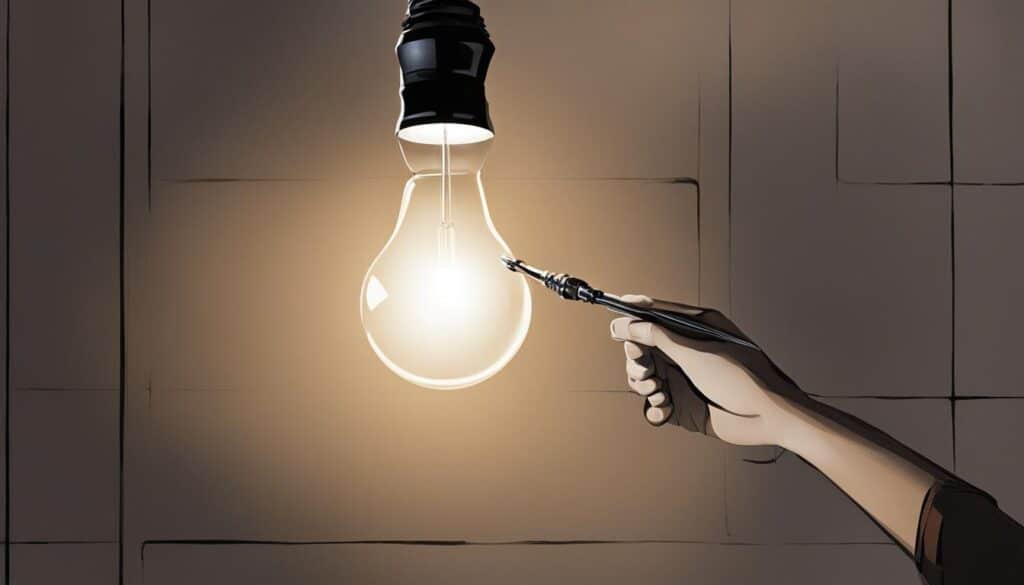
Begin by checking the bulb’s connection within the fixture and on the track. Make sure it is securely seated and aligned correctly. If necessary, turn off the power and remove the bulb to examine its base for any damage or issue.
- Ensure that the bulb is compatible with the fixture. Double-check its base, wattage, and shape.
- Inspect the fixture for any signs of damage or malfunction. A faulty socket might be causing the problem.
- Verify that the fixture is correctly attached to the track. An improper connection could interfere with the electrical current.
If the bulb still doesn’t light up after these troubleshooting steps, try re-inserting or replacing the bulb. It’s vital to remember that ensuring proper track lighting bulb installation is critical for the overall functionality of your track lighting system. With these tips for changing bulbs in track lighting, you can confidently perform DIY bulb replacements and keep your home’s lighting system in top shape.
| Common Issue | Possible Cause | Solution |
|---|---|---|
| Bulb not lighting up after installation | Incompatible bulb, faulty socket, or improper fixture attachment | Double-check compatibility, inspect socket and fixture, ensure proper connection |
| Flickering bulbs | Loose bulbs or poor connection on the track | Turn off the power, tighten the bulbs, and ensure proper fixture attachment |
| Short bulb lifespan | Incorrect wattage, high voltage, or poor quality bulbs | Use compatible bulbs, check the home’s voltage, and invest in quality replacement bulbs |
Track Lighting Bulb Maintenance and Care
Proper maintenance and care of your track lighting system can prolong its lifespan and ensure optimal performance. This section will cover the essentials of handling halogen and LED bulbs, as well as proper disposal and recycling practices to follow when replacing your bulbs.

Proper Handling of Halogen and LED Bulbs
Halogen bulbs are more sensitive than LED bulbs, so it’s essential to handle them with care. When replacing a halogen bulb, always use gloves or a clean cloth to prevent skin oils from causing premature failure. On the other hand, LED bulbs are more robust and can generally be handled with bare hands. Regardless of the type, it’s a good idea to hold bulbs by their base, not the glass, during a track lighting bulb change to minimize the risk of breakage.
Disposal and Recycling Best Practices
When it comes to disposing of old bulbs, understanding local guidelines is crucial. Compact fluorescent lights (CFLs) contain small amounts of mercury and should never be thrown in the trash – instead, recycle them at designated recycling centers. Incandescent and standard LED bulbs, on the other hand, are typically considered non-hazardous waste and can be disposed of in your household trash.
In conclusion, proper track lighting bulb maintenance and care, combined with knowledge of DIY bulb replacement for track lighting, can help ensure your lighting system operates at peak efficiency and looks its best. Paying attention to proper handling techniques, as well as following local waste disposal guidelines, will contribute to a safe and environmentally friendly home.
Real-World Energy Savings: Upgrading to LED
Substantial energy savings can be achieved by transitioning from halogen bulbs to LED alternatives in track lighting fixtures. LEDs consume significantly less energy, providing economic benefits and contributing to household energy efficiency, often with improved lighting quality.
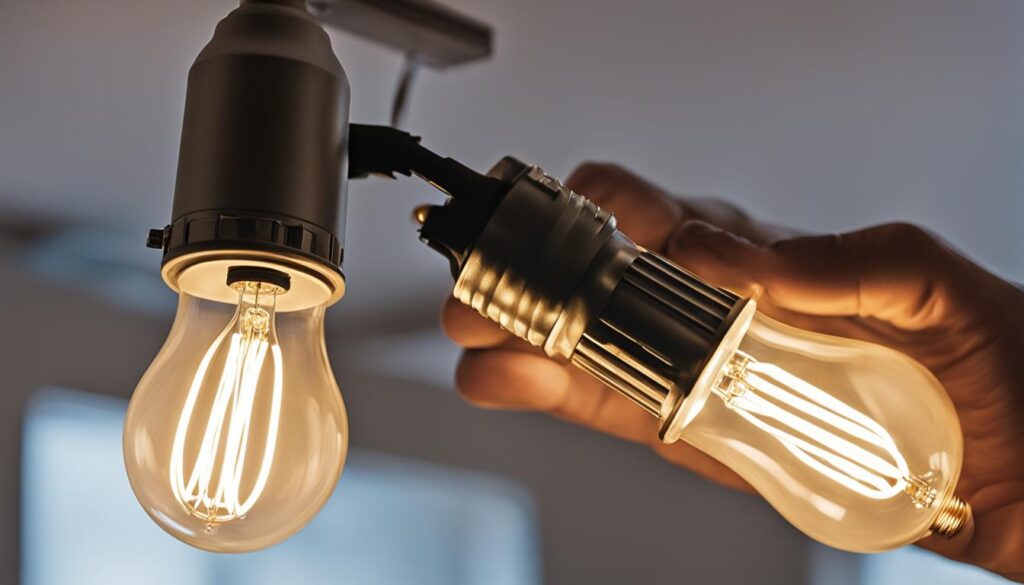
Upgrading track lighting to LED not only reduces energy consumption but also positively impacts the environment. To better illustrate this, let’s take a closer look at the benefits of energy-efficient bulbs in terms of energy savings, cost, and environmental impact.
| Lighting Type | Energy Consumption | Cost Savings | Environmental Impact |
|---|---|---|---|
| Halogen | High | Lower | Higher CO2 emissions |
| LED | Low | Higher | Reduced CO2 emissions |
As seen in the table above, LEDs consume significantly less energy compared to halogen bulbs, resulting in lower energy costs in the long run. A reduction in energy consumption directly translates to a decrease in your household’s carbon footprint, which is essential in preserving our planet’s resources for generations to come.
While the initial costs of LED bulbs may be higher, the long-term savings from reduced energy bills and longer-lasting bulbs make the investment worthwhile. LEDs typically have a longer lifespan than halogen bulbs, which means you’ll be changing bulbs less frequently, ultimately saving time and money on maintenance.
Upgrading your track lighting system to LED is a smart choice for those looking to enhance their home’s energy efficiency while enjoying a high-quality and sustainable lighting solution.
Conclusion
As we wrap up our easy-to-follow guide on changing bulbs in track lighting systems, it’s important to remember that the decision to upgrade to LED bulbs goes beyond mere aesthetic improvements. Reflecting on the LED upgrade experience, we can appreciate the immediate and long-term energy savings, as well as the potential for reduced maintenance due to their longer lifespan.
Reflecting on the LED Upgrade Experience
Upgrading to LED bulbs has not only enhanced the beauty of our homes but also delivered significant economic and environmental benefits. LEDs consume significantly less energy, thereby contributing to household energy efficiency and reduced energy bills. Furthermore, their improved lighting quality results in a better user experience.
The Long-Term Benefits of Proper Bulb Replacement
Having mastered the skill of performing track lighting maintenance, we can now enjoy the long-term benefits that come with it. Proper bulb replacement ensures that our homes remain well-lit, energy-efficient, and aligned with modern trends. Moreover, by sustaining our investment in proper bulb replacement, we amplify our understanding of home lighting systems, ultimately contributing to a more comfortable and convenient living environment.
FAQ
What are the different types of track lighting systems?
Track lighting systems come in various styles, such as linear, monorail, and cable systems. They can also use different types of bulbs, including LED, incandescent, and halogen light sources.
How do I know when it is safe to handle the bulbs in my track lighting?
Before handling any bulbs, ensure the power to the track lighting is turned off. For incandescent or halogen bulbs, wait 5-10 minutes after shutdown for the bulbs to cool down. LEDs cool rapidly and can be handled almost immediately after the power is off.
Do I need to remove the entire fixture to change a bulb in track lighting?
It depends on the accessibility of the bulb and the presence of a cover. Some fixtures can be easily unscrewed or rotated to access the bulb, while others may require detaching the fixture from the track during a bulb replacement.
What should I consider when selecting a replacement bulb for my track lighting fixture?
Choose a replacement bulb that matches the original’s wattage, shape, and base to ensure compatibility with the fixture. Consider upgrading to energy-efficient bulbs like LEDs, which offer lower energy consumption and possibly improved light output within the fixture’s wattage limits.
How do I properly dispose of old bulbs removed from my track lighting system?
When disposing of bulbs, follow local guidelines. Compact fluorescent lamps (CFLs) must be recycled due to their mercury content, while incandescent and standard LED bulbs are usually considered non-hazardous waste and can be disposed of in your regular trash. Always check your local waste management regulations to ensure proper disposal.
What are the benefits of upgrading my track lighting system to LED bulbs?
Upgrading to LED provides immediate and long-term energy savings, as well as reduced maintenance due to the longer lifespan of LED bulbs. LEDs consume significantly less energy, offering economic benefits and improved household energy efficiency, often with better lighting quality.





Vance Velasquez
Wow, who knew changing a bulb in track lighting could be so complicated? #needanexpert