


Are you looking to upgrade your home’s lighting while adding a touch of modern elegance? One of the best ways to do so is by learning how to install LED recessed lighting in existing ceilings. These energy-efficient fixtures offer focused illumination while blending seamlessly with your home’s interior design. With some patience and the right tools, you can engage in a successful DIY recessed lighting installation project. In this guide, we will walk you through the entire process of LED lighting installation and help you create a stunning atmosphere in your living space.
Key Takeaways:
- LED recessed lighting is energy-efficient and adds visual appeal to your home.
- Choose the right type of recessed lighting based on your ceiling construction.
- Ensure the existing wiring and electrical boxes can handle the new LED fixtures.
- Plan and mark the lighting layout strategically, and make careful, precise holes in the ceiling.
- Run electrical wires while following the National Electrical Code for safe installation.
- Follow the correct process for connecting and securing your LED recessed lights.
- Consider adding dimmer switches or smart lighting features for enhanced functionality.
Understanding the Basics of LED Recessed Lighting
LED recessed lights, known for their energy efficiency and long lifespan, require an understanding of basic components and specifications. It’s important to choose the right type of housing for your existing ceiling, as well as the appropriate specifications for your project. Let’s dive into some of the key factors to consider when installing LED recessed lighting.
Standard recessed light housing used in open framing includes mounting brackets, while remodeling housings, designed for existing ceilings, mount directly into a drywall-cut hole. It’s crucial to choose IC-rated housings if recessed lights will be covered with insulation, and for airtight housings to preserve energy efficiency in insulated ceilings.
Low-voltage housings are an option for accent lighting due to their precise focus capabilities; they operate on 115-volt wiring with built-in transformers for 12-volt lamps. These are ideal for creating a cozy atmosphere in specific areas of a room, such as highlighting artwork or a reading nook.
https://www.youtube.com/watch?v=pc5HWB-tyng
LED recessed lights not only save energy, but also provide a sleek, modern look to any room.
To help you make an informed decision when choosing the type of housing and specifications for your LED recessed lighting installation, we’ve put together a handy comparison table:
| Type of Housing | Mounting Method | Best Suited For | Key Features |
|---|---|---|---|
| Standard (Open Framing) | Mounting brackets | New constructions | Allows for easy adjustment during the installation process |
| Remodeling (Existing Ceiling) | Drywall-cut hole | Existing ceilings | Designed for seamless integration into existing structures |
| IC-Rated | Varies | Areas with insulation | Safe to be in contact with insulation, reducing the risk of fire |
| Airtight | Varies | Insulated ceilings | Preserves energy efficiency by minimizing air leakage |
| Low-Voltage | Varies | Accent lighting | Provides precise focus for specific areas, operates on built-in transformers for 12-volt lamps |
By understanding the basic components and specifications of LED recessed lighting, you’ll be better prepared to install ceiling lights that not only enhance the appearance of your space but also contribute to energy savings in the long run.
Pre-Installation Checklist for Recessed Lighting Retrofit
Before embarking on your recessed lighting remodel, it’s crucial to prepare thoroughly. The pre-installation checklist consists of evaluating your existing ceiling and circuitry, choosing the right LED recessed lighting kit, and having the necessary tools and safety gear for your ceiling light installation project.

Evaluating Your Existing Ceiling and Circuitry
The first step in your DIY recessed lighting installation is assessing the existing ceiling structure and available circuitry. Ensure that the current wiring can support new LED recessed lights without overloading the circuit by adhering to the maximum recommended wattage for the circuit’s amperage. Check for joist spacing and determine the path for new cables, making sure to comply with the National Electrical Code requirements. Evaluate the existing electrical boxes for load capacity, and if aluminum wiring is present, consider hiring professional services.
Selecting the Right LED Recessed Lighting Kit
Navigating the world of retrofit recessed lighting can be challenging, but choosing the right LED recessed lighting kit is essential. For open framing projects, use standard housings with mounting brackets; for retrofitting, opt for remodeling housings. Select IC-rated housings if they will make contact with insulation, or airtight versions for insulated ceilings. Determine the correct housing and trim compatible with your desired lamps, and consider features like low-voltage operation for accent lighting if necessary.
Tools and Safety Gear Needed for the Installation
Having the right tools and safety gear at your disposal is vital for a successful recessed lighting installation. The essential tools you’ll need include:
- Stud finder
- Drywall saw or hole-cutting drill attachment
- Non-contact voltage tester
- Drill for making holes through joists
- Cable fish or string for wiring routing
- Wire strippers, clamps, staples, and screwdrivers
Safety gear is equally important during your install ceiling lights project. Consider investing in these safety items:
- Eye protection
- Dust mask
- Gloves
By evaluating your existing ceiling, selecting the right LED recessed lighting kit, and having the necessary tools and safety gear, you can confidently tackle a recessed lighting remodel and upgrade your home’s lighting system.
Preparing Your Workspace
Before diving into how to install LED recessed lighting and managing electrical wiring for recessed lighting, it is crucial to set up a safe and efficient workspace. By preparing the area, you reduce the risk of accidents and streamline the installation process.
First, make sure the floor beneath your intended workspace is clean, free from clutter and trip hazards. A tidy floor ensures that you can move around easily without the risk of injuries.
Next, lay down protective sheeting on the floor to collect debris and dust that will accumulate during the installation. This sheeting not only keeps your workspace tidy but also makes cleaning up after the project more manageable.
Position the ladder carefully to avoid any undue strain while reaching the ceiling. Ensure that the ladder is secure and stable before climbing. Turning off the circuit breaker and disconnecting the power in the area you will be working in is another crucial safety precaution you should take before diving into the job.
A well-organized workspace is key to successful and safe LED recessed lighting installation.
Having all necessary tools and materials within reach will ensure a smoother workflow. Prepare everything you need before starting the installation process so that you don’t waste time searching for tools or materials midway through.
- Stud finder
- Measuring tape
- Protective sheeting
- Ladder
- Non-contact voltage tester
- Drill with hole cutting attachment
- Drywall saw or hole-cutting drill attachment
- Wire strippers and cutters
- Wire clamps and cable staples
- Assorted screwdrivers
- Safety gear (gloves, eye protection, dust mask)
By following these workspace preparation steps, you’ll create a safe and highly functional area for your LED recessed lighting installation project.
How to Choose the Best Location for Recessed Lights
Planning the exact location for each recessed light is crucial when learning how to install LED recessed lighting. To do this, use the following steps:
- Use a template to mark the ceiling, ensuring placements do not intersect with joists or other structural elements.
- Utilize a stud finder for accuracy when marking the locations of your new lights, to install ceiling lights correctly.
- If necessary, assess the intended spaces from the attic or through a smaller exploratory hole to avoid surprises like hidden wiring, pipes, or ductwork.
- Ensure the positioning of your recessed lighting installation enhances the room’s functionality and aesthetic, providing even illumination throughout the space.
Always consider functionality and aesthetics when choosing the best location for recessed lights. For example:
To create an inviting ambiance in a living room, arrange recessed lights in a symmetrical pattern following the shape of the room. Place them 2 to 3 feet from the wall, and space them evenly for optimum distribution of light.
| Room Type | Primary Lighting Goals |
|---|---|
| Kitchen | Task lighting above work surfaces, ambient lighting for dining areas |
| Living Room | Even illumination for relaxation and conversation, focused lighting on artwork and architectural features |
| Bedroom | General illumination, accent lighting for artwork and architectural features, bedside task lighting |
| Bathroom | Task lighting for vanity area, general illumination for shower and tub |

Remember, the choice of recessed light locations can make a significant difference in the room’s atmosphere and functional aspects. Therefore, taking the time to carefully consider each placement is an essential aspect of optimizing your recessed lighting installation.
Accessing the Ceiling: Making Preliminary Cuts
Before you can install your new LED recessed lighting, you’ll need to prepare the ceiling by cutting holes for the light housings. This process involves determining joist placement, marking the cutting lines, and carefully creating the openings.
Determining Joist Placement
First, locate the ceiling joists with a stud finder and mark their locations on your lighting plan sketch. It’s crucial to plan the cable runs accurately and ensure that the holes for the recessed light housings won’t overlap any joists. The lighting scheme should be evenly distributed across the room’s layout, taking into account any obstructions.
Marking and Cutting the Holes for Your Lights
Once you’ve identified the locations of the joists, mark the center point of each light on the ceiling according to your planned layout. If necessary, adjust the position of the lights to avoid obstructions, like wires or pipes.
Note: Always use a blueprint or a template recommended by your lighting kit manufacturer for marking the cutting lines.
After marking the locations for your lights, cut the holes carefully using a drywall saw or hole-cutting drill attachment. Make sure you avoid damaging any wires or other hidden installations inside the ceiling cavity.
By carefully following these steps, you’ll create precise openings in your ceiling that will perfectly accommodate your recessed lighting installation. With the preliminary cuts made, you’re now ready to proceed with the wiring and installation of the LED recessed light housings
Navigating Electrical Wiring for Recessed Lighting
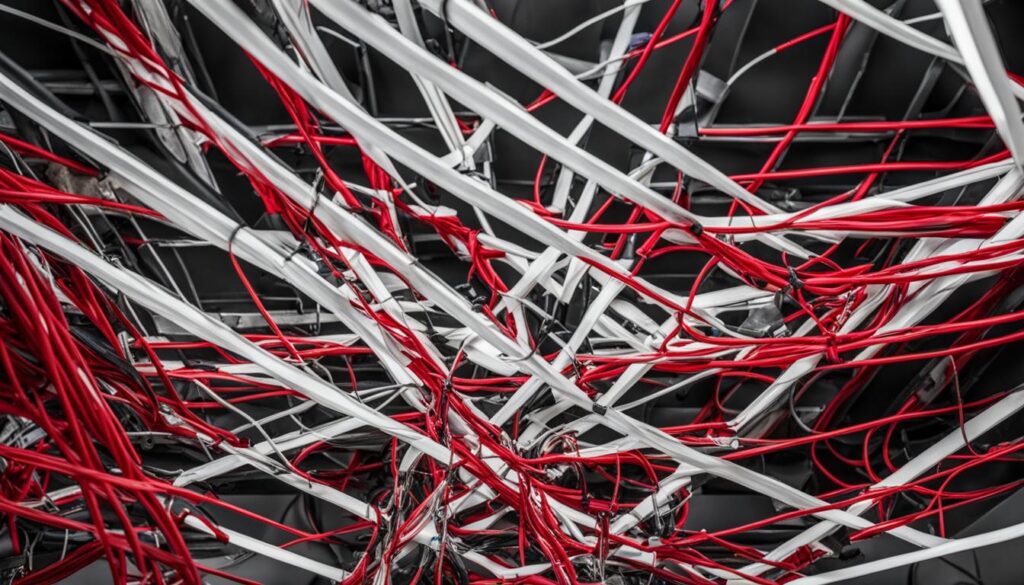
One of the essential aspects when learning how to install LED recessed lighting is dealing with electrical wiring. In this phase, you’ll run NM-B (non-metallic sheathed) cable from the power source to each recessed light location, ensuring smooth and safe connections for your new lighting system. Here are some key points to keep in mind while working with electrical wiring for recessed lighting.
- Leave extra cable length at each light location to facilitate ease of wiring when connecting the junction boxes later.
- Follow the National Electrical Code (NEC) guidelines for cable runs, ensuring compliance with safety standards and legal requirements.
- Secure the cable to the framing where accessible, using cable staples or other suitable fasteners to maintain stable and safe installations.
- Match wiring connections with the requirements of the lighting junction boxes to avoid errors or complications.
In addition to these crucial steps, it’s important to remember some general safety tips when handling electrical wiring:
“Always turn off the power at the breaker panel before working with electrical wiring and use a non-contact voltage tester to confirm the absence of electricity in the wires.”
By adhering to safety practices and the NEC guidelines, you can effectively navigate the electrical wiring phase of your LED recessed lighting installation and create a energy-efficient lighting system in your home.
Connecting Your LED Recessed Lights to Power
Now that you have made the necessary electrical preparations, it’s time to connect your LED recessed lights to the power source. This process involves accurately connecting the respective wires and ensuring the junction boxes are set up correctly. Follow the steps below for a successful LED lighting installation:
- Open the junction box of the LED recessed light.
- Run the NM-B cable into the junction box, and secure it with the provided clamps.
- Strip the cable insulation and wire ends to expose the copper wires.
- Using wire connectors, connect like wires following the standard color-coding:
- Black to black (hot)
- White to white (neutral)
- Bare copper or green to ground
- Tuck the connected wires neatly into the junction box and close the cover, ensuring it is sealed tight.
After completing these steps, you have successfully connected your retrofit recessed lighting to the power source. Make sure to double-check your connections and that all wires are appropriately tucked into the junction box before moving on to the next stages of installation.
Securing the LED Housing and Wiring Into Place
Once the electrical wiring is complete, it’s time to secure the LED housing and wiring into place. This stage is crucial for ensuring that your DIY recessed lighting installation is not only safe but also looks professional. Let’s cover the proper clamping and mounting techniques to achieve the best results.

Using the Right Clamps and Mounting Technique
Begin by inserting the recessed light housing into the pre-cut ceiling hole. The fit should be snug and secure. Next, use the mounting clips provided with your light kit, which are typically four per housing, to secure the fixture to the ceiling. It’s essential that the housing flange lies flush against the ceiling to ensure a polished and professional appearance.
Be aware that clip styles may vary, and it’s essential to follow the specific installation instructions provided with your lighting kit. While some clips require simple upward pressure to secure the housing, others may involve squeezing the clips and pushing them into place. Regardless of the style, be sure that the housing is firmly and immovably mounted to the ceiling.
When securing the LED housing, always follow the specific clip and mounting instructions provided with your lighting kit to guarantee a successful install.
With the housing in place and the wiring secured, you can now proceed to the final steps of your DIY recessed lighting installation project, including adding trim and light bulbs, as well as exploring switch and dimming options for added functionality and aesthetic appeal.
Adding the Finishing Touches: Trim and Bulbs
With the housings secured in place, it’s time to install the trims and bulbs in your new recessed lighting remodel. Follow these steps to complete your retrofit recessed lighting project and achieve a professional look:
- Choose trims that match the style and function of your recessed lighting remodel.
- Review the trim installation instructions provided by the manufacturer.
- Attach the trim to the housing using the appropriate coil or rod springs.
- Ensure the trim is flush with the ceiling for a seamless appearance.
- Select and install light bulbs that meet the recommended wattage and specifications for your fixtures.
By following these steps, you can install ceiling lights that enhance the look and functionality of your space.
Pro Tip: When selecting light bulbs for your retrofit recessed lighting project, consider energy-efficient LED options that offer long-lasting performance and lower energy consumption.
Ensuring proper trim and bulb installation is crucial not only for aesthetics but also for safety. Be cautious not to exceed the recommended wattage for the fixture or circuit, as this may cause potential hazards like overheating.
In conclusion, by carefully selecting the appropriate trims and bulbs for your retrofit recessed lighting installation, you can add value and style to your home while enjoying the energy-saving benefits of LED technology. With a bit of patience and attention to detail, you can ensure a polished, professional appearance for your new recessed lighting.
Switches and Dimming Options for LED Lighting
Enhancing the functionality of your LED recessed lighting with switches and dimming options can greatly impact the way you experience your lighting environment. These options allow you to create customized lighting scenes catered to your preferences, specific activities, or even mood.
Dimmer switches are an excellent choice for LED lighting systems, as they provide the flexibility to adjust the intensity of the light, either to generate a warmer, more relaxing atmosphere or to increase the brightness for tasks that demand high visibility. However, not all dimmer switches are compatible with every type of LED light.
For those who have installed low-voltage LED recessed lighting, it is essential to choose a magnetic dimmer switch instead of the standard variety. This will help avoid any compatibility issues that may arise from using an inappropriate dimmer switch.
Tip: Be sure to check the dimmer switch specifications to ensure it is compatible with your low-voltage LED lights.

Besides traditional dimmer switches, smart LED conversion kits are an increasingly popular choice for upgrading LED lighting installations. With these cutting-edge devices, you can manage your lighting through mobile apps or even voice commands via home assistant devices like Amazon Echo or Google Home. Some of the benefits of using smart LED conversion kits include:
- Remote control via smartphones or tablets.
- Voice activation for hands-free operation.
- Scheduling options for automated lighting scenes.
- Energy-saving features that can automatically adjust the brightness based on ambient light conditions.
Investing in switches and dimming options for your LED lighting installation can provide a luxurious and convenient experience tailored to your preferences. Whether you decide on a simple dimmer switch or opt for a more advanced smart LED conversion kit, these upgrades can significantly boost the functionality and enjoyment of your recessed lighting installation.
Testing Your Installed LED Recessed Lighting
Once the LED lighting installation is complete, it’s crucial to test the newly installed recessed lights to ensure proper operation. Start by turning the power back on at the breaker, and then follow these essential steps to test your retrofit recessed lighting thoroughly:

- Verify that all connections are secure and correctly made.
- Check for any flickering or unusual behavior in the lights.
- Ensure that the light output is even and correctly positioned for the area it is meant to illuminate.
- Adjust trim pieces if necessary for optimal appearance and light distribution.
In addition to these basic testing steps, it’s also a good idea to evaluate the overall ambiance and energy efficiency of your lighting setup. Here are some questions to consider:
Are the LED recessed lights providing the right amount of illumination for the space? Is the color temperature of the bulbs suitable for the mood and activities within the room? Have you noticed a decrease in energy consumption since the installation of your new lighting system?
If you’re satisfied with the performance of your LED recessed lights, congratulations on a successful installation! If you encounter any issues or find room for improvement, consult the manufacturer’s guidelines or seek the assistance of a professional electrician. Ultimately, installing and testing recessed lighting can greatly enhance the ambiance and energy efficiency of your home, ensuring you enjoy a beautifully lit space for years to come.
Conclusion
As you can see, learning how to install LED recessed lighting in an existing ceiling can significantly improve the ambiance and energy efficiency of your home. By carefully selecting the right type of recessed lighting, adhering to the National Electrical Code, and using the appropriate tools and techniques, you’ll be able to carry out a successful DIY recessed lighting installation.
It’s essential to evaluate your existing ceiling structure and electrical system before installation. This pre-installation assessment will help you avoid potential issues during the project. Remember to check for proper joist spacing, load capacity of electrical boxes, and the compatibility of your chosen LED lighting kit with your ceiling conditions.
When undertaking a recessed lighting installation, it’s vital to work safely and efficiently. This includes turning off power at the main panel before working with electrical wiring and wearing appropriate safety gear such as eye protection, dust masks, and gloves. If you come across aluminum wiring or other unfamiliar electrical systems, it’s best to consult a licensed electrician.
In conclusion, retrofitting your ceiling with LED recessed lighting can greatly enhance your living space. Take your time, follow the necessary steps, and consider professional assistance when needed to ensure a seamless and safe installation process.
FAQ
What type of recessed lighting should I choose for my existing ceiling?
For retrofit in existing ceilings, opt for remodeling housings. Choose IC-rated housings for insulation contact or airtight versions for insulated ceilings. Determine the correct housing and trim compatible with the desired lamps and consider low-voltage operation for accent lighting, if necessary.
What tools and safety gear do I need for DIY recessed lighting installation?
You will need a stud finder, drywall saw or hole-cutting drill attachment, non-contact voltage tester, drill, cable fish or string, wire strippers, wire clamps, cable staples, screwdrivers, and cutters. For safety, wear eye protection, a dust mask, and gloves.
How do I choose the best location for my recessed lights?
Use a template to mark the ceiling, ensuring placements do not intersect with joists or other structural elements. Utilize a stud finder for accuracy, and assess the intended spaces from the attic or through a smaller exploratory hole to avoid hidden wiring, pipes, or ductwork. Position the lights to provide even illumination throughout the space.
What wiring considerations should I keep in mind for installing LED recessed lighting?
Confirm the existing wiring can support the new LED recessed lights without overloading the circuit. Follow the National Electrical Code requirements for cable runs. Secure the cable to the framing where accessible and ensure wiring connections match the lighting junction boxes’ requirements.
How do I connect my LED recessed lights to power?
Open the junction box of the LED recessed light and run the NM-B cable into it, securing it with the provided clamps. Strip the cable insulation and wire ends, and connect like wires using wire connectors, following the standard color-coding. Tuck the wires into the junction box and seal it.
What are some dimming options for my LED recessed lighting?
Consider adding dimmer switches to enhance lighting functionality. Install a magnetic dimmer for low-voltage lights to avoid issues with standard dimmers. Smart LED conversion kits can upgrade your lighting system, providing remote control via mobile apps and voice activation through home assistant devices.







Valentino Graham
I never knew installing LED recessed lighting could be so complicated! Whos up for a DIY challenge?