

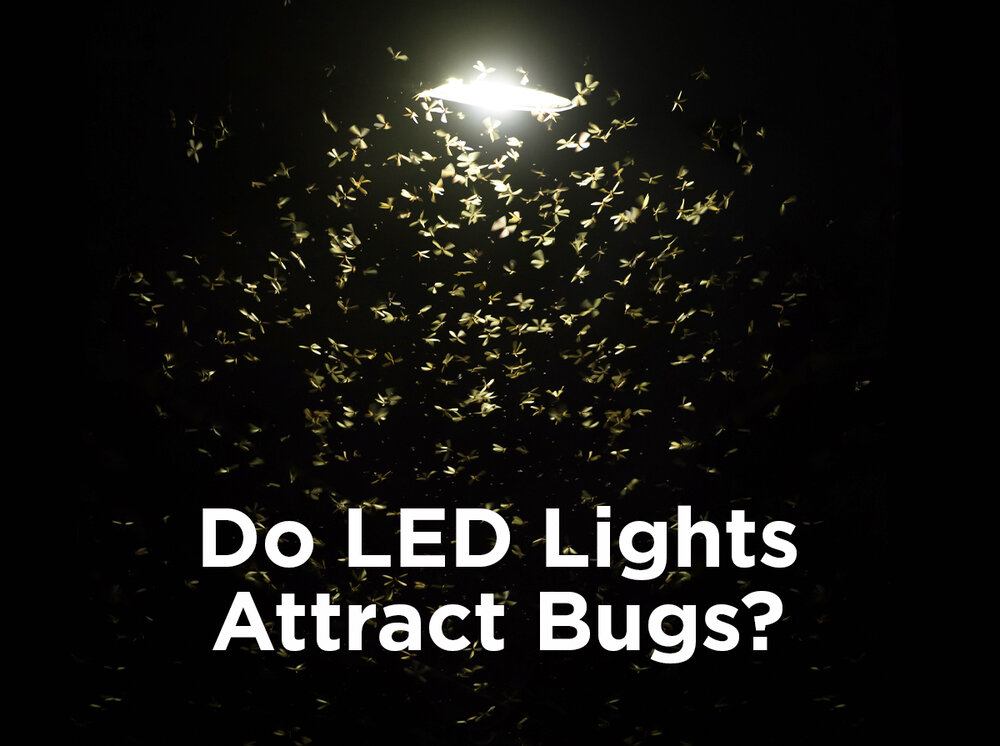
Have you ever wondered why bugs seem to swarm around your LED lights, even though they’re supposed to be cooler and cleaner than traditional bulbs? It’s frustrating when you want to enjoy a bug-free evening, but those tiny insects keep buzzing close to your bright LEDs.
Understanding why LED lights attract bugs can help you take control and keep your space more comfortable. Keep reading, and you’ll discover the surprising reasons behind this common problem—and what you can do about it.
How Bugs See Light
Bugs see light differently than humans. Their eyes are built to detect certain types of light more than others. This helps them find food, mates, and safe places. Understanding how bugs see light explains why LED lights attract them.
Light is not just brightness for insects. The color and type of light matter a lot. Bugs react to light wavelengths that humans cannot see well. This makes some lights more attractive to bugs.
Insect Vision Basics
Insects have compound eyes made of many small lenses. Each lens captures a tiny part of the image. This helps bugs see in many directions at once.
Their eyes are good at detecting movement and changes in light. Bugs see colors differently than humans. They can see ultraviolet light, which is invisible to people.
Because of their vision, bugs often fly toward bright or glowing objects. This can lead them to outdoor lights, especially at night.
Light Wavelengths And Attraction
Light comes in different wavelengths, or colors. Some wavelengths attract bugs more than others.
Ultraviolet and blue light attract many insects. These wavelengths trigger their navigation systems. LED lights often emit blue or ultraviolet light.
This makes LED lights more attractive to bugs compared to warm-colored lights. Bugs use light to find flowers and mates, so they are drawn to these wavelengths.
Understanding these facts helps explain why bugs gather near LED lights at night.
Led Lights Vs Traditional Lights
LED lights and traditional lights differ in many ways. These differences affect how bugs react to each light type. Understanding these contrasts helps explain why bugs are attracted to some lights more than others.
Differences In Light Emission
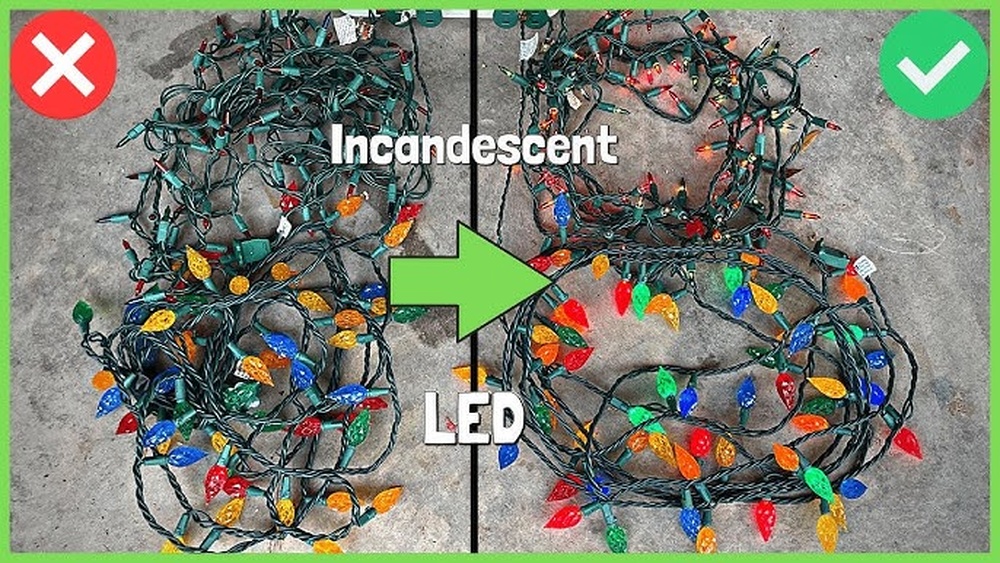
LED lights emit a narrow range of colors, mostly blue and white. Traditional lights, like incandescent bulbs, give off a broad spectrum of colors. This includes more yellow and red tones. The light from traditional bulbs often glows warmer than LED lights.
LEDs produce less heat compared to traditional bulbs. This means they do not warm the air or surfaces as much. The light intensity and color can change how bugs see and sense the light source.
Impact On Insect Behavior
Bugs are drawn to certain light wavelengths. Many insects prefer ultraviolet and blue light, which LEDs often emit. Traditional lights release less ultraviolet light, so they attract fewer bugs.
Heat also plays a role. Traditional lights get hotter, attracting bugs that sense warmth. LED lights stay cool, so fewer insects come close because of heat.
The flicker rate of lights can affect bug attraction. Some insects notice flickering in LED lights, causing confusion. Traditional bulbs usually have a steady glow that bugs find easier to approach.
Why Led Lights Attract Bugs
LED lights are popular for saving energy and lasting long. Yet, many people notice bugs around these lights. Why do LED lights attract bugs even though they use less heat and energy? Understanding bug attraction to LED lights helps us manage pests better. Bugs react to light differently than humans. They follow light cues for navigation and finding food.
Ultraviolet And Blue Light Effects
Bugs are very sensitive to light colors. They see ultraviolet (UV) and blue light more clearly. LED lights often emit blue and near-UV light. This light confuses bugs and draws them closer. Many insects use UV light to find flowers and mates. LED lights mimic these signals, which bugs mistake for natural sources. Even small amounts of UV light can attract many insects.
Heat Emission And Bug Sensitivity
Bugs sense heat to locate warm places. Traditional bulbs give off more heat than LEDs. However, LED lights still produce some warmth. This small heat can attract bugs looking for warmth. Heat combined with light creates a strong signal for bugs. Many insects hover near warm light to rest or hunt. LEDs offer enough heat to keep bugs interested, despite being cooler than old bulbs.

Types Of Bugs Drawn To Led Lights
LED lights attract various bugs due to their brightness and color. Different types of insects are drawn to these lights for many reasons. Some bugs use light to navigate, while others might see it as a signal for food or mates.
Understanding which bugs come near LED lights helps us manage and reduce their presence. It also explains why bugs gather around outdoor lighting at night.
Common Insects Near Lights
Moths are the most common insects around LED lights. They fly close, often circling the light source. Flies and beetles also appear near these lights. They are attracted by the warmth and glow. Some types of mosquitoes come near LEDs as well. These insects are active at night and find the light easy to spot.
Other bugs like crane flies and mayflies gather near LED lights. Their attraction varies by species and light color.
Nocturnal Bug Activity Patterns
Most bugs attracted to LED lights are active during the night. They use natural light sources like the moon for navigation. Artificial lights confuse them, pulling them off course. This causes many to fly toward the LED lights instead.
Nighttime activity peaks when the surroundings are dark. Bugs rely on light to find food or mates. LED lights stand out sharply in the dark environment. This makes them a strong attractor for nocturnal insects.
Reducing Bug Attraction
Reducing bug attraction to LED lights improves outdoor comfort. Bugs swarm lights because they sense certain wavelengths. Changing the light type or color helps keep bugs away. Small changes in outdoor lighting can make a big difference. Simple steps can reduce the number of bugs near your home.
Choosing Bug-friendly Lighting
Pick LED lights with warm colors like yellow or amber. These colors attract fewer bugs than blue or white lights. Use bulbs labeled as “bug lights” or “insect-repellent lights.” Lower brightness levels also reduce bug attraction. Avoid bright, cool-toned lights for outdoor use.
Practical Tips For Outdoor Lighting
Place lights away from doors and windows. This stops bugs from entering your house. Use motion sensors to turn lights on only when needed. Shield lights with covers to direct light downward. Keep outdoor areas clean to reduce bug breeding spots.

Frequently Asked Questions
Why Do Led Lights Attract More Bugs Than Other Lights?
LED lights emit blue and ultraviolet wavelengths that attract many insects. Bugs are naturally drawn to these colors for navigation and food sources, making LED lights more appealing compared to warmer light bulbs.
Are All Bugs Attracted To Led Lights Equally?
No, not all bugs are equally attracted to LED lights. Flying insects like moths and beetles are more drawn to LED light, while others like ants or spiders are less affected by light wavelengths.
Can Led Light Color Reduce Bug Attraction?
Yes, warmer LED colors like yellow or amber attract fewer bugs. These colors emit less ultraviolet light, which insects find less appealing, helping to reduce bug presence around outdoor lighting.
Do Led Lights Attract More Bugs At Night?
Yes, LED lights attract more bugs at night because insects use light to navigate in the dark. The contrast between darkness and LED light makes the source more visible and attractive to bugs.
Conclusion
LED lights attract bugs because of their light color and heat. Bugs see the light and follow it, thinking it is food or a safe place. Some LED lights give off UV rays that bugs like. Choosing the right LED can reduce bug attraction.
Using yellow or warm-colored LEDs helps keep bugs away. Understanding why bugs come to LED lights can help you make better choices. This keeps your home and outdoor spaces more comfortable and bug-free. Simple changes in lighting can make a big difference.




Leave a Reply