

Have you ever wondered why people cut LED lights? It might seem strange at first, but there are smart reasons behind this simple action.
Cutting LED strips lets you customize your lighting exactly how you want it. Whether you’re brightening up a cozy corner or creating a cool vibe in your room, knowing why and how to cut LED lights can make all the difference.
Keep reading to discover the secrets that will help you get the most out of your LED setup.
Common Reasons For Cutting Led Lights
Cutting LED lights is a common practice for many users. It helps make the lights fit perfectly in different spaces. This process allows greater control over the look and feel of lighting setups. People cut LED strips for several practical reasons. These reasons help improve both function and style.
Customizing Length For Fit
LED strips come in long rolls. Sometimes, the full length is too big for a space. Cutting the strip makes it the right size. This prevents wasting lights and power. It also helps fit the lights in tight spots. Custom lengths ensure neat and clean installations.
Creating Unique Designs
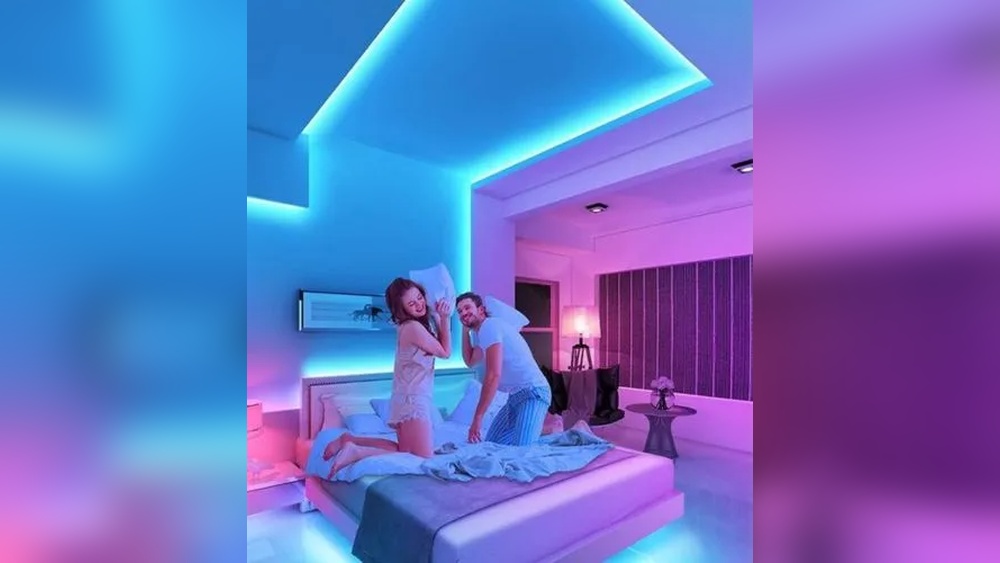
Cutting LED lights allows for creative shapes and patterns. People can make circles, zigzags, or separate sections. This adds personality to rooms or projects. Unique designs make spaces more interesting. It also helps match specific decor styles.
Adjusting Brightness Levels
Shorter LED strips use less power. This can lower the brightness in a room. Cutting the strip helps control light intensity. Users can create softer or stronger lighting as needed. It supports better mood setting and energy savings.
Technical Aspects Behind Cutting
Cutting LED lights involves more than just trimming the strip. Understanding the technical details helps keep the lights working well. Proper cutting ensures the LED strip stays safe and functional after being shortened.
Cut Points On Led Strips
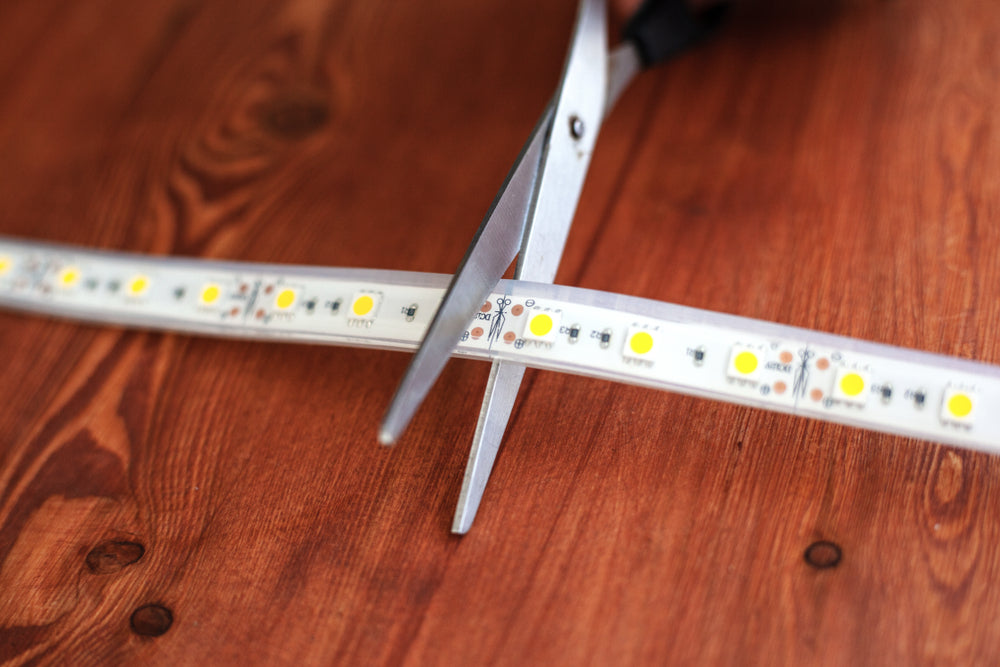
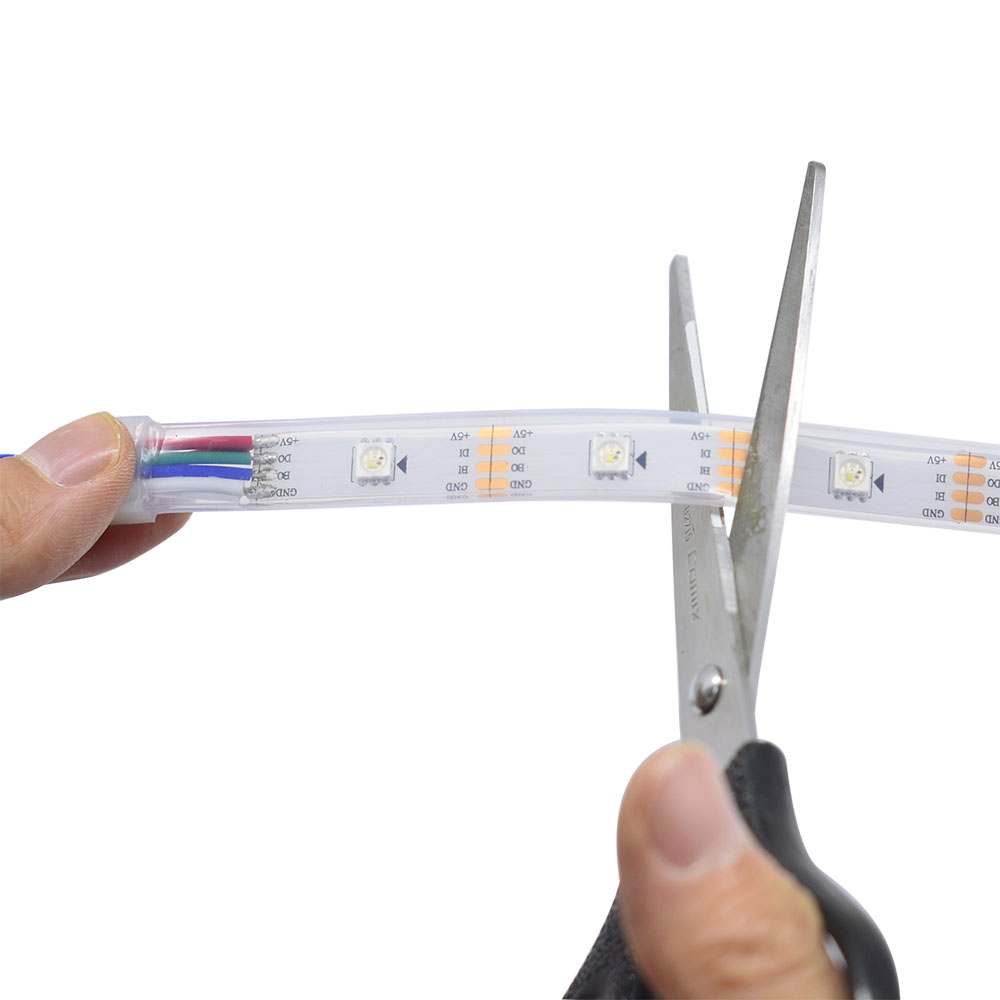
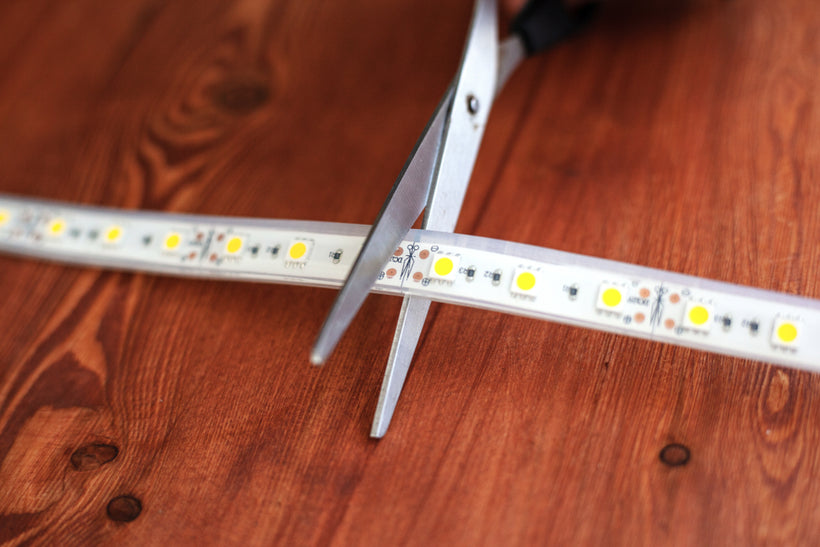
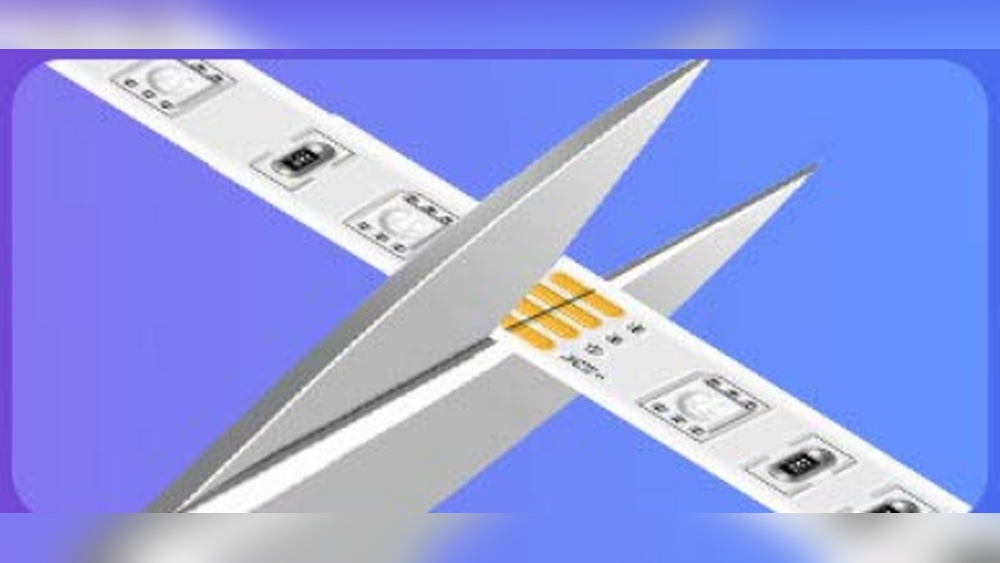
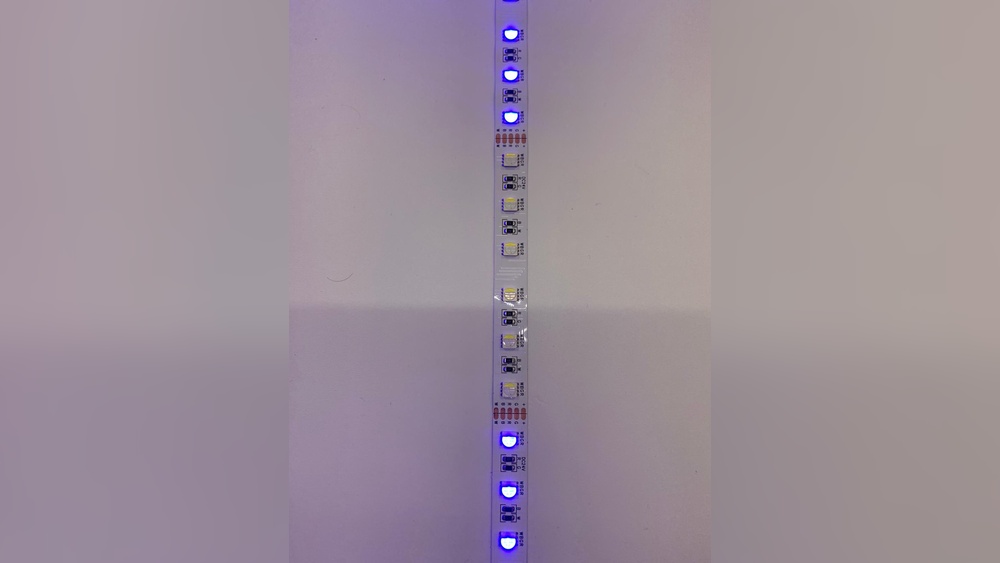
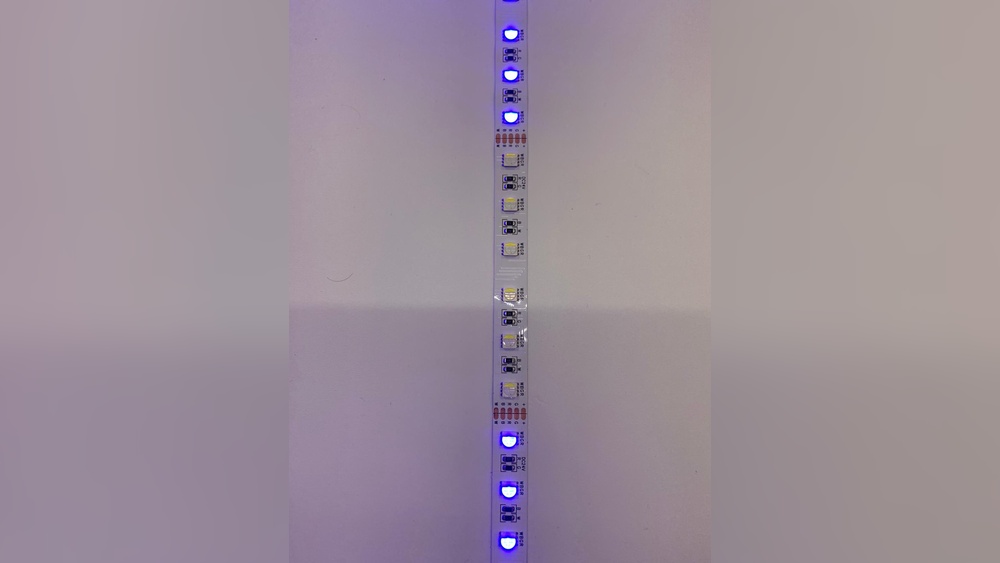
LED strips have specific cut points marked on them. These points show where it is safe to cut without damaging the circuit. Cutting anywhere else can stop the lights from working. The cut points usually appear as small lines or scissors icons on the strip.
Maintaining Electrical Integrity
After cutting, the electrical flow must stay intact. The copper pads near cut points allow for easy connection. These pads let you attach wires or connectors to power the smaller strip. Keeping the electrical path complete prevents flickering or power loss.
Tools Needed For Cutting
Sharp scissors or a craft knife work best for cutting LED strips. Using the right tool helps make a clean cut at the marked points. Avoid pulling or tearing the strip. A steady hand and good lighting make cutting safer and more precise.
Benefits Of Cutting Led Lights
Cutting LED lights offers many benefits. It allows users to customize lighting to fit their needs. This practice helps save money and enhances the overall look of spaces. Adjusting LED strips by cutting them is simple and useful.
Cost Efficiency
Cutting LED lights saves money by using only what is necessary. It prevents wasting long strips in small spaces. Buyers do not have to purchase extra lights. This approach reduces electricity costs over time.
Enhanced Flexibility
Cut LED strips fit perfectly in any area. Users can create unique shapes and designs. It adapts to corners, edges, or small spots easily. This flexibility helps in creative lighting projects.
Improved Aesthetic Appeal
Shortened LED strips provide neat and clean lighting lines. Custom lengths avoid overcrowding or loose ends. It creates a polished and professional look. This makes rooms and displays more attractive.
Risks And Precautions
Cutting LED lights is common for fitting them into specific spaces. Yet, it carries risks that can damage the lights or cause safety issues. Knowing these risks and how to handle LEDs properly helps avoid problems.
Potential Damage To Leds
Cutting LEDs incorrectly can break the circuit. The light strip may stop working or flicker. The internal parts can get damaged, causing short circuits. Damage can make the LED unsafe to use.
Safety Measures
Always unplug the LED strip before cutting. Use the right tools like sharp scissors or a craft knife. Avoid cutting near electrical connections. Follow the manufacturer’s guidelines carefully. Wear gloves to protect your hands.
Proper Handling Techniques
Cut only on marked lines. These lines show where the strip can be safely cut. Handle the strip gently to avoid bending or twisting. Keep the cut ends covered with tape or connectors. This prevents moisture and dust from entering.
Alternatives To Cutting Led Lights
Cutting LED lights is a common way to fit them into specific spaces. Yet, cutting can damage the strip or cause uneven lighting. Many prefer alternatives to keep LED strips intact and working well. These options provide flexibility and save time.
Alternatives to cutting help avoid mistakes. They also keep the LED strip’s brightness and color consistent. Using connectors, pre-sized strips, or modular systems can simplify installation. These methods suit beginners and experts alike.
Using Connectors And Extensions
Connectors join LED strips without cutting. They come in different shapes for corners and straight lines. Extensions add length without changing the strip’s original size. This method keeps the LED strip safe and easy to adjust.
Pre-sized Led Strips
Pre-sized LED strips come in ready lengths. They fit common areas without trimming. This option reduces waste and installation time. Pre-sized strips ensure the lights work perfectly without extra work.
Modular Led Systems
Modular LED systems use snap-together pieces. Each piece is a small LED strip segment. Users add or remove segments to fit the space. This system offers great flexibility and easy repairs.
Frequently Asked Questions
Why Do People Cut Led Strip Lights?
People cut LED strip lights to fit them into specific spaces. Custom lengths ensure perfect installation and avoid waste. Cutting allows flexible design and better lighting placement.
Can Cutting Led Lights Damage Them?
Cutting LED lights at marked points does not damage them. Proper cutting preserves the circuit and light functionality. Avoid cutting elsewhere to prevent electrical issues.
How To Cut Led Lights Safely?
Use scissors and cut only at marked lines on the strip. Ensure the power is off before cutting. Follow manufacturer instructions for safe and effective results.
Does Cutting Led Lights Affect Brightness?
No, cutting LED lights at designated points does not reduce brightness. Each segment maintains full brightness independently. Proper cutting keeps light quality consistent.
Conclusion
Cutting LED lights lets people fit them into small spaces. It helps to customize the length for different rooms. This makes lighting more flexible and saves energy. People can create unique designs with cut LED strips. It also reduces waste by using only what is needed.
Always cut only at marked points to avoid damage. Simple changes can improve the look and function of any space. LED lights stay bright and last longer when cut properly. This small step brings big benefits to lighting projects.



Leave a Reply