

Have you ever wondered why your LED lights suddenly stop working even though they’re supposed to last for years? It’s frustrating when you rely on these bright, energy-saving bulbs only to find them flickering or burning out unexpectedly.
Understanding the real reasons behind this can save you time, money, and hassle. You’ll discover what causes LED lights to fail and how you can prevent it from happening to your home or office. Keep reading to find out how to keep your lights shining bright longer.
How Led Lights Work
LED lights are different from traditional bulbs. They use tiny parts to make light in a smart way.
Understanding how LED lights work helps us see why they sometimes burn out. It all starts with small components inside the light.
Basic Led Components
An LED has three main parts. The first is the semiconductor chip. It is very small and key to making light.
The second part is the leads. They connect the chip to the power source. The third part is the casing. It protects the chip and shapes the light.
Electricity And Light Emission
Electricity flows through the LED chip. This makes tiny particles called electrons move.
When electrons meet holes in the chip, they release energy. This energy shows as light. This process is called electroluminescence.
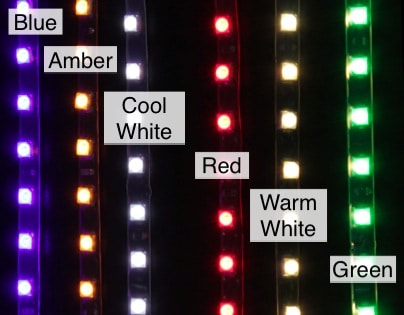
The color of the light depends on the materials in the chip. Different materials produce different colors.
Common Causes Of Led Burnout
LED lights last longer than traditional bulbs but can still burn out. Understanding why helps avoid early failure and saves money. Several common causes lead to LED burnout. These causes affect the light’s performance and lifespan.
Overheating Issues
Heat is the main enemy of LED lights. Excess heat damages internal parts and reduces lifespan. Poor heat management or lack of a heat sink causes overheating. Overheating makes the LED chip wear out faster. Proper ventilation helps prevent this problem.
Voltage Fluctuations
LEDs need stable voltage to work well. Sudden changes in voltage can harm the LED driver and chip. High voltage spikes stress the components and cause burnout. Low voltage can lead to flickering and damage. Using a voltage regulator improves LED durability.
Poor Quality Components
Cheap LEDs often use low-quality materials. Inferior components fail quickly and cause early burnout. The LED driver, circuit board, and soldering quality matter. Investing in good quality parts ensures longer LED life. Always check product reviews before buying.
Impact Of Environment On Led Lifespan
The environment plays a big role in how long LED lights last. Many factors around the LED affect its performance and lifespan. Understanding these helps in keeping LEDs working longer and burning out less often.
Temperature Effects
LEDs work best in cool places. High temperatures cause the LED parts to wear out faster. Heat damages the tiny components inside the light. Over time, this leads to dimmer light and early failure.
Keeping LEDs away from hot areas helps them last longer. Proper heat sinks and ventilation also reduce heat build-up. Cooler temperatures mean better and longer LED performance.
Moisture And Humidity
Water and moisture harm LEDs. Humid conditions can cause corrosion on LED parts. This damages the electrical connections inside the light. Moisture can also cause short circuits, making the LED stop working.
Using waterproof or sealed LED lights protects them from moisture. Dry environments extend the life of LEDs significantly.
Dust And Dirt Accumulation
Dust and dirt gather on LED surfaces over time. This blocks light and traps heat inside the light. Heat buildup from dust causes the LED to burn out faster.
Regular cleaning of LED lights removes dust and dirt. Clean LEDs shine brighter and last longer. Keeping the area clean around LEDs also helps maintain their lifespan.

Role Of Electrical Installation
The role of electrical installation plays a big part in how long LED lights last. Poor installation can cause LEDs to burn out faster. Proper wiring, compatible fixtures, and protection from power surges help LEDs work well. Ignoring these factors can lead to early failure and wasted money.
Incorrect Wiring
Wrong wiring can cause LED lights to get too much or too little power. This stress damages the internal parts of the LED. Loose connections create flickering and heat buildup. Both can shorten the LED’s life. Always check wiring matches the LED’s specifications.
Incompatible Fixtures
Some fixtures are not designed for LED lights. Using the wrong fixture affects heat flow and power supply. LEDs need proper heat dissipation to avoid overheating. Fixtures made for old bulbs may overload the LED. Use fixtures labeled for LED use only.
Surge Protection
Power surges can harm LED lights quickly. A surge protector blocks sudden voltage spikes. Without it, LEDs can burn out in seconds. Install surge protection in your electrical system. It saves LEDs and other devices from damage.
Signs Led Lights Are Failing
LED lights do not last forever. They show signs before they stop working. Knowing these signs helps you replace them on time. This avoids sudden darkness or damage to fixtures. Watch for changes in how your LED lights behave.
Flickering Lights
Flickering is a common sign of failing LED lights. The light may flash on and off quickly. This happens due to loose connections or power issues. Flickering can also mean the LED driver is weak. It signals that the bulb might burn out soon.
Dimming Brightness
LED lights usually keep their brightness for a long time. If the light starts to dim, it means the LED is aging. Dimming happens because the internal parts wear out. Reduced brightness lowers the light quality in your room. It is a clear sign to check your lights.
Color Changes
LED lights should keep a steady color. If the light color shifts or looks different, the LEDs are failing. Colors may turn yellowish or bluish instead of white. This change means the LED materials are breaking down. Color shifts warn you about the end of the bulb’s life.
Preventing Led Burnout
LED lights last longer than many other bulbs, but they can still burn out. Preventing LED burnout saves money and avoids inconvenience. Simple steps help keep your LEDs working well for a long time.
Choosing Quality Leds
Start with good quality LED bulbs from trusted brands. Cheap LEDs often use poor materials that fail faster. Look for bulbs with proper certifications and warranties. These usually have better build quality and last longer.
Proper Installation Practices
Install LEDs carefully to avoid damage. Use the right fixture and voltage for your LED. Avoid forcing bulbs into sockets or twisting too hard. Poor installation can cause electrical problems and shorten LED life.
Regular Maintenance Tips
Keep LED lights clean and dust-free. Dirt and grime trap heat and reduce lifespan. Check connections regularly to ensure they stay tight. Replace any damaged parts quickly to prevent further issues.
Frequently Asked Questions
Why Do Led Lights Burn Out Prematurely?
LED lights burn out early due to overheating, poor quality components, or electrical surges. Proper heat management and good power supply increase their lifespan.
How Does Overheating Cause Led Failure?
Overheating damages LED chips and internal circuits. Excess heat reduces brightness and causes early burnout. Adequate cooling is essential for durability.
Can Power Surges Affect Led Lights?
Yes, power surges can damage LED drivers and circuits, leading to premature failure. Using surge protectors helps protect LED lights.
Does Led Quality Impact Its Lifespan?
Higher quality LEDs use better materials and efficient heat dissipation. They last longer and perform more reliably than cheaper alternatives.
Conclusion
LED lights burn out mainly due to heat, poor quality, or electrical issues. Using the right fixtures and avoiding overheating helps them last longer. Regular checks can spot problems early and save money. Choosing good-quality LED bulbs also reduces burnout risk.
Understanding these causes keeps your lighting bright and reliable. Simple care goes a long way.



Leave a Reply