

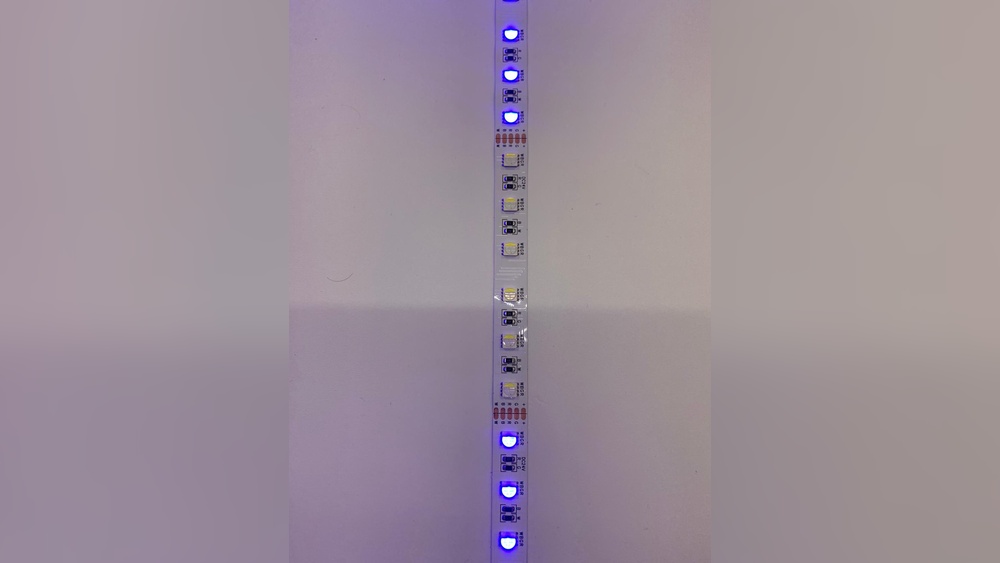
Have you ever switched on your LED lights, only to find them completely dark? It’s frustrating when your bright, energy-saving bulbs suddenly stop working without warning.
You might wonder if it’s something you did or if the lights just gave up on you. Understanding why your LED lights stop working can save you time, money, and stress. You’ll discover the common reasons behind the problem and simple steps to fix it.
Keep reading—you’ll soon have your lights shining bright again.
Common Causes Of Led Failure
LED lights are popular for their brightness and energy efficiency. Still, they sometimes stop working without a clear reason. Understanding common causes helps fix the problem faster. This section explains typical reasons why LED lights fail.
Power Supply Issues
LED lights need a steady power supply. Fluctuations or drops in voltage can cause LEDs to fail. Using the wrong power adapter or a damaged power source also affects performance. Check your power supply to ensure it meets the LED’s requirements.
Overheating Problems
LEDs produce less heat than traditional bulbs but still get warm. Poor ventilation or high temperatures can cause overheating. Overheating reduces LED lifespan and may cause sudden failure. Make sure your LEDs have enough airflow and are not placed near heat sources.
Faulty Wiring
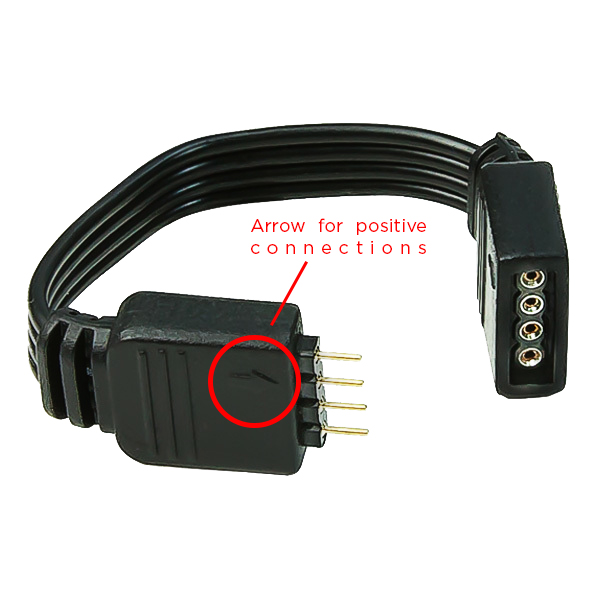
Loose or damaged wires can interrupt the LED circuit. Faulty wiring may cause flickering or complete light failure. Inspect all connections and replace any broken wires. Secure wiring ensures stable LED performance and safety.
Driver Malfunctions
LED drivers regulate power to the lights. A faulty driver can stop LEDs from working properly. Signs include flickering lights or dimming. Replacing a bad driver often restores LED function. Always use drivers compatible with your LED type.
Physical Damage
LED lights are sensitive to shocks and impacts. Dropping or hitting them can damage internal parts. Physical damage often causes immediate failure or reduces lifespan. Handle LED lights carefully to avoid cracks or breaks.
Diagnosing Led Problems
Diagnosing LED problems requires a simple step-by-step approach. Identifying the exact issue helps fix the lights fast. This section guides you through key checks to find the problem.
Checking The Power Source
First, ensure the LED light is receiving power. Check if the outlet or switch works by testing another device. Confirm the circuit breaker is not tripped. Power issues are often the main cause of LED failure.
Inspecting Connections And Wiring
Loose or damaged wires can stop LEDs from working. Look for any disconnected or frayed wires. Tighten all screw terminals and connectors. Proper wiring ensures smooth electricity flow to the LED.
Testing The Led Driver
The LED driver controls the power to the light. A faulty driver can cause flickering or no light at all. Use a multimeter to measure output voltage. Replace the driver if readings are outside the normal range.
Examining For Visible Damage
Check the LED bulbs and fixtures closely. Look for cracks, burn marks, or discoloration. Physical damage can prevent LEDs from lighting up. Replace any damaged parts immediately for safety and function.
Quick Fixes For Led Lights
LED lights may stop working for many reasons. Some problems are easy to fix at home. Quick fixes save time and money. They help your lights shine again fast. Here are simple steps to try before calling a professional.
Resetting The Power
Turn off the LED light switch. Unplug the light from the outlet. Wait for about 30 seconds. Plug it back in and turn on the switch. This resets the light’s electronics. It can clear small faults and glitches.
Replacing Drivers
The driver controls the LED light’s power. A broken driver can stop lights working. Find the driver inside the light fixture. Buy a new driver that matches your LED type. Replace the old one carefully. This often fixes power issues.
Repairing Or Replacing Wiring
Loose or damaged wires cause LED lights to fail. Check wires for cuts or burns. Tighten any loose wire connections. Replace damaged wires with similar gauge wire. Use proper tools and safety measures. Good wiring ensures steady power flow.
Cooling Solutions To Prevent Overheating
LED lights get hot and may stop working. Check for dust or blockage on vents. Clean the light’s surface and vents gently. Use a fan or heat sink to cool the light. Proper cooling extends LED life and prevents shutdowns.
Preventive Measures For Led Longevity
LED lights can last a long time with the right care. Preventive measures help avoid sudden failures. They keep lights bright and working well. Simple steps can extend the life of LEDs.
Proper Installation Techniques
Install LED lights carefully. Use the correct tools and follow instructions. Avoid bending wires too much. Connect wires tightly to prevent loose contacts. Place LEDs in suitable fixtures for heat release.
Using Compatible Drivers
Choose drivers made for your LED lights. Drivers control the power flow to LEDs. Using the wrong driver can cause flickering or damage. Check voltage and current ratings match the LEDs. Quality drivers improve light stability and lifespan.
Regular Maintenance Tips
Clean LED surfaces gently to remove dust and dirt. Check connections regularly to avoid corrosion or looseness. Replace damaged parts immediately. Keep the environment around LEDs dry and cool. Regular care prevents early failures.
Avoiding Overloading Circuits
Do not connect too many LEDs on one circuit. Overloading causes overheating and power drops. Use circuits within the recommended load limits. Spread LED loads across multiple circuits if needed. Protect circuits with proper fuses or breakers.

Frequently Asked Questions
Why Did My Led Lights Suddenly Stop Working?
LED lights may stop working due to power surges, faulty wiring, or a blown driver. Check connections and power supply first. Replacing the LED driver or bulbs often fixes the issue.
Can Led Lights Fail From Overheating?
Yes, excessive heat can damage LED components. Poor ventilation or incompatible fixtures cause overheating. Ensure proper installation to extend LED lifespan.
How To Fix Led Lights That Won’t Turn On?
Start by checking the power source and connections. Replace the LED driver or bulbs if needed. Sometimes, resetting the circuit breaker helps.
Do Led Lights Have A Limited Lifespan?
Yes, LEDs typically last 25,000 to 50,000 hours. Factors like heat, voltage spikes, and poor quality reduce their lifespan. Proper use ensures longer service.
Conclusion
LED lights stop working for many reasons. It could be a power issue or a faulty connection. Sometimes, the LED bulb itself burns out. Checking the wiring and replacing the bulb often solves the problem. Regular maintenance helps keep lights working longer.
Understanding these common causes saves time and frustration. Keep your LED lights bright by staying aware of these simple tips. Don’t ignore small signs of trouble. A little care goes a long way in lighting up your space.




Leave a Reply