

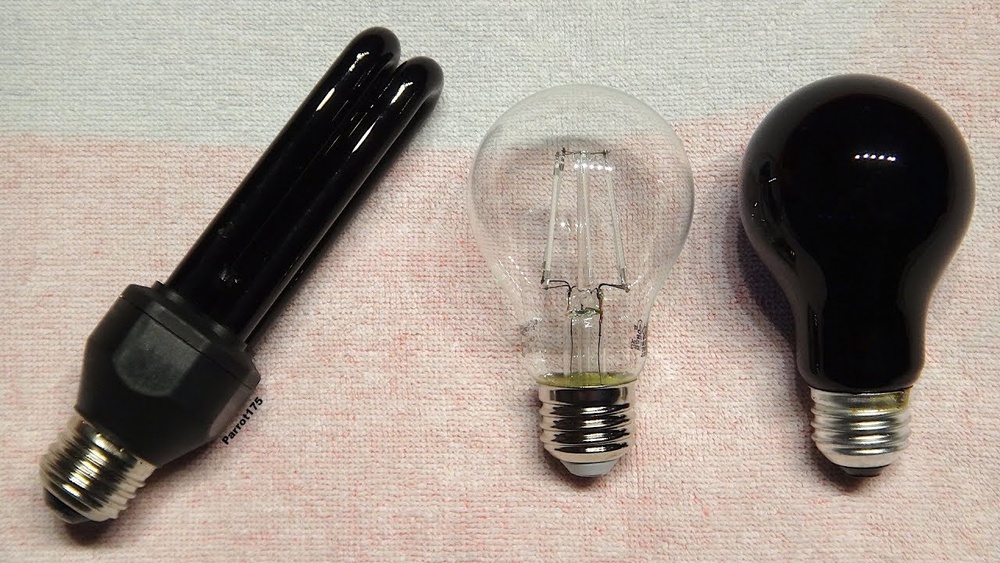
Have you ever wondered why LED lights never come in black? It might seem like a simple question, but the answer reveals a lot about how these tiny lights work and why they’re designed the way they are.
If you’re curious about the science behind LED colors and what stops black from being an option, you’re in the right place. Keep reading, and you’ll discover surprising facts that change how you see everyday lighting—and maybe even why your room looks the way it does under certain lights.
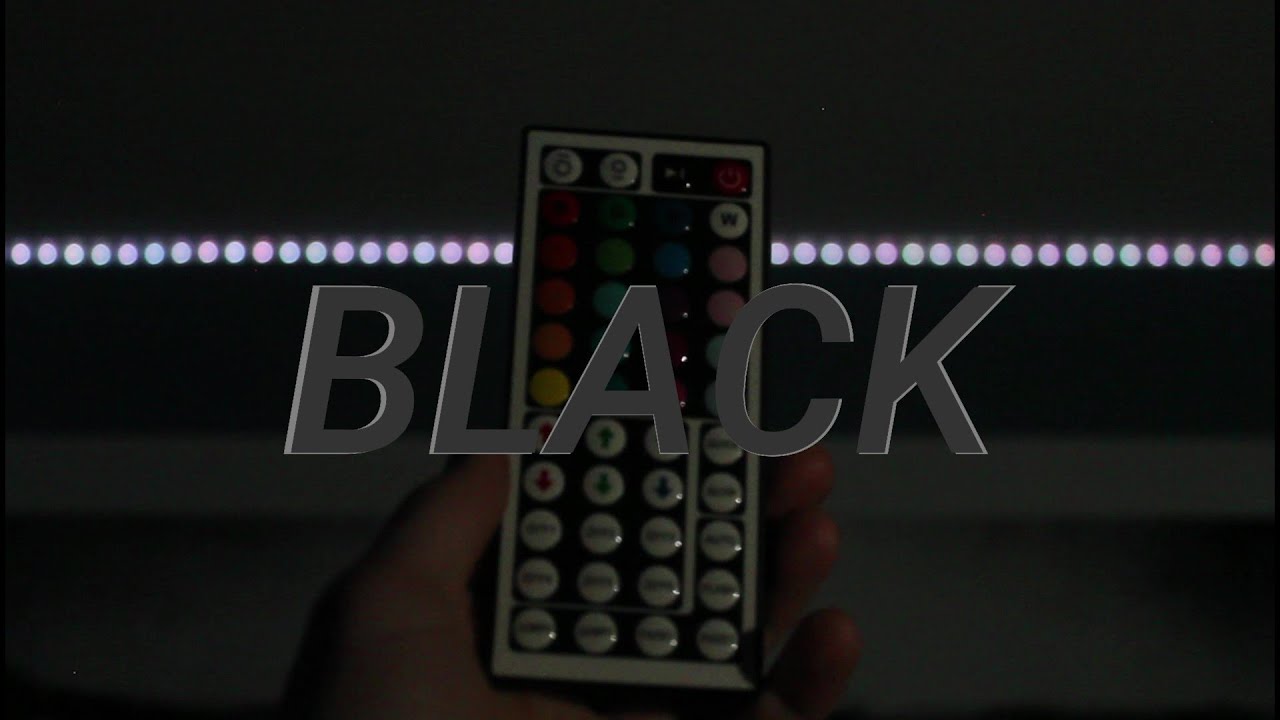
Color Basics Of Leds
Understanding the color basics of LEDs helps explain why black LED lights do not exist. LED colors come from how these lights produce light and the materials inside them. This section breaks down the science behind LED colors.
Knowing the color basics also shows why black, which means no light, cannot be made by LEDs. Let’s explore how LEDs emit light, the role of semiconductor materials, and common LED colors.
How Leds Emit Light
LEDs create light through a process called electroluminescence. When electricity flows through the LED, electrons move and release energy. This energy appears as light. The light’s color depends on the energy released.
Role Of Semiconductor Materials
The color of LED light depends on the semiconductor materials inside. Different materials release different energy levels. These energy levels match specific colors in the light spectrum. Changing materials changes the LED color.
Common Led Colors
LEDs come in many colors like red, green, blue, and white. These colors cover most uses in lighting and displays. Black is not a color LEDs can create. Black means no light, and LEDs always emit some light.
Why Black Leds Don’t Exist
Black LEDs do not exist because of how light and color work. LEDs produce light by emitting photons. Black is the absence of light, which creates a unique problem for LEDs. This section explains why black LEDs are impossible.
What Black Color Represents
Black is not a color in the usual sense. It means no light is reflected or emitted. It is the result of all light being absorbed. Black surfaces absorb almost all visible light without reflection.
An LED, on the other hand, must emit light to be visible. It cannot emit “no light” or black. This makes a black LED a contradiction in terms.
Light Emission Vs. Light Absorption
LEDs work by emitting light through electrical energy. They convert electricity into photons of specific colors. To appear black, a surface must absorb light, not emit it.
Light emission and light absorption are opposite processes. An LED that emits light cannot absorb it at the same time. This physical fact prevents black LEDs from existing.
Physical Limitations
The materials inside LEDs emit light due to their energy states. These materials cannot emit zero light and still function as LEDs. A black LED would require no photon emission, which is impossible.
Even if an LED is off, it is not emitting light. It is simply inactive, not black. Therefore, LEDs cannot be designed to glow black or dark.
Attempts At Dark Leds
Attempts to create dark or black LEDs have intrigued many in lighting design. People want LEDs that appear dark when off but still shine bright when on. This idea seems simple but faces many obstacles. Scientists and engineers have tried several methods to achieve this effect. These efforts reveal why true black LEDs remain rare and difficult to produce.
Using Filters And Covers
One method uses filters or covers to darken LED appearance. These layers sit over the light source. They absorb some light and reduce glare. Filters can make LEDs look darker when off. But they also block some light when the LED is on. This reduces brightness and changes color quality. Filters are a partial solution but not perfect.
Challenges With Black Coating
Another attempt is black coating on LED parts. The coating hides light inside the device. It can make the LED look black from outside. But coating absorbs light that should come out. This lowers efficiency and brightness. Also, heat builds up because light energy turns to heat. Black coating can damage LEDs and reduce lifespan.
Impact On Light Output
Darkening methods directly affect LED light output. Using filters, covers, or coatings reduces brightness. Some light is lost or changed in color. This affects how well the LED performs in real use. Dark LEDs often have weaker light and less vivid colors. This trade-off limits their use in many applications.
Applications Of Dark-looking Lights
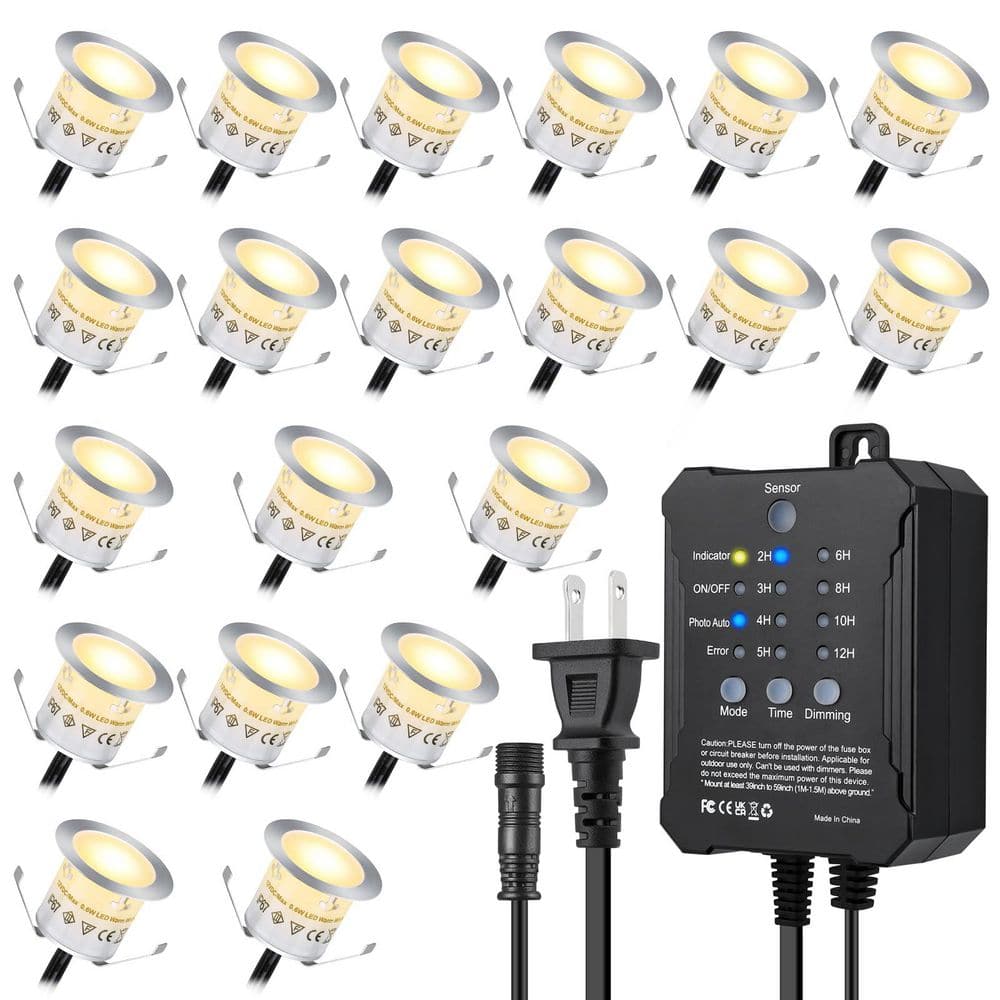
Dark-looking lights have special uses in many fields. These lights blend into dark backgrounds and create subtle effects. They help devices stay less visible while still showing information. Such lights are useful where bright LEDs could be distracting or unwanted.
Designers and engineers choose dark lights for their unique look and function. They fit well in stylish gadgets and stealthy equipment. Dark lights also serve as low-visibility indicators in many tools and machines. This section explains their key applications and the options available.
Stealth And Aesthetic Uses
Dark-looking lights help devices remain hidden in low light. Military gear uses them to avoid detection at night. Spy cameras and drones also rely on subtle lighting. Designers use these lights to keep a sleek, modern style. They add elegance without bright, glowing spots. Dark lights keep the focus on the design, not the light source.
Low-visibility Indicators
Some machines need indicators that do not distract users. Dark-looking LEDs show status without shining too bright. They work well in control panels and dashboards at night. These lights alert without disturbing the user’s vision. Low-visibility indicators improve safety and comfort. They guide users quietly in dark environments.
Alternatives To Black Leds
True black LEDs do not exist because LEDs emit light. Instead, dark-colored covers or filters create a black look. Smoke-tinted lenses reduce brightness while keeping light visible. Dimmed or low-intensity LEDs also appear darker. Some use red or amber LEDs with dark housings. These methods give the illusion of black lights. They meet needs where black LEDs cannot.
Future Of Led Color Technology
The future of LED color technology looks bright and full of change. Scientists and engineers keep exploring new ways to improve LED lights. These changes will bring new colors and better light quality. The quest to create colors like black LEDs continues to inspire research. The focus is on creating lights that are more vibrant and energy efficient.
Advances In Material Science
New materials help create different LED colors. Scientists study materials that can change how light appears. Some materials absorb more light, which may lead to darker LED shades. Research in nanotechnology improves light control at the smallest levels. These advances could help develop LEDs with unique color effects.
Potential For New Color Innovations
LED technology aims to create colors beyond the current range. Innovations may allow LEDs to mimic colors like black or deep gray. Mixing different light wavelengths could produce new shades. Future LEDs might change color based on user needs. These innovations will expand how LEDs are used in homes and devices.
Research On Light Manipulation
Light manipulation is key to making new LED colors. Scientists work on controlling light direction and intensity precisely. Techniques like quantum dots show promise in tuning LED colors. Controlling light at the atomic level may bring darker LED colors. This research pushes the limits of what LED lights can do.

Frequently Asked Questions
Why Can’t Led Lights Be Black In Color?
LED lights can’t be black because black absorbs light instead of emitting it. LEDs work by producing visible light. A black LED would absorb its own light, making it ineffective and defeating its purpose.
How Do Led Colors Affect Their Brightness?
LED color affects brightness due to varying wavelengths. Some colors like blue and green appear brighter. Black would absorb light, reducing brightness drastically. Thus, LED colors are chosen for optimal visibility and efficiency.
Can Black Leds Be Manufactured With Current Technology?
Currently, black LEDs cannot be manufactured because the material absorbs light. LEDs require materials that emit light when electric current passes. Black surfaces absorb light, so producing a functional black LED isn’t feasible.
What Materials Are Used In Led Lights Instead Of Black?
LEDs use semiconductor materials like gallium arsenide, which emit light efficiently. These materials are designed to produce specific colors. Black materials absorb light and are unsuitable for LED manufacturing.
Conclusion
Black LED lights cannot work because they absorb light. LEDs need light to shine and show color. Black color does not emit light, so it is not possible. This is why LED lights come in bright and visible colors. Understanding this helps when choosing the right LED for projects.
Now you know why black LEDs do not exist. Simple science explains it all. Keep this in mind for future lighting choices.











Leave a Reply