


Have you ever wondered why LED lights, despite their bright and sometimes flashy appearance, aren’t illegal? If you’ve seen these lights everywhere—from cars to homes—you might question their safety and legality.
The truth might surprise you. Understanding why LED lights are allowed can help you make smarter choices for your own space and safety. Keep reading to discover the real reasons behind their legality and what it means for you.
Led Light Basics
LED lights are a popular choice for many people today. They use less energy and last longer than old bulbs. Understanding the basics of LED lights helps explain why they are safe and not illegal. These lights work differently from traditional bulbs and have many uses in daily life.
How Led Lights Work
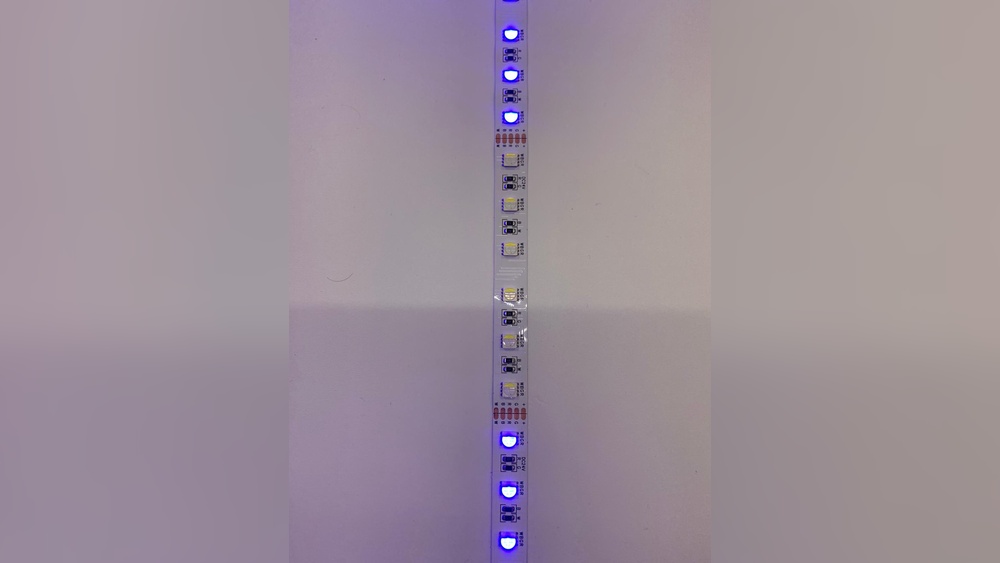
LED stands for Light Emitting Diode. It creates light when electricity passes through a tiny chip. This chip sends out light without getting hot like old bulbs. LEDs use less power and last much longer. They do not waste energy as heat, making them very efficient.
Common Uses Of Led Lights
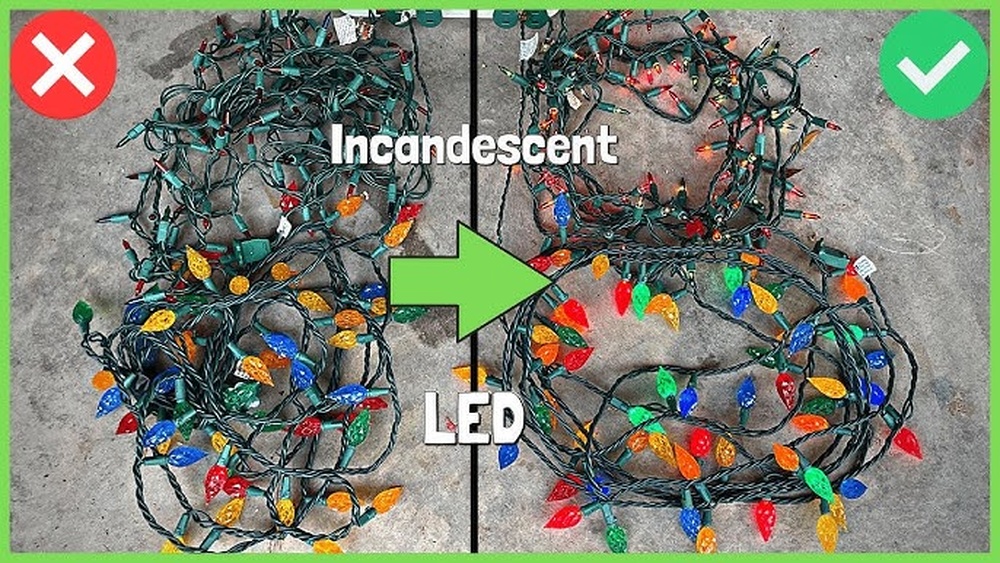
People use LED lights in many places. They light homes, offices, and streets. Cars use LEDs for headlights and signals. Stores use them to show products brightly. Even holiday decorations often have LED lights. Their low energy use and long life make them popular everywhere.

Safety Standards For Led Lights
LED lights are safe because they meet strict safety standards. These standards ensure LEDs do not harm users or cause accidents. Safety rules cover electrical use, heat, brightness, and materials.
Governments and organizations set these rules. LED makers must follow them to sell products legally. This process keeps LED lights safe for homes, offices, and public spaces.
Regulatory Bodies And Guidelines
Several agencies control LED safety worldwide. In the US, the Consumer Product Safety Commission (CPSC) plays a big role. The International Electrotechnical Commission (IEC) also sets global standards.
They create rules about electrical safety, light quality, and environmental impact. These rules protect people from shocks, burns, and bad light effects. LED producers must follow these guidelines to avoid legal issues.
Testing And Certification Processes
LED lights go through many tests before sale. Experts check how the light works and if it is safe. Tests include electrical safety, heat control, and material quality.
Certification shows a product passed these tests. Labels like UL, CE, or ENERGY STAR mean the LED meets standards. Certified LEDs reduce risks and increase buyer confidence.
Myths About Led Light Legality
Many people wonder why LED lights are not illegal despite their bright and sometimes intense glow. There are several myths about the legality of LED lights that confuse the public. Understanding these myths helps clear doubts and explains why LED lights remain widely available and safe to use.
Common Misconceptions
One common myth is that LED lights cause too much glare and distract drivers. While some LED lights are very bright, most meet safety standards. Another false belief is that LED lights interfere with other devices. LED lights use low energy and do not cause harmful interference. Some think LED lights are illegal because they are used in police or emergency vehicles. Actually, the lights sold for public use have different colors and patterns that are legal.
Sources Of Confusion
Many laws differ by region, which causes confusion about LED light rules. Some people mix up brightness rules with color restrictions. LED lights come in many colors, but only certain colors are restricted for specific uses. Online sellers sometimes promote illegal LED products, adding to the confusion. Lastly, new technology often leads to misunderstandings about safety and legality. Clear rules exist, but myths make people unsure about LED light legality.
Environmental Impact Of Led Lights
LED lights have a big effect on the environment. They use less energy and last longer than old lights. This means fewer resources are needed. Also, less waste is made. These factors help protect the planet.
Understanding how LED lights impact the environment shows why they are allowed. Their benefits outweigh many concerns.
Energy Efficiency Benefits
LED lights use up to 80% less energy than traditional bulbs. This saves electricity and lowers pollution from power plants. Less energy use means fewer carbon emissions. It helps reduce global warming. LED lights also produce less heat, making them safer and better for homes.
Comparisons With Traditional Lighting
Old lighting like incandescent bulbs waste most energy as heat. They use more electricity and burn out fast. CFL bulbs use less energy but contain mercury, which is harmful. LED lights last much longer and have no toxic materials. They are safer to use and throw away. This makes LEDs a better choice for the environment.
Health And Led Lighting
LED lights have grown popular for homes and offices. People often wonder about their safety. Health concerns about LED lighting keep many curious. Understanding health effects helps explain why LED lights are legal.
LEDs use less energy and last longer than old bulbs. Their light quality can affect people differently. Research shows some effects on eyes and overall health. Knowing these effects helps us use LED lights wisely.
Effects On Eye Health
LED lights emit a bright, focused light. This light can cause eye strain after long exposure. Some people feel discomfort or dry eyes from LEDs. But these effects are usually mild and temporary. Using LED lights with proper brightness reduces eye problems.
Compared to older bulbs, LEDs flicker less, which is better for eyes. Modern LEDs have filters to soften harsh light. This helps prevent headaches and fatigue. Eye doctors suggest breaks during long screen or LED light use.
Blue Light Concerns
LED lights often produce blue light, which can affect sleep. Blue light interferes with melatonin, a hormone that controls sleep cycles. Too much blue light at night may cause trouble sleeping.
Daytime exposure to blue light helps keep people alert and awake. Not all blue light exposure is harmful. Many LED lights now reduce blue light to protect users. Using warm-colored LEDs at night can improve sleep quality.

Legal Cases And Precedents
Legal cases and precedents play a key role in shaping laws about LED lights. Courts have examined whether these lights break any rules or cause harm. These cases help explain why LED lights remain legal. They also guide future decisions about technology and safety.
Notable Legal Challenges
Several lawsuits questioned the use of LED lights on vehicles and public spaces. Some argued that bright LED lights could distract drivers or cause accidents. Others raised concerns about health effects from strong LED brightness. Courts reviewed scientific evidence and safety standards in each case. Most challenges focused on balancing innovation and public safety.
Outcomes And Implications
Most courts ruled that LED lights do not break laws when used properly. Judges highlighted existing regulations that control brightness and placement. These rulings supported the continued use of LED lights in many settings. Courts emphasized compliance with safety rules rather than banning the technology. This approach allows innovation while protecting public interests.
Future Of Led Lighting
The future of LED lighting looks bright and full of promise. LED technology keeps evolving fast. This growth brings better lights that save energy and last longer. New features and designs will change how we light homes, offices, and streets.
People want lights that are efficient and safe. LED lights meet these needs better than many other options. They also help reduce power use and pollution. This makes them popular worldwide.
Technological Advances
LED lights improve with new technology every year. They use less energy while giving off more light. Smart LED systems can change brightness and color by remote control. Some LEDs now connect to phones or home systems.
Scientists work on LEDs that last even longer. They also try to make LEDs cheaper and easier to recycle. These advances help LED lighting stay the top choice.
Potential Regulatory Changes
Governments watch lighting rules closely to protect people and the environment. Current laws support LED use because they save energy. Future rules may require even more efficient LED lights.
Some places might set limits on brightness or color temperature. This ensures lights do not cause glare or harm eyesight. Regulations may also focus on safe disposal of LED products.
Changes will guide manufacturers to produce safer and greener LED lights. This keeps LED lighting legal and widely used for years to come.

Frequently Asked Questions
Why Aren’t Led Lights Illegal Despite Brightness Concerns?
LED lights are energy-efficient and safe when used correctly. Regulations limit their brightness and color to prevent hazards, so they remain legal and widely accepted.
Are Led Lights Harmful To Human Eyes Or Health?
Properly designed LED lights do not harm eyes or health. Excessive exposure to very bright or blue-rich LEDs may cause discomfort, but standards control these risks.
Do Led Lights Cause More Light Pollution Than Other Bulbs?
LEDs can reduce light pollution by focusing light better. Poorly installed LEDs may increase glare, but proper usage helps minimize environmental impact.
Can Led Lights Interfere With Vehicle Or Aircraft Safety?
LED lights must meet strict standards to avoid glare or distraction. Compliance ensures they do not interfere with driver or pilot visibility, keeping roads and skies safe.
Conclusion
LED lights remain legal because they offer many benefits. They use less energy and last longer than other bulbs. Their brightness and color options suit many needs. Safety standards keep their use safe for everyone. Laws balance innovation with public safety.
People enjoy LED lights for homes and businesses. They help save money and protect the environment. So, LED lights stay legal and popular worldwide. Easy to use and eco-friendly. That is why they are here to stay.





Leave a Reply