

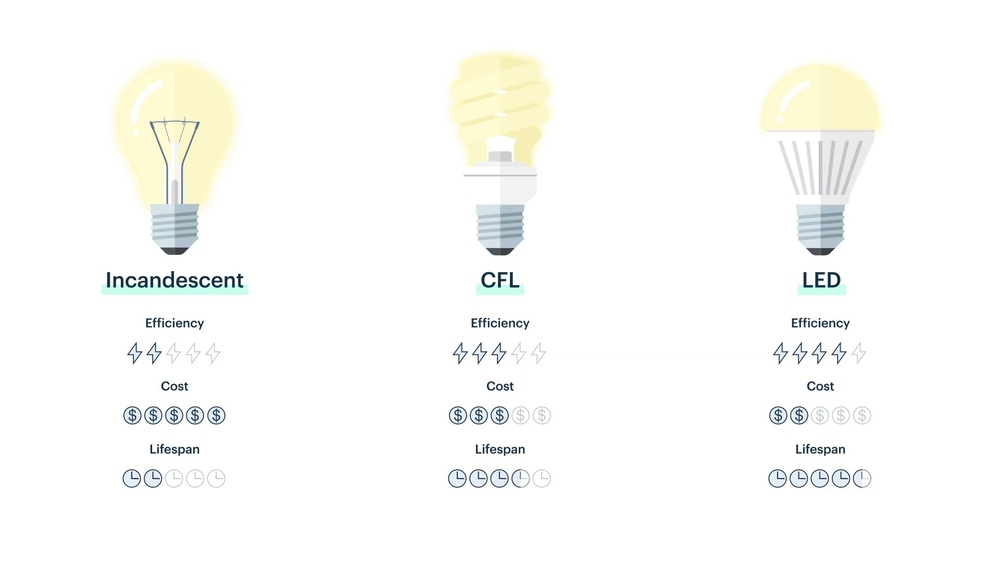
Have you ever wondered why some people are against LED lights, even though they seem to save energy and last longer? You might think LEDs are the perfect lighting solution, but there’s more to the story.
You’ll discover surprising reasons why LED lights can cause concerns and why some individuals prefer to avoid them. Keep reading, because what you learn here might change the way you see your own lighting choices.

Health Concerns
Many people worry about the health risks of LED lights. These lights are common in homes and offices. Some users feel discomfort after long exposure. Concerns focus on effects on the eyes and overall health.
Eye Strain And Discomfort
LED lights can cause eye strain. The light may flicker or be too bright. This leads to headaches and tired eyes. People working under LED lights often complain of discomfort. Brightness and flicker can make reading or screen work hard.
Blue Light Exposure
LEDs emit a lot of blue light. Blue light affects the eyes more than other colors. It can disturb sleep patterns. Exposure to blue light at night may reduce melatonin. This hormone helps regulate sleep. Many worry about how blue light changes their daily rest.
Potential Long-term Effects
Scientists study if LED lights cause lasting harm. Some suggest long exposure might damage the retina. The retina is sensitive tissue in the eye. Damage there can affect vision over time. More research is needed, but caution remains important for many.
Environmental Impact
LED lights are often praised for their energy efficiency. Yet, some people worry about their impact on the environment. Understanding these concerns helps us see the full picture. The environmental impact of LED lights covers many areas. These include how they are made, how they are thrown away, and how much energy they really use.
Manufacturing Footprint
Making LED lights needs rare materials like metals and minerals. Mining these materials harms nature and uses a lot of water. Factories that produce LEDs also release waste and pollution. This process can hurt air and water quality near the plants. The total effect of making LEDs can be bigger than expected.
Disposal And Recycling Challenges
LED lights contain small amounts of toxic elements like lead and arsenic. Throwing them in the trash can pollute soil and water. Recycling LEDs is possible but not easy or common. Many places lack proper systems to recycle LED parts. This leads to more waste and environmental risks.
Energy Consumption Myths
People often say LEDs use very little energy. They do save energy compared to old bulbs. Yet, some argue that the energy spent making LEDs cancels out these savings. Others believe that constant upgrades cause more waste and energy use. These points make some question if LEDs are truly green.
Quality And Performance Issues
LED lights have many benefits but some people find issues with their quality and performance. These problems affect how well the lights work and how long they last. Understanding these issues helps explain why some avoid LED lights.
Color Rendering Problems
LED lights sometimes show colors oddly. They may make colors look dull or unnatural. This happens because some LEDs have poor color rendering index (CRI). A low CRI means colors do not appear true to life. This issue can be frustrating in places where color matters, like homes or stores.
Flickering And Dimming
Many LED lights flicker or dim unexpectedly. Flickering can cause eye strain and headaches. Dimming may not work smoothly with all LED bulbs. Some require special dimmer switches. Flickering and dimming problems lower the comfort of using LED lights.
Durability Concerns
People worry about LED lights lasting as long as claimed. Some LEDs fail earlier due to poor build quality. Heat can damage LED components over time. Water or dust can also harm LED lights if not protected well. These durability issues make some doubt LED reliability.
Economic Factors
Economic factors play a big role in why some people hesitate to switch to LED lights. The cost of these lights can feel high upfront. This makes buyers pause before making a purchase. Also, not all expenses are clear at the start. Some hidden costs can surprise users later. Finally, many people get mixed messages about the price and value of LED lights. This confusion adds to their doubts.
High Initial Costs
LED lights often cost more than traditional bulbs at first. This initial price can discourage many buyers. People see the price tag and think it is too expensive. They forget that LEDs last longer and use less power. The upfront cost can feel like a big hurdle to cross.
Hidden Expenses
Some costs of LED lights do not show up immediately. Installation may need special fittings or wiring. These add extra charges to the total cost. Repairs can be harder and cost more than regular bulbs. Such hidden expenses make people wary of switching.
Market Misinformation
Many buyers hear wrong or unclear facts about LED lights. Some think LEDs use more energy or do not last long. Others believe LEDs are bad for their health or eyes. These false ideas cause hesitation and mistrust. Without clear information, people stick to old lighting methods.
Cultural And Aesthetic Preferences
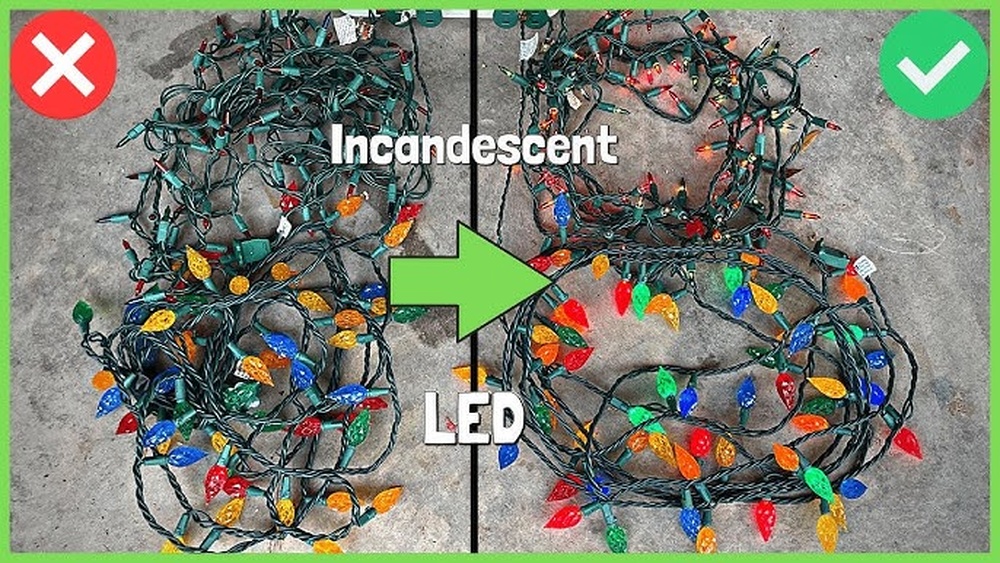
People often prefer lighting that fits their culture and style. These preferences shape how they feel about LED lights. Many find LEDs too harsh or cold. They miss the warm glow from older bulbs. This affects how comfortable a space feels.
Lighting Ambiance Differences
LED lights often produce a bright, white light. This looks clean but can feel less cozy. Traditional lights give a softer, warmer glow. People value this warmth for homes and gatherings. LED’s crisp light may not match certain moods or settings.
Resistance To Change
Changing lighting means changing habits and feelings. People stick to what they know well. They fear new lights might spoil familiar spaces. This makes them slow to adopt LED technology. Comfort and routine often outweigh efficiency or cost.
Traditional Lighting Loyalty
Many trust bulbs used for decades. These lights carry memories and cultural meaning. People link them to family and tradition. LED lights feel unfamiliar and less personal. This loyalty keeps older lighting styles alive.
Regulatory And Safety Issues
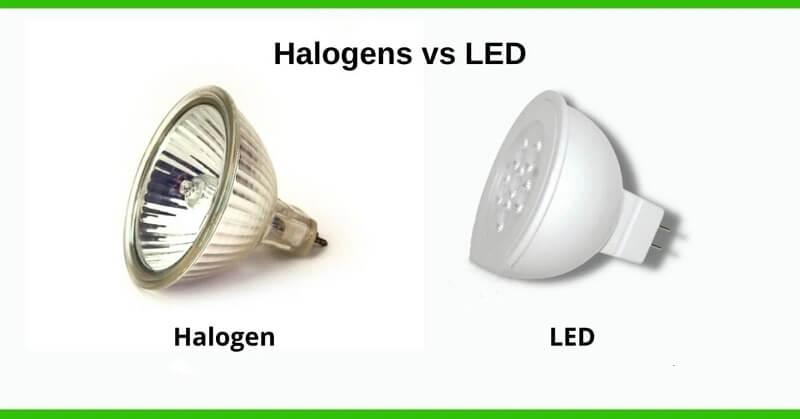
Regulatory and safety issues play a big role in why some people oppose LED lights. These concerns often arise due to the lack of clear rules and standards. Without proper guidelines, risks increase for consumers and manufacturers alike. Safety problems can lead to accidents and damage. Understanding these issues helps explain the ongoing debate around LED lighting.
Lack Of Standardization
LED lights come in many types and qualities. No single global standard controls their production. This causes confusion about which products are safe. Some LEDs do not meet basic safety requirements. Buyers struggle to know which lights will last and work well. The absence of standards makes it hard to trust LED products fully.
Counterfeit Products
Fake LED lights flood the market. These counterfeit products often look real but lack quality. They may use cheap materials that fail quickly. Counterfeits can cause electrical problems or fires. Consumers risk spending money on unsafe lights. The presence of fake LEDs harms the reputation of good brands.
Safety Hazards
Poorly made LED lights can overheat and break. Faulty wiring or bad design raises fire risks. Some LEDs emit blue light that strains the eyes. Improper installation may cause electrical shocks. Safety hazards worry many people about LED use. Proper regulation and quality checks are needed to reduce these dangers.

Frequently Asked Questions
Why Do Some People Dislike Led Lights?
People dislike LED lights due to harsh brightness and blue light emission. These factors cause eye strain and discomfort in some individuals.
Are Led Lights Harmful To Eye Health?
Yes, prolonged exposure to LED blue light can cause eye fatigue and disrupt sleep patterns. Proper usage and filters help reduce these effects.
Do Led Lights Negatively Impact The Environment?
LEDs use less energy but contain rare metals. Improper disposal can harm the environment, requiring responsible recycling practices.
Why Do Led Lights Flicker Or Buzz?
LED flickering or buzzing is caused by poor-quality drivers or incompatible dimmers. This can annoy users and reduce LED lifespan.
Conclusion
Many people avoid LED lights due to concerns about brightness and color. Some find the light too harsh or cold for their eyes. Others worry about the environmental effects of manufacturing LEDs. Cost also plays a role, as LEDs can be pricier upfront.
Despite these issues, LEDs save energy and last longer than traditional bulbs. Choosing the right LED can solve many problems. Understanding both pros and cons helps make a smart choice. What matters most is finding light that feels good for you.



Leave a Reply