


Are you worried about how your LED lights might affect your eyes? You’re not alone.
With so many options available, it’s easy to feel overwhelmed and unsure which lights are truly safe. Choosing the right LED lights can protect your vision and keep your eyes comfortable all day long. You’ll discover simple tips and clear answers to help you pick LED lights that won’t strain or harm your eyes.
Keep reading to find out how to make the best choice for your eye health.
Eye Safety And Led Lights
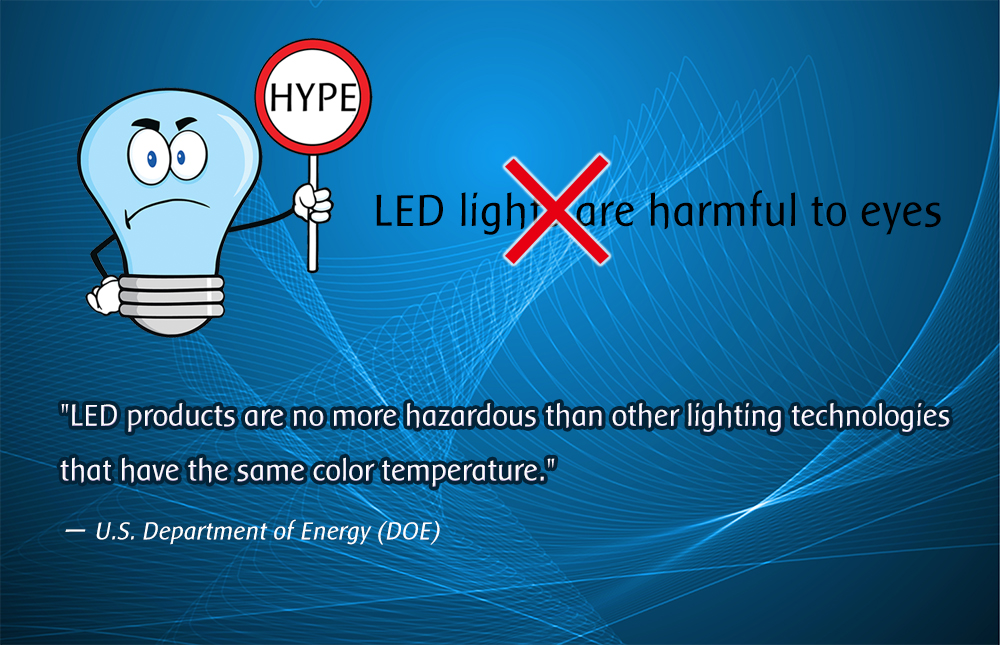
LED lights are popular for their energy efficiency and bright light. Many people use them at home and work. But eye safety with LED lights is important to know. Some LED lights can cause discomfort or harm to your eyes. Understanding how LEDs affect your eyes helps you choose safe lighting.
How Leds Affect Eye Health
LED lights produce blue light. Blue light has a short wavelength and high energy. It can reach deep into the eye and affect the retina. Too much blue light may cause damage over time. Bright or flickering LEDs can also strain your eyes. Choosing LEDs with lower blue light levels helps protect your eyes.
Common Eye Strain Symptoms
Eye strain from LED lights causes tired, dry, or itchy eyes. You might feel headaches or blurred vision. Your eyes may water or become sensitive to light. These symptoms appear after long exposure to harsh light. Taking breaks and using softer LED lights reduces eye strain.
Risks Of Prolonged Exposure
Long exposure to high-intensity LEDs can harm eye health. It increases the risk of macular degeneration and other eye problems. Children and older adults are more sensitive to blue light. Using LED lights with proper brightness and color temperature lowers risks. Protecting your eyes means choosing safe LED options and limiting exposure time.

Choosing The Right Led Lights
Choosing the right LED lights is important for eye safety and comfort. Not all LED lights are the same. Some can cause eye strain or discomfort. Picking the right color temperature, brightness, and flicker level helps protect your eyes. Here are key points to consider when selecting LED lights.
Color Temperature And Its Impact
Color temperature affects how light looks and feels. Lower temperatures, like 2700K, give warm, yellow light. This light is softer and easier on the eyes. Higher temperatures, like 5000K, create cool, blue light. Blue light can cause eye strain and disturb sleep. Choose warm or neutral light for reading and relaxing.
Brightness Levels To Consider
Brightness is measured in lumens. Too bright lights can hurt your eyes. Too dim lights make you squint. Find a balance that suits the room and task. For reading, 450-800 lumens is good. Use dimmable lights to adjust brightness. This helps reduce eye fatigue during long use.
Flicker And Its Effects
Flicker means rapid changes in light intensity. It can cause headaches and eye strain. Some LED lights have hidden flicker not easy to see. Look for flicker-free or low flicker LED bulbs. These provide steady light and protect your eyes better. Flicker-free lights improve focus and comfort.
Features Of Eye-friendly Leds
Choosing the right LED lights matters for eye health. Eye-friendly LEDs reduce strain and discomfort. They have specific features that protect your eyes during use. Understanding these features helps in selecting safe LED lights.
Blue Light Emission Standards
Blue light can harm eyes if exposure is too high. Eye-friendly LEDs follow strict blue light emission rules. These standards limit harmful blue light levels. They keep blue light within safe ranges. This reduces risks of eye strain and sleep problems.
Diffusers And Light Distribution
Good LEDs spread light evenly across a space. Diffusers soften harsh light and reduce glare. This helps prevent eye fatigue and headaches. Light distribution should be smooth, not spotty. Even lighting creates a comfortable environment for eyes.
Certification And Safety Labels
Certified LEDs meet safety and quality tests. Look for labels like CE, RoHS, or UL. These show the product is tested for eye safety. Certified lights ensure less flicker and better color quality. Choosing certified LEDs means safer lighting for your eyes.

Tips For Using Led Lights Safely
LED lights are popular for their brightness and energy savings. Using them safely helps protect your eyes from strain and discomfort. Follow simple tips to enjoy LED lighting without harm. These steps improve comfort and keep your vision healthy.
Proper Lighting Placement
Place LED lights where they do not shine directly into your eyes. Avoid positioning lights at eye level or in your direct line of sight. Use lampshades or diffusers to soften harsh light. Position lights above or beside your work area for balanced brightness.
Adjusting Ambient Lighting
Use ambient lighting to reduce contrast between bright LEDs and dark spaces. Combine LED lights with natural light or softer lamps for a gentle environment. Keep your room evenly lit to avoid eye strain. Adjust brightness to match your activity and time of day.
Taking Breaks To Protect Eyes
Rest your eyes regularly when using LED lights for long periods. Follow the 20-20-20 rule: every 20 minutes, look at something 20 feet away for 20 seconds. Close your eyes briefly or blink often to keep them moist. Breaks reduce fatigue and help maintain clear vision.
Led Alternatives For Sensitive Eyes
Sensitive eyes need gentle lighting to avoid strain and discomfort. Many LED lights emit blue light and flicker, which can irritate sensitive eyes. Choosing the right alternatives can help protect your vision and create a calm environment.
Warm White And Soft Lighting Options
Warm white lights have a yellowish glow that is easy on the eyes. They reduce glare and harshness often found in cool white LEDs. Soft lighting options spread light evenly, lowering eye fatigue. These lights create a cozy atmosphere, perfect for reading or relaxing.
Smart Lighting With Adjustable Settings
Smart lights offer control over brightness and color temperature. You can dim the lights or switch to warmer tones at night. This flexibility helps reduce eye strain during long use. Some smart bulbs also adjust automatically based on time of day.
Non-led Lighting Choices
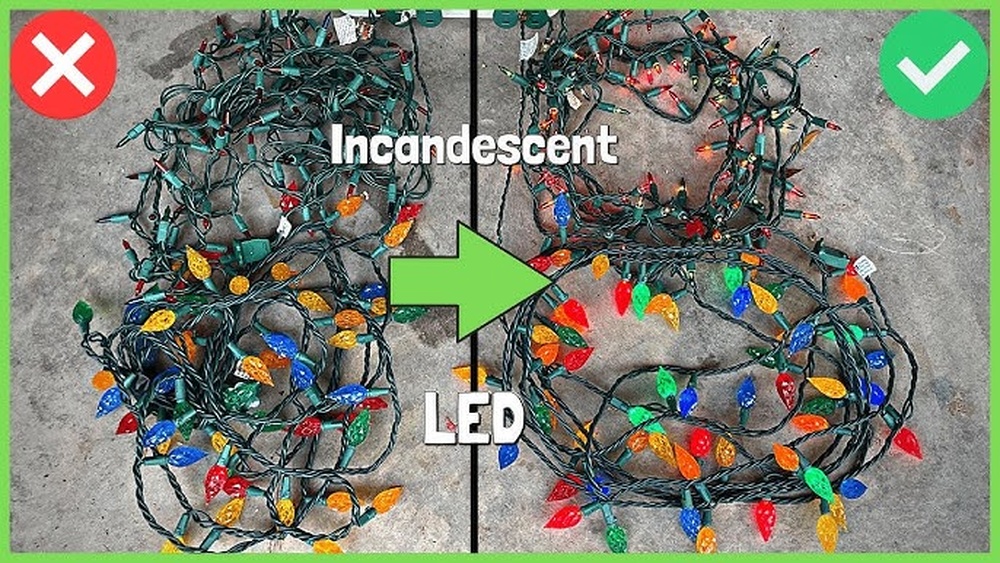
Non-LED lights like incandescent or halogen bulbs emit less blue light. They produce a natural, steady glow that is gentle for sensitive eyes. These options may use more energy but provide a comfortable lighting experience. Candlelight and salt lamps are also soothing alternatives.
Expert Recommendations
Choosing LED lights that protect your eyes is important. Experts share advice to help you pick safe lighting. These tips focus on quality, professional advice, and habits to keep your eyes healthy.
Selecting Trusted Brands
Buy LED lights from well-known brands. These companies follow safety rules and use good materials. Trusted brands reduce risks of flicker and harmful blue light. Check product details for eye safety features. This helps avoid cheap lights that strain your eyes.
Consulting Eye Care Professionals
Ask an eye doctor about lighting for your space. They know how light affects your eyes. Eye care professionals can suggest the right brightness and color temperature. Follow their advice to reduce eye strain and discomfort. Regular eye check-ups catch problems early.
Maintaining Eye Health With Lighting
Use LED lights that have warm color tones. Avoid very bright or harsh white lights. Take breaks from screens and bright lights often. Adjust light position to avoid glare. These habits keep your eyes comfortable and healthy over time.
Frequently Asked Questions
What Led Lights Are Best For Eye Safety?
LED lights with warm white tones (2700K-3000K) are best. They reduce blue light exposure, which can strain eyes. Choose flicker-free, dimmable LEDs for comfort. Avoid overly bright or cool white LEDs to protect your eyes.
How Does Blue Light From Leds Affect Eyes?
Blue light from LEDs can cause eye strain and discomfort. Prolonged exposure may disrupt sleep patterns by affecting melatonin. Using LED lights with reduced blue light emission helps minimize these effects and keeps your eyes safe.
Are Flicker-free Led Lights Better For Eyes?
Yes, flicker-free LED lights reduce eye strain and headaches. Flickering can cause discomfort, especially during long usage. Choose LEDs with stable current and flicker-free certification for safer, more comfortable lighting.
Can Led Brightness Harm My Eyes?
Excessive LED brightness can cause eye fatigue and discomfort. Use adjustable or dimmable LEDs to control light intensity. Proper brightness levels ensure eye safety and reduce strain during extended use.
Conclusion
Choosing LED lights that protect your eyes matters a lot. Soft, warm white lights reduce strain and discomfort. Avoid blue-rich, very bright LEDs to keep eyes safe. Flicker-free and dimmable options help prevent headaches. Remember, quality matters more than price when picking LED lights.
Your eyes will thank you with better comfort and less fatigue. Brightness and color temperature play key roles in eye safety. Simple changes in lighting can improve how your eyes feel daily. Keep these tips in mind for healthier, safer lighting at home or work.


Leave a Reply