

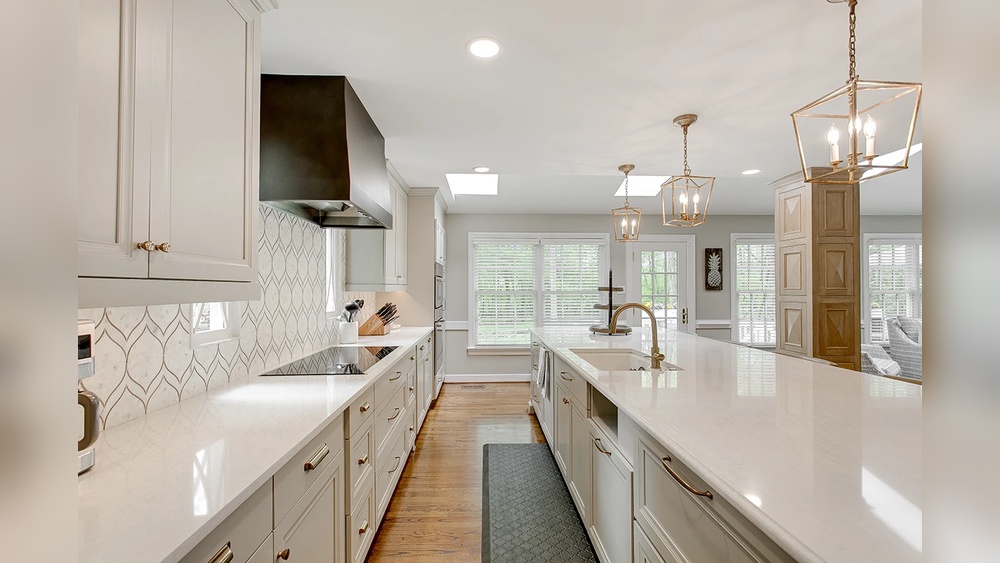
Are you looking to brighten up your home while saving money and energy? Choosing the right LED lights can make a huge difference in how your space feels and functions.
But with so many options available, it’s easy to feel overwhelmed. Which LED lights will give you the best brightness, color, and efficiency? This guide will help you find the perfect LED lighting for your home, so you can create a cozy, stylish, and energy-smart environment.
Keep reading, and discover how the right light can transform your living space.

Types Of Led Lights
LED lights come in many types for home use. Choosing the right type helps save energy and improve light quality. Each type has its own shape, size, and features. Knowing these options makes it easier to pick the best LED lights for your rooms.
Different LED lights suit different needs. Some bulbs focus on brightness, others on color or smart control. Understanding these types helps create the right mood and save money on electricity bills.
Bulb Shapes And Sizes
LED bulbs come in many shapes and sizes. The most common are A-shape bulbs. These fit standard lamps and fixtures. Smaller bulbs like candle or globe shapes work well for chandeliers and decorative lights.
Spotlight and floodlight LEDs shine light in a focused area. They are perfect for kitchens or outdoor spaces. Always check the base size to match your lamp holder. This ensures easy installation and proper fit.
Color Temperature Options
Color temperature affects light feel and room mood. Warm white lights create cozy, relaxing spaces. They have a yellowish tone. Cool white lights look brighter and sharper. They are good for work areas and kitchens.
Daylight bulbs mimic natural sunlight. They offer clear visibility and boost focus. Pick the temperature based on room use. Bedrooms and living rooms suit warm tones. Offices and garages need cooler lights.
Smart Led Features
Smart LED lights offer extra control and convenience. You can change brightness and color with your phone. Some models work with voice assistants like Alexa or Google.
Smart LEDs save energy by scheduling on/off times. You can create scenes for different moods. These lights add comfort and modern style to your home. They fit well in living rooms and bedrooms.
Brightness And Lumens
Brightness is key when choosing LED lights for your home. It affects how well you see and the mood of a room. Lumens measure brightness and help you pick the right light. Understanding lumens and brightness makes choosing easier.
Measuring Brightness
Brightness shows how much light a bulb gives off. It is measured in lumens. Higher lumens mean brighter light. A bulb with 800 lumens is brighter than one with 400 lumens. Lumens tell you the true brightness, no matter the bulb type.
Lumens Vs Watts
Watts measure energy use, not brightness. Old bulbs had watts that matched brightness. LED bulbs use less watts but give the same lumens. For example, a 10-watt LED can give 800 lumens. Trust lumens for brightness, not watts.
Choosing Brightness For Different Rooms
Different rooms need different brightness levels. Living rooms need soft light, around 1,500-3,000 lumens total. Kitchens need bright light, about 3,000-4,000 lumens. Bedrooms work well with 1,000-2,000 lumens. Use dimmable LEDs for more control.
Energy Efficiency
Energy efficiency matters a lot when choosing LED lights for your home. It helps lower electricity bills and reduces the impact on the environment. LED lights use less power but give bright light. This makes them a smart choice for every room.
Using energy-efficient lights saves money over time. It also means fewer bulbs need replacing, which saves effort and waste. Knowing how LED lights compare to other bulbs helps you pick the best option.
Comparing Led With Other Bulbs
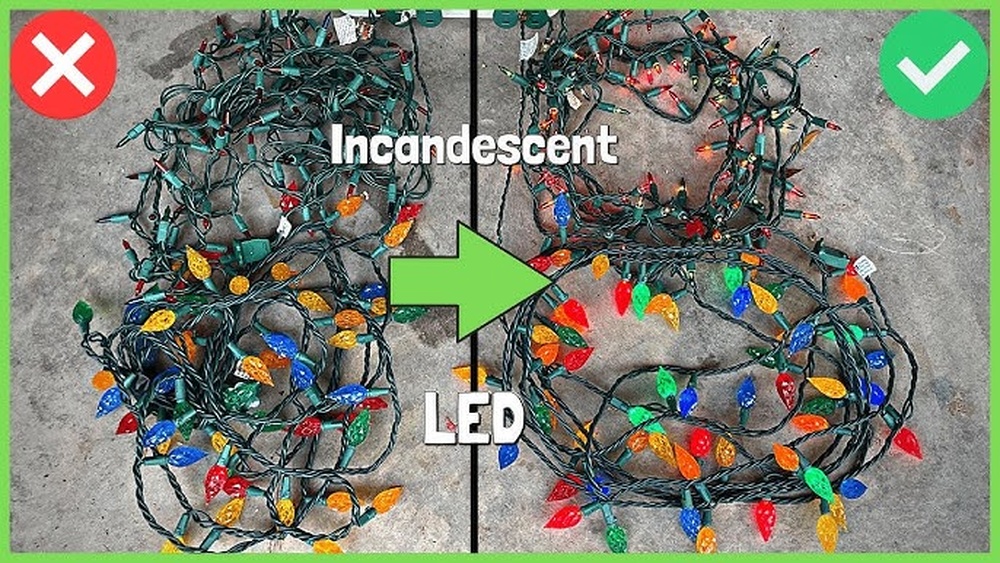
LED bulbs use about 75% less energy than traditional incandescent bulbs. They also last 25 times longer. CFL bulbs use less energy than incandescents but more than LEDs. LEDs turn on instantly and do not flicker like some CFLs. They give better light quality with less heat. LEDs are the best for saving energy and lasting long.
Energy Savings Tips
Choose LED bulbs with the right brightness and color for each room. Use dimmers or smart controls to lower light when full brightness is not needed. Turn off lights when leaving a room. Clean fixtures and bulbs to keep light bright and efficient. Use natural light during the day to reduce bulb use. These small steps add up to big savings.
Color Rendering And Quality
Color rendering and quality are key factors in choosing the best LED lights for your home. These features affect how colors look under the light. Good color rendering makes your rooms feel warm and natural. Poor quality lights can make colors appear dull or strange. This section explains what color rendering means and what to look for in home lighting.
Understanding Cri
CRI stands for Color Rendering Index. It measures how well a light source shows colors compared to natural light. The scale goes from 0 to 100. A higher CRI means colors look closer to how they appear in sunlight. For example, a CRI of 90 shows colors more clearly than a CRI of 70. CRI is important because it helps you choose lights that make your home look inviting.
Best Cri For Home Lighting
For home lighting, a CRI of 80 or above is good. This level shows colors fairly true and keeps rooms comfortable. For spaces like kitchens and living rooms, aim for CRI 90 or higher. This helps you see food colors and furniture details better. Avoid LEDs with CRI below 80. They can make rooms look washed out or unnatural. Choosing the right CRI improves your home’s atmosphere and comfort.
Dimmable And Smart Controls
Dimmable LED lights and smart controls offer great flexibility for home lighting. They allow users to adjust brightness and create the perfect mood in any room. These features also help save energy and extend the life of the bulbs.
Smart controls let you manage lights from your phone or voice assistant. This makes daily routines easier and adds convenience to your home lighting setup.
Benefits Of Dimmable Leds
Dimmable LEDs let you change light intensity with ease. Bright light helps with tasks, while soft light creates a cozy atmosphere. They also use less power at lower settings, which saves electricity.
These LEDs reduce eye strain by matching light to your needs. They last longer because they avoid constant full power. Dimming also protects your eyes during late-night use.
Integrating With Smart Home Systems
Smart LED lights connect easily to home automation systems. You can control them using apps or voice commands. This adds comfort and control to everyday life.
Scheduling lights to turn on or off saves energy and adds security. Smart controls can adjust lights based on time or activity. Integration works with popular systems like Alexa, Google Home, and Apple HomeKit.

Room-specific Led Recommendations
Choosing the right LED lights depends on the room. Each space has different needs for brightness and color. This section helps you pick the best LED lights for each room in your home. The right light makes the room more comfortable and useful.
Living Room Lighting
Use warm white LEDs in the living room. They create a cozy and inviting space. Choose dimmable lights to adjust brightness for different activities. Consider LED bulbs with a color temperature around 2700K to 3000K. Use floor lamps, ceiling lights, and table lamps for layered lighting.
Kitchen And Dining Areas
Bright, cool white LEDs work well in kitchens. They help you see clearly while cooking and cleaning. A color temperature between 4000K and 5000K is ideal. Use under-cabinet LED strips to light countertops. In dining areas, softer warm white LEDs create a relaxed mood for meals.
Bedroom Ambiance
Soft, warm white LEDs suit bedrooms best. They help you relax and prepare for sleep. Choose bulbs with a color temperature around 2700K. Use bedside lamps with dimmers to control light levels. Avoid bright, cool lights that can feel harsh at night.
Bathroom Lighting Needs
Bright, natural white LEDs improve visibility in bathrooms. Choose bulbs with a color temperature near 4000K. Use LED vanity lights around mirrors for clear reflection. Waterproof LED fixtures work well in wet areas. Good bathroom lighting supports grooming and safety.
Installation And Maintenance
Choosing the right LED lights for your home means thinking about installation and maintenance. These two factors affect how easy it is to set up and keep the lights working well. Simple installation saves time and effort. Easy maintenance keeps your home bright without extra cost or trouble.
Easy Installation Tips
Pick LED lights that fit your existing sockets. This avoids extra wiring and tools. Use LED bulbs with clear instructions for quick setup. Turn off the power before starting any installation. Use a sturdy ladder to reach high places safely. Test the lights after installation to check they work. Choose wireless or plug-in LED options for less hassle.
Longevity And Warranty
LED lights last longer than traditional bulbs. This lowers how often you need to replace them. Check the product’s lifespan before buying. A good LED light can last over 25,000 hours. Look for lights with a warranty to protect your purchase. Warranties usually cover defects and early failures. Keep the receipt and warranty card for future use.

Budgeting For Led Lights
Budgeting for LED lights is important to get the best value for your money. Choosing the right lights means balancing cost and quality. Planning your budget helps avoid spending too much or buying poor-quality products. It also ensures your home looks bright and saves energy.
Cost Vs Quality
Cheap LED lights may save money upfront but can fail quickly. High-quality LEDs last longer and use less power. They cost more but lower your electricity bills. Check the light’s brightness and color temperature. Good LEDs provide steady light without flicker. Look for energy ratings and warranty offers. Spending a little more pays off in the long run.
Where To Buy
Buy LED lights from trusted stores or online shops. Local hardware stores offer a chance to see the lights before buying. Online stores have more options and often better prices. Check reviews and ratings before purchasing. Avoid unknown brands with no clear details. Choose sellers with good return policies and customer support.
Frequently Asked Questions
Which Led Lights Are Best For Home Use?
Warm white LED lights (2700K-3000K) are ideal for homes. They provide a cozy, inviting atmosphere perfect for living spaces and bedrooms.
Are Energy-efficient Led Bulbs Better For Homes?
Yes, energy-efficient LED bulbs save electricity and lower bills. They last longer than traditional bulbs, making them cost-effective for home use.
What Led Brightness Suits Different Home Rooms?
Living rooms and kitchens need brighter LEDs (800-1600 lumens). Bedrooms and hallways work well with softer light (400-800 lumens) for comfort.
Can Smart Led Lights Improve Home Lighting?
Smart LED lights offer adjustable colors and brightness. They enhance convenience, mood setting, and energy management in modern homes.
Conclusion
Choosing the best LED lights for your home saves energy and money. Brightness, color temperature, and style matter most. Warm lights create cozy spaces, while cool lights boost focus. Look for energy-efficient bulbs with a long lifespan. Simple choices can improve your home’s mood and comfort.
Small changes make a big difference in daily life. Enjoy a well-lit home that suits your needs perfectly.





Leave a Reply