


Have you ever wondered when your LED lights will finally burn out? You rely on them every day, but unlike traditional bulbs, LEDs don’t just stop working suddenly.
Understanding when and why LED lights burn out can save you time, money, and frustration. You’ll discover the key signs to watch for, how long LED lights typically last, and what factors affect their lifespan. Keep reading to make sure your home or workspace stays bright without any unexpected surprises.
Lifespan Of Led Lights
The lifespan of LED lights is one of the main reasons many people choose them. Unlike traditional bulbs, LED lights last much longer. This means fewer replacements and less hassle. Understanding how long LED lights last helps you plan better for your lighting needs.
LED lights do not burn out suddenly. They slowly lose brightness over time. Knowing what affects their lifespan can help you get the most from your lights.
Typical Duration Of Led Bulbs
Most LED bulbs last between 25,000 and 50,000 hours. This is about 10 to 20 years for regular home use. Traditional bulbs usually last only 1,000 hours. LED lights save money by needing fewer replacements. Some high-quality LEDs can even last longer, depending on use.
Factors Affecting Led Longevity
Heat is a major factor that shortens LED life. Too much heat damages the bulb’s components. Good ventilation helps keep LEDs cool and working longer. Using the right voltage also protects LEDs from early failure. Frequent switching on and off can reduce their life. Quality of the bulb matters—cheaper LEDs often last less time. Proper installation and care extend the life of LED lights.

Common Causes Of Led Burnout
LED lights last longer than traditional bulbs but can still burn out. Understanding why LEDs fail helps you avoid early burnout. Several common causes lead to LED failure. These include overheating, voltage issues, and poor parts.
Overheating Issues
LEDs produce less heat than other bulbs but still need good cooling. Heat builds up inside the light and damages the LED chip. Poor heat management shortens LED life quickly. Make sure your LED has a heat sink or proper ventilation.
Voltage Fluctuations
LEDs work best with steady voltage. Sudden voltage spikes or drops stress the LED components. This stress causes the LED to fail faster. Using a reliable power source helps protect LEDs from voltage problems.
Poor Quality Components
Cheap LEDs often use low-quality parts. These parts break down faster, causing the LED to burn out. Investing in LEDs from trusted brands ensures better durability and longer life.
Signs Led Lights Are Failing
LED lights last much longer than traditional bulbs. Still, they do wear out over time. Spotting signs of failure early helps avoid sudden outages. Watch for changes in brightness, color, and startup behavior. These clues reveal when LED lights are near the end of their life.
Dimming And Flickering
Dimming is a common sign of a failing LED light. The bulb may not shine as brightly as before. Flickering means the light turns on and off quickly. It can be constant or happen randomly. Both signs mean the LED is losing power or has a loose connection.
Color Shifts
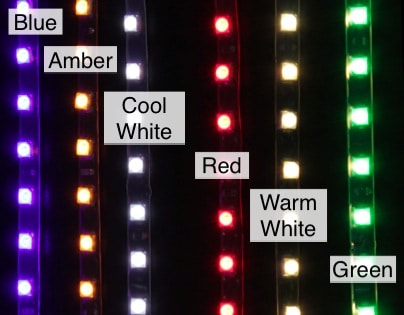
LED lights usually keep the same color over time. If the color changes, it signals a problem. The light may look yellow, blue, or even greenish. This shift shows the LED components are breaking down. Color changes often happen before the light fully burns out.
Delayed Start-up
LED bulbs should light up immediately. A delay in turning on means trouble. The light may blink several times before steady glow. This delay suggests the driver or internal parts are failing. Slow start-up is a clear warning to replace the LED soon.
Tips To Extend Led Lifespan
Extending the lifespan of LED lights helps save money and reduces waste. Proper care and smart choices keep LEDs shining longer. Follow these tips to make your LED lights last as long as possible.
Proper Installation Practices
Install LED lights carefully to avoid damage. Use the right tools and follow the instructions. Avoid forcing parts or bending wires too much. Secure connections prevent flickering and early burnout. Place LEDs where heat can escape easily.
Using Compatible Fixtures
Choose fixtures designed for LED lights. Some fixtures cause overheating or poor performance. Check the wattage and size before buying LEDs. Use dimmers made for LEDs to avoid flickering. Proper fixtures help LEDs run cooler and last longer.
Regular Maintenance
Clean LED lights and fixtures regularly to remove dust. Dust blocks heat and lowers LED lifespan. Turn off power before cleaning for safety. Check for loose connections or signs of wear. Replace faulty parts quickly to keep lights working well.
Energy Efficiency And Cost Benefits
LED lights offer strong benefits for energy use and costs. They use much less electricity than old bulbs. This means lower power bills and less harm to the environment. Their long life also cuts the need to buy replacements often.
Comparing Led To Traditional Bulbs
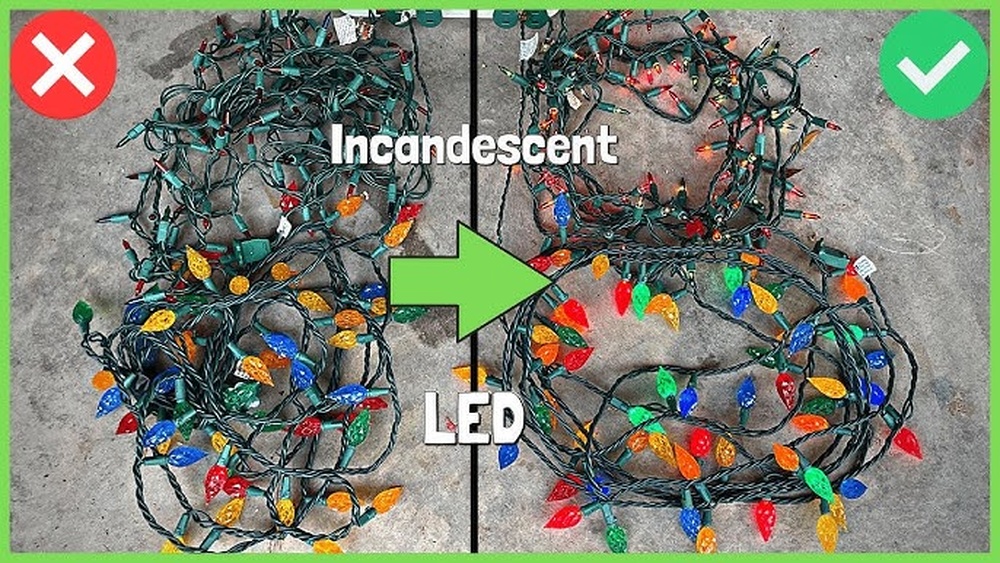
LED bulbs use about 75% less energy than incandescent bulbs. They produce the same brightness with far less power. Traditional bulbs waste much energy as heat. LEDs stay cool and shine brighter for longer.
Incandescent bulbs last around 1,000 hours. LEDs can last 25,000 hours or more. This means fewer bulb changes and less waste. LEDs also work well with dimmers and smart controls.
Long-term Savings
Though LED bulbs cost more upfront, they save money over time. Lower energy use cuts monthly electricity bills. Longer life means fewer purchases and less labor to change bulbs.
Businesses and homes see big savings by switching to LEDs. The savings grow each year as electricity rates rise. LEDs also reduce costs linked to cooling and maintenance.

Frequently Asked Questions
How Long Do Led Lights Typically Last?
LED lights usually last between 25,000 to 50,000 hours. This depends on usage, quality, and environmental conditions. Proper installation and ventilation also extend their lifespan significantly.
What Causes Led Lights To Burn Out Early?
Early burnout can result from voltage fluctuations, poor heat dissipation, or low-quality components. Overheating and improper installation also reduce LED lifespan.
Can Led Lights Burn Out Suddenly?
LEDs rarely burn out abruptly. They tend to dim gradually over time. Sudden failure usually indicates electrical issues or manufacturing defects.
How To Know When An Led Light Will Burn Out?
Signs include dimming, flickering, or color changes. Monitoring these signs helps predict when replacement is needed to avoid complete failure.
Conclusion
LED lights last much longer than traditional bulbs. They can burn out after many years of use. Factors like usage time and quality affect their lifespan. You can expect thousands of hours before they dim. Regular care helps keep them bright and efficient.
Choosing good LED lights means fewer replacements. This saves money and reduces waste in the long run. Understanding when LED lights burn out helps plan better lighting. Bright, reliable light is possible with simple knowledge.


Leave a Reply