

Have you ever wondered what makes LED lights so popular and why everyone is switching to them? Understanding the meaning of LED lights can change the way you think about lighting your home or workspace.
It’s not just about saving energy; it’s about improving your comfort, cutting costs, and even boosting your mood. Keep reading, and you’ll discover how LED lights work, why they matter to you, and how they can brighten your life in more ways than one.
This simple knowledge might just help you make smarter choices for your space.
What Led Lights Are
LED lights are small, energy-efficient sources of light. They use a special type of technology to create bright illumination. These lights have become very popular for homes, offices, and outdoor spaces. They last longer and use less power than old-style bulbs.
Understanding what LED lights are helps in choosing the right lighting for different needs. Their design and function make them useful in many places. This section explains the basic technology and the types of LED lights available.
Basic Technology Behind Led
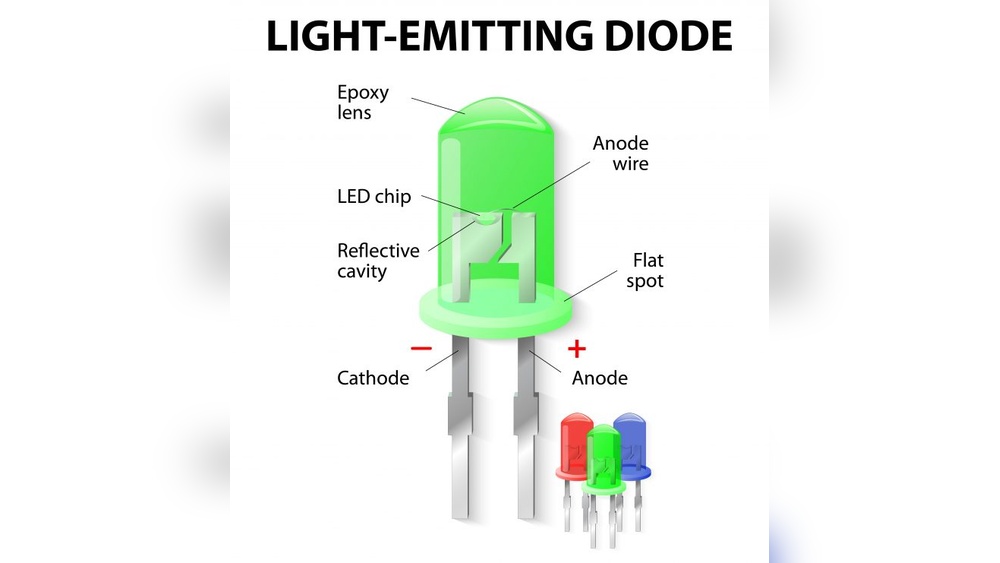
LED stands for Light Emitting Diode. It is a tiny device that produces light when electricity passes through it. Inside the LED, electrons move and release energy in the form of light. This process is called electroluminescence.
The LED does not use heat to create light like traditional bulbs. It converts almost all electricity into light. This makes LED lights very efficient and cool to touch. Their solid-state design means they are strong and last a long time.
Types Of Led Lights
There are many types of LED lights for different uses. Some common types include bulbs, strips, panels, and floodlights. LED bulbs replace regular bulbs in lamps and fixtures. They come in various shapes and sizes.
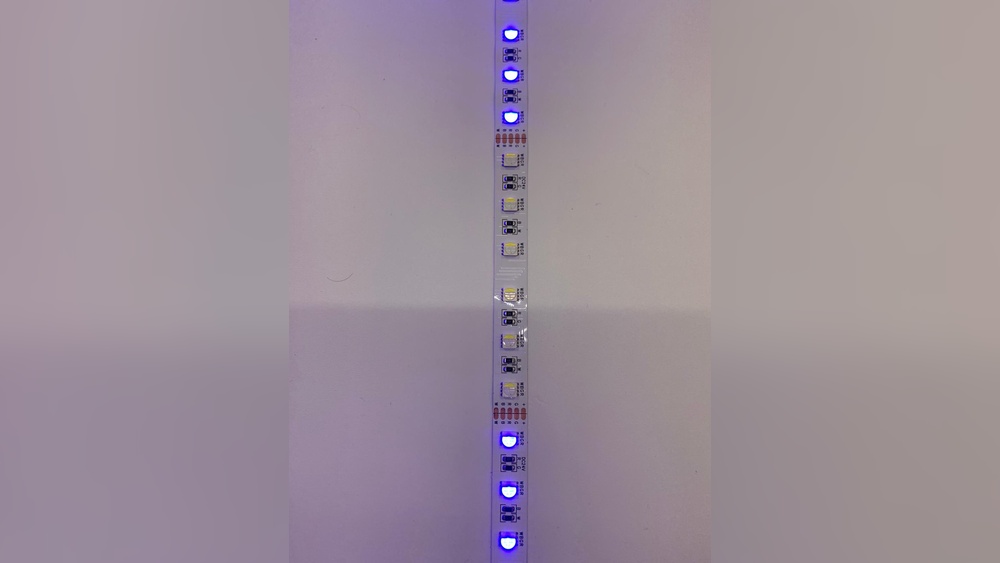
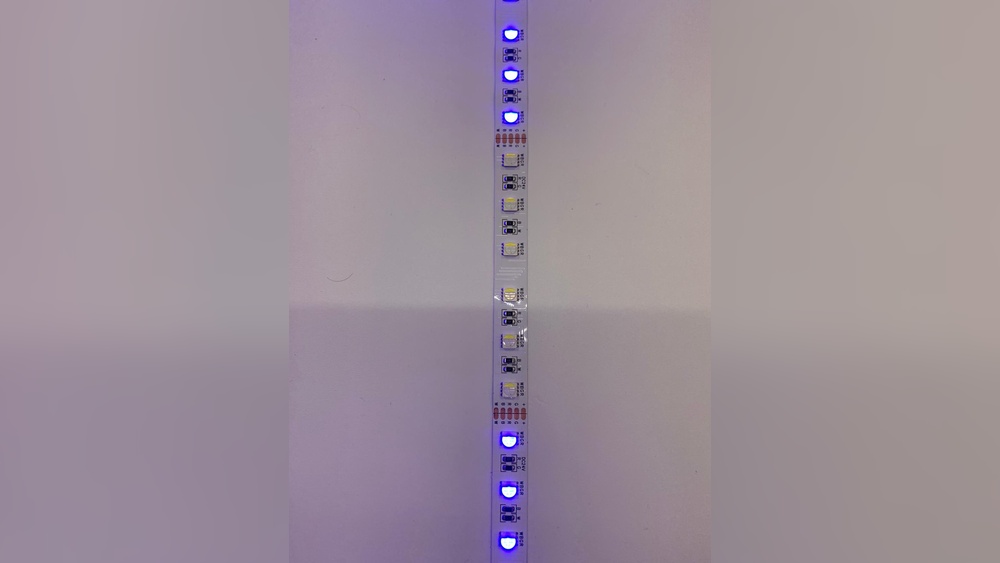
LED strips are flexible and can be cut to fit spaces. They are often used for decoration or under cabinets. LED panels provide wide, even light for offices or stores. Floodlights shine bright light over large outdoor areas.
Each type offers energy savings and long life. Choosing the right type depends on the space and the kind of light needed.
Energy Efficiency Benefits
LED lights use less energy than traditional bulbs. This helps save electricity and lowers utility bills. They convert most energy into light, not heat, making them very efficient.
Using LED lights reduces your carbon footprint. Less energy means fewer emissions from power plants. This is good for the environment and helps fight climate change.
Lower Power Consumption
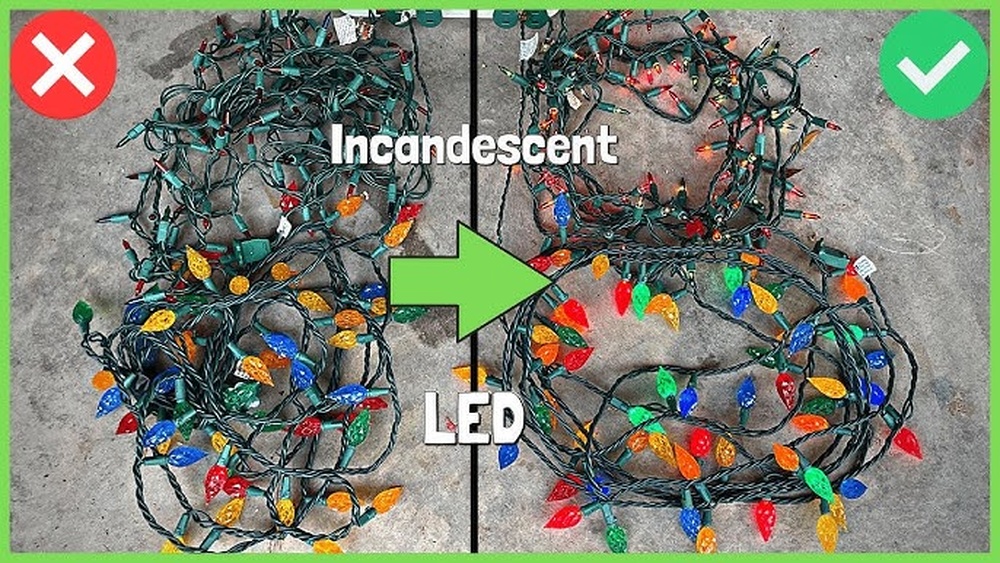
LED lights consume up to 80% less power than incandescent bulbs. This means they use only a fraction of the energy. You get the same brightness but with much lower electricity use. This makes LED lights cost-effective over time.
Longer Lifespan Compared To Traditional Bulbs
LED lights last much longer than traditional bulbs. They can work for up to 25,000 hours or more. Incandescent bulbs last about 1,000 hours. This means fewer replacements and less waste. Long life also means you save money on buying new bulbs.
Environmental Advantages
LED lights offer many environmental benefits that help protect our planet. They use less energy and last longer than traditional bulbs. These features make them a smart choice for anyone who cares about the environment.
Using LED lights can lower pollution and reduce harmful waste. They also help save natural resources by using fewer materials in production. This section explains how LED lights make a positive impact on the environment.
Reduced Carbon Footprint
LED lights consume much less electricity than regular bulbs. Less energy use means fewer greenhouse gases released into the air. This reduces the carbon footprint of homes and businesses. Using LEDs helps slow down climate change by cutting pollution.
Many power plants burn fossil fuels to make electricity. Using LED lights lowers the need for this energy. This keeps the air cleaner and healthier for people and animals. Small changes add up to big benefits for the planet.
Less Waste And Toxic Materials
LED lights last much longer than traditional bulbs. This means fewer bulbs end up in landfills. They also contain no mercury, a harmful chemical found in some bulbs. This makes LED disposal safer and better for the environment.
Because LEDs need less frequent replacement, they create less waste. Manufacturing uses fewer toxic materials too. Choosing LED lights helps reduce pollution in water and soil. It is a smart way to protect natural habitats.
Cost Savings Over Time
LED lights help save money over a long time. They use less energy and last longer. This means fewer bills and fewer replacements. Saving money is a big reason to switch to LED lighting.
Lower Electricity Bills
LED lights use up to 80% less energy than traditional bulbs. This cuts down electricity use a lot. Using less power means smaller monthly bills. Over months and years, these savings add up. Homes and businesses see a clear drop in costs.
Reduced Maintenance Costs
LED bulbs last much longer than regular bulbs. They can run for 25,000 hours or more. This means fewer replacements and less work. Less maintenance saves money on buying and installing bulbs. It also saves time for home or business owners.
Design And Versatility
LED lights are known for their smart design and great versatility. They fit many styles and spaces. Their flexible design helps meet different lighting needs. LED technology allows for creative shapes and sizes. This makes LEDs popular for home and business use.
Variety Of Colors And Styles
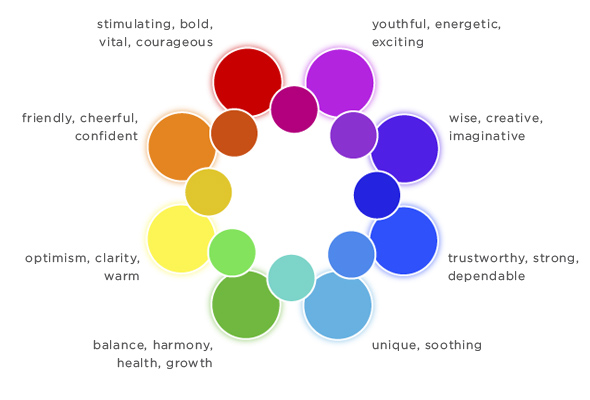
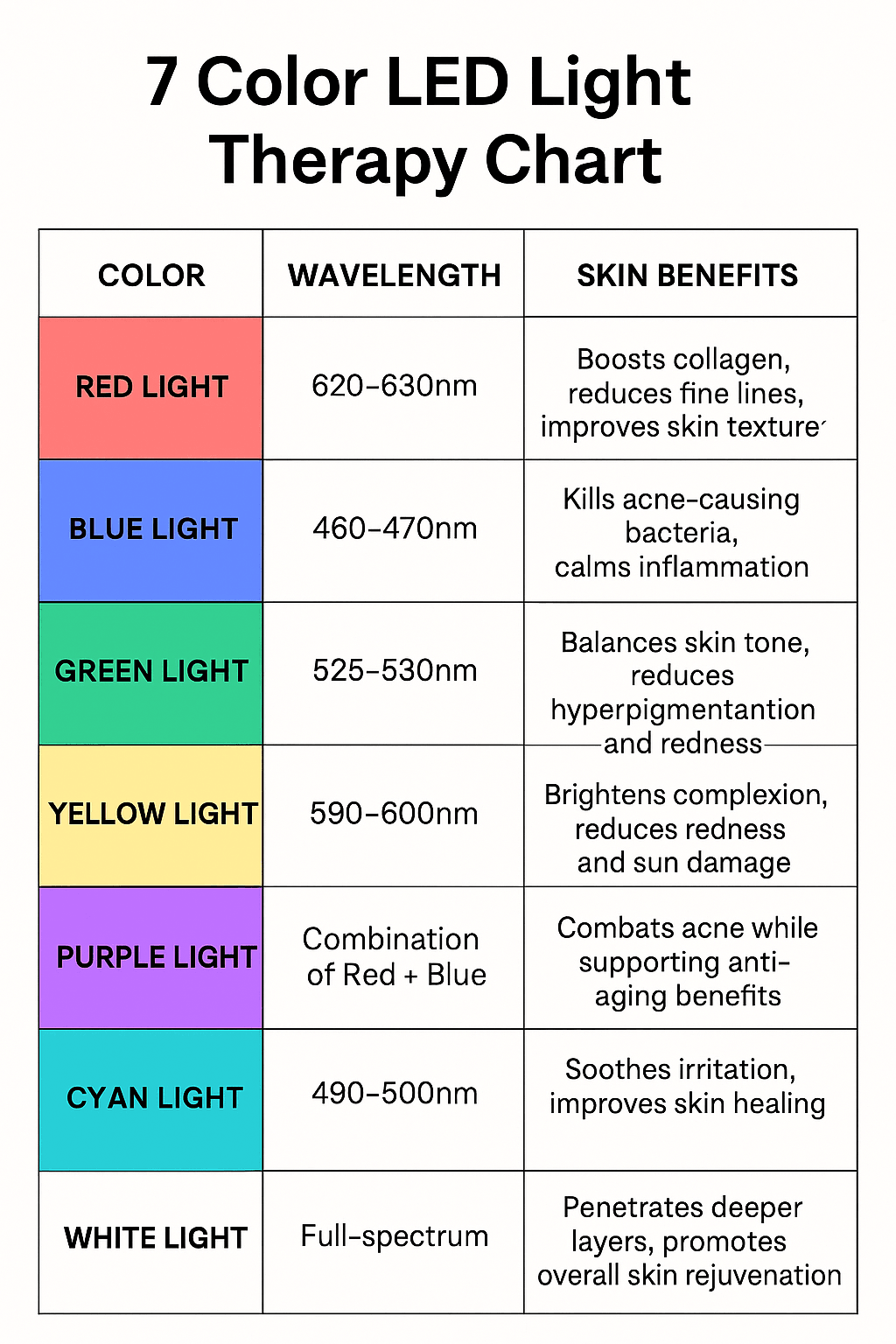
LED lights come in many colors. From warm white to bright blue, LEDs offer many choices. They also have different brightness levels. You can find LED lights in strips, bulbs, panels, and more. This variety helps match any mood or decor. Color-changing LEDs add extra style to rooms or events.
Applications In Different Settings
LED lights work well in many places. They brighten homes, offices, stores, and streets. Their small size lets them fit tight spots. LEDs are great for task lighting and decoration. They use less energy than old bulbs. This makes them good for saving money and the environment. Outdoor LED lights resist weather and last longer.
Health And Safety Benefits
LED lights offer many health and safety benefits. They are safer for homes, schools, and workplaces. These lights help reduce risks linked to heat and harmful rays.
Less Heat Emission
LED lights produce very little heat. This lowers the chance of burns or fires. Rooms stay cooler, which is more comfortable for people. Less heat also means less energy use for cooling. This makes LED lights safe and efficient.
No Harmful Uv Rays
LED lights do not emit ultraviolet (UV) rays. UV rays can cause skin problems and eye damage. Without UV rays, LED lights protect your health better. They are ideal for places where people spend much time. Art and fabrics also stay safe from fading under LED lights.
Common Myths About Led Lights
Many people have wrong ideas about LED lights. These myths can stop them from using LED lights in their homes and offices. It is important to know the truth about LED lights. This helps in making smart choices for lighting.
Concerns About Brightness
Some think LED lights are not bright enough. This is not true. LED lights come in many brightness levels. You can find LED bulbs that are as bright as traditional bulbs. They give clear and strong light. Brightness depends on the bulb’s wattage and design, not the LED technology itself.
Durability Misconceptions
Many believe LED lights break easily. Actually, LED lights last much longer than regular bulbs. They can work for thousands of hours without failing. LED lights do not have fragile filaments inside. This makes them more resistant to shocks and drops. Their durability saves money on replacements over time.
Future Trends In Led Lighting
The future of LED lighting is bright and full of exciting changes. Advances in technology will make LED lights smarter and more efficient. These improvements will help save energy and enhance comfort in homes and workplaces. LED lighting will continue to evolve with new designs and smart features.
Smart Lighting Systems
Smart lighting systems use sensors and apps to control LED lights. They adjust brightness and color based on time or activity. This makes spaces more comfortable and energy-efficient. Users can control lights remotely using smartphones or voice commands. Smart LEDs also connect with other smart devices for better home automation.
Innovations In Efficiency And Design
LED technology keeps improving in energy efficiency. New materials and designs reduce power use while increasing brightness. Flexible and thin LED panels allow creative lighting shapes and placements. These designs fit better in modern homes and offices. Long-lasting LEDs reduce waste and maintenance costs, making them a smart choice for the future.
Frequently Asked Questions
What Does Led Light Mean?
LED stands for Light Emitting Diode. It is a semiconductor device that emits light when an electric current passes through it. LED lights are energy-efficient, long-lasting, and commonly used in homes, vehicles, and electronic devices.
How Do Led Lights Work?
LED lights work by passing an electric current through a semiconductor. This causes electrons to recombine with holes, releasing energy as photons. This process produces visible light efficiently, unlike traditional bulbs that use heat to generate light.
Why Are Led Lights More Energy-efficient?
LED lights use less electricity because they convert most energy into light, not heat. This efficiency reduces power consumption and lowers electricity bills. LEDs also last longer, reducing replacement frequency and environmental waste.
Where Are Led Lights Commonly Used?
LED lights are widely used in homes, street lighting, vehicle headlights, electronic screens, and decorative lighting. Their durability, energy efficiency, and small size make them ideal for various indoor and outdoor applications.
Conclusion
LED lights save energy and last much longer than bulbs. They come in many colors and sizes. People use them for homes, cars, and street lighting. LEDs also help reduce electricity bills. Their bright light makes spaces look better and safer.
Choosing LED lights is smart for both money and the environment. Now, you know why LED lights are popular everywhere.





Leave a Reply