

Have you ever wondered what makes a LED bulb different from the regular bulbs you use every day? Understanding the meaning of a LED bulb can change the way you see lighting in your home or office.
It’s not just about saving electricity; it’s about getting brighter light, longer life, and better energy efficiency. If you want to know how LED bulbs work and why they are becoming so popular, keep reading. This simple knowledge could help you make smarter choices and even save money.
Let’s dive into what a LED bulb really means for you.

Led Bulb Basics
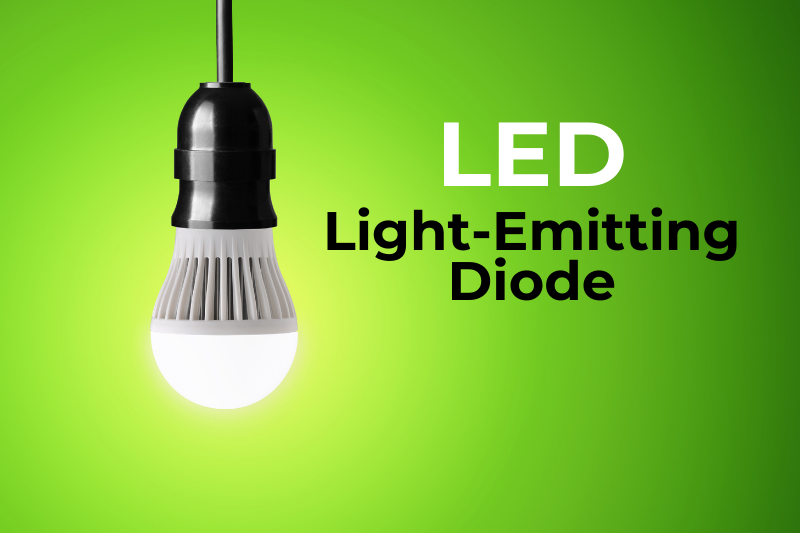
Understanding the basics of LED bulbs helps you make smarter lighting choices. LED bulbs use new technology to light your home or office. They use less energy and last longer than old bulbs. This section explains what an LED bulb is and how it works.
What Is An Led Bulb
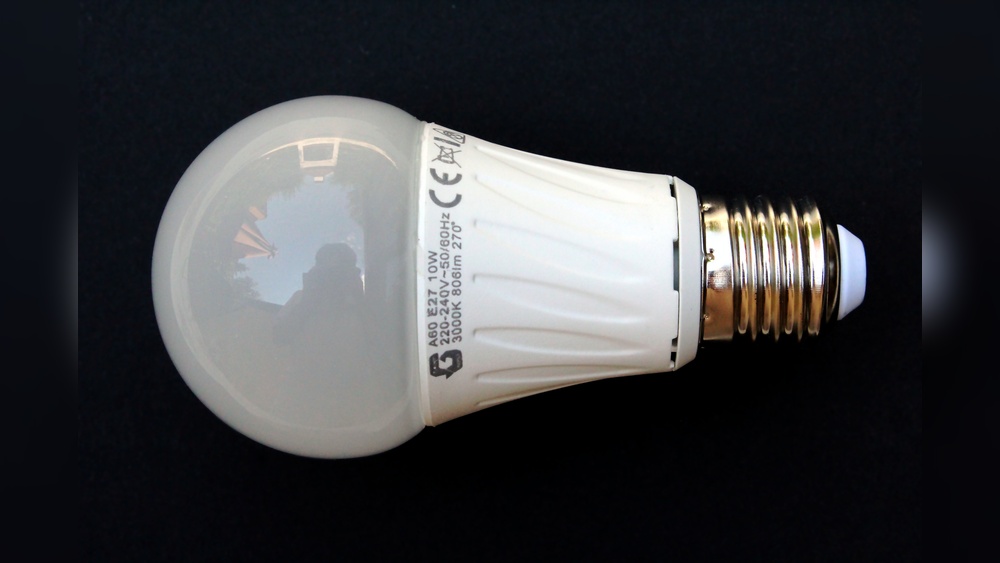
An LED bulb is a light source that uses light-emitting diodes. These diodes are tiny chips that produce light when electricity passes through them. Unlike traditional bulbs, LEDs do not have filaments that burn out. This makes LED bulbs more durable and efficient. They come in many shapes and sizes for different uses.
How Led Bulbs Work
LED bulbs work by sending electric current through a semiconductor. This process releases energy in the form of light. The light is direct and bright, unlike the heat-based light in old bulbs. LED bulbs use less power to create the same amount of light. This saves money on electricity and reduces heat output.
Energy Efficiency
Energy efficiency means using less power to produce the same amount of light. LED bulbs use technology that saves electricity. This helps lower your energy bills and reduces pollution. Using LED bulbs is a smart choice for homes and businesses. They last longer and waste less energy than older bulbs.
Comparing Led To Traditional Bulbs
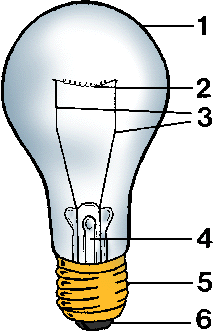
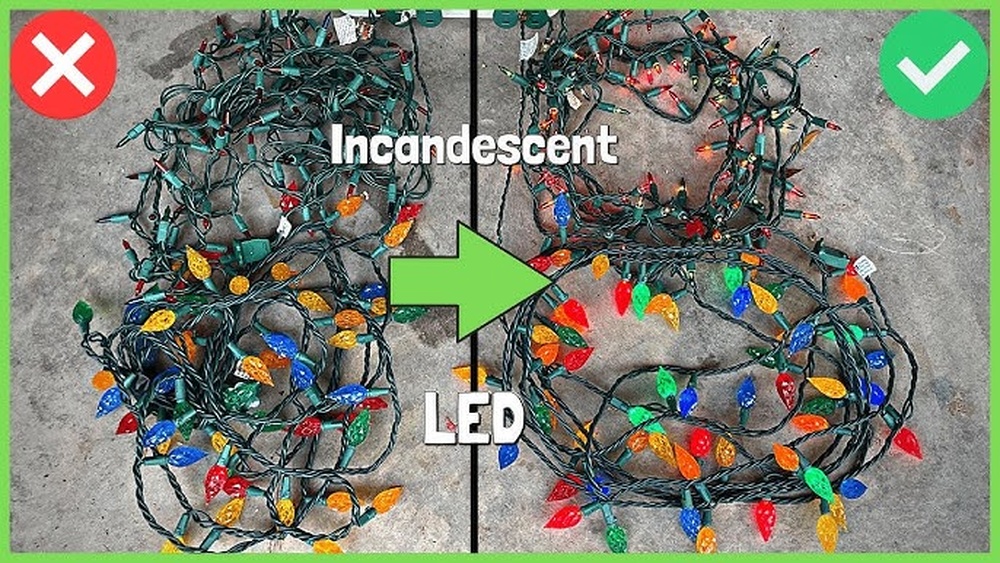
Traditional bulbs like incandescent and halogen use more electricity. They produce light by heating a filament until it glows. This method wastes a lot of energy as heat. LEDs create light using tiny chips that glow when powered. This process uses much less electricity and stays cool. LED bulbs use up to 80% less energy than traditional bulbs.
Energy Savings Explained
LED bulbs turn most electricity into light, not heat. This means less energy is wasted. They use fewer watts to produce the same brightness. For example, a 10-watt LED matches a 60-watt incandescent bulb. This cuts your energy use and lowers your bills. Over time, the savings add up and help the environment.
Benefits Of Led Bulbs
LED bulbs offer many benefits that make them a popular choice for lighting. They use less energy and last longer than traditional bulbs. This saves money and reduces waste. LED bulbs also produce less heat, which makes them safer and more efficient. Their positive effects on the environment add to their appeal.
Long Lifespan
LED bulbs last much longer than regular bulbs. They can work for tens of thousands of hours. This means fewer replacements and less hassle. The long life saves money over time. It also reduces the number of bulbs thrown away.
Lower Heat Emission
LED bulbs give off very little heat. Traditional bulbs waste energy as heat. This makes LED bulbs safer to touch and use. Lower heat also helps keep rooms cooler. This can reduce the need for air conditioning.
Environmental Impact
LED bulbs use less electricity, which helps lower carbon emissions. Their long life means fewer bulbs end up in landfills. They do not contain harmful chemicals like mercury. Using LED bulbs supports a cleaner, greener planet.
Choosing The Right Led Bulb
Choosing the right LED bulb makes a big difference in your home or office lighting. It affects how bright your room feels, the color of the light, and if the bulb fits your fixture. Understanding key factors helps you pick the best LED bulb for your needs. This guide covers brightness, color temperature, and compatibility.
Brightness And Wattage
Brightness shows how much light the bulb gives. It is measured in lumens. Higher lumens mean brighter light. Wattage tells how much power the bulb uses. LED bulbs use less wattage than old bulbs but can be just as bright. Check the lumen number to match the brightness you want.
Color Temperature Options
Color temperature changes the light color. It is measured in Kelvins (K). Lower Kelvins give warm, yellow light. Higher Kelvins produce cool, white light. Choose warm light for relaxing spaces. Use cool light for work areas or kitchens. Pick the color temperature that fits the room’s purpose.
Compatibility And Fitting
Not all bulbs fit every socket. Check the bulb base type and size. Make sure the LED bulb works with your fixture. Some bulbs work with dimmer switches; others do not. Confirm compatibility to avoid problems after buying.
Cost Considerations
Cost is a key factor when choosing LED bulbs. Understanding the costs helps in making smart decisions. LED bulbs may cost more at first. The savings come later through energy efficiency and durability.
Initial Investment
LED bulbs usually cost more than traditional bulbs. The price depends on brand and quality. You pay more upfront for better technology. This higher price can stop some buyers. But the cost is worth it for longer use.
Long-term Savings
LED bulbs use less electricity than other bulbs. They last many years without needing replacement. This lowers your electric bill over time. You also save money on buying fewer bulbs. The savings add up and cover the initial cost.
Common Myths About Led Bulbs
Many people have wrong ideas about LED bulbs. These myths can stop them from using LED bulbs. Clearing up these myths helps you understand LED bulbs better. This section looks at two common myths about LED bulbs.
Leds And Light Quality
Some think LED bulbs give poor light. They say the light is too harsh or too dim. Actually, LED bulbs come in many colors and brightness levels. They can match the warm light of old bulbs or give bright white light. LED technology has improved a lot. It now offers clear, soft, and natural light.
Durability Concerns
Many believe LED bulbs break easily. They worry LED bulbs do not last long. The truth is LED bulbs last much longer than traditional bulbs. They are made with strong materials. LED bulbs resist shocks and vibrations better than old bulbs. They work well in many conditions without damage.
Tips For Maximizing Energy Savings
Maximizing energy savings with LED bulbs requires smart actions. Small changes in how you use and control lighting can cut electricity bills. Saving energy helps the environment and reduces costs. Here are practical tips to get the most from your LED bulbs.
Smart Lighting Controls
Use timers to turn off lights automatically. Motion sensors switch lights on only when needed. Dimmers lower brightness and save power. Smart controls prevent lights from running when not in use. These tools make energy use efficient and simple.
Proper Usage And Maintenance
Keep LED bulbs clean to maintain brightness. Dust and dirt reduce light output and waste energy. Avoid touching bulbs with bare hands to extend life. Replace old bulbs with energy-saving LEDs promptly. Turn off lights in empty rooms to save power.
Frequently Asked Questions
What Is An Led Bulb?
An LED bulb is a light-emitting diode-based lighting device. It uses semiconductors to convert electricity into light efficiently. LED bulbs consume less energy and last longer than traditional bulbs. They are eco-friendly and provide bright, instant illumination.
How Does An Led Bulb Work?
An LED bulb works by passing electrical current through a semiconductor. This process emits light without producing much heat. The technology is highly energy-efficient, converting most energy into light. It ensures longer bulb life and reduces electricity bills.
Why Choose Led Bulbs Over Traditional Bulbs?
LED bulbs offer better energy efficiency, using up to 80% less power. They last significantly longer, reducing replacement frequency and costs. LEDs produce less heat and contain no harmful substances. Their durability and eco-friendliness make them a smart lighting choice.
Are Led Bulbs Cost-effective In The Long Run?
Yes, LED bulbs save money over time due to low energy use. Their extended lifespan reduces frequent bulb replacements and maintenance costs. Although initial price is higher, overall savings on electricity bills and replacements make them cost-effective.
Conclusion
LED bulbs save energy and last much longer than old bulbs. They use less power and give bright light. Many homes and offices now use LED bulbs to cut costs. Choosing LED bulbs helps protect the environment too. Their cool design fits most lamps easily.
Knowing what an LED bulb means makes smart lighting choices simple. Try using LED bulbs to enjoy better light and save money every day.







Leave a Reply