

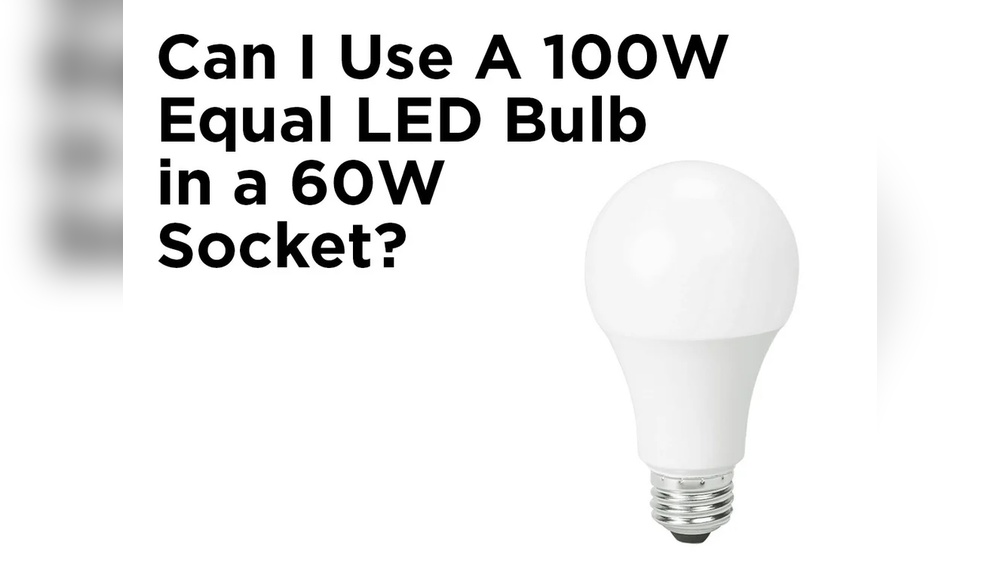
Have you ever looked at a LED bulb and wondered what the “100W” written on it really means? You might think it’s just a number, but it actually holds important information about your bulb’s power and brightness.
Understanding this can help you choose the right bulb for your home, save money on your electricity bill, and make your space more comfortable. Keep reading, and you’ll discover exactly what that 100W means and why it matters to you.

Decoding 100w On Led Bulbs
Understanding the meaning of “100W” on an LED bulb can be confusing. The number does not always mean the bulb uses 100 watts of power. It often refers to the bulb’s brightness, compared to traditional bulbs. This section breaks down what 100W means for LED bulbs.
Knowing this helps you choose the right bulb for your space. It also prevents buying bulbs that use too much energy or do not give enough light.
Wattage And Power Consumption
Wattage shows how much energy a bulb uses. A 100W traditional bulb uses 100 watts of electricity. But a 100W LED bulb usually uses less power.
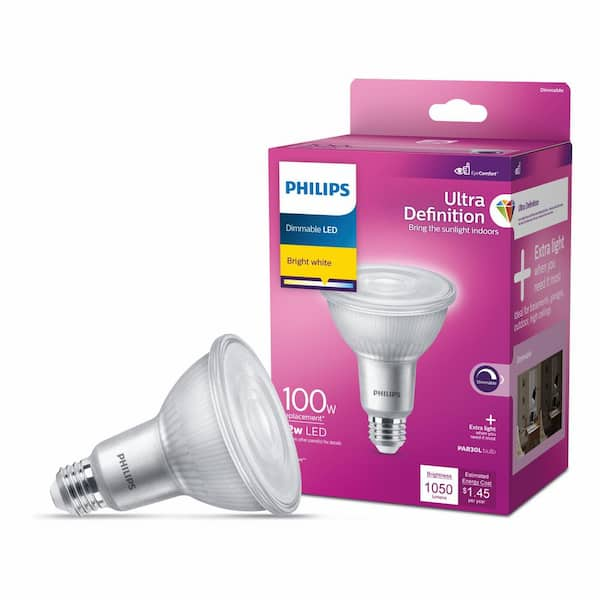
LED bulbs are more efficient. They produce the same brightness as a 100W traditional bulb but use fewer watts. For example, a 100W equivalent LED might use only 15 watts.
This saves money on electricity bills. It also helps reduce energy waste.
Difference Between Led And Traditional Bulbs
Traditional bulbs, like incandescent, use more energy to create light. They waste energy as heat. LED bulbs use a different technology that is more efficient.
LED bulbs last longer and use less power. They give bright light without getting hot. The 100W on an LED bulb means it matches the brightness of a 100W traditional bulb, not its energy use.
Choosing LED bulbs reduces energy use and helps the environment. It also lowers your electricity costs over time.
How Wattage Affects Brightness
Wattage on an LED bulb tells you how much power it uses. Many think higher watt means brighter light. This is partly true but not the full story. Brightness depends on the light output, not just power consumption. Understanding wattage helps choose the right bulb for your needs.
Lumens Vs Watts
Lumens measure the brightness you see from a bulb. Watts measure the energy the bulb uses. A 100W LED bulb uses as much power as a 100-watt incandescent bulb. But the LED gives much more light. This is because LEDs are more efficient at turning energy into light.
Energy Efficiency Of Led Bulbs
LED bulbs use less energy for the same brightness compared to old bulbs. A 100W LED bulb can produce the light of a 400W incandescent bulb. This saves electricity and lowers bills. Choosing LED bulbs helps reduce energy waste and is better for the environment.
Choosing The Right Wattage
Choosing the right wattage for an LED bulb is essential for good lighting and energy savings. Wattage shows how much power the bulb uses. This number also helps estimate the bulb’s brightness. Picking the correct wattage makes your room comfortable and saves money on electricity.
Room Size And Lighting Needs
Room size affects the wattage you need. Small rooms need less light, so lower wattage bulbs work well. Large rooms need more light, so higher wattage bulbs are better. Think about what you do in the room. Reading or working needs brighter light. For relaxing, softer light is fine.
Balancing Brightness And Energy Use
High wattage bulbs are bright but use more energy. Low wattage bulbs save energy but might not be bright enough. LED bulbs give good light with less power than old bulbs. Choose a wattage that lights your space well without wasting energy. This helps cut your electric bill and protects the environment.
Safety And Compatibility
Understanding the safety and compatibility of a 100W LED bulb is important. The number 100W on the bulb shows the power it uses or replaces. It helps you match the bulb with the right fixture. Choosing the wrong bulb can cause safety risks and reduce the bulb’s life. Let’s explore key points about safety and compatibility for 100W LED bulbs.
Fixture Limitations
Fixtures have a maximum wattage limit. This limit tells you the highest wattage bulb the fixture can hold safely. Using a bulb with more wattage than the limit can cause overheating. It may damage the fixture or start a fire. Always check the fixture’s label or manual before installing a 100W LED bulb. Even if the bulb uses less power than a 100W incandescent, the fixture limit still matters.
Heat Generation And Lifespan
LED bulbs produce less heat than traditional bulbs. Still, a 100W LED bulb generates some heat. This heat must escape for the bulb to last long. If the bulb is in a closed or tight fixture, heat builds up. High heat reduces the LED’s lifespan and brightness. Choose fixtures that allow good airflow. Proper heat management keeps your 100W LED bulb safe and working well for years.
Common Misconceptions About 100w Leds
Many people get confused by the “100W” label on LED bulbs. They think it means the bulb uses 100 watts of power or is very bright like old bulbs. This is not always true. LED technology works differently from traditional bulbs. Understanding these differences helps you choose the right light for your needs.
Wattage And Brightness Myths
Wattage shows how much energy a bulb uses, not how bright it is. A 100W LED bulb usually uses less power than a 100W incandescent bulb. It can give the same or more brightness while using less electricity. Brightness is measured in lumens, not watts. Higher lumens mean more light. Many people confuse watts with brightness, leading to wrong choices.
Labeling And Marketing Tactics
Some LED bulbs show “100W” to compare with old bulbs. This label helps buyers understand the brightness level. It does not mean the LED bulb consumes 100 watts. Marketers use this to make the product easier to understand. Always check the actual wattage and lumens on the package. This helps avoid paying for more energy use than needed.
Frequently Asked Questions
What Does 100w Mean On An Led Bulb?
100W on an LED bulb indicates its power consumption equivalent. It means the LED uses much less energy but produces light similar to a 100-watt traditional bulb.
Is 100w Led Bulb Energy Efficient?
Yes, a 100W LED bulb is highly energy-efficient. It consumes less electricity than a 100W incandescent bulb, saving energy and reducing electricity bills.
Can 100w Led Bulbs Replace Traditional Bulbs?
Absolutely, 100W LED bulbs can replace traditional 100W bulbs. They offer the same brightness while using less power and lasting longer.
How Bright Is A 100w Led Bulb?
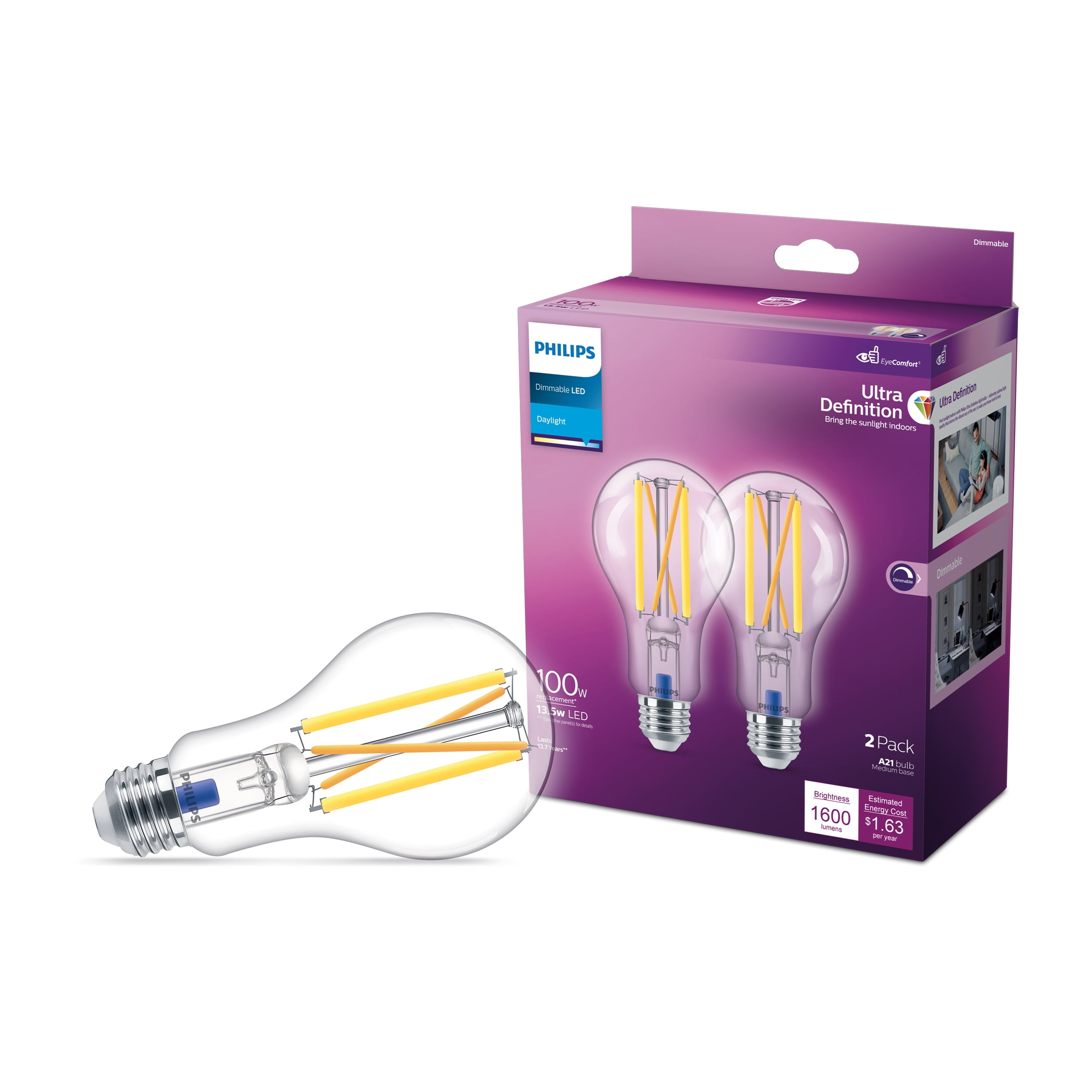
A 100W LED bulb produces around 1600-1700 lumens, matching the brightness of a traditional 100-watt incandescent bulb.
Conclusion
The 100W label on an LED bulb shows its power use, not brightness. It helps compare energy use with older bulbs. Choosing the right wattage saves electricity and money. Always check this number before buying. Knowing what 100W means makes picking bulbs easier and smarter.
Bright, efficient light is just a label away.







Leave a Reply