


Have you ever wondered what happens when your LED lights suddenly fail? It’s more common than you think, and the consequences can be surprising.
Whether it’s in your home, office, or outdoor space, failing LED lights can disrupt your daily routine and even affect your safety. You’ll discover the key reasons behind LED failures, how to spot the warning signs early, and what steps you can take to fix or prevent them.
Keep reading to protect your lighting and avoid unexpected darkness.
Common Causes Of Led Failure
LED lights are known for their long life and energy efficiency. Yet, they can fail over time. Understanding why LEDs fail helps avoid problems and saves money. Several common causes lead to LED failure. These causes affect the light’s performance and lifespan.
Electrical Overload
Electrical overload happens when too much current flows through the LED. This stress damages the tiny components inside. The LED may flicker or stop working suddenly. Power surges or wrong wiring often cause overload.
Thermal Stress
Heat is a major enemy of LED lights. Too much heat weakens the LED’s materials. Poor heat management or high ambient temperature adds stress. Over time, the LED dims or fails completely.
Poor Quality Components
Cheap or low-quality parts reduce LED durability. Substandard chips, drivers, or wiring fail faster. These parts cannot handle normal use well. The whole light becomes unreliable and short-lived.
Moisture Damage
Water or humidity inside the LED causes corrosion. This damages circuits and connections. Moisture often enters through cracks or bad seals. The LED may flicker or stop working due to moisture.
Manufacturing Defects
Errors during production can weaken LEDs from the start. Poor soldering, bad materials, or design flaws cause early failure. Defective LEDs often show problems soon after installation.

Signs Of Led Light Failure
LED lights are known for their long life and energy efficiency. Still, they can fail over time. Recognizing early signs helps you fix or replace them quickly. This keeps your space well-lit and safe.
Flickering Lights
Flickering is a common sign of LED failure. The light may blink on and off or flash irregularly. This can happen due to loose connections or power issues. Flickering wastes energy and can be annoying to the eyes.
Dim Or Uneven Illumination
LED lights usually shine bright and clear. Dim light or uneven brightness shows a problem. Some parts of the bulb may glow less than others. This suggests the LED is wearing out or damaged.
Color Shifts
LED lights have a steady color tone. If the light changes color or looks strange, it signals trouble. Yellowing or a blue tint means the LED is failing. This affects the mood and appearance of your room.
Complete Shutdown
Sometimes, the LED light stops working entirely. No light means the bulb or driver has failed. This is the final stage of LED failure. The bulb needs replacement to restore lighting.
Impact Of Led Failures
LED lights are known for their long life and low energy use. Still, they can fail over time. When LED lights fail, it causes several problems. These problems affect energy use, costs, safety, and even the mood of a space.
Energy Inefficiency
Failed LED lights use more power than working ones. They may flicker or glow weakly. This wastes electricity and raises energy bills. The main benefit of LEDs is energy saving. Failure removes this benefit quickly.
Increased Maintenance Costs
Replacing or fixing LED lights costs money. Frequent failures mean more repairs or replacements. This adds up and strains budgets. Maintenance teams spend more time fixing lights. This reduces time for other important tasks.
Safety Concerns
Dark or flickering areas can cause accidents. Poor lighting leads to slips, trips, and falls. It also reduces visibility on roads or in workspaces. This puts people at risk daily. Reliable lighting is key for safety.
Effect On Ambiance And Productivity
Lighting affects how people feel and work. Bad lighting can cause stress and tiredness. It lowers focus and slows down work. In homes, it spoils the atmosphere. Good LED lights keep spaces bright and lively.
Troubleshooting Led Issues
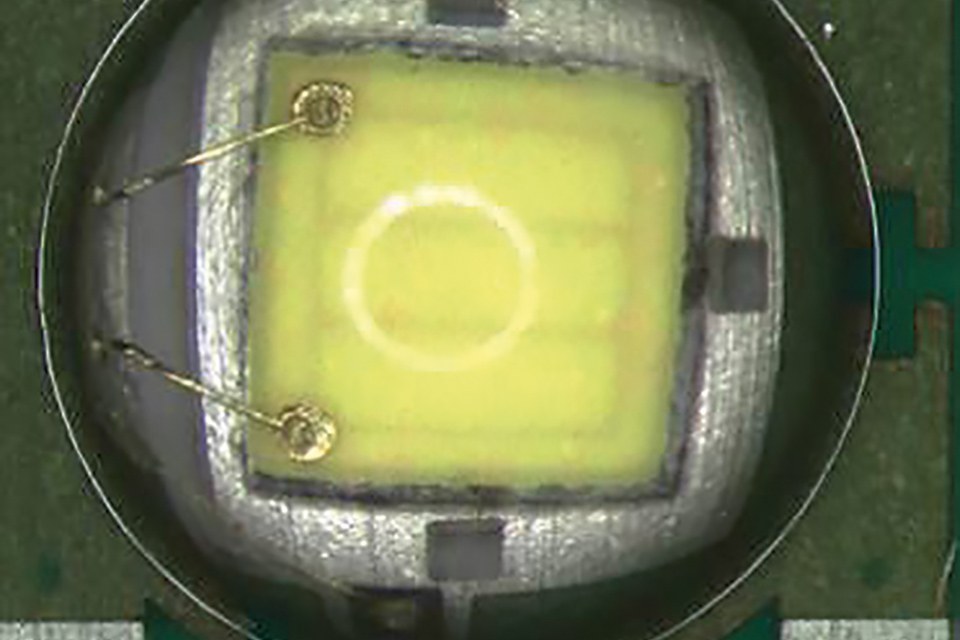
Troubleshooting LED issues helps find the cause of failure fast. LEDs are reliable but may stop working due to simple problems. Checking key parts can save time and money. Start by examining the most common trouble spots. This guide covers essential steps to fix LED lights.
Checking Power Supply
Power supply issues often cause LED failures. Make sure the power source is on and delivering correct voltage. Use a multimeter to test voltage output. Low or no power means LEDs will not light up. Replace faulty power supplies to restore proper function.
Inspecting Connections
Loose or damaged connections block electricity flow to LEDs. Check wires and connectors for signs of wear or breaks. Tighten all screws and plugs. Clean any dirt or corrosion that may affect contact. Secure connections ensure steady power to the LEDs.
Testing Led Drivers
LED drivers regulate current to the lights. A bad driver can cause flickering or dimming. Use a tester to check driver output. Replace drivers showing unstable or no output. Proper drivers keep LEDs working at full brightness.
Evaluating Environmental Conditions
Heat, moisture, and dust impact LED performance. Make sure LEDs are used in suitable environments. Avoid placing them in wet or dusty areas without protection. High heat shortens LED life. Cooling and clean conditions help LEDs last longer.
Repair And Replacement Tips
LED lights are reliable but can fail over time. Knowing how to repair or replace them saves money and hassle. This section shares useful tips for repair and replacement. Follow these steps to keep your LED lights working well.
When To Repair Vs Replace
Small issues like loose wires or dirty contacts can be repaired. Repairing saves cost and reduces waste. Replace the whole unit if the LED chips or driver are damaged. Old lights with frequent problems need replacement. Consider energy efficiency and light quality when deciding.
Choosing Quality Replacement Parts
Use parts from trusted brands to ensure safety and long life. Cheap parts may fail quickly or cause electrical issues. Match the voltage and wattage of the original parts. Check for certifications like UL or CE. Quality parts improve light performance and durability.
Proper Installation Practices
Turn off power before starting any repair or replacement. Use the right tools and handle parts carefully. Follow manufacturer instructions for wiring and mounting. Avoid touching the LED surface with bare hands. Secure connections prevent flickering and electrical hazards.
Preventive Maintenance Strategies
Clean LED lights regularly to remove dust and dirt. Check connections and wiring for signs of wear. Replace faulty drivers or lenses early to avoid bigger problems. Use timers or dimmers to extend LED lifespan. Regular maintenance keeps lights bright and reliable.

Advances In Led Technology
LED technology has improved a lot over the years. These changes help LEDs last longer and work better. They reduce the chances of LED lights failing. This means less worry about sudden dark spots or flickering lights. These advances also make LED lights safer and more energy-efficient.
Improved Durability Features
Modern LED lights use stronger materials. These materials resist shocks and vibrations better. This makes them ideal for both indoor and outdoor use. Many LEDs now have protective coatings. These coatings guard against dust and moisture. This helps prevent damage and extends the light’s life.
Enhanced Thermal Management
Heat is a major cause of LED failure. New LEDs include better cooling systems. Heat sinks and fans help keep LEDs cool. Some designs use special metals to spread heat faster. Keeping LEDs cool stops them from burning out early. This means the lights stay bright and last longer.
Smart Led Systems
Smart LED systems can detect issues early. They adjust brightness to reduce stress on the LED. Some systems can even turn off faulty sections. This prevents total light failure. Smart controls also allow remote monitoring. It helps fix problems before they become serious.
Frequently Asked Questions
What Causes Led Lights To Fail Prematurely?
LED lights fail due to overheating, poor quality components, or electrical surges. Improper installation and voltage fluctuations also reduce lifespan. Ensuring proper heat dissipation and using quality products prevent premature failure.
How To Identify When Led Lights Are About To Fail?
Flickering, dimming, or color changes indicate LED failure. Unusual buzzing or complete darkness also signal issues. Early detection helps avoid sudden outages and costly replacements.
Can Led Light Failure Damage Electrical Systems?
LED failure rarely damages electrical systems but may cause minor voltage spikes. Using compatible drivers and surge protectors minimizes risks. Regular maintenance ensures system safety and longevity.
What Are The Common Signs Of Led Light Failure?
Common signs include flickering, reduced brightness, color shifts, and delayed startup. These symptoms suggest worn-out LEDs or driver problems. Timely repair or replacement restores optimal lighting.
Conclusion
LED light failure can affect safety and comfort. It may cause sudden darkness or flickering. These issues often signal a need for repair or replacement. Regular checks help spot problems early. Choosing quality LED lights reduces failure chances. Proper installation and care extend their life.
Acting quickly prevents bigger electrical troubles. Stay aware to keep your lighting reliable and safe.




Leave a Reply