

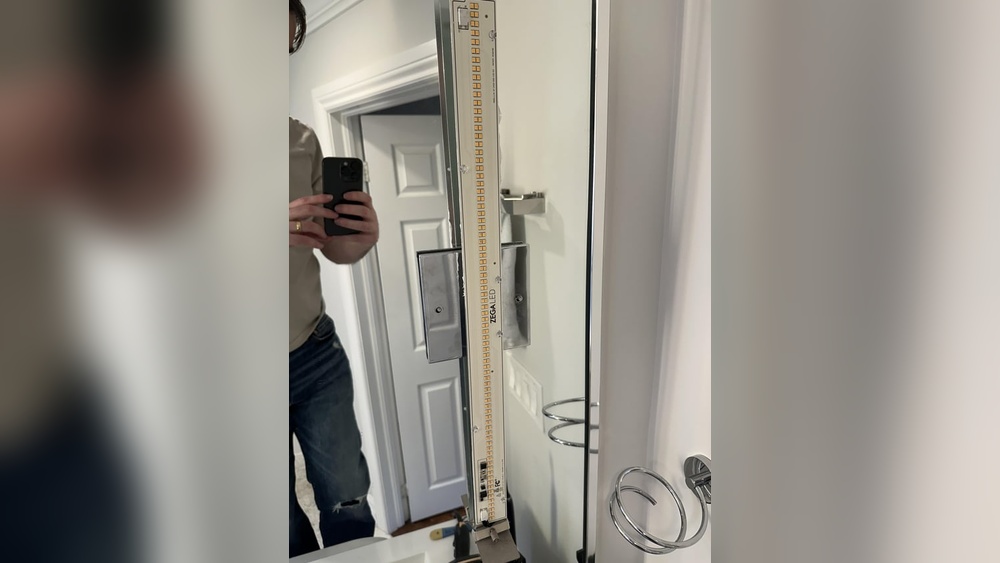
Have you ever wondered what really happens when your LED lights suddenly go out? You rely on these bright, energy-saving bulbs every day, but when they stop working, it can leave you confused and frustrated.
Understanding why LED lights fail and what goes on behind the scenes can help you avoid surprises and keep your home or workspace brightly lit. Keep reading to uncover the secrets behind LED light failures and learn what you can do to keep your lights shining longer.

Common Causes Of Led Lights Failing
LED lights are popular for their long life and low energy use. Still, they can fail sometimes. Understanding the common causes helps to fix or avoid these problems. Many factors affect the performance and lifespan of LED lights.
Some failures happen due to the power source. Others come from the light’s parts breaking down. Knowing these causes can save time and money in repairs.
Power Supply Issues
LED lights need a steady power supply to work well. Fluctuations or drops in voltage can cause them to fail. Poor quality power adapters or unstable electricity can damage LEDs. Too much or too little power stresses the light components.
Overheating Problems
Heat is a big enemy of LED lights. Without proper heat management, LEDs overheat and stop working. Overheating shortens the lifespan of LED chips and drivers. Good ventilation and heat sinks help keep the light cool.
Faulty Wiring And Connections
Loose or damaged wires cause LED lights to flicker or go out. Bad connections stop electricity from flowing properly. Worn wires or poor installation increase failure chances. Regular checks can catch these issues early.
Driver Malfunctions
The LED driver controls the power to the light. If the driver fails, the LED won’t work. Drivers can break due to heat, voltage spikes, or manufacturing faults. Replacing a faulty driver often fixes the light.
Led Chip Damage
The LED chip produces the light. Physical damage or manufacturing defects can kill the chip. Chips can also degrade over time from heat or electrical stress. Damaged chips cause dim light or total failure.

Signs Your Led Light Is About To Go Out
LED lights usually last a long time. Still, they show signs before they stop working. Knowing these signs helps you replace bulbs on time. It avoids sudden darkness or safety issues.
Flickering Or Dimming
One common sign is flickering. The light may blink on and off quickly. It can also grow dimmer over time. Flickering or dimming means the bulb is losing power. It often signals a problem inside the LED.
Color Changes
LED lights can change color before they fail. The light might shift from bright white to yellow or blue. Colors may look uneven or patchy. Such changes mean the LED’s components are wearing out. Watch for unusual hues or spots.
Intermittent Lighting
Sometimes, LED lights turn on and off by themselves. This intermittent lighting can happen without warning. It shows the bulb is struggling to maintain power. Loose connections or internal damage often cause this issue.
Quick Fixes For Led Light Problems
LED lights are popular for their long life and energy efficiency. Still, they can stop working. Fixing these problems quickly saves time and money. Some common issues have simple solutions. These quick fixes help restore your LED lights fast.
Checking And Replacing Power Sources
Power problems cause many LED light failures. Check the plug and socket for damage. Test the outlet with another device to ensure it works. Replace faulty power cords or plugs. Using the right voltage keeps LED lights safe.
Inspecting And Repairing Wiring
Loose or broken wires can stop LED lights. Turn off power before checking wires. Look for cuts, frays, or loose connections. Tighten or replace damaged wiring carefully. Good wiring keeps electricity flowing correctly.
Cooling Solutions To Prevent Overheating
LED lights can overheat and stop working. Check if the light feels hot to touch. Improve ventilation around the fixture. Use heat sinks or fans to cool lights. Cooler lights last longer and work better.
Replacing Led Drivers
LED drivers control power to the lights. A bad driver can cause flickering or no light. Test the driver with a multimeter. Replace it if the driver shows faults. New drivers keep LED lights stable.
Swapping Out Damaged Led Bulbs
LED bulbs can burn out or get damaged. Remove the old bulb carefully. Check the socket for dirt or damage. Insert a new LED bulb of the same type. This often fixes the lighting problem quickly.

Preventing Led Light Failures
LED lights are popular for their long life and low energy use. Still, they can fail if not cared for properly. Preventing LED light failures helps save money and avoids dark spaces. This section shows simple ways to keep LED lights working well for a long time.
Proper Installation Tips
Install LED lights carefully to avoid early failure. Use the correct voltage to match the LED’s needs. Avoid loose connections that cause flickering or damage. Place lights where they can cool down, not in hot spots. Follow the manufacturer’s instructions step by step. Proper setup keeps LEDs safe and lasting longer.
Using Compatible Components
Choose parts that work well with LED lights. Use drivers and dimmers made for LEDs only. Mixing parts can cause flickers or burn out the LED. Check the power supply to ensure it fits the LED’s requirements. Using the right components helps lights run smoothly and last longer.
Regular Maintenance Practices
Clean LED lights to remove dust and dirt regularly. Dust blocks light and traps heat, reducing lifespan. Check connections to prevent loose wires or corrosion. Replace parts showing wear before they cause bigger problems. Regular care keeps LEDs bright and working well for years.
When To Seek Professional Help
Knowing when to call a professional can save time and avoid risks. Some LED light problems are simple to fix. Others need expert skills and tools. Recognizing the signs is important for safety and efficiency.
Complex Electrical Issues
Electrical problems beyond a burnt-out bulb need a pro. Issues like flickering lights or sparks show wiring trouble. Faulty wiring can cause fires or shocks. Professionals use special tools to diagnose and fix safely. Avoid handling complex electrical faults alone.
Persistent Light Failures
Lights that keep going out may have deeper problems. Replacing bulbs repeatedly is not normal. The cause could be bad wiring or a failing driver inside the LED. A professional can find the root cause quickly. Persistent failures need expert repair to prevent bigger damage.
Frequently Asked Questions
Why Do Led Lights Suddenly Go Out?
LED lights go out due to electrical faults, overheating, or driver failure. Poor quality LEDs or power surges also cause sudden outages. Proper installation and quality components can reduce such failures.
Can Led Lights Be Repaired When They Go Out?
Most LED lights are not repairable due to integrated circuits. Replacing the entire bulb or fixture is usually necessary. However, some high-end LEDs allow component repairs by professionals.
What Causes Led Lights To Flicker Before Going Out?
Flickering often indicates loose connections, power fluctuations, or driver issues. It can also signal the LED is near the end of its life. Addressing flickering early can prevent total failure.
How Long Do Led Lights Last Before Going Out?
LED lights typically last 25,000 to 50,000 hours before failure. Usage conditions like heat and voltage affect lifespan. Proper care can extend LED longevity significantly.
Conclusion
LED lights going out can happen for many reasons. Sometimes, the bulb burns out or the wiring has issues. Other times, the power supply may fail. It is easy to fix most problems by checking connections or replacing parts. Knowing why LED lights stop working helps you act fast.
This saves time and keeps your space bright. Always handle electrical fixes safely or ask a professional. Bright, efficient lighting matters. Understanding LED light failures keeps your home well-lit and comfortable.




Leave a Reply