

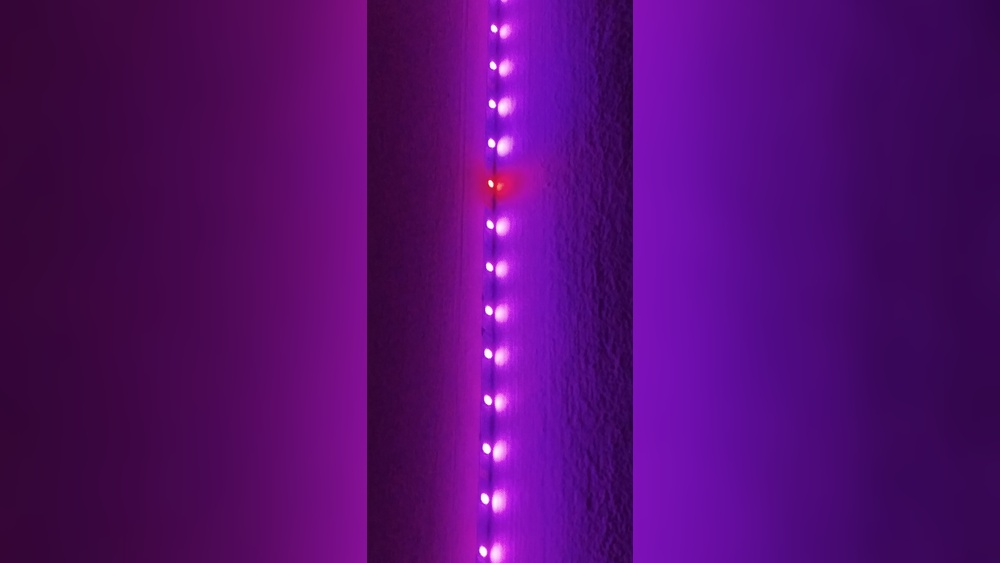
Have you ever wondered what really happens when your LED lights stop working? You rely on them every day to brighten up your space, save energy, and cut costs.
But when an LED light dies, it’s not always clear why or what to do next. Understanding this can save you time, money, and frustration. Keep reading, and you’ll discover the surprising reasons behind LED failure and how to handle it like a pro.
Your lights—and your wallet—will thank you.
How Led Lights Fail
LED lights are known for their long life and energy efficiency. Yet, they do fail eventually. Understanding how LED lights fail helps in knowing what to expect and how to handle it.
LED failure is different from traditional bulbs. They do not burn out suddenly. Instead, they slowly lose brightness or change color. This gradual change is a sign that the LED is nearing the end of its life.
Gradual Brightness Decline
Most LED lights dim over time. The light output slowly reduces. This happens due to wear on the LED chip inside. As the chip ages, it emits less light. This is the most common form of LED failure.
Color Shift
LEDs can change color as they fail. The light may become yellow, blue, or green. This shift occurs because the materials inside degrade. Color change signals the LED is not working properly.
Complete Failure
Sometimes, LEDs stop working altogether. This is rare and usually happens after long use. Electrical issues or heat damage can cause this sudden stop. When complete failure occurs, the LED will not turn on at all.
Flickering And Flashing
Flickering lights often mean a problem. It may be due to a loose connection or a failing LED driver. Flickering can also indicate the LED is about to fail. It is a warning sign to prepare for replacement.

Common Signs Of Led Light Failure
LED lights are known for their long life and energy efficiency. Yet, they do not last forever. Signs of LED light failure often appear before the light stops working completely. Recognizing these signs helps you act early and avoid sudden darkness.
Watching for changes in how your LED lights behave can save time and effort. These common signs reveal that the LED might be dying.
Dimming And Flickering
Dimming means the light is getting weaker over time. Flickering shows as quick on and off flashes. Both signs suggest the LED is losing power or the internal parts are wearing out. These changes often come before full failure.
Color Shifts
LED lights usually keep the same color while working. A shift in color means the LED is aging or the components inside are damaged. Colors may become dull, yellowish, or even change tone. This is a clear warning that the light is not healthy.
Complete Outage
When the LED stops lighting up entirely, it has reached the end of its life. A complete outage means the LED cannot produce light any longer. This is the final stage of LED failure and usually requires replacement.
Intermittent Lighting
Intermittent lighting means the light works sometimes and fails other times. This flickering on and off shows unstable power or loose connections inside the LED. It points to a problem that needs fixing soon before total failure.
Main Causes Behind Led Light Death
LED lights last longer than many other bulbs. Still, they do stop working at times. Knowing the main causes helps you avoid early failures. Several common issues cause LED lights to die faster than expected.
Overheating Issues
Heat is a major enemy of LED lights. Too much heat damages the internal parts. Poor heat management causes the LED to burn out quickly. Using LED lights in closed or hot spaces raises this risk.
Electrical Surges
Sudden spikes in electricity can harm LED lights. Surges can burn the circuits inside the bulb. This damage stops the LED from working. Protecting LED lights with surge protectors can help.
Poor Quality Components
Cheap LEDs often use low-grade parts. These parts wear out faster than good ones. Low-quality materials lead to early light failure. Spending a bit more on quality LEDs usually pays off.
Incompatible Fixtures
Not all LED lights fit every fixture type. Using the wrong fixture can cause poor performance. It may also increase heat or cause electrical issues. Always check compatibility before installing LEDs.

Preventive Tips To Extend Led Lifespan
LED lights last a long time, but they do not last forever. Taking some simple steps can help make your LED lights work longer. These tips protect the light from damage and keep it shining bright. Follow easy care and use methods to save money and avoid frequent replacements.
Proper Installation Practices
Install LED lights carefully to avoid damage. Use the right tools and follow the instructions. Secure connections prevent flickering and short circuits. Avoid touching the LED surface with bare hands. Proper placement stops overheating and extends light life.
Using Compatible Drivers
Choose drivers that match your LED lights. Drivers control the power and keep it steady. Using the wrong driver can cause flickering or early failure. Check the voltage and current requirements before buying. Good drivers protect LEDs and improve performance.
Avoiding Overuse
Turn off LED lights when not needed. Continuous use can shorten their lifespan. Use timers or smart controls to limit on-time. Give LEDs time to cool down between uses. Reducing overuse helps keep LEDs working longer.
Regular Maintenance
Clean LED lights regularly to remove dust and dirt. Dust can block light and cause heat buildup. Check for loose wires or damage often. Replace parts quickly to prevent bigger issues. Regular care keeps LED lights bright and lasting.
How To Fix Dead Led Lights
Dead LED lights can be frustrating. Fixing them often saves money and reduces waste. Many LED issues come from simple problems. You can solve some problems by yourself. This guide explains easy steps to fix dead LEDs.
Testing And Replacing Drivers
The driver powers the LED light. A bad driver stops the light from working. Use a multimeter to test the driver’s output. If no power shows, replace the driver. Buy a driver that matches your LED’s specs. Disconnect power before swapping the driver.
Checking Connections
Loose or broken wires cause LED failure. Inspect all wires and connections carefully. Tighten any loose screws or connectors. Look for signs of damage or corrosion. Clean dirty contacts with a soft cloth. Proper connections restore the light’s power flow.
Replacing The Led Module
Sometimes the LED module itself fails. If the driver and connections work, this might be the issue. Remove the old module carefully. Match the new module with the original part number. Install the new module securely. Test the light before closing the fixture.
When To Call A Professional
Complex wiring or hidden damage needs expert help. If you feel unsure or unsafe, call a professional. Professionals have tools and experience to fix tricky problems. Avoid risking electric shock or further damage. A quick professional fix saves time and stress.
Choosing Durable Led Lights
Choosing durable LED lights helps avoid frequent replacements and saves money. Durable LEDs last longer and work better in all spaces. Understanding how to pick strong LED lights is key to getting good value. This section explains important points to consider when selecting LED lights that last.
Evaluating Warranty And Ratings
Check the warranty before buying LED lights. A longer warranty shows the maker trusts their product. Look for ratings like lumens and color temperature. High ratings mean better brightness and quality. Reviews from other buyers also help find reliable lights.
Selecting Quality Brands
Choose brands known for good LED lights. Well-known brands use better parts and tests. Avoid cheap unknown brands that may fail quickly. Quality brands offer better customer service and support. Trust is important when buying durable LED products.
Considering Heat Management Features
Heat can damage LED lights over time. Look for lights with good heat sinks or cooling parts. These features keep lights cool and extend their life. Poor heat management causes bulbs to dim or die fast. Good design means longer-lasting and safer LED lights.

Frequently Asked Questions
What Causes Led Lights To Die Prematurely?
LED lights can die early due to overheating, poor quality components, or electrical surges. Excessive heat damages the internal parts. Using incompatible drivers or frequent power fluctuations also shorten LED lifespan.
How Can I Tell If An Led Light Is Dead?
A dead LED light will not turn on despite power supply. Sometimes it may flicker or show dim light before dying completely. Checking with a multimeter can confirm if the LED has failed.
Can Led Lights Be Repaired After They Die?
Most LED lights cannot be repaired after failure. The internal diode usually burns out. Replacing the entire LED bulb or fixture is more practical and cost-effective than repair.
How Long Do Led Lights Typically Last?
LED lights generally last 25,000 to 50,000 hours. This longevity depends on usage, quality, and operating conditions. Proper installation and heat management extend their lifespan significantly.
Conclusion
LED lights last a long time but will eventually stop working. When they die, they often dim or flicker first. Sometimes, they fail suddenly without warning. Replacing dead LED bulbs is easy and cost-effective. Choosing quality LEDs helps avoid frequent replacements.
Proper disposal is important to protect the environment. Understanding what happens when LED lights die helps you plan better. Bright lighting can stay reliable with the right care. Keep your space well-lit by knowing when to change bulbs. Simple steps make your lighting last longer and work well.




Leave a Reply