

Have you ever wondered what happens if your LED lights overheat? It’s not just about a little extra warmth—overheating can affect the brightness, lifespan, and safety of your lights.
If you rely on LEDs for your home or workspace, knowing what signs to watch for and how overheating impacts them can save you money and prevent potential hazards. Keep reading to discover why LED overheating matters and what you can do to protect your lights and your space.

Causes Of Led Overheating
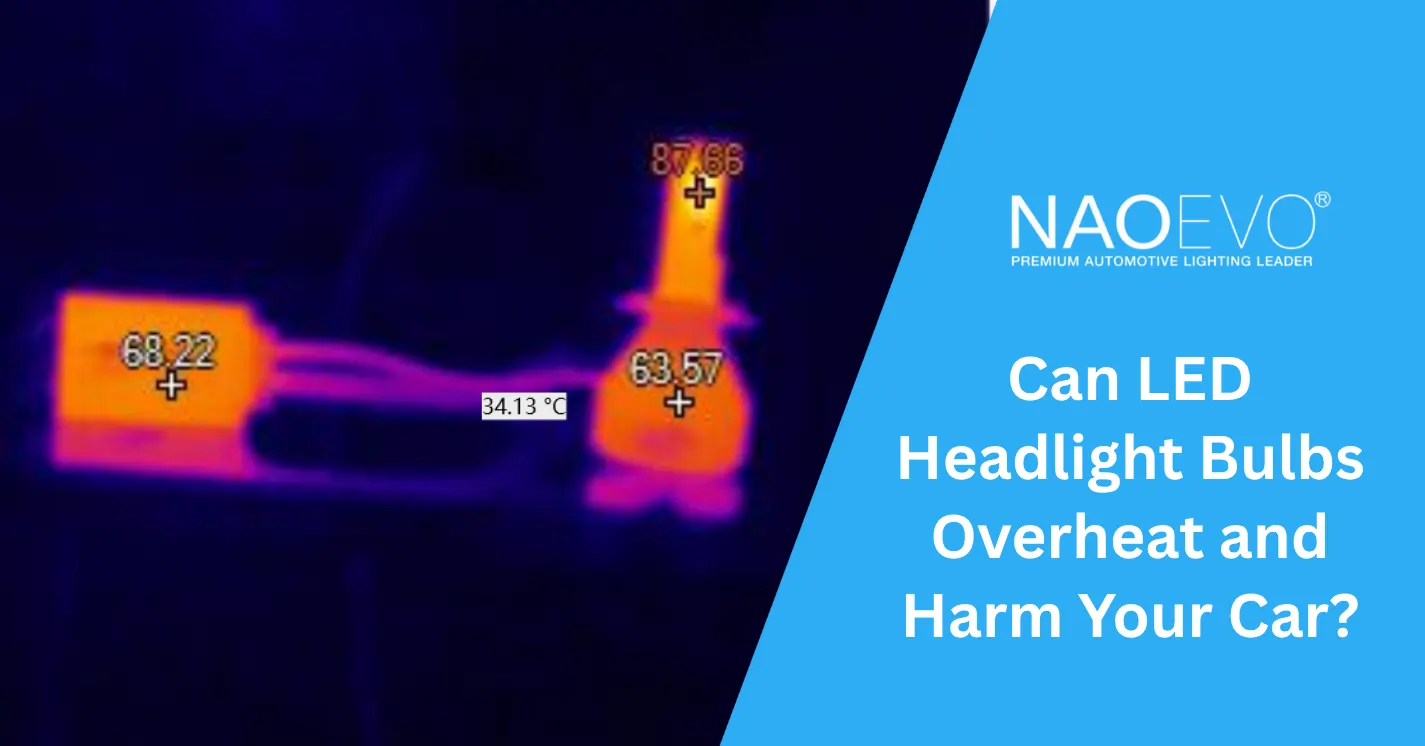
LED lights can overheat for several reasons. Overheating reduces their lifespan and causes damage. Understanding these causes helps prevent problems and keeps lights working well.
Electrical Overload
Electrical overload happens when too much current flows through the LED. This extra current creates heat inside the light. The heat builds up quickly and can harm the LED chip. Using the wrong power supply often causes this issue. It stresses the LED and shortens its life.
Poor Ventilation
Poor ventilation traps heat around the LED light. Without fresh air, heat cannot escape. The LED temperature rises beyond safe levels. Enclosed spaces or tight fittings cause poor airflow. Good ventilation helps cool the LED and keeps it safe.
Low-quality Components
Low-quality parts inside the LED light can cause overheating. Cheap materials do not handle heat well. The LED’s heat sink may be weak or missing. This prevents heat from moving away from the LED chip. Using quality components reduces the chance of overheating.
Signs Of Overheating Leds
LED lights are popular for their brightness and energy efficiency. But they can overheat if used improperly or without good ventilation. Overheating can damage the LED and reduce its lifespan. It is important to know the signs of overheating. Spotting these signs early can help prevent further damage and keep your lights working well.
Color Changes
One sign of overheating is a change in color. LED lights may shift from their normal bright white or color to a dull or yellowish tint. This color change means the LED is under stress. The heat affects the materials inside the light, causing this change. Watch for any color that looks off or faded.
Flickering Lights
Flickering is another warning sign. LEDs that flicker or blink on and off may be overheating. Heat can damage the electronic parts inside the light. This damage causes unstable power flow, leading to flickering. Flickering lights should not be ignored, as they indicate a problem.
Physical Damage
Physical damage like cracks or melting shows severe overheating. The LED housing or lens may become warped or discolored. These changes happen due to excess heat. Check the light for any visible damage. This damage often means the LED is beyond repair.
Risks Linked To Overheated Leds
LED lights are popular for their energy efficiency and long life. Yet, overheating can cause serious problems. Understanding the risks linked to overheated LEDs helps keep your home safe and your lights working well.
Fire Hazards
Overheated LEDs can reach high temperatures. This heat can damage nearby objects. It may cause fires in worst cases. Electrical parts can melt or spark. These sparks can ignite flammable materials. Keeping LEDs cool reduces fire risk.
Reduced Lifespan
Heat weakens LED components over time. The light dims faster than normal. The LED may burn out quickly. Overheating shortens the expected lifespan. Proper cooling helps LEDs last longer. Avoiding heat stress saves money on replacements.
Health Concerns
Hot LEDs may emit harmful substances. Prolonged exposure to heat can cause discomfort. Eye strain and headaches are common issues. Overheated lights can affect indoor air quality. Using well-ventilated fixtures minimizes health risks.
Preventing Led Overheating
Preventing LED overheating is key to keeping lights safe and long-lasting. Overheated LEDs lose brightness and can stop working. Taking steps to avoid heat build-up helps protect your investment and ensures steady light output.
Proper Installation
Place LED lights in spots with good airflow. Avoid tight spaces where heat gets trapped. Follow manufacturer instructions for wiring and placement. Secure fixtures firmly to prevent damage or loose connections.
Using Quality Products
Choose LED lights from trusted brands. Low-quality LEDs often lack heat control features. Look for products with built-in heat sinks or thermal management. Good materials help spread heat and keep LEDs cool.
Ensuring Adequate Cooling
Use heat sinks or cooling fans if needed. Proper cooling parts reduce temperature and extend LED life. Avoid covering LEDs with insulation or other materials. Regularly clean fixtures to remove dust that blocks airflow.
Safety Tips For Led Maintenance
LED lights are popular for their efficiency and long life. Yet, overheating can cause damage and safety risks. Proper maintenance helps avoid these problems. It keeps LED lights working well and safe.
Regular Inspections
Check LED lights often for signs of heat damage. Look for discoloration, flickering, or unusual warmth. Early detection stops bigger issues. Clean dust and dirt from fixtures to improve airflow. Inspections help find problems before they grow.
Avoiding Overuse
Limit the time LED lights stay on continuously. Overuse raises temperature and stress on parts. Use timers or smart controls to manage usage. Give lights breaks to cool down. This reduces overheating risk and extends light life.
Replacing Damaged Units
Replace LEDs showing signs of damage or overheating quickly. Damaged units may cause fire or electrical hazards. Use products that match original specifications. Proper replacements keep your lighting safe and reliable. Do not ignore faulty lights.
What To Do If Leds Overheat
LED lights can get hot during use, which may affect their performance. Knowing what to do if LEDs overheat helps protect your lights and home. Acting quickly prevents damage and keeps everything safe.
Immediate Actions
Turn off the LED light right away. Let it cool down in a safe place. Avoid touching the bulb while hot. Check if the fixture or wiring feels warm. Remove any covers or shades to improve air flow. Keep the area around the light clear of dust and flammable materials.
When To Seek Professional Help
Call an electrician if overheating happens often. Get help if you notice burning smells or flickering lights. Professionals can check wiring and fixtures for problems. Do not try to fix electrical issues yourself. Safety is the top priority with electrical devices.
Long-term Solutions
Use LED bulbs with proper wattage for your fixtures. Choose bulbs with built-in heat sinks or cooling features. Install lights in well-ventilated areas to reduce heat. Replace old or damaged fixtures that trap heat. Regularly clean lights and fixtures to avoid dust buildup.

Frequently Asked Questions
What Causes Led Lights To Overheat?
LED lights overheat due to poor ventilation, excessive current, or using incorrect wattage. Heat builds up inside the fixture, damaging components and reducing lifespan.
How Does Overheating Affect Led Light Lifespan?
Overheating shortens LED lifespan significantly by degrading internal parts. High temperatures cause early failure and diminished brightness, leading to costly replacements.
Can Overheated Led Lights Become A Fire Hazard?
Yes, overheating can cause LED lights to catch fire. Excess heat may melt wiring insulation or damage fixtures, increasing fire risk if not managed properly.
How To Prevent Led Lights From Overheating?
Ensure proper heat dissipation by using quality fixtures with heat sinks. Avoid overloading circuits and maintain good airflow around LED installations to keep them cool.
Conclusion
LED lights can get damaged when they overheat. Heat shortens their lifespan and lowers brightness. Overheating may cause flickering or complete failure. Good ventilation and proper installation help prevent heat issues. Always choose LED lights designed for your space. Taking care of your LEDs saves money and hassle.
Bright, long-lasting lighting depends on managing heat well. Keep your LED lights cool for the best results.




Leave a Reply