

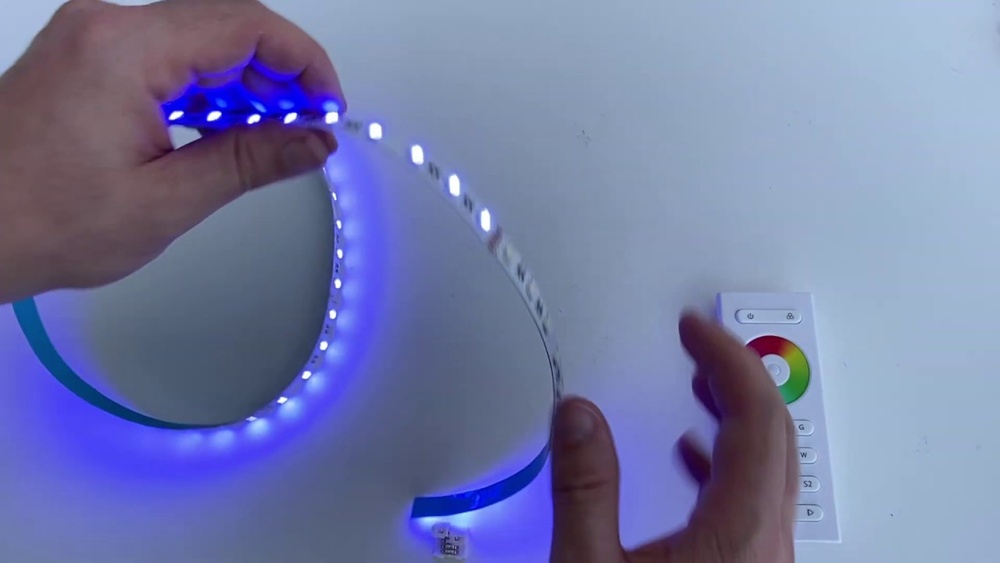
Have you ever switched on your LED lights, only to find them not working? It’s frustrating, especially when you rely on them every day.
You might wonder why this happens and what it means for your home or workspace. Understanding what goes wrong and how to fix it can save you time, money, and stress. Keep reading, and you’ll discover simple answers that make a big difference.
Don’t let a small problem leave you in the dark.

Common Causes Of Led Light Failure
LED lights are popular for their long life and energy savings. Yet, they can fail sometimes. Knowing common causes helps fix the problem fast. Here are key reasons why LED lights might stop working.
Power Supply Issues
LED lights need a steady power supply. Fluctuations or low voltage can cause failure. Power surges damage the LED’s internal parts. Check your power source and connections first.
Faulty Wiring Connections
Loose or damaged wires stop electricity flow. This leads to flickering or no light at all. Poor wiring is a common cause of LED failure. Inspect wires for breaks or poor contact.
Defective Led Bulbs
Sometimes the LED bulb itself is faulty. Manufacturing defects cause early failure. A dead LED bulb won’t light up. Replace bulbs with quality ones for better results.
Driver Or Transformer Problems
LEDs need a driver or transformer to work. A bad driver stops power conversion. This results in no light or flickering. Test the driver unit to ensure it works well.
Overheating And Environmental Factors
Excess heat shortens LED life span. Poor ventilation or hot locations cause overheating. Moisture and dust also damage LEDs. Keep LEDs cool and clean for longer use.
Signs Your Led Lights Are Malfunctioning
LED lights usually last long and work well. Sometimes, they start showing problems before they stop working completely. Knowing the signs of malfunction helps you act early. It saves time and money. It also prevents further damage to your lighting system.
Flickering And Dimming
Flickering lights can be annoying and harmful to your eyes. Dimming without changing the switch setting signals a problem. Loose connections or failing LEDs cause flickering. It may also mean power supply issues. Watch for these signs to avoid sudden light failure.
Complete Light Outage
When an LED light goes completely dark, it is a clear sign. The LED or its driver may have failed. Sometimes, a blown fuse or wiring problem causes this. A total outage means immediate attention is needed. It stops room illumination and can be unsafe.
Color Shifts Or Uneven Lighting
LED lights usually emit a steady color. Changes in color or uneven brightness show trouble. It might mean the LED chips are aging or damaged. Uneven light spots create a poor visual experience. Early checkups help maintain good lighting quality.
Buzzing Or Unusual Noises
LED lights are mostly silent. Buzzing or humming sounds are unusual. These noises often come from faulty drivers or dimmers. It can indicate electrical problems that need fixing. Ignoring sounds can lead to bigger issues or hazards.
Quick Fixes For Non-working Led Lights
Quick fixes for non-working LED lights can save time and money. Simple checks often solve the problem without expert help. Small issues like loose wires or burnt bulbs cause many failures. Follow these steps to find and fix common LED light problems fast.
Checking And Replacing Bulbs
Start by checking the LED bulb itself. Turn off the power and remove the bulb carefully. Look for signs of damage like dark spots or broken parts. Replace the bulb with a new one if it looks faulty. Using a bulb with the right voltage is very important. Test the new bulb to see if it works before installing fully.
Inspecting And Securing Connections
Loose or damaged connections can stop LED lights from working. Check the wiring at the light fixture and power source. Tighten any loose screws or connectors gently. Look for frayed or broken wires and replace them if needed. Secure connections ensure steady power flow to the LED lights.
Resetting Or Replacing Drivers
LED lights use drivers to control power. Sometimes, resetting the driver fixes the issue. Switch off the power for a few minutes, then turn it back on. If the driver is faulty, replace it with one that matches the LED light’s specifications. A good driver improves light performance and lifespan.
Testing Power Sources
Power supply problems can cause LED lights to fail. Use a voltage tester to check the outlet or switch. Make sure the power source delivers the correct voltage. Try plugging the LED light into a different outlet. Power issues often come from tripped breakers or blown fuses.
Managing Heat And Ventilation
LED lights work best when they stay cool. Poor ventilation causes overheating and damage. Ensure the light fixture has enough space for air to flow. Clean dust and dirt from vents regularly. Proper heat management extends the life of LED bulbs.

Preventive Tips For Longer Led Lifespan
LED lights last longer with the right care. Simple steps help avoid early failures. Follow these tips to keep your LED lights bright and working well. Small actions can extend their life significantly.
Using Compatible Drivers And Fixtures
Choose drivers and fixtures made for your LED lights. Wrong drivers may cause flickering or damage. Proper fixtures support heat management and protect the LED. Using compatible parts ensures steady power and longer light life.
Avoiding Excessive Heat Exposure
Heat shortens LED lifespan. Keep lights away from hot areas. Use fixtures that allow good airflow. Avoid covering lights with materials that trap heat. Cooler operation helps LEDs work better and last longer.
Regular Maintenance And Cleaning
Dust and dirt reduce light output. Clean LEDs gently with a soft cloth. Check for loose connections or damage often. Regular care stops problems early. Clean lights shine brighter and last longer.
Ensuring Proper Installation
Install LEDs according to instructions. Secure connections prevent flickering and outages. Avoid bending cables or forcing parts. Proper installation protects LEDs from damage. Correct setup ensures reliable performance over time.
When To Call A Professional
Knowing when to call a professional for LED light problems saves time and ensures safety. Some issues go beyond simple fixes. A trained electrician can find and solve hidden problems fast. Avoid risks by choosing expert help at the right moment.
Complex Electrical Issues
LED lights often fail due to wiring or circuit problems. These issues need special tools and skills. Professionals can test the electrical system and fix faults safely. Trying to repair complex issues without knowledge can cause more damage or shock.
Persistent Light Failures
Lights that keep going off signal deeper problems. Replacing bulbs or switches may not solve the issue. A professional can diagnose the real cause behind repeated failures. Persistent problems might point to faulty wiring or poor connections.
Safety Concerns
Electrical work carries risks like shocks and fires. Handling electricity without experience is dangerous. Professionals follow safety rules and use proper gear. Calling an expert reduces hazards and protects your home and family.

Frequently Asked Questions
Why Do Led Lights Suddenly Stop Working?
LED lights may fail due to electrical issues, poor connections, or overheating. Faulty drivers or incorrect voltage can also cause them to stop working. Proper installation and quality components help prevent sudden failures.
Can Led Lights Be Repaired If They Don’t Work?
In some cases, LED lights can be repaired by replacing drivers or connections. However, most LEDs are sealed units, making repairs difficult. It’s often more cost-effective to replace the entire light fixture.
What Are Common Reasons For Led Light Failure?
Common reasons include power surges, overheating, poor wiring, or using incompatible dimmers. Environmental factors like moisture and dust can also reduce LED lifespan. Regular maintenance and proper installation can minimize failures.
How To Troubleshoot Non-working Led Lights At Home?
First, check the power source and switch. Inspect wiring and connections for damage. Test with a different bulb or fixture. If issues persist, consult a professional electrician to avoid hazards.
Conclusion
LED lights not working can cause small or big problems. Checking power and connections helps find issues fast. Sometimes, replacing bulbs or drivers fixes the problem. Ignoring LED faults may lead to higher costs later. Regular care keeps lights bright and lasts longer.
Simple steps save money and avoid frustration. Staying aware helps keep your space well-lit and safe. Don’t wait; act quickly to fix LED troubles. Bright lighting makes life easier and safer every day.




Leave a Reply