

Are you thinking about switching to LED lights but aren’t sure if they’re the right choice for you? You’re not alone.
LED lights have become incredibly popular, but like anything, they come with both advantages and disadvantages. Understanding the pros and cons can help you make a smart decision that fits your needs and saves you money in the long run.
Keep reading, and you’ll discover everything you need to know before making the switch.

Advantages Of Led Lights
LED lights offer many benefits that make them a popular choice for homes and businesses. They save money and use less power. Their designs fit many styles. This section explains the main advantages of LED lights.
Energy Efficiency
LED lights use much less electricity than traditional bulbs. They convert most energy into light, not heat. This helps reduce electric bills and saves power.
Long Lifespan
LED bulbs last longer than other types of bulbs. They can work for up to 25,000 hours or more. This means fewer replacements and less hassle.
Environmental Impact
LED lights are better for the environment. They contain no harmful chemicals like mercury. Their low energy use also lowers carbon emissions.
Variety Of Colors And Designs
LEDs come in many colors and shapes. This allows creative lighting options for any room or outdoor space. Choose warm or cool light to suit your mood.
Low Heat Emission
LED bulbs produce very little heat. This makes them safer to touch and reduces fire risks. They also keep rooms cooler, saving on air conditioning costs.
Durability And Reliability
LED lights are strong and can handle shocks. They do not break easily like glass bulbs. This makes them great for outdoor and rough use.
Disadvantages Of Led Lights
LED lights have many benefits, but they also come with some drawbacks. Understanding these disadvantages can help you make a better choice for your lighting needs. Below are some common issues people face with LED lights.
Higher Initial Cost
LED lights usually cost more upfront than traditional bulbs. This higher price can be a barrier for some buyers. The cost difference is noticeable, especially when replacing many bulbs at once.
Though LEDs save money over time, the initial expense feels high. This can make people hesitate before switching to LED lighting.
Light Quality Concerns
Not all LED lights produce the same light quality. Some LEDs give off harsh or unnatural light. This can make rooms look less comfortable or warm.
Color rendering index (CRI) varies among LEDs. Low CRI means colors may look dull or strange under LED light. This issue bothers people who want natural-looking light.
Compatibility Issues
LEDs do not always work well with existing fixtures or dimmers. Older dimmer switches may cause flickering or buzzing. This can reduce the lifespan of the LED bulb.
Some LED bulbs are not compatible with certain types of lamps. This limits where you can use them without extra equipment or adapters.
Environmental Disposal Challenges
LEDs contain electronic parts that need careful disposal. Throwing them in regular trash can harm the environment. Recycling LED bulbs requires special facilities.
Many people do not know how to dispose of LEDs properly. This can lead to more electronic waste and pollution.
Potential Health Effects
LED lights can produce blue light, which may affect sleep patterns. Exposure to blue light at night can disturb the body’s natural rhythm. This leads to trouble falling asleep or poor sleep quality.
Some people also report headaches or eye strain from certain LED lights. Bright, flickering LEDs might cause discomfort for sensitive individuals.
Comparing Led Lights With Other Lighting Options
Choosing the right lighting can change the look and feel of your space. LED lights have become popular, but other types still exist. Comparing LED lights with other lighting options helps to understand their strengths and weaknesses. This section looks at how LEDs stack up against incandescent, fluorescent, and halogen lights.
Led Vs Incandescent
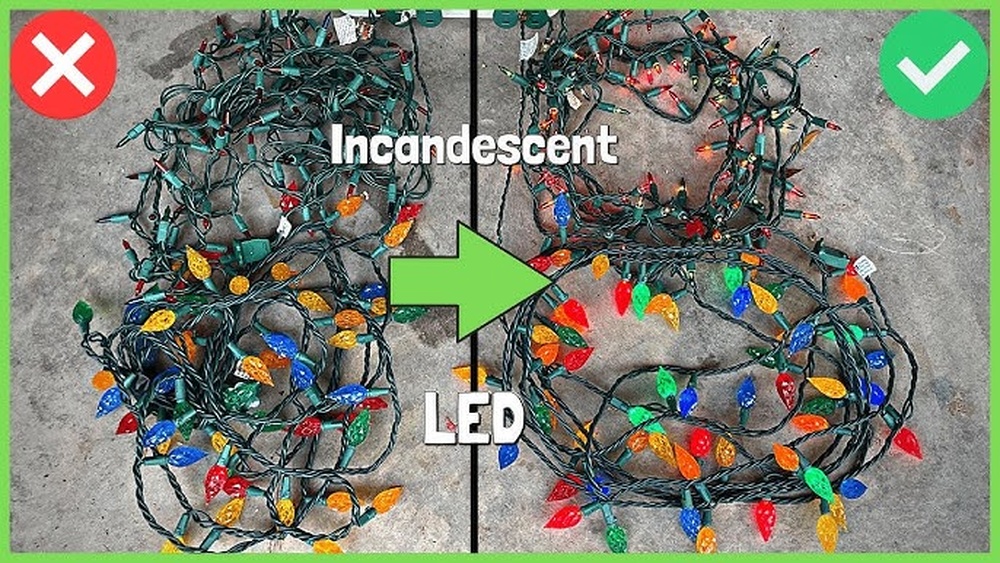
Incandescent bulbs use more energy than LEDs. They also burn out faster, leading to frequent replacements. LEDs save money on electricity bills. Incandescent lights produce a warm, natural glow that some people like. LEDs come in many colors and brightness levels. Incandescent bulbs get hot, which can be a safety issue. LEDs stay cool and are safer for homes.
Led Vs Fluorescent
Fluorescent lights use less energy than incandescent bulbs but more than LEDs. They contain small amounts of mercury, which needs careful disposal. LEDs do not have harmful chemicals. Fluorescents can flicker and take time to reach full brightness. LEDs turn on instantly with no flicker. Fluorescent tubes can be bulky, while LEDs are compact and versatile. LED lights last longer, reducing waste.
Led Vs Halogen
Halogen bulbs are brighter than incandescent but less efficient than LEDs. They get very hot and can increase cooling costs. LEDs use less power and stay cool. Halogen lights offer good color rendering, close to natural light. LEDs have improved in color quality over time. Halogen bulbs have shorter lifespans compared to LEDs. Using LEDs reduces the need for frequent bulb changes.

Choosing The Right Led Light
Choosing the right LED light can make a big difference in your home or office. The right light creates comfort and saves energy. It also fits your style and needs. Focus on key factors to pick the best LED light for you.
Assessing Your Lighting Needs
Think about the room’s purpose and size. Bright lights work well in work areas. Softer lights suit living rooms and bedrooms. Check if you need lights for reading, cooking, or relaxing. This helps find the perfect brightness and style.
Understanding Lumens And Color Temperature
Lumens measure light brightness. More lumens mean brighter light. Color temperature shows the light’s color tone. Warm light feels cozy. Cool light feels clear and sharp. Choose lumens and temperature that match your space and mood.
Considering Smart Features
Smart LED lights offer easy control. Use apps or voice commands to change brightness and color. Set timers for convenience and energy savings. Smart features add comfort and help manage lighting without extra effort.

Frequently Asked Questions
What Are The Main Advantages Of Led Lights?
LED lights are energy-efficient, using up to 80% less power than traditional bulbs. They last longer, reducing replacement frequency. LEDs emit less heat, improving safety. They offer better light quality and are environmentally friendly due to lower carbon emissions and no mercury content.
Are Led Lights Cost-effective In The Long Run?
Yes, LED lights save money over time despite higher upfront costs. Their energy efficiency lowers electricity bills. Long lifespan means fewer replacements, reducing maintenance expenses. Overall, LED lighting is a cost-effective choice for homes and businesses in the long term.
Do Led Lights Have Any Environmental Impact?
LED lights are eco-friendly as they consume less energy and reduce greenhouse gas emissions. They contain no toxic mercury, unlike CFLs. LEDs are recyclable and produce less waste due to their durability, making them a greener lighting option for sustainable living.
Can Led Lights Cause Eye Strain Or Health Issues?
Properly designed LED lights emit minimal flicker and glare, reducing eye strain risks. However, excessive blue light exposure from LEDs may affect sleep patterns. Using warm white LEDs and limiting screen time can minimize potential health concerns related to LED lighting.
Conclusion
LED lights offer many benefits like energy savings and long life. They also have some downsides, such as higher upfront cost and occasional color issues. Choosing LED lights depends on your needs and budget. They work well for most homes and businesses.
Think about where and how you will use them. This helps you get the best results. LED lights remain a popular choice for bright, efficient lighting.




Leave a Reply