


Are you considering LED light therapy but want to know if it’s really worth your time and money? While this treatment promises many benefits, it’s important to understand the downsides before you dive in.
What if there are risks or limitations that could affect your results or even your skin’s health? You’ll discover the key disadvantages of LED light therapy, helping you make a smarter, safer choice for your skin care routine. Keep reading to find out what you need to watch out for.
Common Side Effects
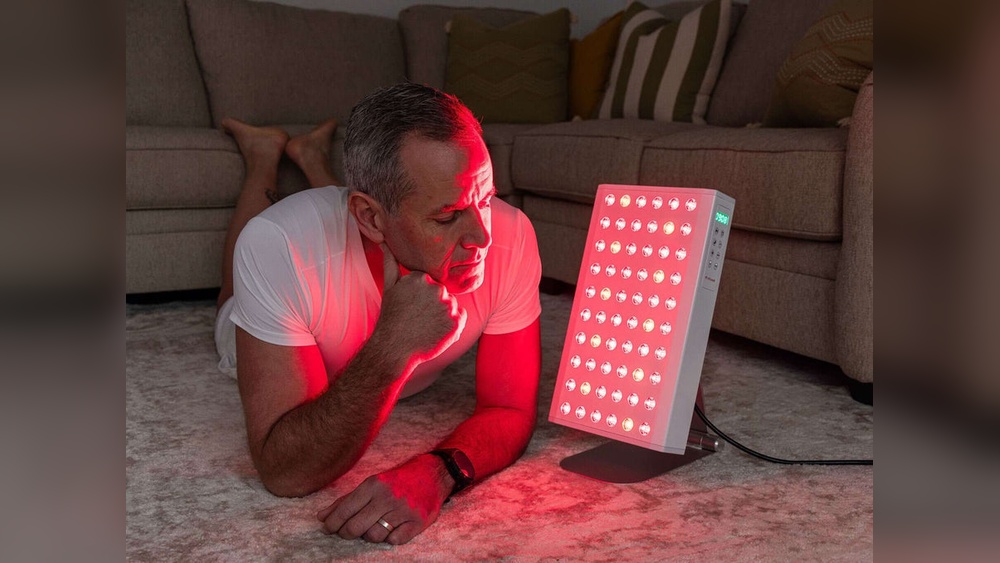
LED light therapy is popular for skin care and pain relief. It offers many benefits, but some people may face side effects. These side effects are usually mild and short-term. Understanding them helps you decide if LED light therapy is right for you.
Skin Irritation
Some users experience skin irritation after treatment. This can include itching, dryness, or a burning feeling. Sensitive skin types are more likely to react. Using the device for too long may increase irritation.
Eye Strain
LED light can cause eye strain if eyes are not protected. The bright light may lead to discomfort or headaches. Wearing goggles during sessions reduces this risk significantly.
Temporary Redness
Redness often appears on the skin after therapy. This happens because of increased blood flow. The redness usually fades within a few hours without treatment.
Potential Health Risks
LED light therapy is popular for skin care but it is not without risks. Some potential health issues need attention. Understanding these risks helps users make safer choices. The following points highlight key concerns related to this therapy.
Long-term Skin Damage
Repeated exposure to LED light may cause skin problems over time. The light can dry out the skin, leading to cracks and irritation. Constant use might also affect skin texture and color. It is important to limit sessions and follow guidelines strictly.
Impact On Sensitive Skin
People with sensitive skin may face redness or swelling after treatment. The light can trigger allergic reactions or worsen skin conditions. It is best to test a small skin area first. Avoid using LED therapy if skin reacts badly.
Possible Eye Damage
LED lights are bright and can harm the eyes if not protected. Direct exposure might cause discomfort or long-term damage. Wearing proper eye protection during therapy sessions is essential. Keep eyes closed or shielded to prevent injury.
Limitations Of Led Therapy
LED light therapy offers many benefits but has clear limits. It does not work the same for everyone or all health issues. Understanding these limits helps set realistic expectations.
Ineffectiveness For Certain Conditions
LED therapy cannot treat all medical problems. It mainly helps skin issues like acne and wrinkles. Serious illnesses or deep tissue injuries need other treatments. Relying only on LED light can delay proper care.
Variable Results Among Users
Results vary widely from person to person. Some users see big improvements quickly. Others notice little or no change. Factors like skin type, age, and treatment time affect outcomes. Consistency and patience are key but no guarantee.
Safety Precautions
LED light therapy is popular for skin care and pain relief. Safety is very important while using this treatment. Taking the right precautions helps avoid risks and side effects. Understanding how to use LED light therapy safely protects your health.
Proper Usage Guidelines
Follow the instructions that come with the device. Use the recommended time and distance for each session. Avoid overusing the light to prevent skin irritation. Keep the device clean to stop infections. Do not use LED light therapy on broken or sensitive skin.
Protective Measures
Wear eye protection during treatment to shield your eyes. Use goggles designed for LED therapy or close your eyes tightly. Keep the light away from your eyes at all times. Avoid staring directly into the light source. Ensure the room is well-lit to reduce eye strain.
Consulting Healthcare Professionals
Talk to a doctor before starting LED light therapy. Inform them about any skin conditions or medications you use. Some health issues may make LED therapy unsafe. A professional can suggest the best treatment plan for you. Seek advice if you experience pain or unusual skin changes.
Cost And Accessibility Issues
Cost and accessibility are important factors to think about with LED light therapy. Not everyone can easily afford or access these treatments. This limits who can benefit from the technology.
High Treatment Costs
LED light therapy devices and sessions often come with high prices. Professional treatments at clinics can be expensive. Many people find the cost too much for regular sessions.
Buying home devices also requires a big upfront payment. Quality equipment is not cheap. Lower-cost devices may not work as well or last long.
Availability Challenges
LED light therapy is not available everywhere. Many rural or small towns lack clinics offering this service. Travel to bigger cities may be needed.
Some areas have long waiting times for appointments. This delays treatment and can cause frustration. Limited availability reduces how many people get help.

Comparing With Other Therapies
LED light therapy is popular for skin and pain treatments. It uses specific light colors to stimulate cells. Many users find it safe and easy. Still, it is important to see how it compares with other therapies. Each treatment has its own strengths and limits. Understanding these helps to choose the right one.
Advantages Of Alternative Treatments
Alternative therapies like laser therapy and microdermabrasion offer different benefits. Laser therapy can reach deeper skin layers. It often works faster for scars and wrinkles. Microdermabrasion removes dead skin cells physically. This helps renew skin texture quickly. Some treatments also use heat or chemicals for stronger results. These options can suit people needing fast or intense care. Many alternatives also have more research supporting their effects.
When To Choose Led Therapy
LED therapy is gentle and non-invasive. It suits sensitive skin or those avoiding pain. It has fewer side effects than some treatments. This therapy helps with mild acne, inflammation, and early aging. It requires multiple sessions for best results. People wanting a safe home-use option prefer LED light. It is a good choice for ongoing skin maintenance. Also, it pairs well with other treatments without risk.

Frequently Asked Questions
What Are The Common Side Effects Of Led Light Therapy?
LED light therapy may cause mild redness, dryness, or irritation. These side effects are usually temporary and resolve quickly without treatment.
Can Led Light Therapy Worsen Certain Skin Conditions?
Yes, LED light therapy can aggravate photosensitive skin disorders or conditions triggered by light exposure. Consult a dermatologist before treatment.
Is Led Light Therapy Safe For All Skin Types?
While generally safe, some skin types may react differently. People with very sensitive skin should perform a patch test first.
How Long Does It Take To See Results From Led Therapy?
Results typically appear after several weeks of consistent use. Individual responses vary based on skin type and condition severity.
Conclusion
LED light therapy has some clear downsides to consider. It may cause skin irritation or redness for some users. Results can take time and are not guaranteed. Devices can be costly and require regular use. Not all skin types respond well to this treatment.
It is important to weigh these factors before starting. Knowing the possible drawbacks helps make a smart choice. Always consult a professional for advice tailored to you. Choose what suits your skin and lifestyle best.



Leave a Reply