


Are you thinking about adding LED light strips to your space? They seem like the perfect way to brighten up any room with ease.
But before you invest, it’s important to know that LED light strips aren’t all good news. You might be surprised by some hidden downsides that could affect your setup, your wallet, or even your mood. Keep reading to discover the key disadvantages of LED light strips so you can make the smartest choice for your lighting needs.
Limited Brightness
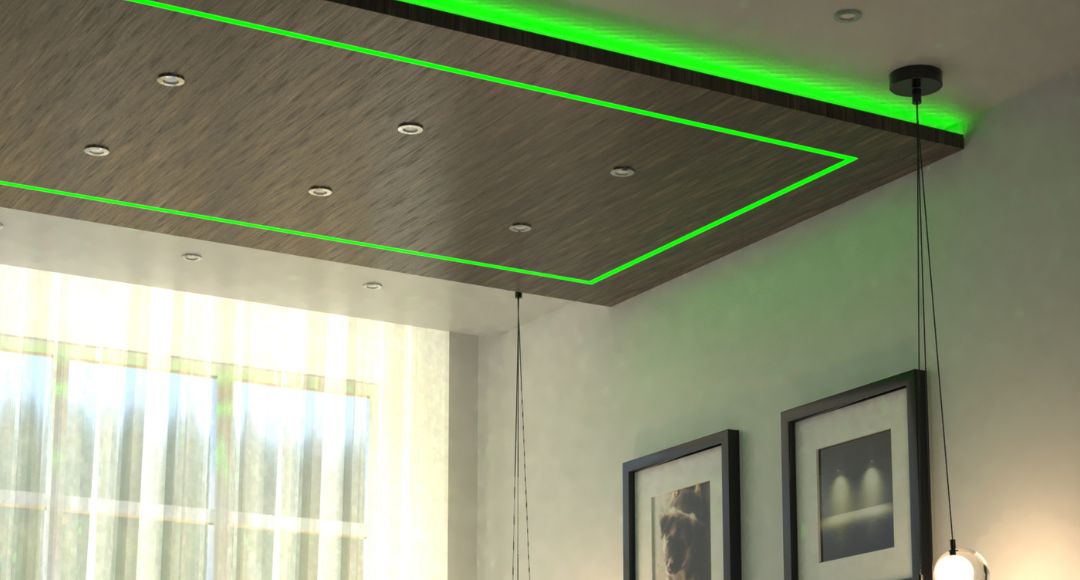
LED light strips offer many benefits, but their brightness has limits. These strips often cannot match the light output of traditional bulbs. This can affect their use in certain settings. Understanding these brightness limits helps in choosing the right lighting.
Comparing Lumens To Traditional Lighting
Brightness is measured in lumens. LED strips usually give fewer lumens than standard bulbs. A single LED strip may provide about 300 to 700 lumens per meter. In contrast, a typical 60-watt incandescent bulb emits around 800 lumens. This means LED strips need more length or more strips to match traditional bulbs. The lower lumen output can be a drawback for areas needing strong light.
Impact On Large Spaces
LED strips may not light large rooms well by themselves. Their limited brightness means they work best as accent or mood lighting. Large spaces require multiple strips or extra lighting sources. Using many strips increases cost and complexity. This can reduce the simplicity and energy savings LED strips are known for. Consider the space size before relying on LED strips alone.
Color Accuracy Issues
LED light strips offer many benefits, but color accuracy can be a problem. Colors may look different under LED lights compared to natural light. This issue affects how objects and spaces appear. Understanding color accuracy helps in choosing the right lighting.
Understanding Color Rendering Index
Color Rendering Index (CRI) measures how well a light source shows true colors. A higher CRI means colors look natural and vibrant. Most LED strips have a CRI between 70 and 90. A low CRI can make colors appear dull or distorted. This limits the use of LED strips in places needing precise color, like art studios or retail stores.
Effects On Ambiance
Color accuracy impacts the mood and feel of a room. Poor color rendering can make rooms look cold or unnatural. It can change the way furniture, walls, and decorations appear. This can reduce comfort and visual appeal. Choosing LED strips with better color accuracy improves ambiance and creates a welcoming space.
Heat Generation Concerns
LED light strips are popular for their bright and colorful effects. They are energy-efficient but can still produce heat. Heat generation is a concern for many users. It can affect the LED performance and the surfaces where they are installed.
Leds And Heat Dissipation
LEDs create light by passing electricity through a chip. This process produces some heat. The heat must escape to keep the LED cool. If heat builds up, the LED can become less bright. It may also have a shorter lifespan. Proper heat dissipation is needed for good LED function. Many LED strips have a thin design that limits airflow. This can make heat build-up worse.
Potential Damage To Surfaces
Heat from LED strips can harm the surfaces they stick to. Wood, plastic, or paint may warp or discolor over time. Heat can weaken adhesives, causing strips to peel off. Sensitive materials may become damaged faster. Careful placement and checking the surface type can help avoid damage. Using heat-resistant tape or mounting options is a safer choice.
Installation Challenges
Installing LED light strips is not always easy. Many users face problems that slow down the setup or cause the lights to fail. These installation challenges can discourage beginners and even some experienced users. Understanding these difficulties can help prepare you better before starting the project.
Complex Wiring Needs
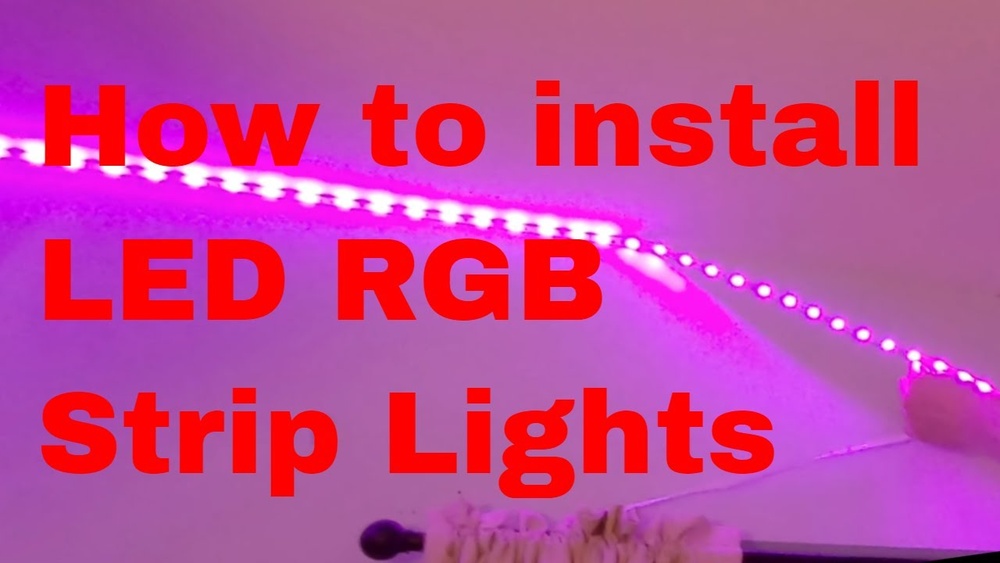
LED light strips often need precise wiring to work correctly. Some strips require connecting multiple sections or adding connectors. Mistakes in wiring can cause parts of the strip to not light up. Many users find it hard to match wires with the correct power source. This complexity can lead to frustration and wasted time.
Adhesive Limitations
The sticky backing on LED strips may not hold well on all surfaces. Rough or dusty walls can cause the adhesive to fail quickly. Once the strip falls, it may break or stop working. Some adhesives lose strength over time, especially in warm or humid places. Extra tape or clips might be needed to keep the strips in place.
Durability Problems
LED light strips offer bright and colorful lighting options. Yet, they can face durability problems that affect their lifespan and performance. Understanding these issues helps in choosing the right product and using it properly.
Susceptibility To Moisture
LED light strips often struggle with moisture exposure. Water can seep into the strip’s layers and cause short circuits. This risk is higher in outdoor or bathroom installations. Moisture damage leads to flickering lights or complete failure. Some strips have waterproof coatings, but not all are fully protected.
Fragility Of Components
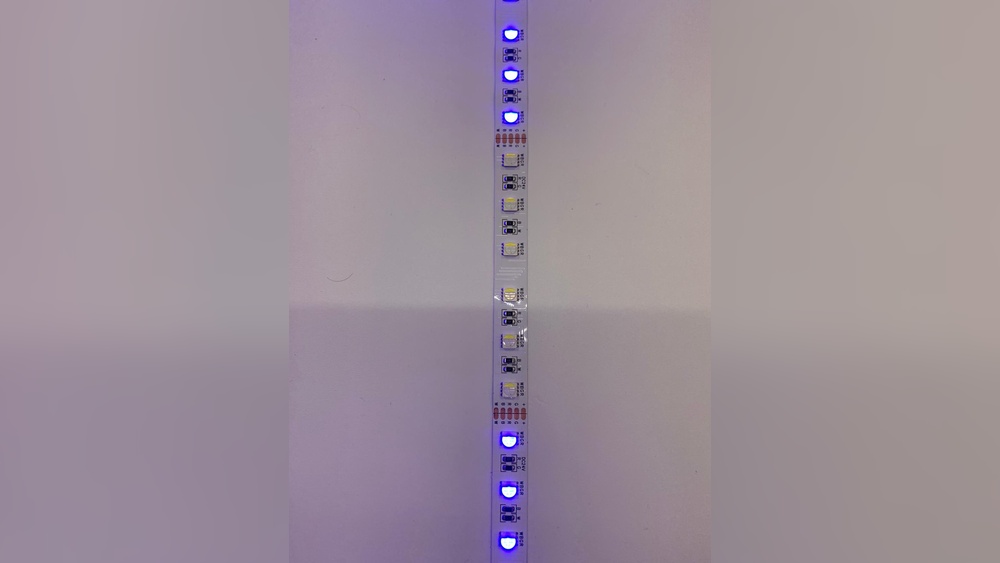
LED strips contain small electronic parts that are easy to break. Bending the strip too much can damage the circuit inside. The solder joints and chips are delicate and can fail with rough handling. This fragility means careful installation and use are necessary. Poor handling reduces the strip’s lifespan significantly.
Energy Consumption Myths
Many people believe LED light strips use very little energy. This idea is common but not always true. Understanding the real energy use helps make better choices. Let’s clear up some myths about energy consumption.
Actual Power Usage Compared
LED light strips use less power than traditional bulbs. Yet, some models can still consume more electricity than expected. Brightness and length affect power use. A longer strip needs more energy to light up fully. Comparing power ratings is key before buying.
Efficiency Over Time
LEDs are known for lasting long and saving energy. But their efficiency can drop after many hours of use. Dust and heat also lower performance. This means they might use more power later on. Regular cleaning and proper placement can help keep efficiency high.
Cost Considerations
Cost is a key factor when choosing LED light strips. They might seem affordable at first. But there are other costs to consider beyond the price tag. Understanding these costs helps you decide if LED strips fit your budget.
Initial Investment
LED light strips often cost more than traditional lights. High-quality strips have better brightness and color options. This raises the initial price. You may also need extra items like power adapters or controllers. These add to the upfront cost. Budgeting carefully is important before buying.
Replacement And Maintenance Costs
LED strips last long but not forever. Over time, some sections may dim or fail. Replacing parts can be tricky and costly. Maintenance might require special tools or help. Also, poor installation can cause damage. This leads to extra expenses. Keep in mind these potential future costs.

Environmental Impact
LED light strips use less energy, which helps the environment. But they have some environmental problems too. These problems come from how they are made and thrown away. Understanding these issues can help us make better choices.
Disposal Challenges
LED light strips contain many small parts. These parts are hard to separate for recycling. Most people throw them in the trash. This causes more waste in landfills. The plastic and metals do not break down easily. Over time, this adds to pollution.
Recycling centers often cannot process LED strips. This is because of mixed materials and tiny components. Safe disposal needs special handling. Without it, harmful substances can leak into soil and water. This hurts plants and animals around us.
Toxic Materials In Leds
Some LED strips contain toxic materials. These include lead, arsenic, and other heavy metals. These materials help the lights work well. But they are dangerous to people and nature.
If LED strips break or burn, toxins can escape. These toxins can pollute the air and water. They can cause health problems for animals and humans. Proper care is needed to avoid these risks.

Frequently Asked Questions
What Are The Common Drawbacks Of Led Light Strips?
LED light strips can have limited brightness and uneven lighting. They may also require frequent replacements due to adhesive failure. Some models produce heat, affecting longevity. Additionally, poor quality strips may cause flickering or color inconsistency, reducing overall visual appeal and efficiency.
How Do Led Light Strips Affect Energy Consumption?
LED light strips are energy-efficient but can consume more power if used extensively. High brightness settings and longer usage increase electricity costs. Choosing quality, energy-rated strips helps minimize consumption while maintaining desired lighting effects, balancing performance and savings effectively.
Can Led Light Strips Cause Eye Strain Or Discomfort?
Yes, LED strips with high brightness or improper color temperature can cause eye strain. Flickering or blue light emission may lead to discomfort during prolonged exposure. Using diffusers and adjusting brightness reduces these effects, promoting comfortable and safer lighting environments.
Are Led Light Strips Durable In Humid Or Outdoor Conditions?
Standard LED strips often lack waterproofing, making them unsuitable for humid or outdoor use. Exposure to moisture can damage circuits and adhesive. Waterproof or specially designed outdoor LED strips are recommended for durability and safe operation in such environments.
Conclusion
LED light strips offer many benefits but also come with some drawbacks. They can be costly to buy and replace. Some strips may not last long if used often. Installation can be tricky for beginners. Brightness and color may not be perfect for every space.
Power consumption is low but still adds to bills. Overall, knowing these disadvantages helps in making smart choices. Choose what fits your needs and budget best. LED strips work well but are not perfect for all uses.

Leave a Reply