


You probably use LED light bulbs every day without giving much thought to their downsides. But have you ever wondered if these bulbs are truly perfect?
While LEDs save energy and last long, they come with some hidden disadvantages that might affect your comfort, health, and wallet in unexpected ways. If you want to make smart choices for your home or office lighting, you need to know the full story.
Keep reading to discover what LED light bulbs might be hiding from you—and how it could impact your life.
Energy Efficiency Limits
LED light bulbs are known for energy savings, but they have limits. These limits affect how much energy they actually save in daily use. Understanding these limits helps choose the right lighting for your needs.
Comparison With Other Lighting Options
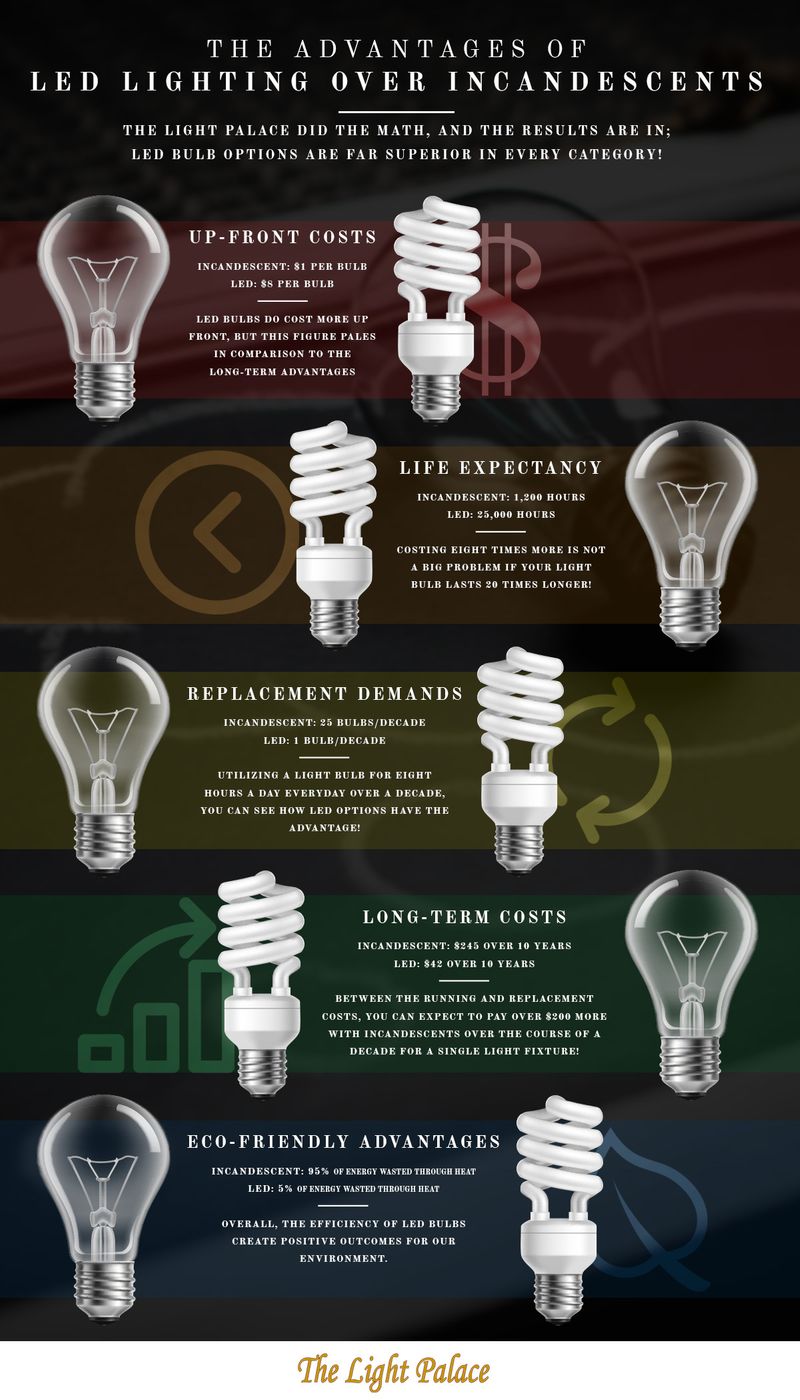
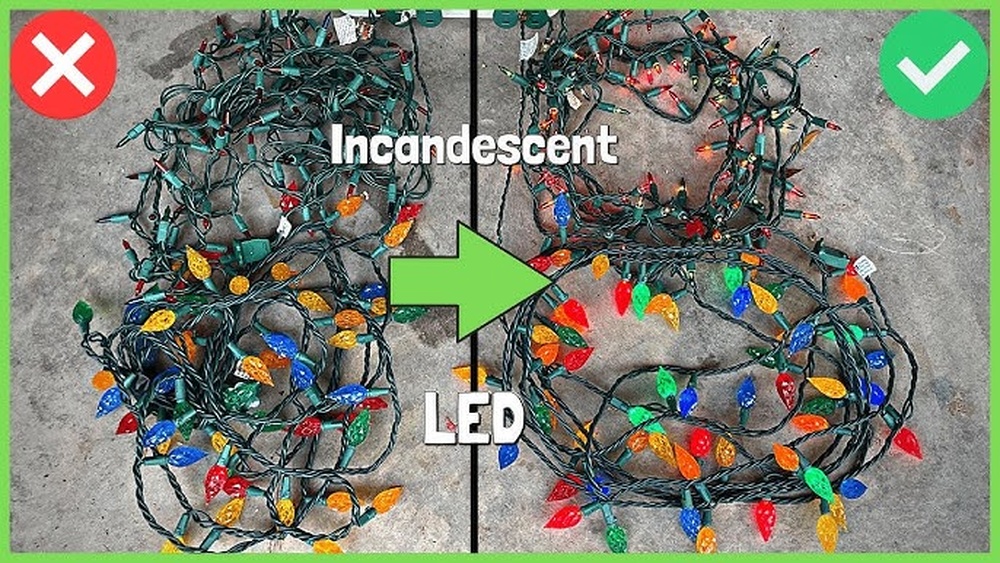
LED bulbs use less energy than traditional incandescent bulbs. They also last longer than halogen bulbs. Yet, some newer technologies like OLEDs or advanced CFLs can offer similar or better efficiency in some cases. LED lights do not always perform best in every setting. Their energy efficiency can depend on bulb design and usage.
Energy Consumption In Real Use
Energy use by LED bulbs varies in real life. Brightness settings and how long they stay on matter. Some LEDs use more power at higher brightness. Also, dimming may not reduce energy use much for certain LED models. The actual savings depend on how the bulbs are used daily.
Initial Cost Concerns
LED light bulbs offer many benefits, but the initial cost can be a concern for many buyers. These bulbs often cost more upfront than traditional bulbs. This higher price can stop some people from choosing LED options.
Understanding the cost helps to see the full picture. The price difference might seem large at first. Thinking about the long-term impact is important. The next sections explain the cost details.
Higher Upfront Price
LED bulbs usually cost more than incandescent or CFL bulbs. The technology inside LEDs is more advanced. This makes production more expensive. A single LED bulb can cost three to five times more than older bulbs. For large homes or businesses, this adds up quickly.
Cost Vs. Long-term Savings
LED bulbs use less electricity. They last much longer than traditional bulbs. This means lower energy bills and fewer replacements. Over time, these savings can cover the higher initial cost. But the upfront price remains a barrier for many buyers. Deciding to buy LEDs often depends on budget and patience.
Light Quality Issues
LED light bulbs offer many benefits, but some users notice problems with light quality. These issues affect how colors appear and how comfortable the light feels. Understanding these problems helps in choosing the right bulb for your needs.
Color Rendering Challenges
LED bulbs often struggle to show true colors. Objects may look dull or different than under natural light. This happens because some LEDs have a low Color Rendering Index (CRI). A low CRI means colors are not shown accurately. This can be a problem in places like kitchens or art studios, where true color matters.
Harshness And Flickering Effects
Some LED bulbs produce a harsh, cold light. This can make a room feel uncomfortable or too bright. Flickering is another issue. It may be hard to see but can cause eye strain or headaches over time. Flickering happens due to poor bulb design or incompatible dimmer switches. Choosing quality LEDs helps reduce these problems.
Environmental Impact
LED light bulbs use less energy and last longer than traditional bulbs. Still, they have some environmental downsides. The impact starts from how they are made and ends with how they are disposed of.
Manufacturing Footprint
Making LED bulbs uses rare metals and energy. Mining these metals can harm nature and wildlife. The production process also creates waste and pollution. Factories need electricity, often from fossil fuels. This adds to carbon emissions. The overall footprint is smaller than old bulbs but still significant.
Disposal And Recycling Problems
LED bulbs contain small amounts of toxic materials. Mercury and lead may be present in some parts. Throwing bulbs in the trash can pollute soil and water. Recycling options are limited and not widely available. Many people do not know how to recycle LEDs properly. This leads to more waste in landfills and pollution risks.
Compatibility Problems
LED light bulbs offer many benefits, but they can cause compatibility problems. These issues may affect how well the bulbs work with existing fixtures and controls. Understanding these problems helps you avoid frustration and extra costs.
Issues With Dimmers
Not all LED bulbs work with dimmer switches. Some dimmers are made for old-style bulbs. Using LED bulbs with incompatible dimmers can cause flickering or buzzing sounds. The light may not dim smoothly or might turn off unexpectedly. Special LED-compatible dimmers are needed for the best performance.
Fitting In Existing Fixtures
LED bulbs come in various shapes and sizes. Some may not fit well into older light fixtures. The base or bulb size might be different from traditional bulbs. This can cause poor connections or even damage the fixture. Always check the bulb size and fixture compatibility before buying LED bulbs.
Health And Safety Risks
LED light bulbs are popular for their energy efficiency and long life. Yet, they come with some health and safety risks. Understanding these risks helps you use LED lights safely at home or work.
Blue Light Exposure
LED bulbs emit blue light, a type of high-energy light. Too much blue light can affect your sleep cycle. It tricks your brain into thinking it is daytime.
Exposure to blue light at night can make falling asleep hard. It may also reduce the quality of your sleep. Over time, poor sleep affects your health and mood.
Potential Eye Strain
LED lights can cause eye strain if used improperly. Bright or flickering LED lights force your eyes to work harder. This can lead to headaches and tired eyes.
Using LED lights without proper diffusion or shielding increases discomfort. People who work long hours under LED lights may feel more eye fatigue. Choosing the right LED bulbs and placement reduces this risk.
Durability And Lifespan Concerns
LED light bulbs offer many benefits, but they do have some durability and lifespan concerns. These concerns can affect how long the bulbs perform well and how reliable they are over time. Understanding these issues helps in making better choices for lighting needs.
Performance Degradation Over Time
LED bulbs gradually lose brightness as they age. This process is called lumen depreciation. The light output slowly dims, reducing the bulb’s effectiveness. This fading can start after a few thousand hours of use. It means the bulb does not fail suddenly but becomes less bright over time.
Susceptibility To Temperature
LED bulbs are sensitive to heat and cold. High temperatures can shorten their lifespan significantly. Excessive heat causes the components inside to wear out faster. In cold environments, the bulbs may take longer to reach full brightness. Temperature changes can reduce the overall performance and durability of LED bulbs.
Frequently Asked Questions
What Are The Main Drawbacks Of Led Light Bulbs?
LED bulbs can be costly upfront compared to traditional bulbs. Some emit harsh or bluish light. They may not be compatible with all dimmer switches. Heat buildup in some designs can affect performance and longevity.
Do Led Bulbs Have Any Health Concerns?
LEDs emit blue light, which may disrupt sleep if used at night. Prolonged exposure to intense LEDs can cause eye strain. However, proper use and quality bulbs minimize health risks.
Are Led Bulbs Environmentally Friendly Despite Drawbacks?
LEDs consume less energy and last longer, reducing waste and emissions. However, they contain electronic components requiring proper recycling to avoid environmental harm.
Can Led Bulbs Cause Flickering Or Compatibility Issues?
Yes, low-quality LEDs or incompatible dimmers can cause flickering. This flicker may lead to headaches or eye discomfort. Choosing bulbs and fixtures carefully helps prevent these problems.
Conclusion
LED light bulbs offer many benefits but also have some drawbacks. They can cost more upfront than traditional bulbs. Some people find their light too harsh or cold. Not all LEDs work well with dimmer switches. Disposal can be tricky due to small amounts of toxic materials.
Still, knowing these disadvantages helps you make smart choices. Choose bulbs that fit your needs and budget. This way, you get the best lighting for your home or office.



Leave a Reply