

You’ve probably heard all about the amazing benefits of LED lights—how they save energy, last longer, and brighten up your space beautifully. But what if there’s more to the story?
What if some hidden drawbacks could affect your experience with these popular lights? Understanding the cons of LED lights is just as important as knowing their perks. By learning about these potential downsides, you can make smarter choices for your home, your wallet, and even your health.
Keep reading to discover what you need to watch out for before fully committing to LED lighting.
Energy Efficiency Myths
LED lights are often praised for their energy efficiency. Many believe they save a lot of electricity and reduce bills significantly. Yet, some common ideas about their energy savings are not fully accurate. Understanding these myths helps make better choices about lighting.
Overestimated Savings
People expect LED lights to cut energy use dramatically. While LEDs use less power than old bulbs, the savings might not be huge in all cases. Some homes do not see big drops in electric bills after switching. This happens because other factors affect overall energy use, like heating and cooling.
Also, the cost of LED lights can be higher upfront. The time it takes to recover this cost depends on usage. If lights are used only a little, savings may be small or slow to appear. Not all LED bulbs are equally efficient. Cheaper models may use more power than advertised.
Hidden Energy Costs
LED lights need drivers and electronics to work. These parts use electricity too, even when the light is off. This standby power can add up over many bulbs in a house. It is a hidden cost that many do not consider.
Manufacturing LED bulbs also requires energy. Producing LEDs often uses more resources than making traditional bulbs. Shipping and disposal add to this energy cost. These factors reduce the overall environmental benefit of LEDs.
Health Concerns
LED lights have many benefits, but they also raise some health concerns. These concerns mainly relate to how LED light affects our eyes and sleep. Understanding these issues helps us use LED lights more safely.
Blue Light Exposure
LED lights often emit a strong blue light. This blue light can cause problems for the eyes. It may lead to discomfort and harm over time. Some studies suggest blue light can damage the retina, the part of the eye that senses light.
Impact On Sleep Patterns
Exposure to blue light from LEDs can disturb sleep. It stops the body from making melatonin, the sleep hormone. This can make falling asleep difficult. Poor sleep affects mood, focus, and overall health.
Potential Eye Strain
LED lights can cause eye strain after long use. Brightness and flickering are common causes. Eye strain leads to headaches, dry eyes, and blurred vision. Taking breaks and adjusting light intensity helps reduce strain.
Environmental Impact
LED lights are known for saving energy and lasting long. Still, they have some effects on the environment. Understanding these effects helps us use LED lights in a better way. The materials used and how we dispose of LEDs matter.
Toxic Materials In Leds
LED lights contain small amounts of toxic substances. Elements like lead, arsenic, and other heavy metals can be found inside. These materials can harm soil and water if not handled correctly. Breaking or crushing LEDs can release these toxins. Proper care is important to avoid pollution and health risks.
Recycling Challenges
Recycling LED lights is not easy. The mix of materials inside makes sorting hard. Many recycling centers do not accept LEDs or lack proper methods. This leads to many LEDs ending up in landfills. Without recycling, toxic parts stay in the environment longer. Better recycling programs are needed for safer disposal.
Light Quality Issues
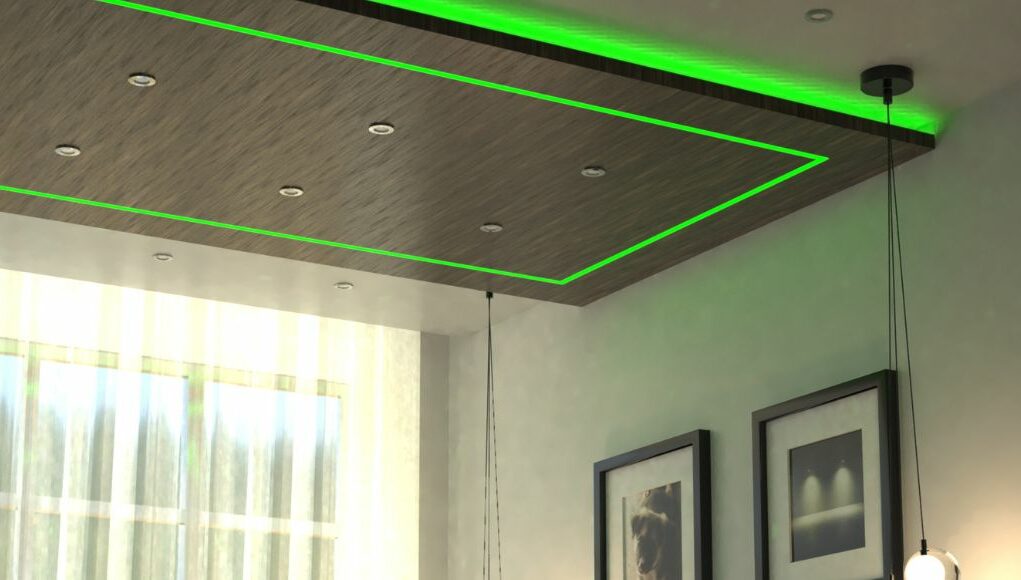
LED lights have many benefits, but their light quality can sometimes cause issues. These problems affect how natural and comfortable the light feels in a room. Understanding these issues helps you decide if LED lighting fits your needs.
Color Rendering Problems
LED lights often struggle to show colors accurately. This means colors may look dull or different than in natural light. Paint, clothes, and food might appear strange under LED lighting. Poor color rendering can make tasks like cooking or dressing harder.
Some LEDs use a low Color Rendering Index (CRI), which measures how well colors appear. A low CRI means colors look washed out or off. Higher CRI LEDs cost more but provide better color quality.
Harsh Or Unnatural Glow
LED lights sometimes produce a harsh or cold glow. This can make rooms feel uncomfortable or sterile. The light may cause glare or sharp shadows that strain the eyes. This effect is common in cheaper or poorly designed LEDs.
Warm white LEDs create softer, more natural light but are not always used. The harsh light can affect mood and make spaces feel less cozy. Choosing the right LED type and color temperature helps reduce this problem.
Durability And Lifespan
Durability and lifespan are key factors when choosing LED lights. People expect LEDs to last a long time and handle daily use well. Despite their advantages, LED lights face some durability challenges. These issues can affect their overall performance and lifetime.
Premature Failures
Sometimes LED lights stop working earlier than expected. This can happen due to poor quality materials or bad design. Overheating is a common cause of early failure. If LEDs get too hot, their parts break down faster. Electrical surges can also damage the lights quickly. Premature failures reduce the value of LED lighting.
Degradation Over Time
LEDs do not stay as bright forever. They lose brightness gradually over the years. This process is called lumen depreciation. Even good LEDs can lose about 30% brightness after several thousand hours. The light color may also change slightly. This slow degradation means LEDs need replacement eventually. It affects the consistency of light in homes and offices.
Cost Factors
LED lights save energy and last long. Still, cost factors can be a downside for many buyers. Understanding these costs helps make better decisions. Costs go beyond just the price tag on the box. Consider all expenses before switching to LED lighting.
High Initial Investment
LED bulbs cost more than traditional bulbs at first. This high price can stop some people from buying them. Businesses with many lights face large upfront costs. The higher price covers new technology and better materials. Over time, savings in electricity can balance this cost.
Replacement Expenses
LED lights last long but still need replacement. Special LED fixtures or drivers may add to the cost. Replacing parts can be more expensive than regular bulbs. Some LED lights require professional help to fix or change. These extra expenses increase the total cost of ownership.
Compatibility Problems
LED lights offer many benefits, but they also have some compatibility problems. These problems can affect how well the lights work with existing fixtures and controls. Understanding these issues helps you avoid frustration and extra costs.
Incompatibility With Dimmers
Many LED lights do not work well with older dimmer switches. Traditional dimmers are made for incandescent bulbs. Using them with LEDs can cause poor dimming or no dimming at all. This mismatch can lead to flickering or buzzing sounds. To fix this, special LED-compatible dimmers are needed. Installing the right dimmer ensures smooth brightness control and longer LED life.
Flickering Issues
Flickering is a common problem with some LED lights. It happens due to poor power supply or incompatible wiring. Flickering can be annoying and hurt your eyes over time. Not all LEDs flicker, but many cheap models do. Using good quality LEDs and proper installation reduces flickering risks. Checking compatibility before purchase helps prevent this issue.
Frequently Asked Questions
What Are The Main Disadvantages Of Led Lights?
LED lights can have higher upfront costs and sometimes produce harsh light. They may also cause flickering and color distortion in some cases, which can affect comfort and visual experience.
Do Led Lights Affect Eye Health Negatively?
Prolonged exposure to blue light from LEDs can cause eye strain and discomfort. However, using warmer color temperatures and proper lighting design minimizes these effects.
Are Led Lights Less Durable Than Claimed?
While LEDs are generally long-lasting, poor quality products can fail early. Exposure to extreme temperatures and humidity may also reduce their lifespan.
Can Led Lights Interfere With Electronic Devices?
LEDs can cause electromagnetic interference, affecting nearby radios and Wi-Fi signals. Using well-shielded LEDs and proper installation helps prevent this issue.
Conclusion
LED lights have some drawbacks to consider. They can be costly upfront. Some may not work well with certain dimmers. The light quality might feel harsh for some people. Also, LED bulbs sometimes flicker or buzz. Their performance can drop in extreme cold.
Despite these cons, many still choose LEDs for energy savings. Knowing both pros and cons helps you decide wisely. Choose what fits your needs and budget best.


Leave a Reply