


Are you looking to save money and make your home brighter at the same time? Switching to LED light bulbs could be the simple change that transforms your space and your energy bills.
Imagine bulbs that last longer, use less power, and give you better light—all while helping the environment. You’ll discover the powerful benefits of LED light bulbs and why they might be the smartest choice for your home or office. Keep reading to see how a small switch can make a big difference for you.
Energy Efficiency
LED light bulbs use much less electricity than traditional bulbs. This feature makes them highly energy efficient. Using less power saves money and reduces stress on the power grid. Energy efficiency is a major reason many people choose LED bulbs today.
Lower Power Consumption
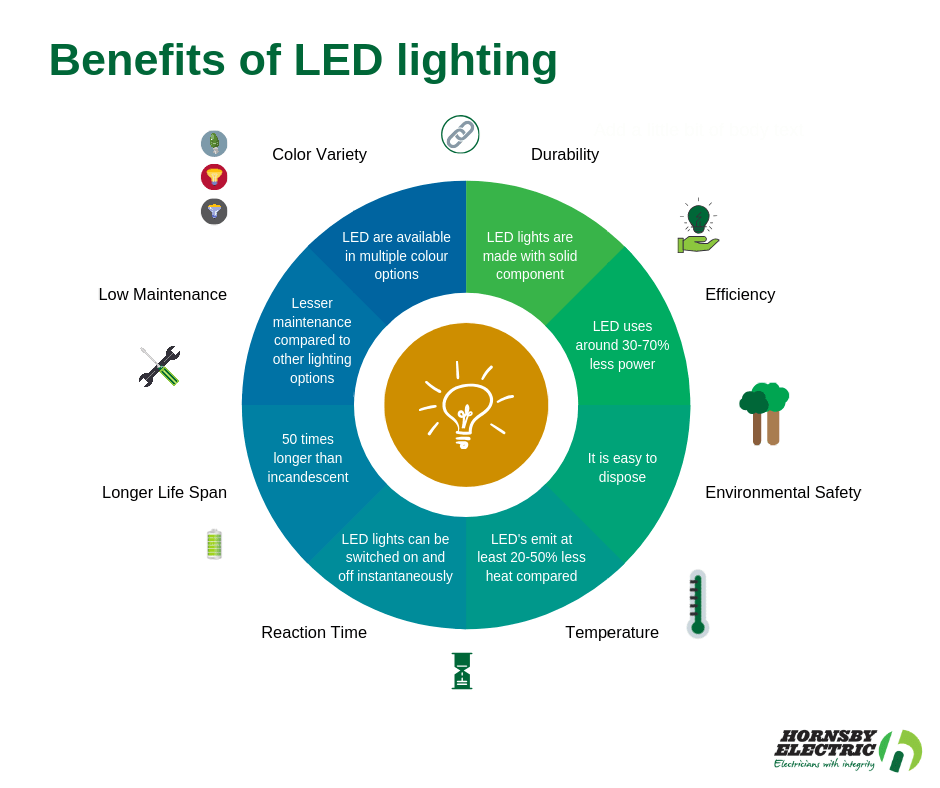
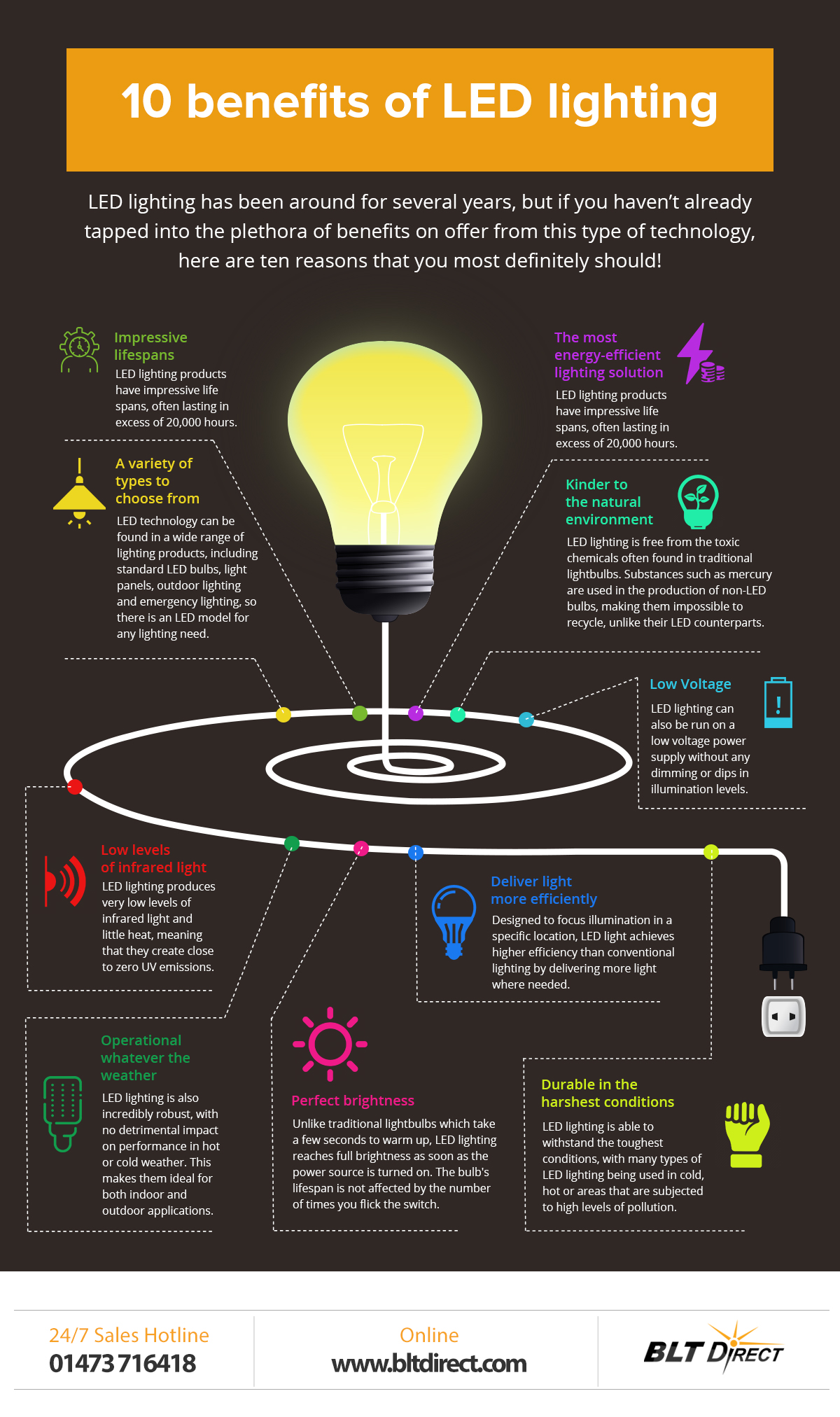
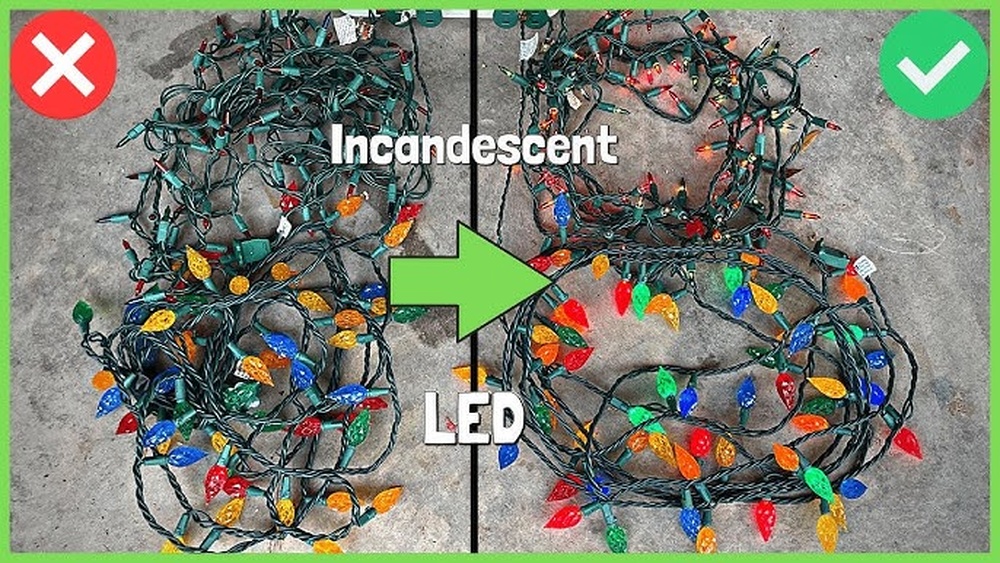
LED bulbs use up to 80% less energy than incandescent bulbs. They convert most electricity into light, not heat. This efficiency means they need less power to produce the same brightness. Lower power use leads to smaller electricity bills. It also helps avoid wasting energy.
Reduced Carbon Footprint
Using LED bulbs lowers carbon dioxide emissions from power plants. Less energy use means fewer fossil fuels burned. This reduction helps fight climate change. A small change like switching bulbs can have a big environmental impact. Choosing LEDs supports cleaner air and a healthier planet.
Cost Savings
Cost savings rank high among the benefits of LED light bulbs. These bulbs use less power and last longer, cutting down expenses on electricity and replacements. Switching to LEDs helps reduce monthly bills and overall home maintenance costs.
Lower Electricity Bills
LED bulbs consume up to 80% less energy than traditional bulbs. This efficiency means your home uses less electricity for the same brightness. Lower power use directly reduces your electricity bill each month. Over time, these savings add up significantly.
Long-term Investment
LED bulbs have a much longer lifespan compared to incandescent bulbs. They can last up to 25,000 hours or more, meaning fewer replacements. Spending a bit more upfront saves money on buying new bulbs often. This makes LEDs a smart choice for long-term savings.
Longevity
Longevity is a key benefit of LED light bulbs. These bulbs last much longer than traditional bulbs. This saves time and effort for users. Longer life also means fewer bulbs thrown away. This makes LED bulbs a smart choice for many homes and businesses.
Extended Lifespan
LED bulbs can last up to 25,000 hours or more. This is several times longer than incandescent bulbs. Their design helps resist heat and wear. This durability ensures they keep working for years. You do not need to worry about frequent failures.
Less Frequent Replacements
Because LED bulbs last longer, you replace them less often. This reduces the hassle of changing bulbs. It also lowers the cost of buying new ones. Less replacement means less waste and fewer trips to the store. This benefit saves money and effort over time.

Better Light Quality
LED light bulbs offer better light quality than traditional bulbs. This quality makes spaces brighter and more comfortable. Good lighting helps you see colors clearly and reduces eye strain. LED lights provide a clean and steady light that feels natural.
Better light quality improves your home, office, or any other space. It creates a pleasant atmosphere and enhances mood. LED technology allows control over brightness and color, giving you the perfect light for any task.
Improved Brightness
LED bulbs shine brighter with less power. They spread light evenly without flickering. This means no harsh shadows or dark spots in the room. Bright light helps you focus on reading, working, or cooking. It also makes rooms feel bigger and more open.
Variety Of Color Temperatures
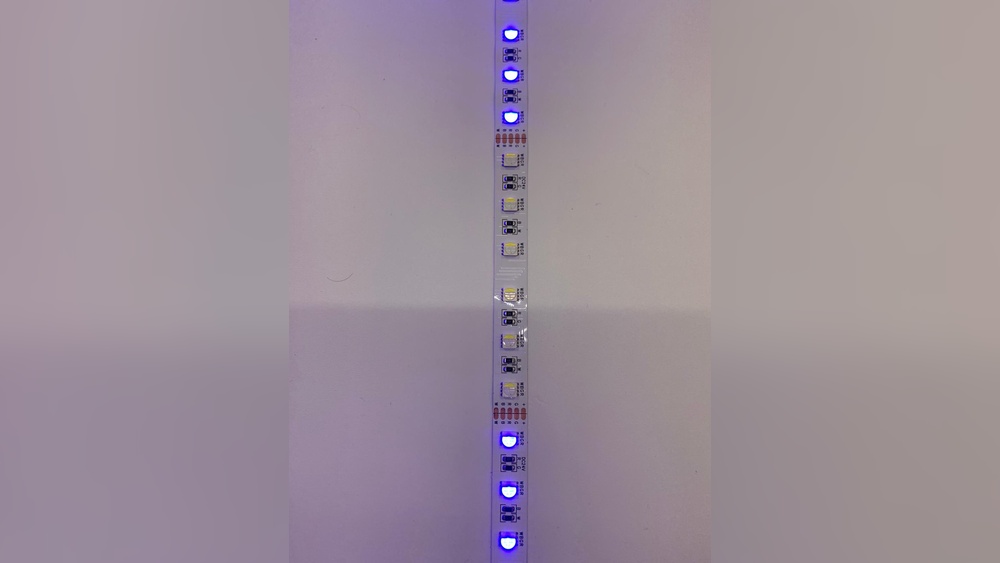
LEDs come in many color temperatures. You can choose warm, soft light for relaxation. Or pick cool, white light for work and study. This choice lets you set the right mood in any space. Color temperature affects how colors appear and how cozy a room feels.
Environmental Impact
LED light bulbs have a strong positive effect on the environment. They help reduce pollution and lower energy use. Using LEDs means less harm to nature and fewer resources spent on making and throwing away bulbs.
Reduced Waste
LED bulbs last much longer than traditional bulbs. This means fewer bulbs need to be thrown away over time. Less waste goes into landfills, helping keep the environment cleaner. Longer life also means fewer resources are used to make replacements.
No Toxic Materials
LED bulbs do not contain mercury or other harmful chemicals. This makes them safer to use and dispose of. Traditional bulbs, like CFLs, often contain toxic materials that can pollute soil and water. Choosing LEDs reduces the risk of environmental contamination.
Instant Illumination
LED light bulbs turn on instantly. No waiting time means immediate brightness. This feature is useful in many places like kitchens, bathrooms, and hallways. Instant light helps with safety and convenience. You see clearly right after flipping the switch. No delay, no darkness.
No Warm-up Time
LED bulbs do not need warm-up time. Traditional bulbs may take seconds or minutes to reach full brightness. LEDs shine at full strength immediately. This saves time and energy. Perfect for areas used frequently or for short periods.
Consistent Performance
LEDs provide stable light from the start. No flickering or dimming happens. The light stays steady and strong. This helps reduce eye strain and discomfort. You get reliable lighting every time you turn them on.
Durability
Durability is a key benefit of LED light bulbs. These bulbs last much longer than traditional bulbs. They handle rough conditions without breaking easily. This makes them ideal for many uses.
Shock And Vibration Resistance
LED bulbs resist shocks and vibrations well. They have solid-state components instead of fragile filaments. This means they do not break from small impacts. Perfect for places with lots of movement or bumps.
Vehicles, factories, and outdoor fixtures benefit from this strength. LED bulbs stay bright and working even in tough spots. This reduces the need for frequent replacements.
Weatherproof Options
Many LED bulbs come in weatherproof designs. They can work in rain, snow, and heat. These bulbs have sealed casings that keep moisture out.
Weatherproof LEDs are great for outdoor lighting. Gardens, streets, and building exteriors stay well-lit all year. This durability saves money and effort over time.
Smart Lighting Compatibility
Smart lighting compatibility makes LED light bulbs more useful and convenient. These bulbs work well with modern technology. They can connect to smart home systems. This connection allows you to control lights easily. It also helps save energy and improve home security.
Integration With Home Automation
LED bulbs fit smoothly into home automation systems. You can set schedules for turning lights on or off. They adjust to your daily routine without manual effort. This integration helps create a comfortable environment. It also allows different devices to work together. For example, lights can turn on when you enter a room. This adds comfort and safety to your home.
Remote Control Features
With smart LED bulbs, you control lighting from anywhere. Use a smartphone app to switch lights on or off. You can change colors and brightness with a few taps. This feature is useful when you are away from home. It helps save electricity by turning off unused lights. Remote control also adds convenience and peace of mind.
Frequently Asked Questions
What Are The Main Energy Savings With Led Bulbs?
LED bulbs use up to 80% less energy than traditional bulbs. This reduces electricity bills and lowers environmental impact significantly.
How Long Do Led Light Bulbs Typically Last?
LED bulbs can last up to 25,000 hours or more. This is much longer than incandescent or CFL bulbs, reducing replacement frequency.
Are Led Bulbs Better For The Environment?
Yes, LED bulbs are eco-friendly. They use less energy and contain no harmful mercury, reducing pollution and waste.
Can Led Bulbs Improve Indoor Lighting Quality?
LEDs offer bright, consistent light with various color temperatures. This enhances ambiance and reduces eye strain compared to other bulbs.
Conclusion
LED light bulbs save energy and reduce electricity bills. They last longer than traditional bulbs, meaning fewer replacements. These bulbs produce less heat, making rooms cooler and safer. They come in many shapes and colors to fit any space. Using LED lights helps protect the environment by lowering carbon emissions.
Choosing LED bulbs is a smart way to brighten your home and save money. Small changes like this can make a big difference. Consider LEDs for better lighting that works for you.




Leave a Reply