

Are you thinking about switching to LED lights but aren’t sure if they’re the right choice for you? LED lights have taken the spotlight for their bright glow and energy-saving claims.
But like anything, they come with both benefits and drawbacks. Understanding these pros and cons can help you make a smart decision that fits your needs and budget. Keep reading to discover what LED lights can really do for your home or business—and what to watch out for before making the switch.
Benefits Of Led Lights
LED lights offer many benefits that make them a popular choice for homes and businesses. They save money, last long, and help protect the environment. These advantages make LED lights a smart and practical option for lighting needs.
Energy Efficiency
LED lights use less electricity than traditional bulbs. They convert most energy into light, not heat. This saves energy and lowers electric bills.
Long Lifespan
LED bulbs last much longer than regular bulbs. They can work for tens of thousands of hours. This means fewer replacements and less hassle.
Environmental Impact
LED lights are eco-friendly. They contain no harmful chemicals like mercury. Their low energy use reduces carbon emissions and pollution.
Design Flexibility
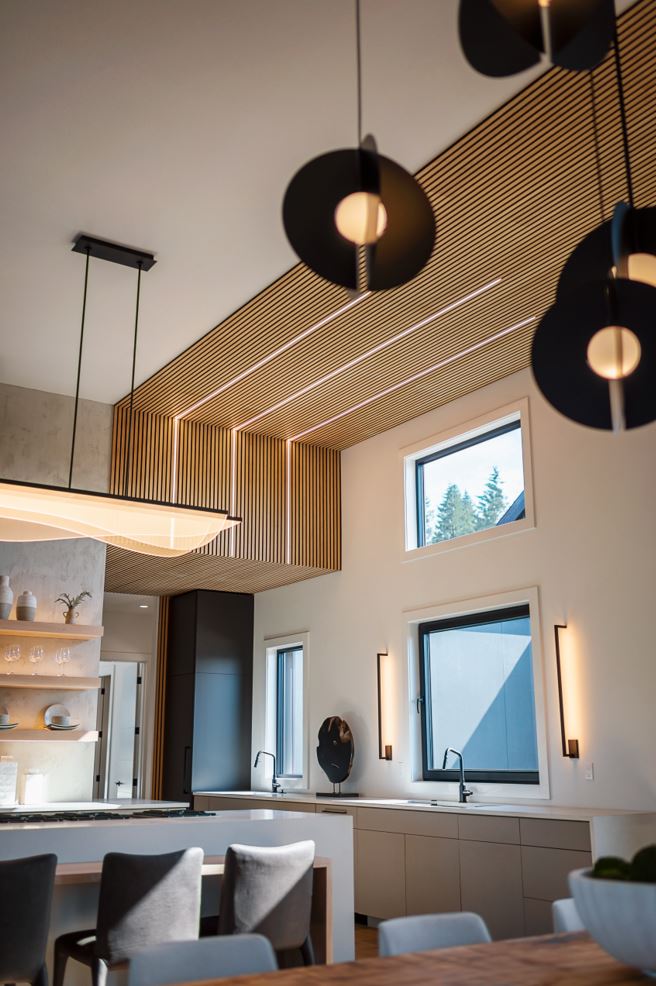
LED lights come in many shapes and sizes. They can be very small or very bright. This allows creative lighting designs for any space.
Low Heat Emission
LEDs produce very little heat. They stay cool to touch. This reduces fire risk and keeps rooms comfortable.
Drawbacks Of Led Lights
LED lights offer many benefits, but they also have some drawbacks. Understanding these helps you make a better choice. Here are some common issues with LED lighting.
Initial Cost
LED bulbs usually cost more than traditional bulbs. The higher price can be a barrier for some buyers. Over time, savings on energy may balance this cost. Still, the upfront expense is something to consider.
Light Quality Variations
Not all LED lights produce the same color or brightness. Some may appear too harsh or too dim. This inconsistency can affect comfort and room ambiance. Choosing the right LED light requires careful selection.
Compatibility Issues
LED bulbs may not work with all dimmer switches. Some older fixtures cause flickering or buzzing. This problem means you might need to change hardware. Checking compatibility before buying saves trouble.
Potential Blue Light Concerns
LED lights emit blue light that might affect sleep patterns. Too much blue light in the evening can disrupt rest. It may also cause eye strain for sensitive people. Using warmer LED options can reduce this risk.
Comparing Leds With Traditional Lighting
LED lights have changed how people light homes and offices. Comparing LEDs with traditional lights helps to see their strengths and weaknesses clearly. Each type of light has unique features. Some save more energy, while others offer different light quality or cost benefits.
Understanding these differences can help choose the best light for any space. This section breaks down LEDs against common traditional lights.
Incandescent Vs Led
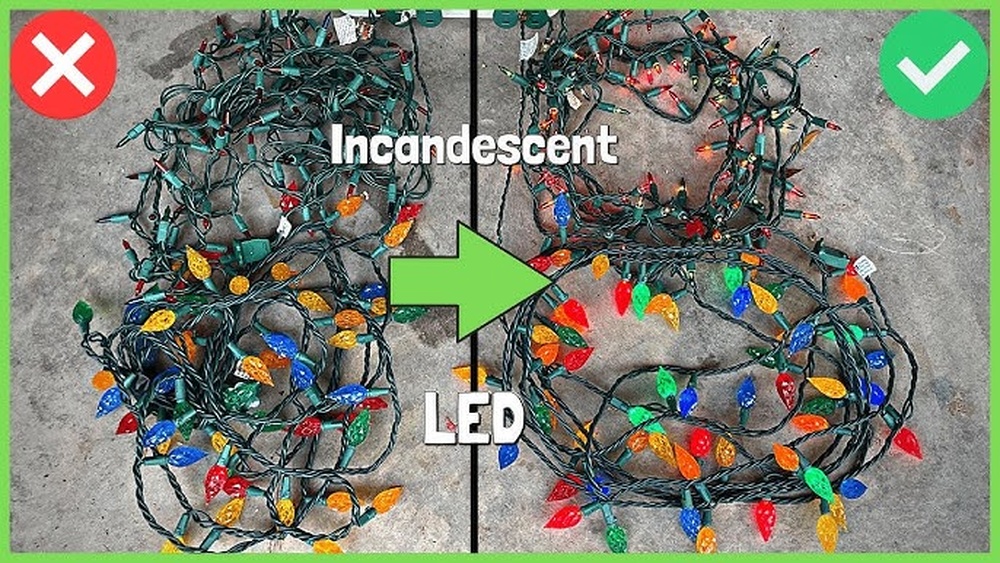
Incandescent bulbs use a filament that heats up to create light. They waste much energy as heat. LEDs use semiconductors to produce light, using less power. Incandescent bulbs last about 1,000 hours. LEDs can last up to 25,000 hours. The light from incandescent bulbs is warm and soft. LEDs come in many colors and tones. Incandescent bulbs cost less upfront. LEDs cost more initially but save money over time.
Fluorescent Vs Led
Fluorescent lights use gas to create light. They use less energy than incandescent bulbs but more than LEDs. Fluorescents last about 7,000 to 15,000 hours. LEDs last longer, reducing replacement needs. Fluorescent lights can flicker and take time to reach full brightness. LEDs turn on instantly without flicker. Fluorescents contain small amounts of mercury, which requires careful disposal. LEDs are safer and more environmentally friendly.
Halogen Vs Led
Halogen bulbs are a type of incandescent light. They produce a bright, white light and are more efficient than regular incandescent bulbs. Halogens last about 2,000 to 4,000 hours. LEDs last much longer and use less energy. Halogens get very hot, which can be a safety risk. LEDs stay cool, making them safer to handle. Halogens are cheaper upfront but cost more to run over time. LEDs offer better long-term savings and safety.

Choosing The Right Led Light
Choosing the right LED light is important for your space and needs. Different LED lights offer various features. Picking the best one makes your home brighter and saves energy. Focus on key factors before buying to get the right fit.
Brightness And Color Temperature
Brightness shows how much light the LED gives. It is measured in lumens. Higher lumens mean brighter light. Color temperature tells if the light is warm or cool. Warm lights feel cozy, cool lights feel bright and sharp. Choose based on the room’s use and mood.
Dimmability Options
Dimmable LEDs let you change light levels. This helps create the right atmosphere. Not all LED lights can dim. Check if the LED supports dimming before buying. Use a compatible dimmer switch for best results.
Fixture Compatibility
LED bulbs come in different shapes and sizes. Make sure the bulb fits your light fixture. Some fixtures need special LED bulbs. Check the base type and size to avoid problems. Proper fit ensures safety and good lighting.
Energy Star Ratings
Energy Star labels show energy-efficient products. LEDs with this rating use less power. They save money on electricity bills. Choose Energy Star-rated LEDs for quality and savings. It also helps protect the environment.
Common Applications Of Led Lighting
LED lighting has many uses across different settings. It suits various needs because of its efficiency and long life. People choose LED lights for homes, businesses, streets, and special events. Each use has its own benefits and challenges.
Residential Use
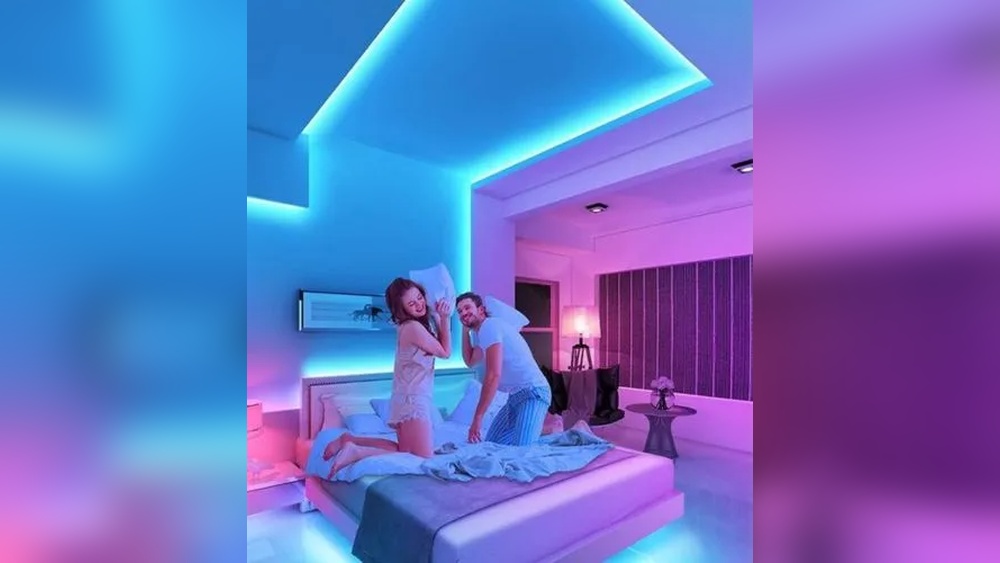
LED lights brighten homes well. They save energy and reduce electricity bills. People use LED bulbs in kitchens, living rooms, and bedrooms. LEDs come in many colors and styles. They can create a warm or cool atmosphere easily. LEDs last longer than traditional bulbs. They also produce less heat, making homes safer.
Commercial Spaces
Businesses use LED lighting to cut costs. Offices, shops, and restaurants prefer LEDs for clear, bright light. LEDs help workers stay alert and focused. Shops use LEDs to highlight products and displays. LEDs need less maintenance, which saves money. They also reduce the need for frequent bulb changes.
Outdoor Lighting
LED lights are perfect for streets and parks. They provide bright, reliable light for safety at night. LEDs use less power than older street lamps. They can handle bad weather well. Many cities install LED lights to lower energy use. They also help improve visibility for drivers and pedestrians.
Specialty And Decorative Lighting
LEDs shine in special and decorative uses. They light up holiday decorations and events. LEDs can change colors and flash in patterns. This makes them popular for parties and shows. They are also used in signs and displays. LEDs allow creative lighting effects with low energy use.

Frequently Asked Questions
What Are The Main Benefits Of Led Lights?
LED lights save energy, last longer, and reduce electricity bills. They emit less heat and offer better brightness. LEDs are environmentally friendly and available in many colors and styles.
Are Led Lights More Cost-effective Than Traditional Bulbs?
Yes, LED lights cost more initially but save money long-term. Their low energy use and long lifespan reduce replacement and electricity costs significantly.
Do Led Lights Have Any Health Or Safety Concerns?
LED lights are safe with no harmful UV rays or mercury. Some may cause eye strain if too bright, so proper usage is important.
How Do Led Lights Impact The Environment?
LEDs reduce carbon footprint by using less power and lasting longer. They contain no toxic materials, making disposal safer compared to fluorescent bulbs.
Conclusion
LED lights save energy and last a long time. They help reduce electricity bills. Some types can be costly at first. Brightness and color options vary widely. Choosing the right LED light depends on your needs. They work well indoors and outdoors.
Small drawbacks include heat and light quality. Overall, LED lights offer many benefits for daily use. Consider both pros and cons before deciding. This helps you make a smart choice. LED lighting is a practical option today.

Leave a Reply