

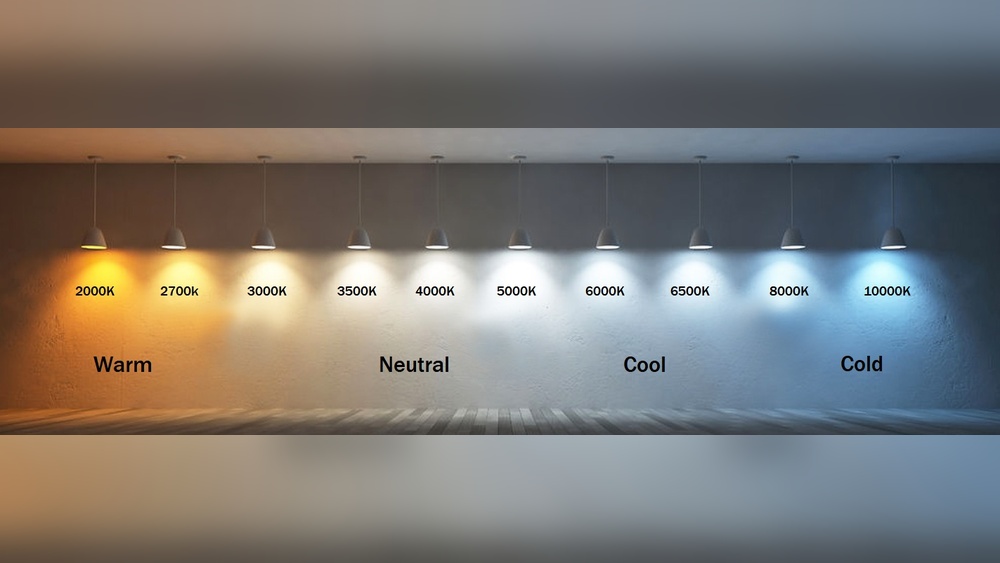
Are you confused about how bright your LED lights really are? Understanding lumens can change the way you choose lighting for your home or office.
Lumens LED lights tell you exactly how much light you’re getting, so you don’t waste energy or settle for dim rooms. If you want your space to feel just right—bright enough to see clearly but soft enough to relax—knowing about lumens is a game changer.
Keep reading, and you’ll discover how to pick the perfect LED lights that match your needs and save you money.
What Are Lumens In Led Lights
Lumens measure the brightness of LED lights. They tell you how much light a bulb gives out. More lumens mean a brighter light. This helps you pick the right bulb for your space. Understanding lumens makes choosing LED lights easier.
Lumens Vs Watts
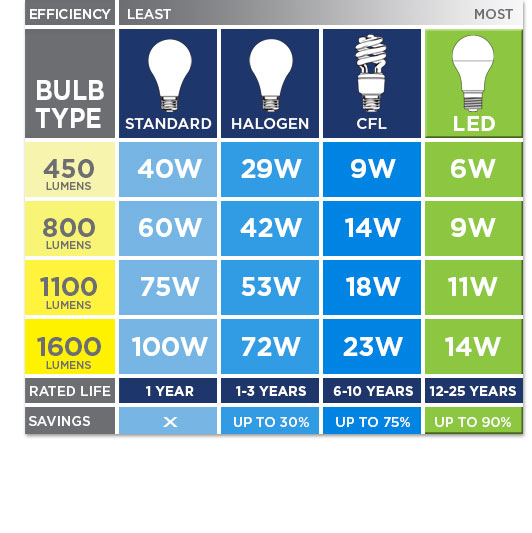
Watts show how much energy a bulb uses. Lumens show how bright the light is. Older bulbs used watts to guess brightness. LED lights use fewer watts but give more lumens. So, lumens are a better way to compare brightness.
Measuring Brightness
Lumens measure total visible light from a bulb. It counts light in all directions. Higher lumens mean a stronger light beam. You can find lumens on LED packaging. It helps you know how bright the light will be.
Why Lumens Matter
Choosing bulbs by lumens gives the right light level. Too few lumens make a room dark. Too many lumens cause glare and waste energy. Lumens help match light to your needs. This saves power and keeps spaces comfortable.
Benefits Of Led Lighting
LED lighting offers many benefits that improve homes and businesses. It is a smart choice for saving energy and money. LED lights also last much longer than traditional bulbs. These advantages make LED lighting popular worldwide.
Understanding the key benefits helps you see why LED lights are a good option. They provide bright light while using less power. The long lifespan means fewer replacements and less waste. These features add up to real savings over time.
Energy Efficiency
LED lights use up to 80% less energy than regular bulbs. This means they need less electricity to work. Using less power helps lower electricity bills. It also reduces pollution from power plants. LED lights turn most energy into light, not heat.
Long Lifespan
LED bulbs last much longer than other types. They can work for 25,000 hours or more. That is about 20 times longer than traditional bulbs. Longer life means fewer trips to the store. It also means less waste going to landfills.
Cost Savings
LED lights save money in two ways. They use less electricity, cutting energy costs. They also need fewer replacements, saving on bulb purchases. Over time, these savings add up to a big difference. Many people see lower bills soon after switching.
Choosing The Right Lumen Level
Choosing the right lumen level is key to good lighting. Lumens measure the brightness of LED lights. Picking the correct level helps create comfort and saves energy. Brightness needs vary by room size and use. This guide helps match lumens to your needs.
Room Size And Purpose
Large rooms need more lumens to light up well. Small rooms require fewer lumens. The room’s purpose affects brightness needs too. Kitchens and work areas need bright lights. Bedrooms and living rooms need softer lighting. Choose lumens based on how you use the space.
Comparing Brightness Levels
Different bulbs show different lumen levels. A 60-watt incandescent bulb equals about 800 lumens. A 100-watt bulb shines around 1600 lumens. LED lights use fewer watts for the same lumens. Check lumen numbers instead of watt numbers for brightness.
Matching Lumens To Fixtures
Fixtures affect how light spreads in a room. Some fixtures focus light in one spot. Others spread light evenly around the room. Match lumen output to fixture type. Use higher lumens for spotlights. Lower lumens work well with diffused fixtures.

Types Of Led Lights
LED lights come in many shapes and forms. Each type fits different needs and spaces. Understanding these types helps choose the best lighting for your home or office. LED lights use less energy and last longer than traditional bulbs.
Bulbs And Tubes
Bulbs are the most common LED lights. They replace old incandescent or CFL bulbs easily. Tubes fit in fixtures designed for fluorescent tubes. Both bulbs and tubes provide bright, clear light. They work well for general room lighting.
Strip And Panel Lights
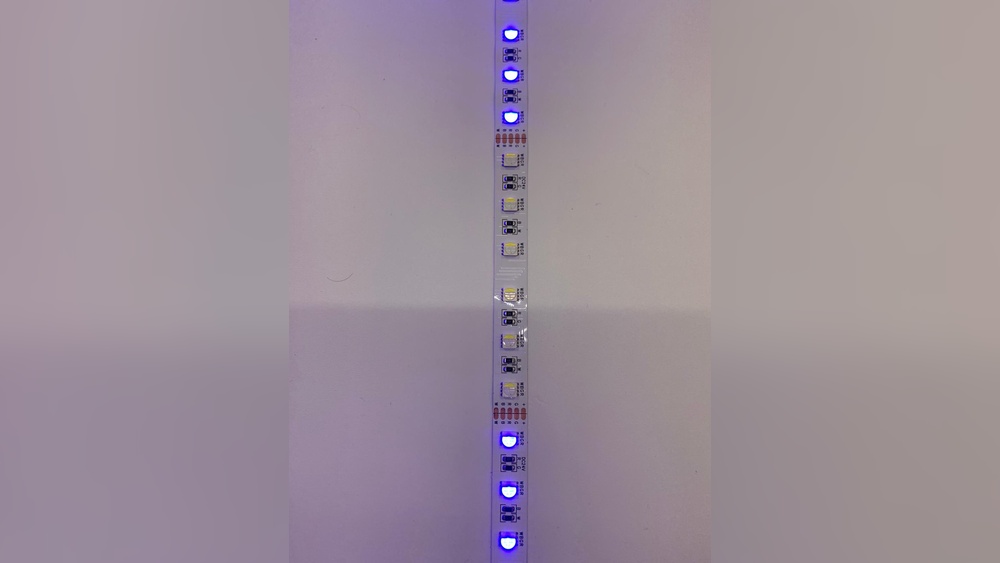
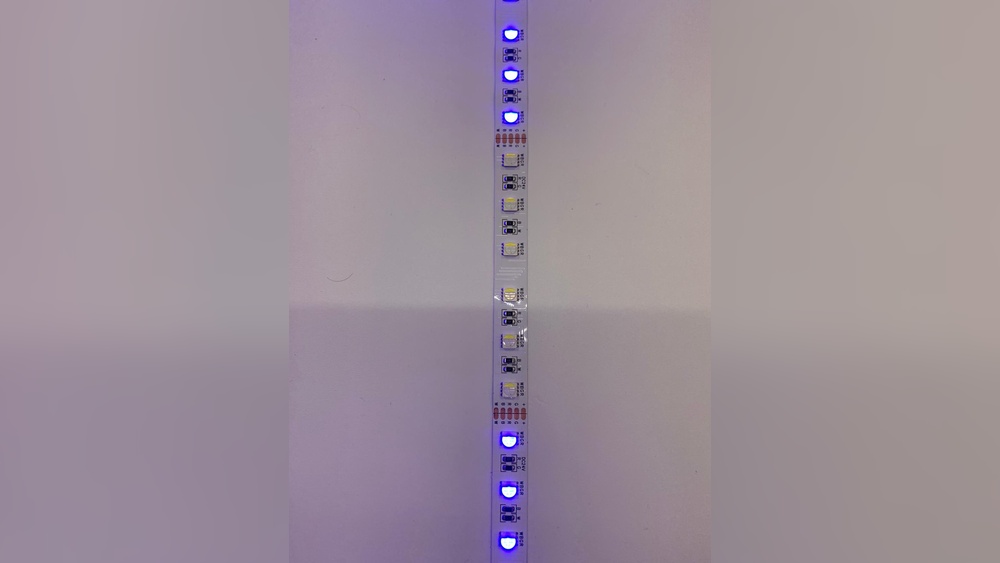
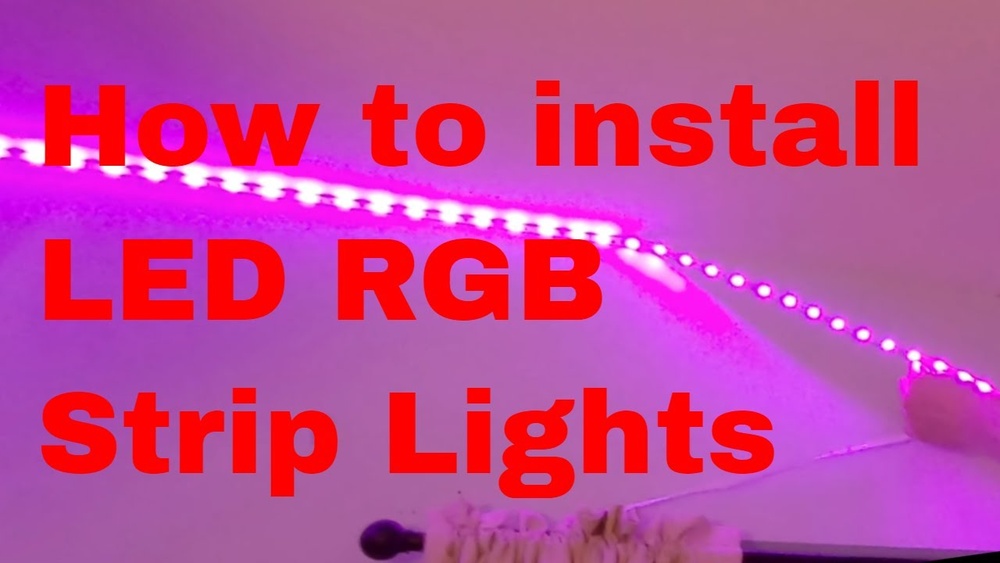
Strip lights are thin and flexible. They stick under cabinets or along walls. Strip lights create soft, even lighting. Panel lights are flat and square or rectangular. They fit in ceilings and offer wide light coverage. Both types save space and add style.
Smart Led Options
Smart LEDs connect to Wi-Fi or Bluetooth. They let you control brightness and color with apps. You can set schedules or change colors easily. Smart LEDs suit modern homes and offices. They add comfort and convenience to lighting.
Installation Tips For Led Lights
Installing LED lights properly can improve their performance and life span. Small steps during installation make a big difference in brightness and energy use. Follow simple tips to get the best results from your LED lighting setup.
Proper Placement
Place LED lights where they provide the most light. Avoid areas with too much heat or moisture. Keep bulbs away from direct sunlight to prevent damage. Use fixtures that match the size and shape of your LED bulbs.
Dimming Compatibility
Check if your LED lights support dimming before installation. Use dimmer switches made for LED bulbs only. Test dimmers with your LEDs to avoid flickering or buzzing. Proper dimming saves energy and extends bulb life.
Safety Considerations
Turn off power before starting any LED installation. Use insulated tools to avoid electric shocks. Follow the manufacturer’s instructions carefully. Avoid overloading circuits by checking your home’s electrical capacity. Secure all wires and fixtures firmly in place.
Environmental Impact Of Led Lighting
LED lighting is a smart choice for the environment. It uses less energy and lasts longer than traditional bulbs. This means less waste and fewer greenhouse gases. Understanding the environmental impact of LED lighting helps us make better choices for the planet.
Reducing Carbon Footprint
LED lights use much less electricity than old bulbs. Less power means fewer carbon emissions from power plants. This lowers your home’s carbon footprint. Using LEDs can save tons of carbon dioxide every year.
Recycling Led Components
LEDs contain valuable materials that can be recycled. Metals and plastics from old LEDs can be reused. Recycling reduces the need to mine new raw materials. This helps keep harmful waste out of landfills.
Sustainability Benefits
LED lights last much longer than traditional bulbs. This means fewer bulbs thrown away over time. They also use less energy, saving natural resources. Choosing LEDs supports a greener and cleaner environment.

Frequently Asked Questions
What Are Lumens In Led Lights?
Lumens measure the brightness of LED lights. Higher lumens mean brighter light output. This helps you choose lighting for different spaces effectively.
How Do Lumens Affect Led Light Efficiency?
Lumens indicate light output, while watts show energy use. More lumens with fewer watts mean better efficiency and cost savings.
How Many Lumens Do I Need For Led Lighting?
For general use, 800-1100 lumens suit standard rooms. Bright task lighting may require 1600+ lumens. Choose based on room size and purpose.
Are Lumens Or Watts More Important For Led Lights?
Lumens matter more because they show actual brightness. Watts indicate energy consumption, not light output. Focus on lumens for proper lighting.
Conclusion
Choosing the right lumens LED lights can brighten any space well. They save energy and last longer than traditional bulbs. Brightness matters for comfort and visibility. LED lights help reduce electricity bills too. You can find many styles and colors to fit your needs.
Good lighting makes your home or office feel better. Think about lumens when buying new lights next time. Simple changes bring big benefits to your daily life.






Leave a Reply