

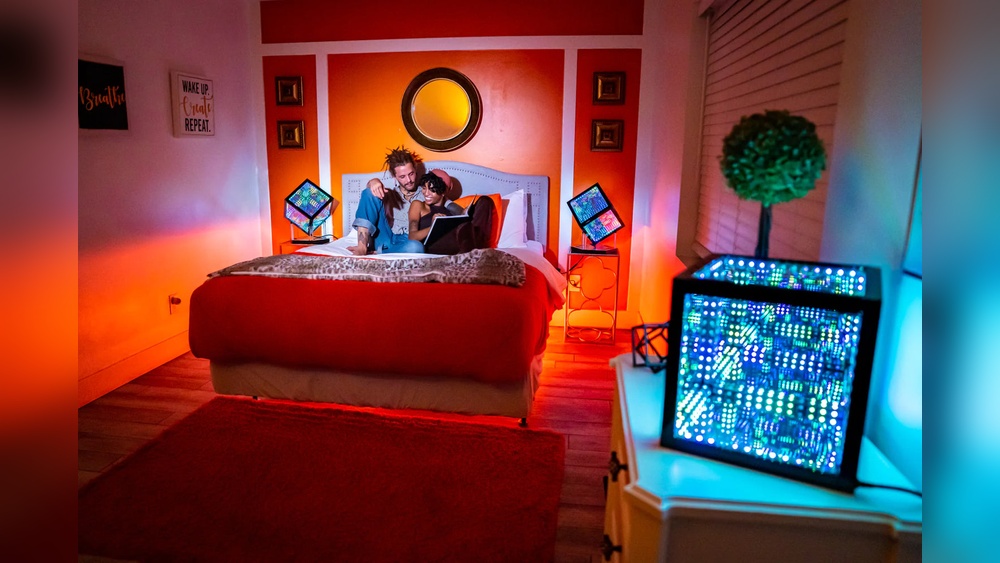
Are you struggling to get a good night’s sleep? You’re not alone.
Many people toss and turn, unable to relax and drift off. What if the solution was as simple as changing the lights in your room? LED lights designed to help you sleep could be the game-changer you’ve been searching for.
You’ll discover how the right lighting can calm your mind, improve your sleep quality, and make waking up easier. Keep reading to find out how you can transform your nights starting tonight.

How Light Affects Sleep
Light plays a big role in how well we sleep. Our body’s internal clock reacts to light signals. These signals help decide when to feel awake or tired. Understanding how different types of light affect sleep can help us improve rest quality.
Role Of Circadian Rhythm
The circadian rhythm is our body’s natural 24-hour timer. It controls sleep and wake cycles. Light tells this rhythm when it is daytime or night. Bright light in the morning helps us wake up. Dim light at night signals it is time to sleep.
Impact Of Blue Light
Blue light is a strong signal for our brain. It comes from screens and some LED lights. This light blocks melatonin, the sleep hormone. Less melatonin means harder to fall asleep. Blue light exposure at night can cause poor sleep.
Benefits Of Warm Light
Warm light has less blue light. It creates a calm and cozy feeling. Using warm light in the evening helps melatonin production. This makes it easier to relax and fall asleep. Warm LED lights are good for night-time use.

Why Choose Led Lights
Choosing the right lighting can improve your sleep quality significantly. LED lights offer features that support better rest and comfort. They help create a calm and soothing atmosphere in your bedroom. Here are key reasons why LED lights stand out for sleep-friendly lighting.
Energy Efficiency
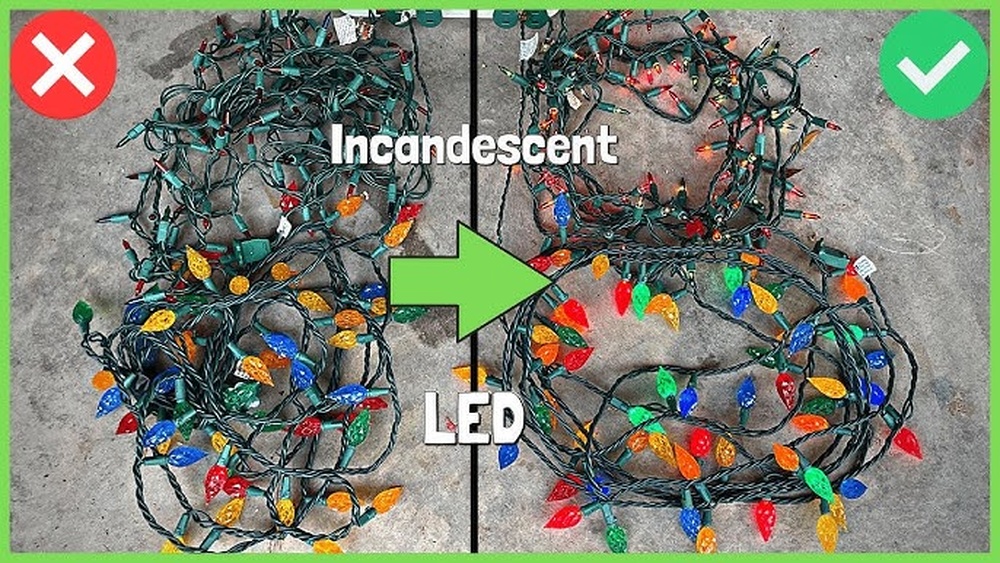
LED lights use very little electricity compared to old bulbs. They save energy, lowering your power bills. This efficiency means they produce less heat, keeping your room cooler. Cooler rooms help you fall asleep faster and stay comfortable all night.
Customizable Color Options
LED lights come in many colors and brightness levels. You can choose soft, warm tones that relax your mind. Blue light is avoided since it can disturb your sleep. Changing colors lets you set the perfect mood for bedtime.
Long Lifespan
LED bulbs last much longer than traditional bulbs. You do not need to replace them often. This reliability means less hassle and fewer purchases. A long lifespan makes LED lights a smart and practical choice.
Best Led Colors For Sleep
Choosing the right LED light color can improve your sleep quality. Different colors affect your brain in different ways. Some LED colors help your body relax and prepare for rest. Others can keep you awake and alert. Understanding the best LED colors for sleep helps create a better bedtime environment.
Warm White And Amber
Warm white and amber lights are gentle on the eyes. They mimic the natural light of sunset. These colors do not interfere with melatonin, the sleep hormone. Using warm white or amber LED lights in the evening can calm your mind. They create a cozy and peaceful atmosphere that helps you fall asleep faster.
Red Light Advantages
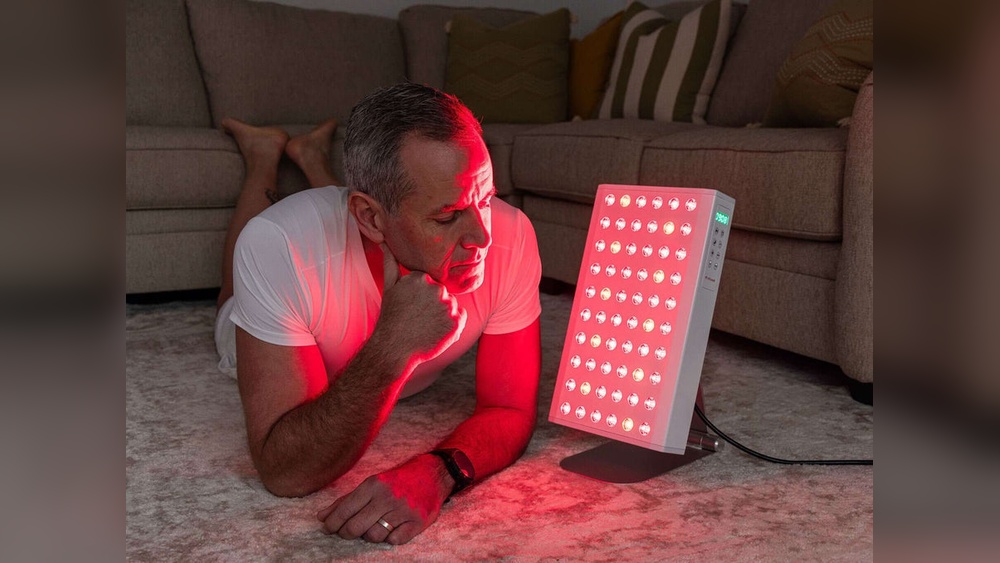
Red LED lights are excellent for sleep. They have a low wavelength, which does not disrupt melatonin. Red light helps reduce anxiety and promotes relaxation. Studies show that red light can improve sleep quality and duration. Using red LED lights in the bedroom supports a natural sleep cycle.
Avoiding Blue And Green
Blue and green LED lights can harm your sleep. These colors have high energy and short wavelengths. They suppress melatonin production and increase alertness. Exposure to blue or green lights before bed can delay sleep onset. Avoid using blue and green LED lights in your evening routine for better rest.
Using Led Lights In Your Bedroom
Using LED lights in your bedroom can improve your sleep quality. The right lighting creates a calm and relaxing space. It helps your body get ready for rest. LED lights offer many options to fit your needs.
Choosing the right LED setup makes a big difference. Soft, warm light can soothe your mind. Bright, cool light might keep you awake. Learning how to use LED lights well will help you sleep better.
Setting Up Ambient Lighting
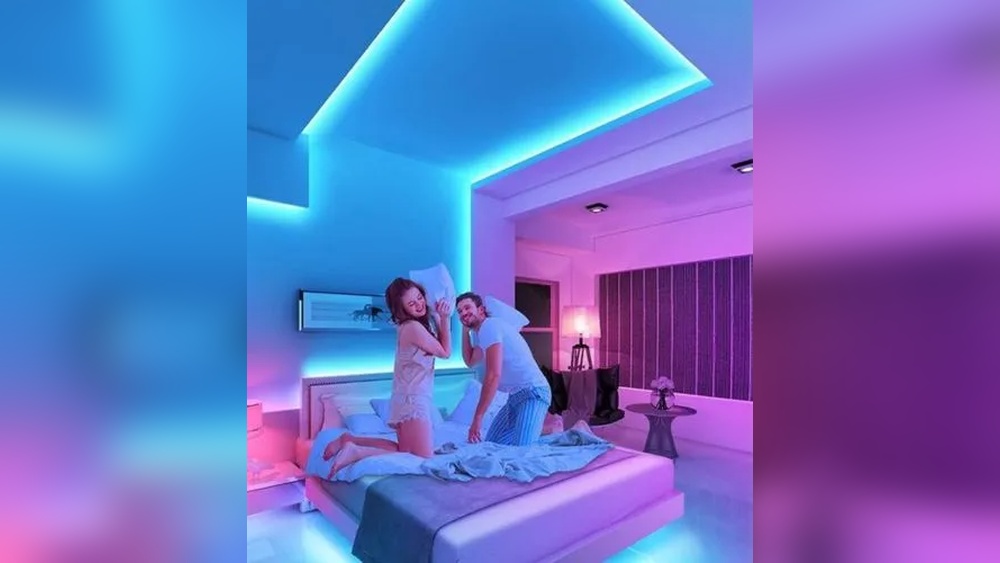
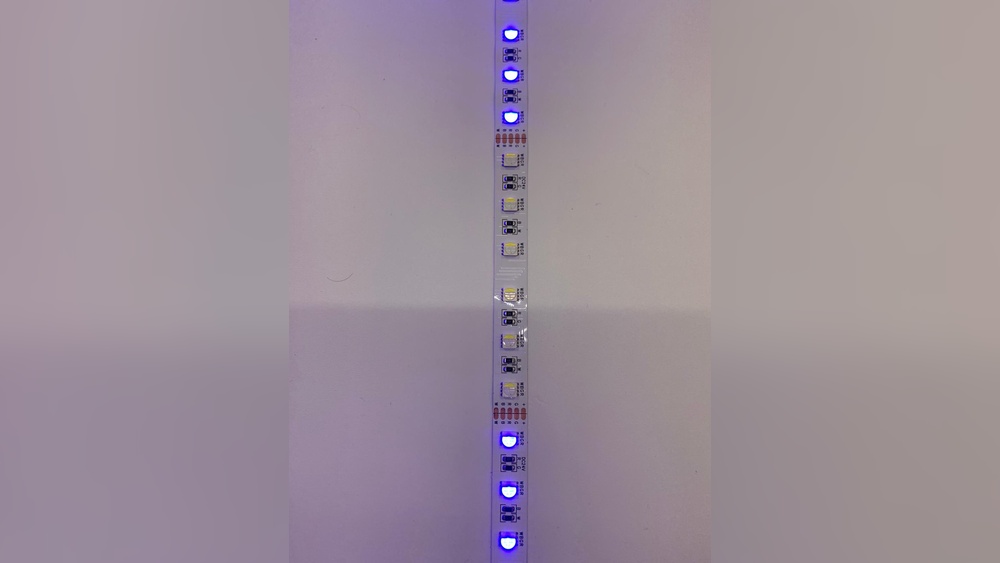
Ambient lighting sets the mood in your bedroom. Use LED strips or lamps with warm colors. Place lights behind furniture or under shelves. This creates a soft glow without harsh brightness. Avoid blue or white light before bed. Warm amber or red tones are best for sleep.
Smart Led Controls
Smart LED controls give you easy light adjustment. Use apps or voice commands to change colors and brightness. Set scenes for reading or relaxing. Some smart bulbs can dim gradually. This helps your eyes adjust before sleep. Control lights without getting out of bed.
Timing Light Exposure
Timing your light exposure supports your natural sleep cycle. Use brighter lights during the day to stay alert. Dim lights in the evening to signal your body to wind down. Turn off all lights at least 30 minutes before sleep. This practice helps your brain produce melatonin, the sleep hormone.
Additional Tips For Better Sleep
Good sleep depends on more than just the right LED lights. Small changes in habits and surroundings make a big difference. These tips help create a peaceful night and improve rest quality.
Limiting Screen Time Before Bed
Screens emit blue light that can stop melatonin, the sleep hormone. Avoid phones, tablets, and computers for at least one hour before sleep. Reading a book or listening to calm music works better. This reduces brain stimulation and helps you feel sleepy faster.
Creating A Relaxing Environment
Make your bedroom calm and dark. Use blackout curtains to block outside light. Keep the room cool and quiet. Soft LED lights with warm colors can soothe your mind. Clear clutter to avoid stress and create a peaceful space.
Consistent Sleep Schedule
Try to go to bed and wake up at the same time every day. This trains your body clock and improves sleep quality. Avoid big changes on weekends. A regular schedule helps you fall asleep faster and feel refreshed in the morning.
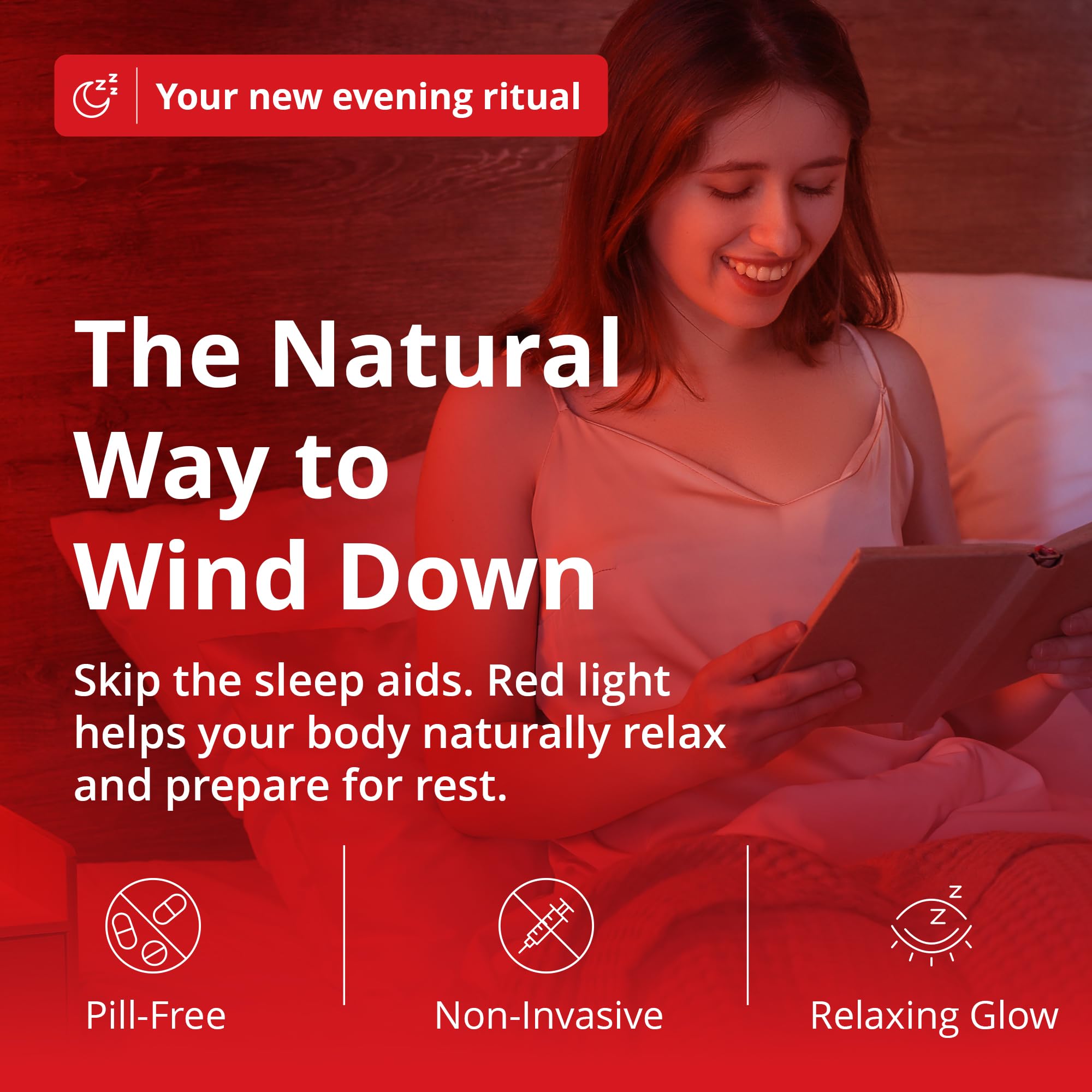
Popular Led Sleep Products
LED lights designed for better sleep have grown popular. These products use soft, warm light to calm the mind. They help create a peaceful environment for rest. Many people use LED sleep products to improve their night routine. These products come in different shapes and functions.
Each type targets a specific need. Some provide gentle light to avoid waking you up. Others adjust colors to match your sleep cycle. Wearable options offer light therapy on the go. Here are some common LED sleep aids you can try.
Led Night Lights
LED night lights emit a soft glow to ease darkness. They prevent harsh light that can disturb sleep. Many have warm colors like amber or red. These colors do not affect melatonin, the sleep hormone. Small and energy-saving, they fit well in bedrooms. Perfect for children or anyone who needs light at night.
Smart Bulbs With Sleep Modes
Smart bulbs let you control brightness and color with an app. Sleep modes reduce blue light exposure before bedtime. They slowly dim to help your body relax. Some bulbs adjust color temperature through the evening. These bulbs help keep your natural sleep rhythm. Easy to use and program for your schedule.
Wearable Led Sleep Aids
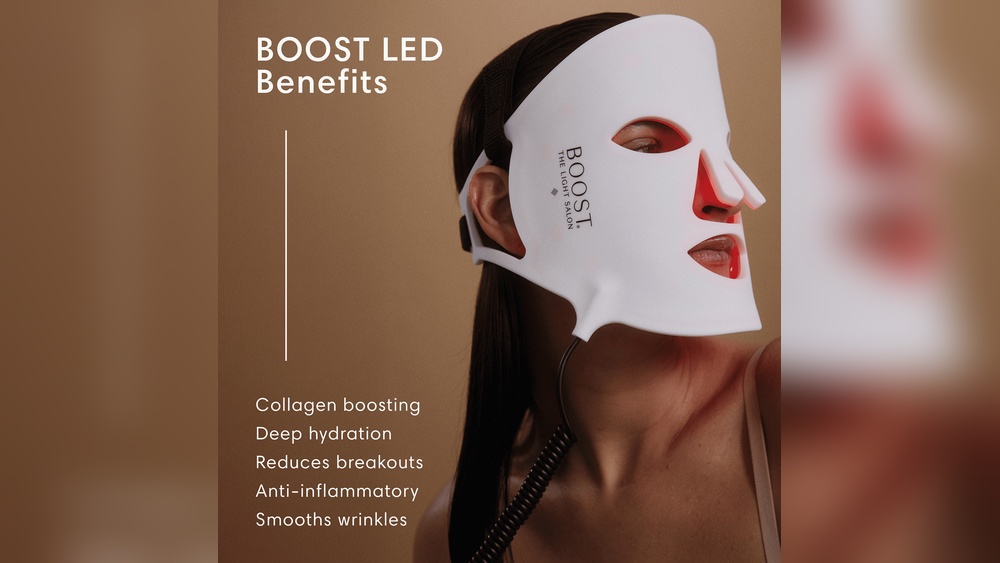
Wearable LED devices shine light near your eyes to guide sleep. They use special light frequencies to support your body clock. Small and lightweight, you can wear them at bedtime. Ideal for people with jet lag or shift work. These aids offer light therapy without bulky equipment.
Frequently Asked Questions
How Do Led Lights Affect Sleep Quality?
LED lights with blue wavelengths can disrupt melatonin production. Using warm or amber LED lights in the evening helps promote better sleep by minimizing this disruption.
What Color Led Lights Are Best For Sleep?
Red or amber LED lights are best for sleep. They have minimal impact on melatonin levels, helping your body relax and prepare for restful sleep.
Can Led Lights Improve Sleep Patterns Naturally?
Yes, using specific LED lights at night can improve sleep. Warm-colored LEDs support natural circadian rhythms, making it easier to fall asleep and wake refreshed.
Are Led Night Lights Safe For Sleeping?
LED night lights with low brightness and warm colors are safe for sleep. They provide gentle illumination without disturbing your sleep cycle or causing eye strain.
Conclusion
LED lights can improve your sleep by creating a calm space. Soft, warm tones help your body relax and prepare for rest. Avoid bright, blue lights before bedtime to reduce sleep problems. Choose LED bulbs designed to support healthy sleep cycles.
Small changes in lighting make a big difference at night. Try adjusting your lights and notice how your sleep improves. Sleep better, feel better, and wake up refreshed each day. Simple steps like these lead to peaceful nights and brighter mornings.




Leave a Reply