

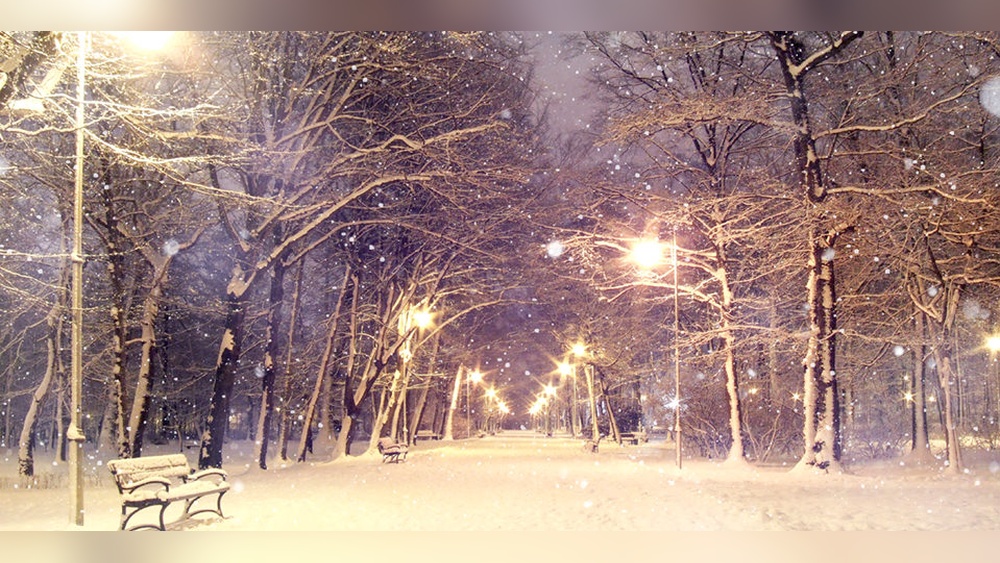
Have you ever noticed your LED lights flickering or just not turning on when the temperature drops? It’s frustrating when your reliable lights suddenly fail in cold weather, leaving you in the dark.
You might wonder why this happens and how to fix it. You’ll discover the common reasons behind LED lights not working in cold weather and easy solutions to keep your lights shining bright, no matter how chilly it gets outside.
Keep reading to make sure your home or outdoor space stays well-lit all winter long.
Why Cold Affects Led Lights
LED lights are popular for their energy efficiency and long life. Yet, cold weather can cause them to work poorly or stop working. Understanding why cold affects LED lights helps find solutions. Temperature changes impact the components inside LED bulbs and their performance.
Led Technology And Temperature
LED lights use semiconductors to produce light. These semiconductors react differently to temperature changes. Cold weather slows down the movement of electrons inside the LED. This can reduce brightness and efficiency.
The driver circuit in LEDs also reacts to cold. This small part controls the power supply. Low temperatures can cause the driver to fail or work improperly. This leads to flickering or lights not turning on.
Common Cold Weather Issues
Cold can make LED lights less reliable. One common issue is condensation inside the bulb. Water drops can damage electrical parts. Ice can form on outdoor LED fixtures, blocking light.
Another problem is battery performance in cold weather. If LED lights use batteries, cold reduces their power. This causes dim or no light output. Cold can also make plastic parts brittle, risking breakage.

Signs Of Led Failure In Cold
LED lights usually work well in cold weather. But very low temperatures can cause problems. Cold can affect the LED’s electronic parts. This can lead to different signs of failure. Recognizing these signs helps you fix or replace the lights early.
Watching for these signs can save time and money. It also keeps your space well-lit and safe during cold months.
Flickering And Dimming
One common sign is flickering. The light may turn on and off quickly. This happens because cold affects the LED driver or circuit. Another sign is dimming. The light looks weaker than usual. This shows the LED is struggling to work in cold.
Flickering and dimming can cause discomfort and reduce visibility. They often get worse as the temperature drops further.
Complete Light Outage
Sometimes, the LED stops working entirely. This means no light comes from the bulb. Cold can cause internal components to fail. Moisture can also enter and damage the LED. A complete outage means the light needs repair or replacement.
Do not ignore this sign. It can affect your safety and energy use.
Quick Fixes For Cold Weather Led Problems
LED lights can stop working well in cold weather. Low temperatures affect their performance. Fixing these problems is often simple. Quick checks and small fixes can restore your LEDs fast.
Check Power Supply And Connections
Cold weather can cause loose or weak connections. Inspect all wires and plugs carefully. Make sure the power source is stable. Replace any damaged or worn cables. A steady power supply helps LEDs work properly.
Warm Up The Led Fixture
LEDs may fail if too cold. Gently warming the fixture can help. Use a safe heat source like a cloth or mild heat lamp. Avoid direct flames or high heat. Warm LEDs regain normal function quickly.
Inspect And Replace Faulty Components
Cold may damage LED parts over time. Check bulbs, drivers, and circuit boards for issues. Replace any broken or worn parts. Using quality replacements improves light performance. Regular inspection prevents future cold-weather failures.

Preventing Cold Weather Led Failures
Cold weather can cause LED lights to stop working properly. Low temperatures affect their performance and lifespan. Preventing these failures helps keep LED lights bright and reliable during winter months.
Simple steps can protect your LEDs from cold damage. Choosing the right products and using proper setups make a big difference. Regular checks ensure your lights stay in good condition.
Choose Cold-resistant Leds
Select LEDs designed for cold climates. These bulbs handle low temperatures without losing brightness. Look for products labeled for outdoor or cold weather use. They contain materials that resist cracking and failure in the cold.
Cold-resistant LEDs keep working even in freezing conditions. They provide steady light and longer service life. Investing in these LEDs reduces the chance of flickering or outages.
Use Proper Enclosures And Insulation
Protect LEDs with suitable enclosures. Weatherproof covers shield lights from snow, ice, and wind. Enclosures prevent moisture buildup, which can cause shorts.
Insulate power supplies and wiring to avoid freezing. Wrap cables and connectors with weather-resistant tape or foam. This keeps electrical parts warm and functional.
Regular Maintenance Tips
Check LED lights often during cold seasons. Remove any snow or ice that covers them. Clean dirt and debris to maintain brightness.
Inspect wiring and connections for cracks or corrosion. Replace damaged parts quickly to prevent failures. Test lights regularly to catch issues early.
When To Seek Professional Help
Knowing when to get professional help is key if LED lights stop working in cold weather. Some problems need expert tools and skills. Trying to fix complex issues alone can cause more damage.
Recognizing signs that require a technician can save time and money. It also keeps the lighting system safe and reliable during cold months.
Signs Of Electrical Problems
Flickering lights or dimming often point to wiring issues. Sparks or burning smells near LED fixtures need urgent expert attention. Professionals can safely check circuits and connections.
Repeated Failures After Basic Fixes
LED lights that fail again after changing bulbs or checking batteries need deeper inspection. Persistent problems often mean component faults inside the light or power supply. Experts use special tools to diagnose these.
Unusual Temperature Sensitivity
If LEDs stop working only in cold but work fine in warmth, the problem may be complex. Faulty drivers or internal parts can cause this. Skilled technicians find and fix these hidden faults.
Damage From Moisture Or Ice
Water or ice inside light fixtures can cause shorts and corrosion. Professionals can open, dry, and repair these safely. They also recommend ways to protect lights from future moisture.
Frequently Asked Questions
Why Do Led Lights Fail In Cold Weather?
LED lights may fail in cold due to condensation and thermal stress. Cold can cause wiring issues and affect driver performance. Proper insulation and quality components help prevent cold-related failures and ensure reliable operation.
Can Cold Temperatures Damage Led Bulbs Permanently?
Extreme cold rarely causes permanent LED damage. However, repeated thermal cycling can degrade components. Using LED bulbs rated for low temperatures reduces risk. Proper installation and protection extend bulb lifespan in cold climates.
How To Fix Led Lights Not Working In Winter?
Check for moisture inside fixtures and dry them out. Inspect wiring for damage or loose connections. Use cold-rated LED bulbs and weatherproof fixtures. Adding insulation can improve performance and prevent cold-related malfunctions.
Do All Led Lights Work In Freezing Temperatures?
Not all LEDs are designed for freezing conditions. Choose LEDs specifically rated for low temperatures. These have better thermal management and durable materials. Always verify product specs for cold weather suitability before purchase.
Conclusion
Cold weather can cause LED lights to stop working properly. Keep bulbs dry and avoid sudden temperature changes. Check wiring and power sources regularly for damage. Choose LED lights made for low temperatures to improve performance. Simple care helps your lights last longer and shine brighter.
Stay prepared and keep your space well-lit all winter.





Leave a Reply