
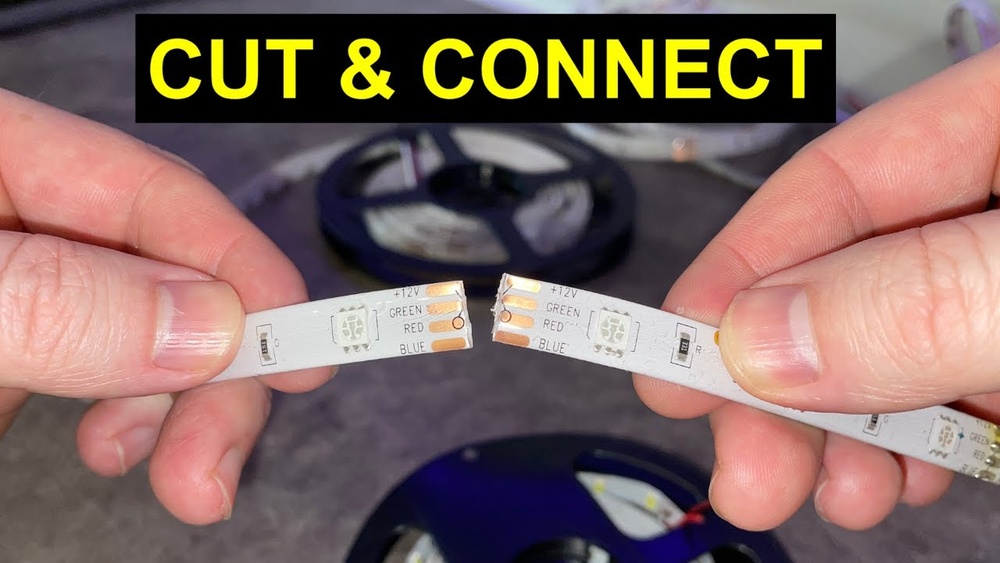
Have you ever wondered if you can cut LED lights to fit your space perfectly? Maybe you bought a long strip and want to make it shorter, but you’re unsure if trimming them will break the lights or ruin their glow.
The good news is, with the right know-how, you can customize LED strips safely and easily. Keep reading to discover exactly how to cut your LED lights without damaging them—and get your space shining just the way you want.
Can You Cut Led Lights?
LED lights are popular for home and decoration projects. They save energy and last long. Many people wonder, can you cut LED lights to fit your space? The short answer is yes. But cutting LED strips needs care and the right knowledge. Not all LED strips are the same. Understanding the types and cutting points helps avoid damage.
Types Of Led Strips
LED strips come in different types. Some have a single color, others can change colors. There are flexible and rigid strips. Flexible strips bend easily and suit curved surfaces. Rigid strips are firm and best for straight lines. Each type has its own design and cutting rules. Knowing your LED strip type is important before cutting.
Cutting Points Explained
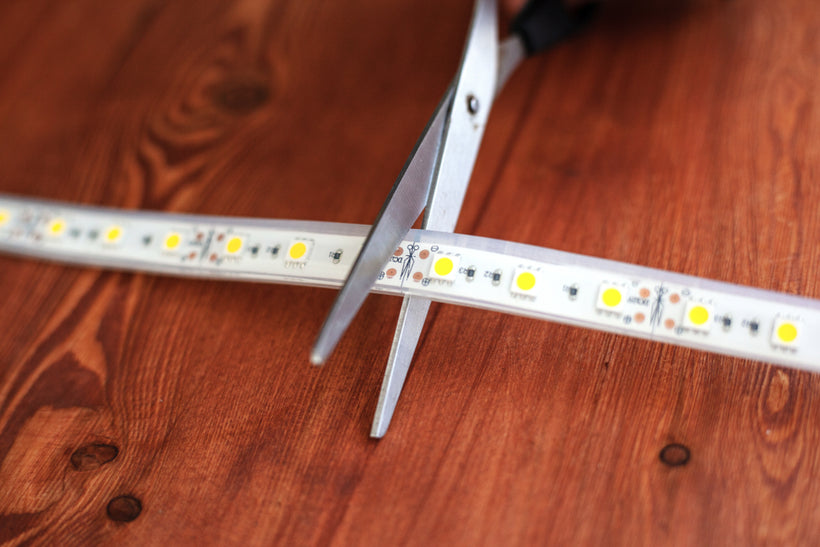
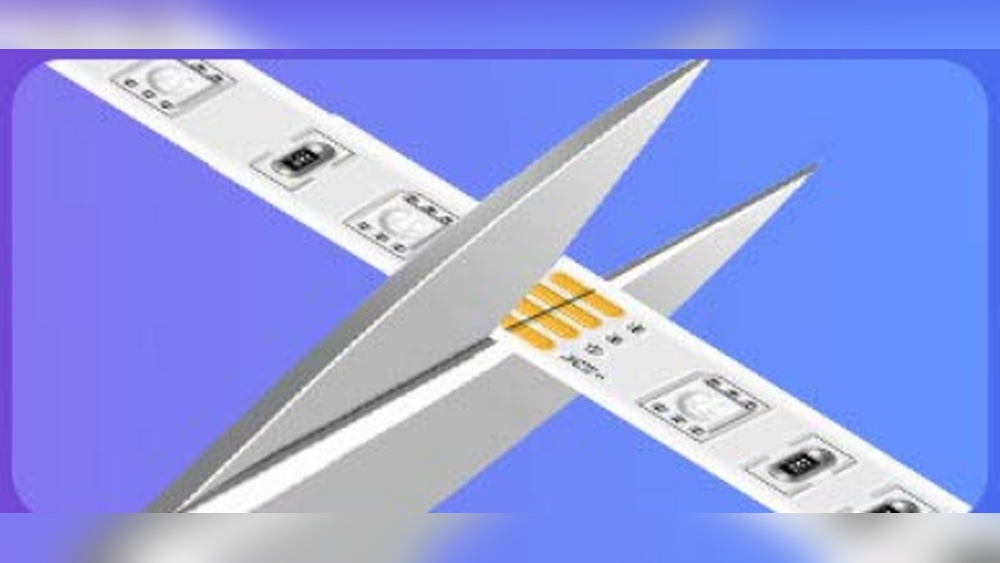
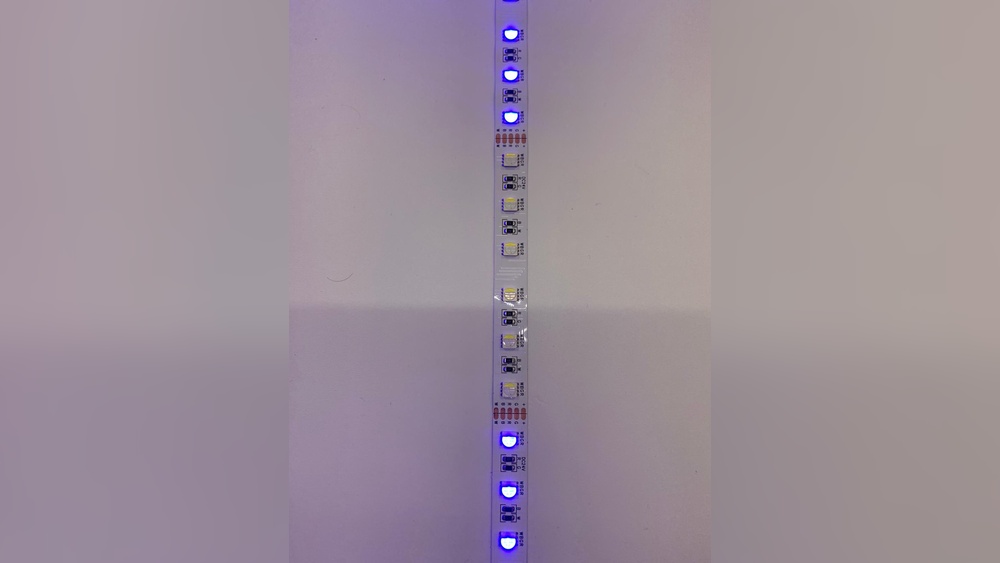
LED strips have special cutting points. These points show where you can safely cut without harm. Usually, they are marked with a small line or scissors icon. Cutting elsewhere may break the circuit and stop the lights from working. Use sharp scissors and cut exactly on the mark. After cutting, you can join strips with connectors or solder wires. This keeps your lights working well after changes.

Tools You’ll Need
Cutting LED lights needs the right tools. Using proper tools makes the job easier and safer. Prepare before you start cutting LED strips or bulbs.
Essential Cutting Tools
Scissors are the simplest tool for cutting LED strips. Choose sharp, clean scissors for a neat cut. A utility knife works well for precise cuts on tougher LED lights.
Wire cutters help if you need to trim wires attached to LED strips. A ruler or measuring tape ensures you cut at the right spot. Mark the cutting point with a pencil or marker.
Safety Gear Recommendations
Wear safety glasses to protect your eyes from small pieces or sparks. Gloves keep your hands safe from sharp edges and prevent cuts. Use a dust mask if you create dust or small particles while cutting.
Work in a well-lit area to see clearly. Keep your workspace clean and organized for safety and ease.
Step-by-step Cutting Guide
Cutting LED lights can help fit them perfectly into your space. It requires care and the right steps. Follow this simple guide to cut LED strips safely and keep them working well.
Measuring And Marking
Start by measuring the length you need. Use a ruler or tape measure for accuracy. Look closely for the cut marks on the strip. These marks show where it is safe to cut. Mark the spot clearly with a pen or marker. Avoid cutting anywhere else to prevent damage.
Making The Cut
Use sharp scissors or a craft knife for a clean cut. Cut exactly on the marked line. Hold the strip steady to avoid slipping. Cut gently but firmly to avoid breaking the circuit. Do not cut across the lights or components.
Sealing The Cut End
After cutting, seal the end to protect it. Use silicone or clear nail polish to cover the exposed parts. This stops moisture and dust from causing problems. Let the seal dry completely before using the strip again. Proper sealing keeps your LED lights safe and long-lasting.

Connecting Cut Led Strips
Cutting LED strips allows you to fit lights into small spaces. After cutting, connecting these strips correctly is important. Proper connections keep the lights bright and safe.
There are two main ways to join cut LED strips. You can use connectors or solder the wires. Both methods work well with some care.
Using Connectors
Connectors are simple tools that join LED strips without soldering. They clip onto the strip ends and hold the wires tight. This method is quick and clean.
Make sure the strip’s copper pads line up inside the connector. Close the clip firmly to secure the connection. Test the lights before final installation.
Connectors come in different types. Some join strips at straight angles, others at corners. Choose one that fits your project.
Soldering Basics
Soldering creates a strong, lasting connection between LED strips. It uses melted metal to join wires and pads. A small soldering iron and solder wire are needed.
First, tin the copper pads by melting a bit of solder on them. Then, heat the wire end and apply solder to it. Finally, press the wire onto the pad and heat until solder melts together.
Keep the solder joint neat and avoid too much solder. Let it cool before moving the strip. Soldering offers a reliable connection for long-term use.
Safety Precautions
Cutting LED lights can be done safely with the right precautions. Safety is very important to avoid accidents. Taking careful steps protects you and your home. Follow these safety tips before you cut any LED strip.
Avoiding Electrical Hazards
Turn off the power before handling LED strips. Never cut LED lights while they are plugged in. Use insulated tools to reduce the risk of shock. Avoid touching exposed wires or connectors. Keep the work area dry to prevent electric shock. Always check for damage before cutting the LED strip.
Handling Power Supplies
Unplug the power supply before starting work. Make sure the power supply matches the LED strip’s voltage. Use a power supply with safety certifications. Avoid overloading the power supply to prevent overheating. Handle power cords gently to avoid damage. Keep power supplies away from water and heat sources.
Common Mistakes To Avoid
Cutting LED lights might seem simple, but many people make mistakes that cause damage. Knowing what to avoid keeps your lights working well. It also saves time and money. Here are common errors to watch out for.
Cutting At Wrong Points
LED strips have specific cutting points. These spots are marked with lines or scissors icons. Cutting anywhere else can break the circuit. This stops the lights from working.
Always cut exactly on the marked lines. Use sharp scissors for a clean cut. Avoid cutting too close to the LEDs or other components.
Ignoring Voltage Limits
Each LED strip has a voltage limit. Supplying more power than recommended causes overheating. It can burn out the LEDs quickly.
Check the voltage rating before cutting and reconnecting strips. Use a proper power supply that matches the voltage needs. This keeps your lights safe and bright.
Tips For Long-lasting Led Strips
LED strips brighten up homes and workspaces with ease. To enjoy their glow for years, take some simple steps. Caring for LED strips helps save money and effort over time. Follow these tips for long-lasting LED strips.
Proper Installation
Start with a clean surface. Dirt and dust stop LED strips from sticking well. Use a smooth, dry area for best results. Avoid bending strips sharply to prevent damage. Cut LED strips only at marked points. Connect wires firmly to avoid flickering. Use the right power supply to match your strip. Too much power can burn out LEDs fast.
Regular Maintenance
Check LED strips often for dust and dirt. Clean gently with a soft cloth to keep light bright. Look for loose connections and fix them quickly. Avoid water contact unless strips are waterproof. Replace damaged sections to keep the strip working well. Good care keeps LED strips shining longer.
Frequently Asked Questions
Can You Safely Cut Led Strip Lights At Home?
Yes, you can safely cut LED strip lights at designated cutting marks. Use sharp scissors and avoid cutting outside these marks to prevent damage and ensure proper functioning.
Where Are The Cutting Points On Led Strip Lights?
Cutting points are usually marked by a line or scissor icon on the LED strip. Only cut at these points to maintain circuit integrity and light performance.
What Tools Do I Need To Cut Led Lights Properly?
Use sharp scissors or a precision knife to cut LED strips. Avoid tearing or pulling the strip to prevent damage to the circuitry and LEDs.
Will Cutting Led Strips Affect Their Brightness?
Cutting LED strips at the correct points does not affect brightness. However, cutting improperly may cause some sections to stop working or dim.
Conclusion
Cutting LED lights is possible but needs care and the right tools. Always check the cut marks on the strip before cutting. Avoid cutting in the wrong place to keep the lights working. Use connectors to join cut pieces safely.
This helps keep your lighting bright and lasting longer. Remember, proper handling makes your LED lights look great and work well. Simple steps can save time and money. Enjoy customizing your space with LED strips made just for you.




Leave a Reply