

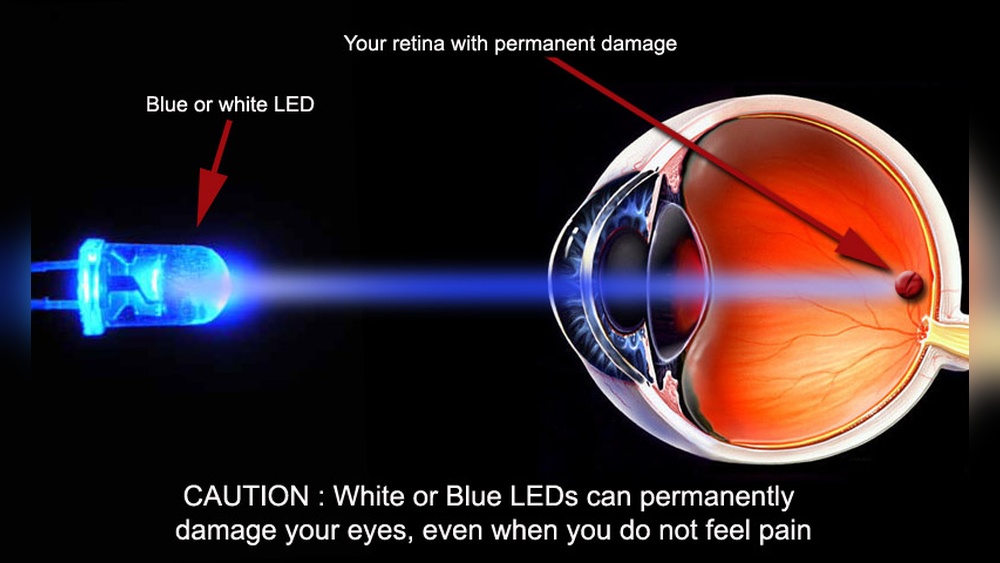
Have you ever wondered if the LED lights around you could be harming your eyes? You might be surprised to learn that those bright, energy-saving bulbs could cause more damage than you think.
If you spend a lot of time under LED lighting—at home, work, or on your devices—this could affect your vision in ways you haven’t noticed yet. Keep reading to discover how LED lights impact your eyes and what simple steps you can take to protect your sight every day.
Your eyes deserve it.
How Led Lights Work
LED lights are common in homes and offices. They use a special way to create light. Understanding how they work helps explain why they might harm your eyes.
LEDs do not work like old bulbs. They use tiny parts called semiconductors. These parts send out light when electricity passes through them.
Basic Technology Behind Leds
LED means Light Emitting Diode. It is a small device made from semiconductor material. When electric current flows, it releases energy as light.
The light from LEDs comes from electrons moving inside the diode. This process creates bright and focused light. It uses less energy than old bulbs.
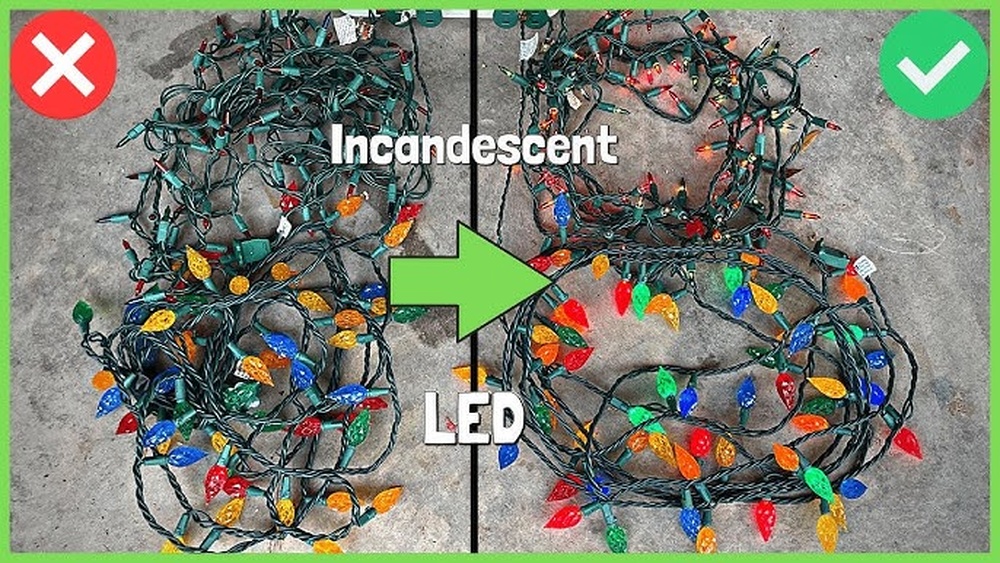
Differences From Traditional Lighting
Traditional bulbs use a wire that glows when heated. This makes light but wastes energy as heat. LEDs do not heat up much.
LED lights produce light in a narrow range of colors. Old bulbs show a wider light spectrum. This difference can affect how eyes react to the light.
Types Of Led Light Exposure
LED lights have become common in homes and offices. They offer bright, energy-saving lighting. Not all LED light exposure affects eyes the same way. Different types of exposure can cause different levels of strain or damage. Understanding these types helps protect your eyes better.
Direct Vs Indirect Exposure
Direct exposure means looking straight at the LED light source. This can cause more eye strain and discomfort. The bright light hits the eyes without any filter or barrier. Indirect exposure happens when the light reflects off surfaces. This light is softer and less intense. Indirect exposure is generally safer for eyes than direct exposure.
Duration And Intensity Factors
How long you are exposed to LED light matters a lot. Short exposure to bright light may cause temporary discomfort. Long exposure can lead to lasting eye strain or damage. Intensity also plays a role. Higher brightness levels increase the risk of eye problems. Lower intensity lights reduce the chance of harm. Balancing duration and intensity is key to eye safety.
Potential Eye Damage Risks
LED lights are common in homes and offices. Many people use them daily without thinking about eye safety. Yet, these lights can cause problems. Understanding the risks helps protect your vision. Here are some key dangers linked to LED light exposure.
Blue Light And Retinal Stress
LED lights emit a strong blue light. This light reaches deep into the eyes. It can cause stress to the retina, the part that senses light. Over time, this stress may harm the retina’s cells. This damage can reduce vision quality and cause discomfort.
Dry Eyes And Eye Strain
Staring at LED lights for hours can dry your eyes. The blink rate drops when focusing on bright screens or lights. Dry eyes feel itchy and tired. Eye strain also occurs from constant focus and glare. This strain leads to headaches and blurred vision.
Long-term Vision Effects
Long exposure to LED lights may increase the risk of vision problems. Some studies link it to early cataracts and macular degeneration. These conditions worsen eyesight over time. Protecting your eyes now can help avoid serious damage later.
Scientific Studies On Led Impact
Many people wonder if LED lights harm the eyes. Scientists have studied how these lights affect vision and eye health. Research looks at the light’s brightness, color, and how long we use it. Understanding this helps us use LED lights safely. Below are key findings and debates from recent studies.
Recent Research Findings
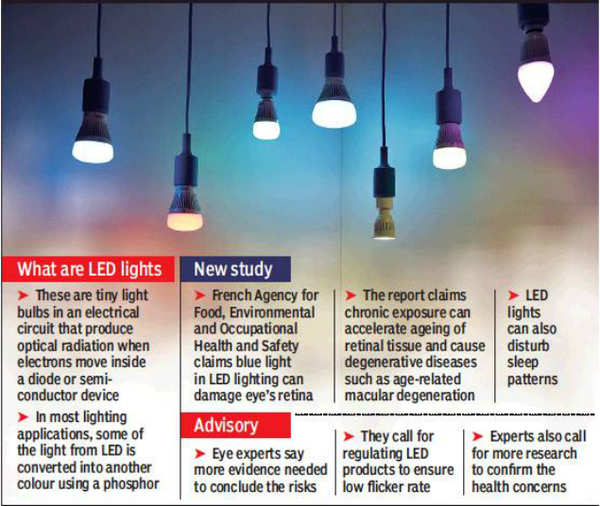
Some studies show LED lights can cause eye strain and discomfort. Blue light from LEDs may affect cells in the retina. Long exposure might lead to dryness and tired eyes. Research also suggests that LEDs can disrupt sleep patterns. This happens because blue light affects melatonin, a sleep hormone. Scientists recommend limiting screen time at night to protect eyes.
Other studies find LEDs safer than older light types. LEDs do not emit harmful UV rays. They are energy-efficient and last longer. Using LED lights with lower blue light levels can reduce risks. Protective glasses and screen filters also help reduce eye strain.
Controversies And Conflicting Data
Not all scientists agree on LED risks. Some research finds no clear damage to eye tissues. Differences in study methods cause mixed results. The length and brightness of light exposure vary in studies. Some tests use levels higher than normal daily use.
Experts debate if LED effects are serious or minor. Some say normal use is safe for most people. Others warn of potential risks for children and sensitive eyes. More research is needed to understand long-term effects fully. Until then, using LED lights wisely is best.
Symptoms Of Led-related Eye Issues
LED lights are common in homes and offices today. Many use them for their energy efficiency and bright light. Yet, these lights can harm your eyes if used too long or without breaks. Recognizing symptoms early helps protect your vision and avoid serious problems.
Eye discomfort from LED exposure can feel mild or severe. Knowing what to watch for helps you act quickly. Some signs may seem normal but can indicate eye strain or damage from LED lights.
Common Warning Signs
Stinging or burning eyes often occur after LED light exposure. Eyes may feel dry or watery. Blurred vision can happen after staring at LED screens or bulbs. Headaches near the eyes or temples are frequent. Sensitivity to light, especially bright LED lights, may increase. Redness and itching also signal eye stress. Some people see halos or glare around lights. These symptoms suggest your eyes struggle with LED lighting.
When To See An Eye Specialist
Visit an eye doctor if symptoms last more than a few days. Sudden vision changes or severe pain need urgent care. If headaches increase or vision blurs often, schedule a check-up. Specialists can test for eye strain or damage. They offer treatments and advice to reduce LED light harm. Early medical help prevents worsening of eye problems.

Protecting Your Eyes From Led Damage
Protecting your eyes from LED damage is very important. LED lights emit blue light that can harm your eyes over time. This damage may cause eye strain, dryness, and even affect your sleep. Taking simple steps helps keep your eyes safe and healthy.
Using Screen Filters And Glasses
Screen filters reduce the amount of blue light from devices. They are easy to apply on phones, tablets, and computers. Special glasses also block harmful blue light. Wearing these glasses while using screens can reduce eye strain.
Adjusting Lighting Environment
Bright LED lights can hurt your eyes. Use softer, warm-colored lights in rooms where you work or read. Avoid using bright LED lights directly behind screens. Position lights to avoid glare on your screen and eyes.
Taking Regular Breaks
Looking at screens for a long time tires your eyes. Take breaks every 20 minutes and look at something 20 feet away. Blink often to keep your eyes moist. These habits help reduce eye strain and discomfort.
Alternatives To Harmful Led Lighting
LED lights can cause eye strain and discomfort due to their brightness and blue light emission. Choosing safer lighting options helps protect your eyes and improves comfort. These alternatives reduce harmful effects without sacrificing brightness.
Safer Lighting Options
Warm white bulbs emit less blue light than cool white LEDs. They create a softer, more natural glow that is easier on the eyes. Incandescent bulbs also produce a gentle light but use more energy. Compact fluorescent lamps (CFLs) offer a balance of brightness and eye comfort. Using lampshades or dimmers can reduce glare and brightness levels further.
Smart Lighting Technologies
Smart lights adjust brightness and color temperature based on the time of day. They reduce blue light exposure in the evening to help your eyes relax. Some models allow you to set schedules or control lights remotely. These features help create a healthier lighting environment. Voice control and automation add convenience and improve your daily lighting experience.
Future Of Led Lighting And Eye Safety
The future of LED lighting holds many changes aimed at protecting our eyes. LED lights are popular for their brightness and energy savings. Yet, concerns about eye damage grow. Scientists and manufacturers work to make LED lights safer. New technology and rules help reduce risks. This section explores innovations and standards shaping eye-safe LED lighting.
Innovations To Reduce Harm
New LED designs lower harmful blue light emissions. Some LEDs use filters to soften glare and brightness. Smart LEDs adjust light based on time or activity. These changes help eyes feel less strain. Researchers study materials that reduce flicker and harshness. These efforts make LEDs gentler for daily use.
Regulations And Standards
Governments set limits on LED brightness and color. Safety standards require testing for eye health risks. These rules guide manufacturers in making safer products. Certification helps buyers choose eye-friendly LED lights. Regulations also push companies to improve their designs. This creates a safer environment for everyone using LEDs.

Frequently Asked Questions
Can Led Lights Cause Permanent Eye Damage?
LED lights emit blue light, which may strain eyes but rarely cause permanent damage. Prolonged exposure can lead to discomfort and dryness, so it’s best to limit direct and long-term exposure.
How Do Led Lights Affect Eye Health?
LED lights can cause eye strain and fatigue due to blue light emission. This disrupts sleep cycles and may lead to headaches and blurred vision if exposure is excessive.
Are Led Lights Harmful To Children’s Eyes?
Children’s eyes are more sensitive to blue light from LEDs. Excessive exposure can cause eye strain and affect sleep patterns, so moderation and proper lighting are important.
Can Using Led Lights Cause Headaches?
Yes, prolonged exposure to bright or flickering LED lights can trigger headaches. Reducing screen brightness and taking regular breaks can help minimize this issue.
Conclusion
LED lights can cause eye strain and discomfort over time. Bright, flickering lights may harm your vision. Protect your eyes by using softer lighting options. Take breaks from screens and avoid staring at LEDs for long. Wearing blue light glasses can also help reduce damage.
Pay attention to how your eyes feel daily. Small changes can keep your eyes healthy and comfortable. Stay aware and care for your vision every day.

Leave a Reply