

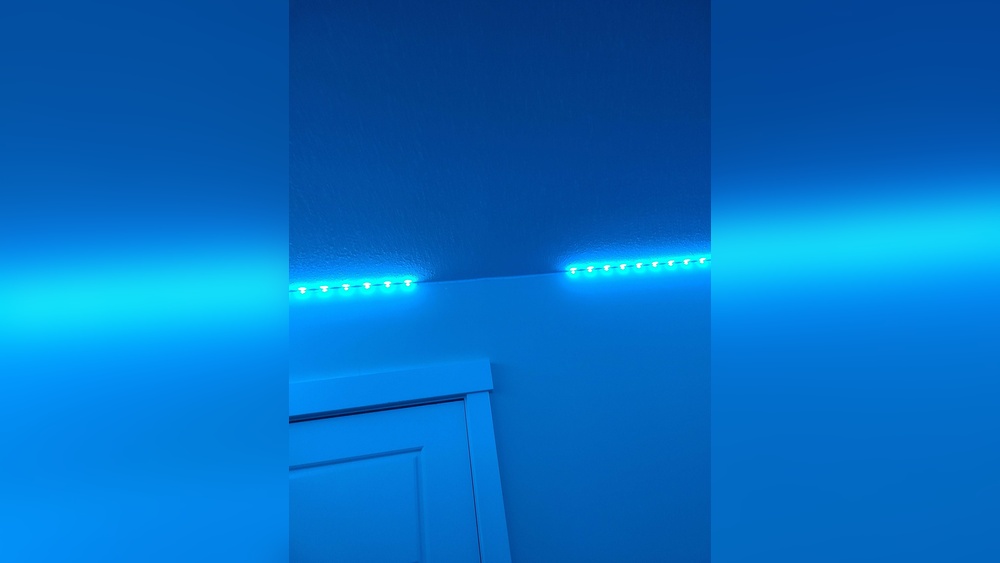
Are your LED lights suddenly not working? It can be frustrating when your bright, energy-saving bulbs go dark without warning.
You rely on these lights every day, so when they fail, it disrupts your comfort and routine. But don’t worry—there are simple reasons behind this problem, and you can fix them faster than you think. Keep reading to discover easy steps that will bring your LED lights back to life and brighten up your space again.
Common Reasons Led Lights Fail
LED lights are popular for their long life and energy savings. Despite this, they can stop working. Understanding why helps fix the problem fast. Many issues cause LED lights to fail. Some are easy to spot. Others need a closer look.
Power Supply Issues
LED lights need the right power to work. If the power supply is unstable or weak, lights may flicker or not turn on. Overloaded circuits or bad transformers cause power problems. Checking the power source can solve many LED issues.
Faulty Wiring
Wiring problems often cause LED light failure. Loose or broken wires stop electricity flow. Poor connections or corrosion also affect performance. Inspect wires and connectors carefully. Secure and clean wiring keeps lights working well.
Damaged Led Bulbs
LED bulbs can get damaged from drops or heat. Physical damage breaks internal parts and stops light output. Overheating shortens bulb life and causes flickering. Replace damaged or old bulbs to restore brightness.
Compatibility Problems
Not all LED bulbs fit every fixture or dimmer. Using wrong bulbs causes flickering or no light. Check bulb type matches fixture requirements. Choose compatible LEDs for smooth, reliable lighting.
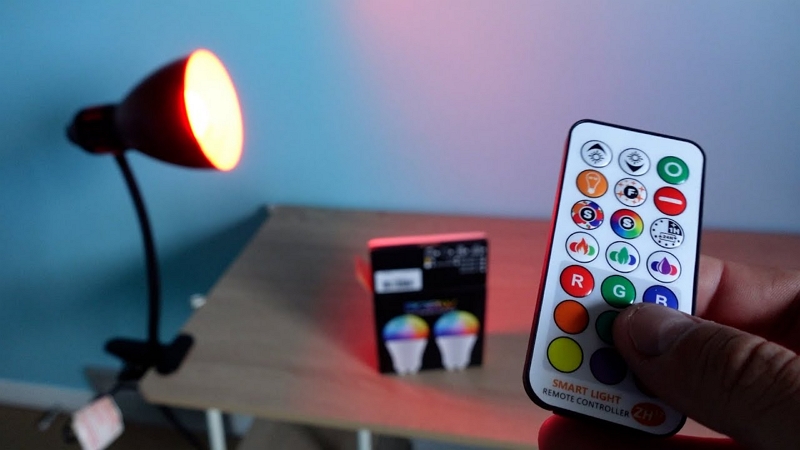
Basic Troubleshooting Steps
LED lights not working can be frustrating. Before calling a technician, try some basic checks. These steps help find simple problems fast. Most issues come from easy-to-fix causes.
Follow these steps carefully. They save time and money. Let’s start with the power source.
Check The Power Source
Ensure the LED light is plugged in properly. Check the outlet for power by testing another device. Confirm the switch controlling the light is on. Sometimes, the power source is the main problem.
Inspect The Bulb And Fixture
Turn off the power before touching the bulb. Look for visible damage or loose connections. Clean any dust or debris around the fixture. A dirty or faulty fixture can stop the light from working.
Test With A Different Bulb
Replace the LED bulb with a new or working one. This test shows if the bulb is defective. Use the same type and wattage for safety. A bad bulb is a common cause of failure.
Reset The Circuit Breaker
Locate your home’s circuit breaker panel. Look for tripped breakers marked in red or off position. Switch the breaker off and then back on. This action restores electricity to the LED light.
Fixing Power Supply Problems
Power supply problems are a common cause of LED lights not working. These issues stop electricity from reaching the lights. Fixing these problems can often restore your LED lights quickly. Start by checking simple things before moving to complex solutions.
Follow easy steps to find and fix the power supply issues safely. This helps save time and avoids unnecessary repairs.
Verify Outlet Functionality
Check if the outlet has power. Plug in another device, like a phone charger or lamp. If the device works, the outlet is fine. If not, try a different outlet. Sometimes outlets have switches or circuit breakers that turn off power. Make sure these are on and working.
Replace Batteries Or Drivers
Some LED lights use batteries or drivers for power. Batteries lose charge over time. Replace old batteries with new ones. LED drivers control power flow to the light. A damaged driver can stop lights from working. Swap the driver with a new or working one to test.
Use Voltage Testers Safely
Voltage testers help check if power reaches the LED lights. Use the tester on the outlet or wiring. Always follow safety rules. Turn off power before touching wires. Wear insulated gloves if possible. A voltage tester shows if current flows correctly. This step helps identify where power stops.
Addressing Wiring And Connection Issues
Wiring and connection problems often cause LED lights to stop working. Simple issues like loose wires or poor connections can interrupt the flow of electricity. Fixing these problems can restore your LED lights quickly and safely. Check each part carefully to find the source of the problem.
Look For Loose Or Damaged Wires
Loose wires can break the connection and stop the LED lights from working. Check every wire for any signs of damage or wear. Look for cracks, cuts, or frayed ends. Gently wiggle the wires to see if they move or disconnect. Damaged wires need replacement to ensure good contact.
Secure Connections Properly
Connections must be tight and secure to allow electricity to flow. Use wire nuts or connectors to join wires firmly. Make sure no bare wire is exposed outside the connector. Loose connections cause flickering or no light at all. Double-check all joints and tighten any loose parts carefully.
Consult Wiring Diagrams
Wiring diagrams show how to connect your LED lights correctly. These diagrams help you understand which wire goes where. Follow the diagram step-by-step to avoid mistakes. Using the right wiring setup prevents short circuits and other issues. Keep the diagram handy while working for quick reference.
Dealing With Faulty Led Bulbs
Dealing with faulty LED bulbs can be frustrating. These bulbs usually last long but may stop working suddenly. Knowing how to spot the problem and fix it saves time and money. Follow simple steps to handle LED issues safely and effectively.
Identify Signs Of Burnout
Burned-out LEDs often flicker or dim before they fail. Check for dark spots or a broken filament inside the bulb. A bulb that never lights up may be dead. Testing the bulb in a different socket helps confirm the issue.
Replace With Compatible Bulbs
Use bulbs that match the fixture’s voltage and size requirements. Choosing the wrong bulb can cause damage or poor light output. Always buy from trusted brands to ensure quality and safety. Proper replacement keeps your lights working well.
Handle Leds With Care
LED bulbs are sensitive to rough handling. Avoid dropping or twisting the bulb forcefully. Clean bulbs gently with a soft cloth to prevent damage. Proper care extends the life of your LED lights.
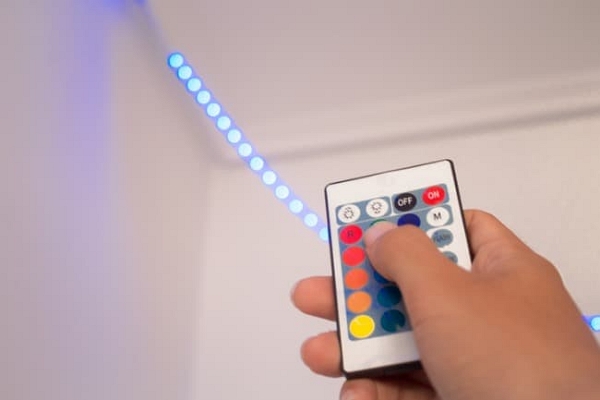
Preventing Future Led Light Failures
Preventing future LED light failures saves money and time. It also keeps your space well-lit and safe. Simple steps help extend the life of LED lights. A little care goes a long way.
Regular Maintenance Tips
Clean LED lights often to remove dust and dirt. Dust blocks light and causes heat buildup. Check for loose connections that may cause flickering. Replace damaged wires right away. Keep vents clear to avoid overheating. Regular checks catch small problems early.
Choosing Quality Led Products
Buy LED lights from trusted brands only. Cheap products may fail quickly or use poor parts. Look for lights with good warranties and certifications. Quality LEDs use less energy and last longer. Spend a bit more to avoid frequent replacements.
Avoiding Overloading Circuits
Do not connect too many lights on one circuit. Overloading causes overheating and can damage LEDs. Use proper circuit breakers for safety. Spread lights evenly across different circuits if possible. Protect your LED lights by managing electrical load well.
When To Call A Professional
Knowing when to call a professional is important if your LED lights stop working. Some problems need expert help to fix safely and correctly. Trying to fix complex issues alone can cause more damage or risk injury.
Recognizing signs that require an electrician saves time and stress. It also protects your home and family from electrical hazards. Below are key points to consider before calling a professional.
Complex Electrical Issues
Complex problems include flickering lights, frequent outages, or circuit breaker trips. These issues often mean a deeper wiring or electrical panel problem. Fixing these requires knowledge and special tools. A professional can diagnose and repair safely, preventing further damage.
Safety Precautions
Electricity can be dangerous. Always turn off power before checking lights or wiring. Avoid touching wires or components without proper training. Using the wrong tools or methods can cause shocks or fires. Leave risky repairs to trained electricians for your safety.
Finding A Licensed Electrician
Hire a licensed electrician with good reviews and experience in LED lighting. Check credentials and insurance before hiring. A qualified professional ensures the work meets safety standards. This protects your home and gives peace of mind.
Frequently Asked Questions
Why Are My Led Lights Not Turning On?
LED lights may not turn on due to faulty wiring, blown fuses, or power supply issues. Check connections and power sources first. Replace damaged components or consult an electrician if necessary.
How To Fix Flickering Led Lights?
Flickering LED lights often result from loose connections or incompatible dimmers. Tighten wiring and use compatible dimmer switches. Replace bulbs if flickering persists.
Can Led Lights Stop Working Suddenly?
Yes, LED lights can fail suddenly due to power surges, overheating, or poor quality components. Ensure proper installation and use quality products for longevity.
What Causes Led Lights To Dim Unexpectedly?
LED lights dim due to voltage drops, aging bulbs, or incompatible dimmers. Check power supply and replace bulbs or dimmers if needed.
Conclusion
LED lights not working can have simple causes. Check the power source first. Look for loose connections or damaged wires. Sometimes, a quick reset fixes the issue. Replacing faulty bulbs may solve the problem. Avoid using too much force when handling lights.
Regular maintenance helps keep LED lights bright and safe. If problems continue, consulting a professional is wise. Small steps save time and money. Keep your space well-lit and comfortable. Don’t let broken lights stay in the dark.




Leave a Reply