


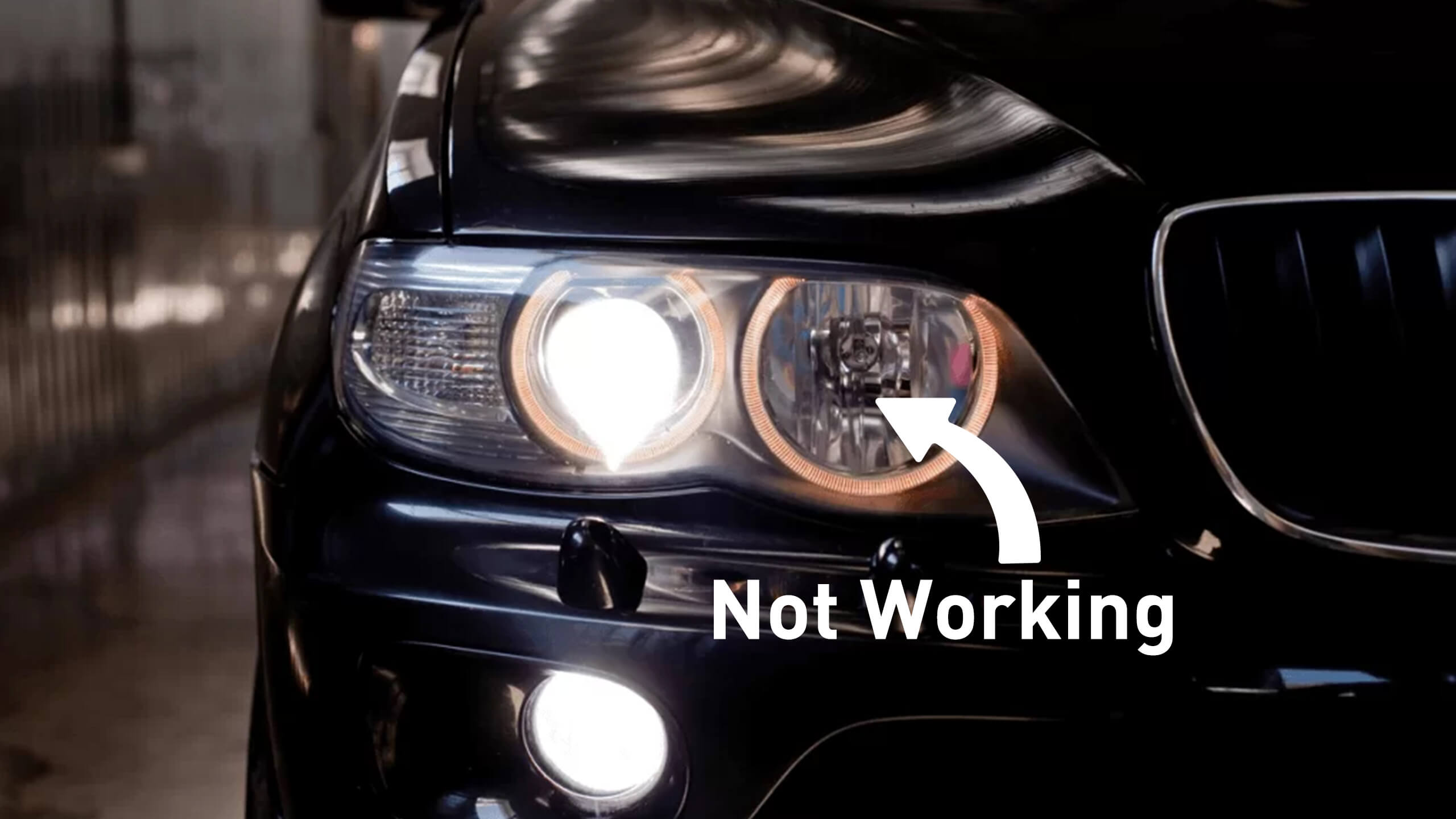
Have you ever been driving at night when suddenly your LED headlights stopped working? It’s frustrating, and it can feel unsafe too.
Your headlights are key to seeing clearly and staying visible on the road. If you’re facing this problem, you’re not alone—and the good news is, you don’t have to stay in the dark. You’ll discover why your LED headlights might fail and what simple steps you can take to fix them quickly.
Keep reading to get your lights back on and drive with confidence again.
Common Causes Of Led Headlight Failure
LED headlights are popular for their brightness and energy efficiency. Still, they can stop working due to several common problems. Understanding these causes helps to fix the issue quickly and avoid further damage. Below are the frequent reasons why LED headlights fail.
Burnt Out Bulbs
LED bulbs last longer than traditional bulbs but can still burn out. Over time, heat or electrical surges can damage the LED chip. A burnt-out bulb will cause your headlights to stop shining. Replacing the bulb often solves this problem.
Blown Fuses
Fuses protect your car’s electrical system from damage. A power surge or short circuit can blow a fuse connected to the headlights. A blown fuse cuts power to the LED lights. Checking and replacing the fuse restores the connection.
Wiring Issues
Loose or damaged wires disrupt the flow of electricity to the headlights. Wires can break due to wear, corrosion, or rodent damage. Faulty wiring causes flickering or complete failure of LED lights. Inspecting and repairing wires fixes this problem.
Faulty Headlight Switch
The headlight switch controls the lights turning on and off. A faulty switch can prevent the LED headlights from activating. Dirt, wear, or internal damage often causes switch failure. Replacing the switch can bring the headlights back to life.
Quick Inspection Steps
LED headlights stopped working? Start with quick checks. These simple steps help find the problem fast. No need for tools or expert skills. Follow each step carefully to spot common issues. Save time and avoid costly repairs.
Check Bulb Condition
Look at the LED bulbs closely. See if any are dark or broken. Sometimes bulbs burn out or get damaged. Replace any faulty bulb with the correct type. Clean the bulb surface gently to remove dirt or dust.
Test The Fuse Box
Find your vehicle’s fuse box. Check the fuse linked to headlights. A blown fuse stops power flow to the lights. Use a fuse tester or swap with a similar fuse. Replace blown fuses with the same rating to avoid damage.
Inspect Wiring Connections
Examine wires going to the headlights. Look for loose, frayed, or broken wires. Poor connections cause headlights to fail. Secure any loose wires and repair damaged parts. Make sure connectors fit tightly and show no corrosion.
Verify Headlight Switch Functionality
Try the headlight switch inside the car. Turn it on and off multiple times. Notice if the switch feels loose or sticks. A bad switch may prevent lights from turning on. Replace the switch if it shows signs of failure.
Simple Fixes You Can Try
LED headlights may stop working for simple reasons. Many problems have easy fixes. Try these steps before visiting a mechanic. They save time and money.
Check each fix carefully. Some need basic tools. Others only require patience. Follow the instructions below to get your headlights working again.
Replacing Burnt Out Bulbs
LED bulbs can burn out after long use. Open the headlight cover gently. Remove the old bulb by twisting it out. Install a new LED bulb that fits your car model. Test the lights before closing the cover. This fix often solves the problem quickly.
Changing Blown Fuses
Fuses protect the headlight circuit. A blown fuse stops the headlights from working. Locate the fuse box under the dashboard or hood. Find the headlight fuse using the diagram. Pull out the blown fuse and replace it with the same type. Check if the headlights turn on.
Repairing Loose Wiring
Loose wires cause power loss to headlights. Inspect the wiring near the headlights for damage or disconnection. Tighten any loose connections. Use electrical tape to secure exposed wires. Make sure all wires are connected firmly. This can restore power and fix the lights.
Resetting The Headlight Switch
The headlight switch might malfunction sometimes. Turn the switch off and remove the key from the ignition. Wait for a few minutes to reset the system. Turn the key back and switch on the headlights. This simple reset can fix minor electrical glitches.

When To Seek Professional Help
Knowing when to get professional help is key if your LED headlights stopped working. Some problems need expert tools and skills. Trying to fix complex issues yourself can cause more damage. Professionals can quickly find and fix hidden problems. This saves time and keeps your car safe.
Persistent Electrical Issues
Electrical problems that come back after fixes need expert attention. Loose connections or faulty circuits can cause headlights to fail repeatedly. Professionals use special tools to test the electrical system. They find small faults you might miss. Fixing these issues ensures your headlights work reliably.
Complex Wiring Problems
Wiring in modern cars is complicated. Damaged or tangled wires can stop headlights from working. Professionals know how to trace and repair wiring safely. They avoid cutting the wrong wire or causing shorts. This keeps your car’s electrical system stable and safe.
Damage Beyond Quick Repairs
Sometimes, damage is too big for a quick fix. Broken parts or water damage inside the headlight need expert care. Professionals can replace or repair damaged components properly. This prevents further problems and ensures your headlights shine bright again.
Preventive Tips For Led Headlights
LED headlights offer bright, clear light and last longer than traditional bulbs. Keeping them working well takes simple care. Small steps can stop many problems before they start. These tips help keep LED headlights reliable and bright.
Regular Maintenance Checks
Check LED headlights often. Look for cracks or dirt on the lens. Dirt blocks light and can cause overheating. Clean the lens gently with a soft cloth. Make sure all connections are tight and free of rust. Loose connections cause flickering or failure. Test headlights regularly to catch issues early.
Using Quality Replacement Parts
Choose good parts for repairs or upgrades. Cheap parts wear out fast and may damage the system. Use bulbs and wiring made for your car model. Quality parts fit better and last longer. They keep the electrical system safe and stable. Avoid mixing brands or types to prevent failures.
Avoiding Moisture Build-up
Moisture inside headlights causes corrosion and shorts. Check seals around the headlight housing. Replace cracked or missing seals quickly. Avoid washing the car with high-pressure water near the lights. Park in covered areas to reduce exposure to rain and snow. Use silica gel packs inside the housing for extra dryness.

Frequently Asked Questions
Why Did My Led Headlights Suddenly Stop Working?
LED headlights can stop working due to blown fuses, faulty wiring, or a bad relay. Check these components first. Overheating or damaged LED bulbs can also cause failure. Inspect bulbs and connections to diagnose the issue accurately.
How Can I Fix Led Headlights Not Turning On?
Start by checking the fuse box for blown fuses related to headlights. Inspect the wiring harness for loose or damaged connections. Replace faulty bulbs or relays if needed. If issues persist, consult a professional mechanic for thorough diagnostics.
Can A Bad Led Driver Cause Headlights To Fail?
Yes, a malfunctioning LED driver can cause headlights to stop working. The driver regulates power to LEDs, so any failure disrupts function. Replacing the LED driver often restores proper headlight operation.
Are Led Headlight Bulbs Easy To Replace?
Yes, LED bulbs are generally easy to replace with basic tools. Consult your vehicle’s manual for bulb type and replacement steps. Always handle bulbs carefully to avoid damage and ensure proper installation.
Conclusion
LED headlights stopped working can disrupt your night driving. Check the fuse, wiring, and bulb carefully. Sometimes, a simple fix restores light quickly. Regular maintenance helps prevent sudden failures too. Don’t ignore warning signs or delays in repair. Safe driving depends on clear, bright headlights.
Keep your vehicle’s lighting system in good shape. Bright lights mean better visibility and safer roads. Taking quick action saves time and money. Stay alert, fix issues early, and drive confidently at night.




Leave a Reply