

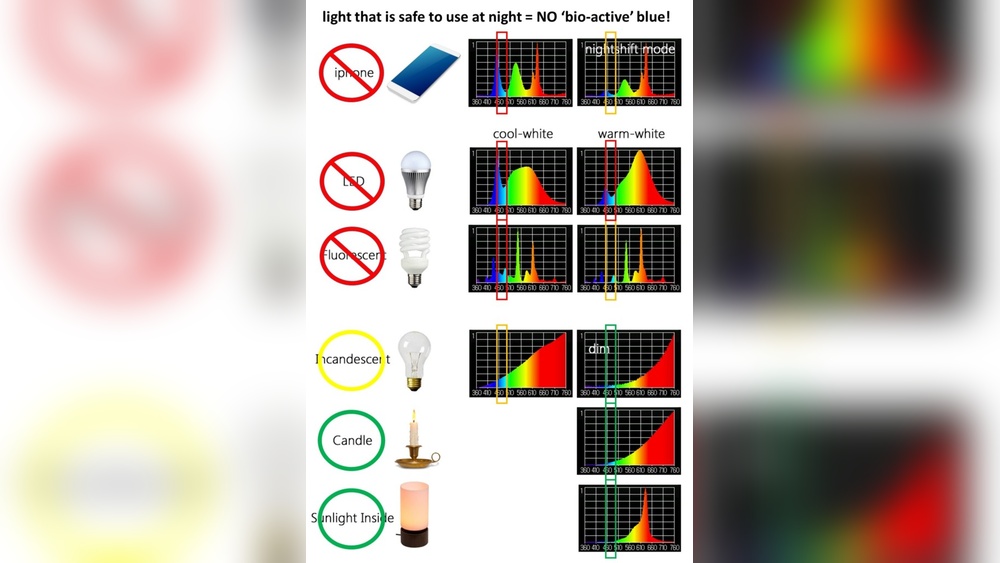
Have you ever wondered if the lights in your room are helping or harming your sleep? If you’re using LED lights, it’s important to know how they affect your rest.
Poor sleep can leave you tired, stressed, and unable to focus. But what if something as simple as changing your lighting could make a big difference? Keep reading to discover the surprising truth about LED lights and your sleep quality.
Understanding this could be the key to waking up refreshed and full of energy every day.
How Led Lights Affect Sleep
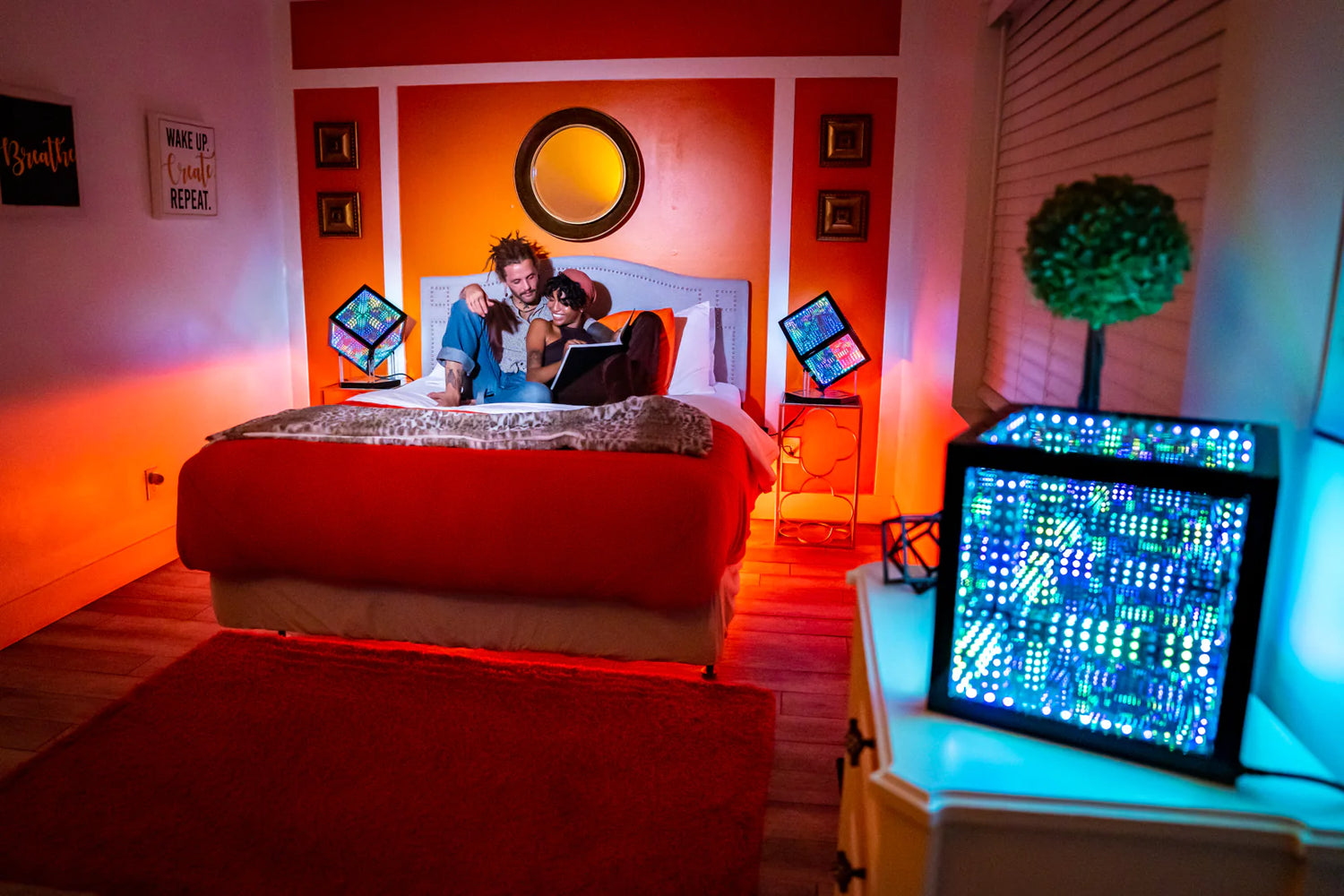
LED lights are common in homes and workplaces. They emit bright light that can impact sleep. The type and timing of LED light exposure matter. Understanding how LED lights affect sleep helps improve rest quality.
Light controls the body’s internal clock. Different colors and brightness can change how this clock works. This section explains the science behind light and sleep.
The Science Behind Light And Sleep
Light influences the brain’s production of melatonin. Melatonin is a hormone that makes you feel sleepy. Bright light lowers melatonin levels. This makes it harder to fall asleep.
Natural sunlight helps set the body’s 24-hour rhythm. Artificial lights, like LEDs, can confuse this rhythm. The brain reacts to light signals to decide sleep times.
Role Of Blue Light In Sleep Disruption
Blue light is a type of light emitted by many LEDs. It has a short wavelength and high energy. Blue light strongly suppresses melatonin production.
Exposure to blue light in the evening delays sleep onset. Screens and LED bulbs often give off blue light. Reducing blue light exposure before bed can help sleep.
Circadian Rhythm And Led Exposure
The circadian rhythm is the body’s natural sleep-wake cycle. Light exposure helps keep this cycle in sync with day and night.
LED lights used late at night can shift the circadian rhythm. This shift causes difficulty falling asleep and waking up.
Managing LED light exposure supports a healthy circadian rhythm and better sleep.
Types Of Led Lights And Their Impact
LED lights come in different types, each affecting sleep in unique ways. The color temperature and brightness play a big role in how your body reacts. Some LEDs can make it harder to fall asleep. Others help create a calm atmosphere for rest. Understanding these differences helps you choose the right light for better sleep.
Choosing the right LED light means knowing how it influences your body’s natural rhythms. The light’s color and intensity can either help or hurt your sleep quality.
Cool White Vs Warm White Leds
Cool white LEDs give off a bright, blue-tinted light. This light is similar to daylight and can boost alertness. But it may also reduce melatonin, the sleep hormone. Using cool white lights before bed can make falling asleep harder.
Warm white LEDs have a yellow or orange tone. This light is softer and closer to candlelight. Warm white lights do not affect melatonin as much. They create a relaxing mood that helps prepare your body for sleep. For bedrooms, warm white LEDs are a better choice than cool white.
Smart Led Bulbs And Sleep Settings
Smart LED bulbs let you adjust brightness and color from your phone. You can set the light to dim gradually in the evening. Some bulbs change to warm tones as bedtime nears. This mimics natural sunset light and supports melatonin production.
Many smart bulbs have “sleep mode” settings. These reduce blue light exposure before sleep. Using these features helps your body wind down. Smart LED bulbs offer control over your lighting environment. This can improve your sleep quality significantly.
Benefits Of Using Led Lights For Sleep
LED lights offer many benefits for creating a better sleep environment. They use less energy and produce light that can be adjusted. These features help improve comfort and support a good night’s rest.
Choosing the right lighting impacts sleep quality. LED lights give control over brightness and color. This control helps prepare the body for sleep and relax the mind.
Energy Efficiency And Sleep Environment
LED lights use less electricity than traditional bulbs. This means less heat and less disturbance in the room. Cooler, dimmer rooms help the body relax and get ready for sleep. Energy-efficient lights also save money on bills. A calm, cool space supports deeper, more restful sleep.
Adjustable Brightness And Color Temperature
LED lights allow easy control of brightness levels. Bright light can be lowered in the evening to avoid alertness. They also change color temperature from blue to warm tones. Warm light mimics sunset and signals the body to wind down. This adjustment helps the brain produce melatonin, the sleep hormone. Changing light settings creates a smooth transition to sleep time.
Negative Effects Of Led Lights On Sleep
LED lights are common in homes and workplaces. They save energy and last long. Despite these benefits, LED lights can harm sleep. The bright and sharp light affects the body’s natural sleep cycle. Understanding these effects helps protect your rest and health.
Blue Light And Melatonin Suppression
LED lights emit a strong blue light. This blue light tricks the brain into thinking it is daytime. It blocks melatonin, the hormone that controls sleep. Lower melatonin means harder time falling asleep. The body gets confused about when to rest.
Sleep Quality And Duration Issues
Exposure to LED light before bed reduces sleep quality. People may toss and turn more often. It also shortens total sleep time. Less deep sleep means feeling tired the next day. Poor sleep affects mood, focus, and health.
Tips For Using Led Lights To Improve Sleep
Using LED lights correctly can help improve your sleep quality. Small changes in how and when you use LED lights make a big difference. These tips guide you to create a sleep-friendly environment with LED lighting. Follow them to rest better and feel refreshed.
Choosing The Right Color Temperature
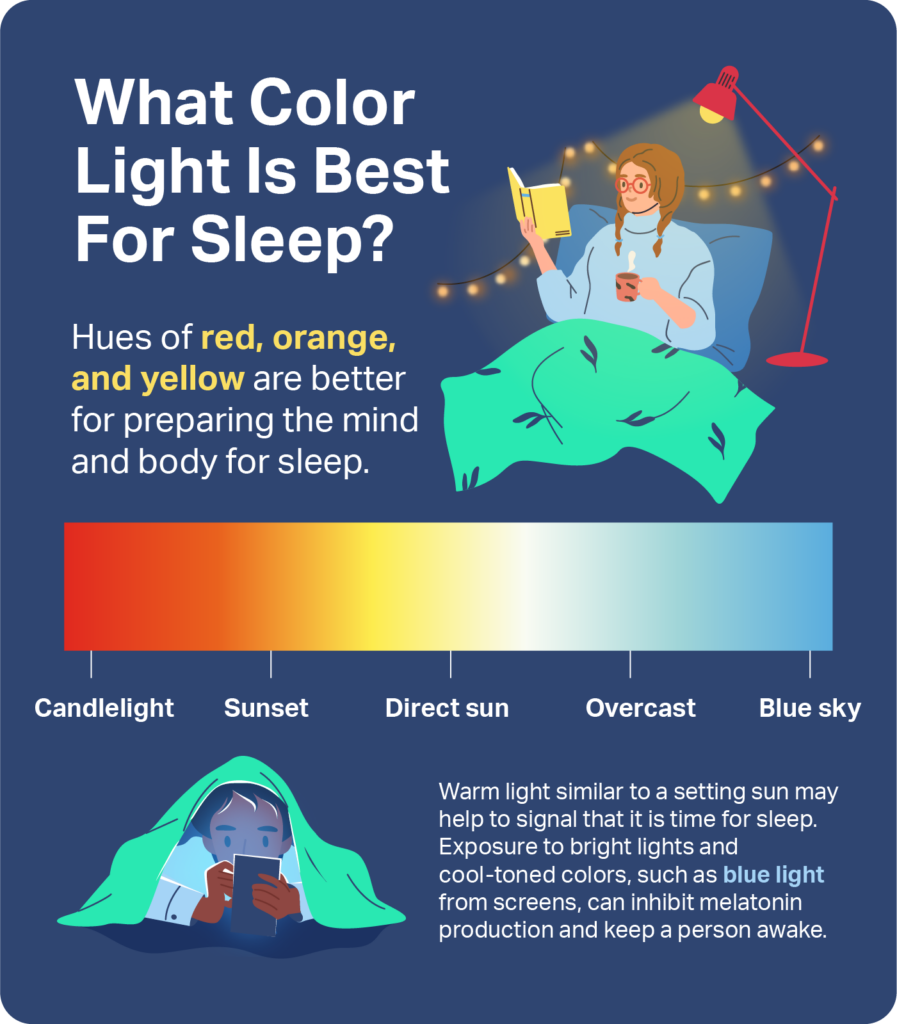
Pick LED lights with warm color tones for evening use. Warm light has less blue, which helps your brain prepare for sleep. Avoid cool or bright white lights before bedtime. Soft yellow or orange LED lights create a calm atmosphere. These colors signal your body to wind down.
Timing And Duration Of Led Exposure
Limit LED light exposure at least one hour before sleep. Too much light can disrupt your natural sleep cycle. Use dim lighting in the evening to relax your mind. Turn off bright LED lights during bedtime. This helps your body produce melatonin, the sleep hormone.
Using Night Mode And Filters
Many devices have night mode or blue light filters. Activate these settings in the evening to reduce blue light. This feature changes screen colors to warmer tones. It lowers eye strain and supports better sleep patterns. Use these filters on phones, tablets, and computers before bed.
Alternatives To Led Lights For Better Sleep
LED lights can affect sleep by emitting blue light that disrupts melatonin. Many people seek better options for nighttime lighting. Choosing the right light helps improve sleep quality. Several alternatives work well to create a calm sleep environment.
These options reduce blue light exposure and support the body’s natural rhythm. Using softer, warmer lights can make it easier to fall asleep. Natural light also plays a key role in regulating sleep patterns.
Incandescent And Warm Lighting Options
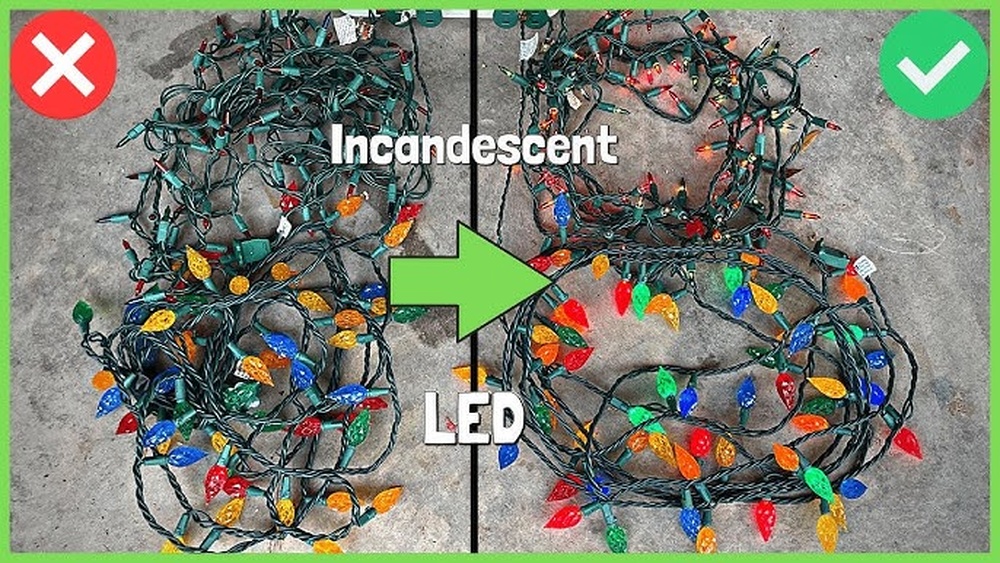
Incandescent bulbs emit a warm, yellowish light. This light is gentler on the eyes at night. It does not block melatonin production like blue light does. Warm LED bulbs also mimic this soft glow. These lights create a cozy and relaxing atmosphere. Using dimmable warm lights helps signal the body to prepare for sleep.
Natural Light And Sleep Patterns
Natural light controls the body’s internal clock. Exposure to sunlight during the day boosts alertness and mood. It also helps set a clear sleep-wake cycle. Spending time outside improves sleep quality at night. Limiting artificial light after sunset supports this natural rhythm. Using curtains that block light can also aid restful sleep.

Frequently Asked Questions
Are Led Lights Bad For Sleep Quality?
Yes, blue-rich LED lights can disrupt melatonin production. This delays sleep onset and reduces sleep quality. Using warm, dim LED lights helps minimize this effect.
How Do Led Lights Affect Melatonin Levels?
LED lights, especially blue wavelengths, suppress melatonin secretion. Melatonin regulates sleep-wake cycles. Reduced melatonin makes falling asleep harder and lowers sleep quality.
Can Warm Led Lights Improve Sleep?
Warm LED lights emit less blue light, aiding melatonin production. Using warm tones in the evening promotes relaxation and better sleep quality.
Should I Avoid Led Lights Before Bedtime?
Avoid bright, cool-toned LED lights 1-2 hours before sleep. This prevents melatonin suppression and supports natural sleep rhythms.
Conclusion
LED lights can affect your sleep in different ways. Some LED lights have blue tones that may make it hard to fall asleep. Choosing warm or dim LED lights can help your body relax at night. Try to limit bright LED exposure before bedtime.
Small changes in lighting can improve your sleep quality. Paying attention to light color and brightness matters. Sleep better by using the right LED lights in your home. Simple steps make a big difference for restful nights.




Leave a Reply