


Are you tired of high electricity bills and wondering if there’s a smarter way to light up your home? You might have heard that LED lights save money, but is that really true for your situation?
Understanding how much you can save with LED lights could change the way you think about lighting forever. Keep reading to find out if switching to LED lights will make your energy costs drop—and how soon you’ll start seeing the difference in your wallet.
Energy Consumption Comparison
Comparing energy use helps us see which light bulbs save more money. Different bulbs use different amounts of power. This affects your electricity bill and your home’s energy use. Understanding these differences is key to choosing the right bulb.
Let’s compare LED bulbs to other common types. This shows how much energy each uses and how bright they are.
Led Vs Incandescent Bulbs
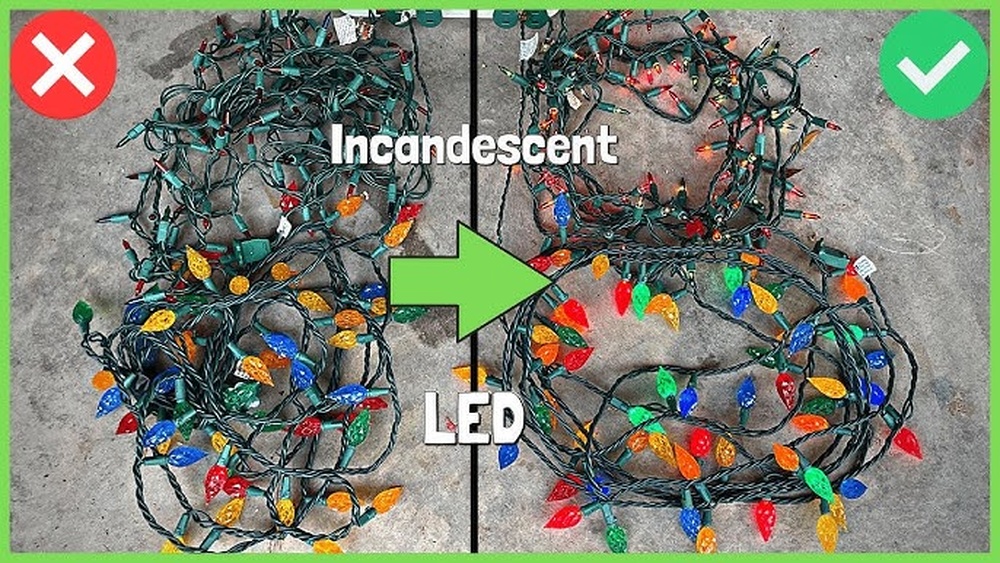
LED bulbs use about 75% less energy than incandescent bulbs. Incandescent bulbs waste a lot of energy as heat. LEDs convert most energy into light. This means LEDs cost less to run over time.
Led Vs Cfl Bulbs
LEDs use less energy than CFL bulbs too. CFLs use about 25% to 30% more power than LEDs for the same brightness. LEDs also last longer, which means fewer replacements and less waste.
Wattage And Brightness
Wattage shows how much power a bulb uses. Brightness is measured in lumens. LEDs provide more lumens per watt. For example, a 10-watt LED can match the brightness of a 60-watt incandescent bulb. This makes LEDs more efficient and cheaper to run.
Cost Analysis
Cost analysis helps us understand if LED lights save money over time. This section looks at the main expenses of using LED lights. We will discuss the price to buy them, the energy they use, and the cost to replace or fix them.
Initial Purchase Price
LED lights cost more upfront than traditional bulbs. The price varies by brand and style. Spending more at first can lead to lower costs later. Many find the initial price worth the long-term savings.
Long-term Energy Costs
LED lights use less electricity than other bulbs. They need about 75% less energy. This reduces monthly electric bills. Lower energy use also helps the environment. Over time, this saves a significant amount of money.
Replacement And Maintenance Expenses
LED lights last much longer than regular bulbs. They can work for 25,000 hours or more. This means fewer replacements and less hassle. Maintenance costs stay low since LEDs rarely fail. This adds to the overall savings of using LED lights.
Lifespan And Durability
LED lights stand out for their lifespan and durability. These factors play a big role in how much it costs to run lighting over time. Longer life means fewer replacements. Strong build means they work well in many places.
Average Lifespan Of Led Lights
LED bulbs last much longer than traditional bulbs. Most LED lights work for 25,000 to 50,000 hours. This equals several years of use. Traditional bulbs last only about 1,000 to 2,000 hours. This huge difference lowers running costs a lot.
Impact On Replacement Frequency
Longer lifespan means you replace bulbs less often. Fewer replacements save money on buying new bulbs. Also, less time is spent changing lights. This is useful in hard-to-reach places. Reduced replacement frequency makes LED lights cheaper to run.
Durability In Different Environments
LED lights handle rough conditions better than many bulbs. They resist shocks and vibrations well. LEDs work fine in cold and hot temperatures. This makes them good for indoor and outdoor use. Durable lights last longer and save more money.

Environmental Impact
LED lights have a significant effect on the environment. Their design and technology help reduce energy use and waste. This makes them a smarter choice compared to traditional lighting. Understanding their environmental impact helps us see why many prefer LED lights.
Energy Efficiency Benefits
LED lights use much less energy than old bulbs. They convert more electricity into light, wasting less power. This means less fuel is burned at power plants. Less fuel use means fewer harmful gases released into the air.
Reduction In Carbon Footprint
Using LED lights lowers carbon emissions. These lights need less electricity, so power plants produce less carbon dioxide. Over time, this adds up to a big drop in pollution. Choosing LED lights helps slow down climate change.
Disposal And Recycling
LED bulbs last longer, so fewer are thrown away. They do not contain harmful chemicals like mercury. This makes them safer to dispose of. Many LED parts can be recycled to save materials and reduce waste.
Factors Affecting Savings
Understanding the factors that affect savings from LED lights helps you make smart choices. Savings depend on how you use the lights, your electricity cost, and the quality of the LED bulbs. These points shape how much you save on your energy bills.
Usage Patterns
How often you use LED lights changes your savings. Using LEDs for many hours daily saves more money. Short or occasional use means smaller savings. LEDs shine best in places where lights stay on long.
Electricity Rates
Electricity cost impacts how much money LEDs save. Higher electricity rates make LED savings bigger. In areas with low rates, savings are less. Knowing your local electricity price helps estimate real savings.
Quality Of Led Products
Good quality LEDs last longer and use less power. Cheap LEDs may burn out fast and waste energy. Investing in trusted brands ensures better performance. Quality affects both savings and light comfort.

Real-world Examples
Real-world examples show how LED lights save money in daily use. These examples help understand the true cost benefits of switching to LED lighting. Savings appear in homes, businesses, and large projects.
Residential Savings
Many families lower their electric bills by using LED bulbs. LEDs use less power than old bulbs but give the same light. A typical home with 20 LED bulbs can save about 75% on lighting costs. These bulbs last longer, so homes also save on replacement costs. Simple switches to LED can cut monthly expenses noticeably.
Commercial Applications
Businesses save big by switching to LED lighting. Stores, offices, and factories use lights many hours each day. LEDs reduce energy use, cutting bills significantly. Lower heat from LEDs also cuts cooling costs. Some companies report savings up to 50% on lighting expenses after switching.
Case Studies
A school replaced all bulbs with LEDs and saved $1,000 monthly. A hotel cut lighting costs by 40% after installing LED fixtures. Another example is a warehouse that saw a 60% drop in energy bills. These cases prove LEDs are cheaper to run in many settings. Real numbers from real places make the benefits clear.
Frequently Asked Questions
Are Led Lights More Energy-efficient Than Traditional Bulbs?
Yes, LED lights use up to 80% less energy than incandescent bulbs. This efficiency lowers electricity bills and reduces environmental impact.
How Much Can I Save Using Led Lights Annually?
Switching to LEDs can save $30-$80 per year on electricity, depending on usage and local rates. Savings increase with longer use.
Do Led Lights Have A Longer Lifespan Than Other Bulbs?
LEDs last 15,000 to 50,000 hours, far longer than incandescent or CFL bulbs. This reduces replacement costs and waste.
Is The Initial Cost Of Led Lights Higher?
LED lights cost more upfront but save money over time due to lower energy use and longer life.
Conclusion
LED lights use less energy than traditional bulbs. They last longer, which saves money on replacements. Lower electricity bills add up over time. Though LED bulbs cost more upfront, they pay off fast. Choosing LED lights means spending less on power.
Bright, efficient, and durable—LEDs make sense for any home. Small changes like switching bulbs can lower your energy costs. LED lights offer a simple way to save money daily.




Leave a Reply