

Are you thinking about switching to LED lights but worried if they are really safe? You’re not alone.
Many people wonder if these bright, energy-saving bulbs could cause harm to their health or home. What if the very lights meant to brighten your space could also affect your well-being? You’ll discover the truth about LED lights—the risks, the benefits, and what you need to know before making the switch.
Keep reading to make sure your lighting choice is safe for you and your loved ones.
Health Effects Of Led Lights
LED lights are popular for their energy savings and long life. Many people wonder if they affect health. The health effects of LED lights depend on how they are used and their light quality. Understanding these effects helps to use LED lights safely.
This section explains key health concerns linked to LED lights. It focuses on blue light exposure, eye strain, and sleep impact. Each topic helps you know the risks and ways to reduce them.
Blue Light Exposure
LED lights emit a high amount of blue light. Blue light can cause damage to the eyes over time. It may increase the risk of eye diseases. Children and people who use screens a lot are more sensitive.
Limiting blue light exposure helps protect your eyes. Using warmer LED bulbs can reduce this risk.
Eye Strain And Fatigue
Bright LED lights can cause eye strain. Staring at LED screens for long hours worsens fatigue. Symptoms include dry eyes, headaches, and blurred vision.
Taking breaks and adjusting light brightness can ease discomfort. Proper lighting at work or home lowers eye strain.
Impact On Sleep Patterns
Blue light from LEDs can disturb sleep cycles. It stops melatonin, the sleep hormone, from working well. Using LED lights late at night may cause trouble falling asleep.
Switching to dim or red light in the evening helps maintain good sleep. Avoiding bright LEDs before bed improves rest quality.
Energy Efficiency And Environmental Impact
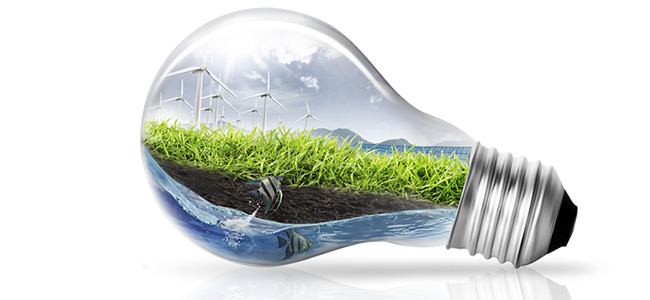
LED lights offer a smarter choice for saving energy and protecting the environment. They use less power and last longer than many traditional bulbs. This section explains how LED lights compare to older lighting options and their effects on the planet.
Comparison With Traditional Lighting
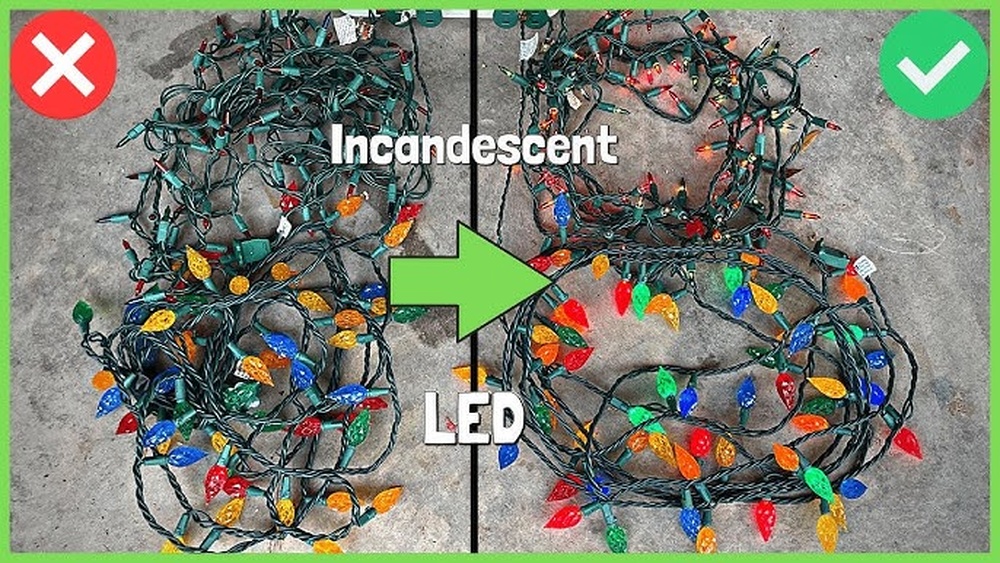
LED lights use up to 80% less energy than incandescent bulbs. They produce more light per watt of electricity. LED bulbs last about 25 times longer than traditional bulbs. This reduces the number of bulbs you need to buy and throw away. Less energy use means lower electric bills and less strain on power plants.
Reduction In Carbon Footprint
Using LED lights lowers carbon dioxide emissions. Power plants burn fewer fossil fuels to meet lower energy demand. This helps reduce pollution that harms the air and climate. Over time, widespread LED use can cut millions of tons of greenhouse gases. Small changes in lighting add up to big benefits for the Earth.
Recycling And Disposal Concerns
LED bulbs contain some metals and electronics that need careful disposal. They do not have mercury, unlike compact fluorescent lamps (CFLs). Recycling programs exist to handle LED waste safely. Proper recycling recovers valuable materials and keeps toxins out of landfills. Users should check local guidelines for LED bulb disposal.
Safety Standards And Regulations
LED lights have grown popular due to their energy efficiency and long life. Safety is a key concern for many buyers. Understanding safety standards and regulations helps ensure LED lights are safe to use in homes and businesses.
Manufacturers must follow strict rules to sell LED lights legally. These rules protect users from electric shocks, fire hazards, and harmful materials. Checking these standards can guide you to safe LED products.
Certification And Testing
LED lights must pass safety tests before hitting the market. These tests check electric safety, heat resistance, and material quality. Certifications like UL, CE, or RoHS show a product meets safety rules. Certified products reduce risks of accidents and failures.
Always look for certification marks on LED light packaging. These marks confirm the product has been tested by trusted labs. Testing ensures the light works safely under normal conditions.
Quality And Brand Reliability
Trusted brands focus on safety and quality. They use good materials and follow manufacturing standards. Cheap or unknown brands may skip safety checks to cut costs. This can lead to unsafe products that break or cause hazards.
Choosing reliable brands means better safety and longer-lasting lights. Quality LED lights also reduce energy waste and lower fire risks. Reading reviews and checking brand reputation helps find safe LED options.
Common Myths About Led Lights
LED lights are popular for many reasons. Still, some myths about their safety confuse people. These myths can stop people from using LED lights at home or work. Understanding the truth helps make smart choices about lighting.
Radiation Risks
Some believe LED lights emit harmful radiation. This is not true. LEDs produce very low electromagnetic fields. These fields are much weaker than those from phones or microwaves. Scientific studies show no health risk from LED radiation.
Effect On Mental Health
People worry that LED lights harm mental health. The concern is about blue light affecting sleep. Blue light can affect sleep if used late at night. Using warm or dimmed LED lights in the evening reduces this risk. Daytime use of LED lights does not harm mental health.
Durability And Lifespan
Some think LED lights break easily or have a short life. LED lights last much longer than traditional bulbs. They can work for tens of thousands of hours. LEDs are also more resistant to shock and vibration. Their durability saves money and reduces waste.
Tips For Safe Led Light Usage
Using LED lights safely means following some simple steps. These steps help protect your eyes and keep your home safe. LED lights save energy and last long, but safe use is important. The tips below guide you on choosing and using LED lights wisely.
Choosing The Right Color Temperature
Pick LED lights with a color temperature that suits your space. Warm white (2700K-3000K) creates a cozy feel. Cool white (4000K-5000K) works well for work areas. Avoid very bright blue-rich lights. They can strain your eyes and affect sleep.
Proper Installation Practices
Install LED lights carefully. Use fixtures made for LED bulbs. Avoid loose connections to prevent sparks or fire. Keep LED lights away from water unless rated for wet areas. Follow manufacturer instructions for safe setup.
Limiting Exposure Duration
Limit how long you stay under bright LED lights. Take breaks to reduce eye strain. Use dimmers or lower brightness when possible. Turn off lights when not needed. Balance light exposure for comfort and health.

Frequently Asked Questions
Are Led Lights Safe For Home Use?
Yes, LED lights are safe for home use. They emit low heat and contain no harmful chemicals. LEDs meet strict safety standards, making them ideal for residential lighting.
Do Led Lights Emit Harmful Radiation?
No, LED lights do not emit harmful radiation. They produce visible light without UV or infrared rays. This makes them safe for prolonged exposure and everyday use.
Can Led Lights Cause Eye Strain Or Damage?
LED lights can cause eye strain if too bright or flickering. However, quality LEDs with proper brightness and color temperature reduce eye discomfort significantly.
Are Led Lights Safe For Children And Pets?
Yes, LED lights are safe for children and pets. They stay cool to touch and contain no toxic substances, minimizing risks during accidental contact.
Conclusion
LED lights offer a safe and energy-efficient lighting option. They produce little heat and contain no harmful mercury. Using LED lights can reduce electricity bills and last much longer. Always buy from trusted brands to ensure quality and safety. Proper use and installation prevent any risks.
Choosing LEDs supports a brighter, safer home environment. Safe, simple, and smart—LED lights shine bright for everyone.


Leave a Reply