

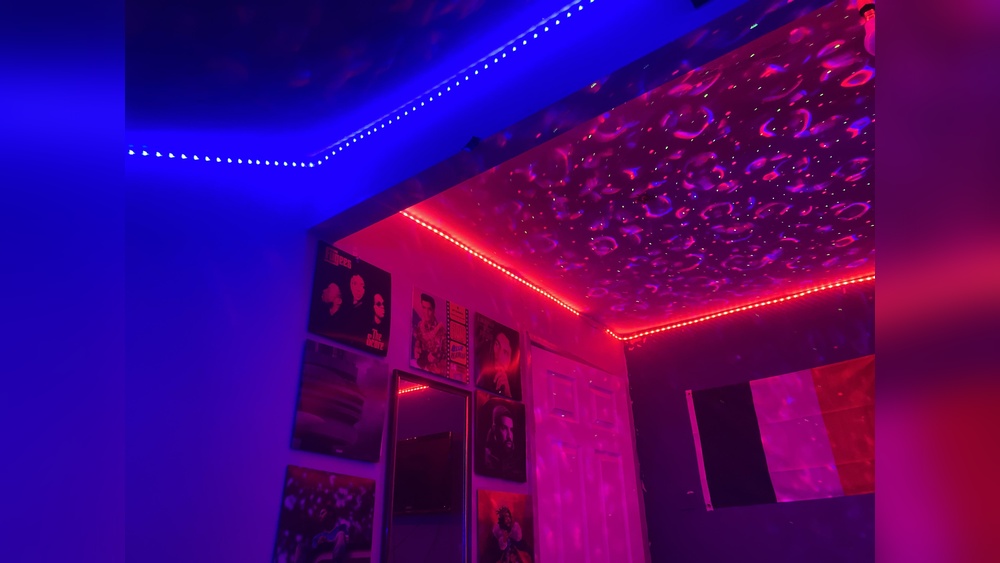
Are you wondering if it’s safe to cover your LED lights? Maybe you want to change the look of your room or protect the lights from dust.
Before you do, it’s important to know what happens when LED lights get covered. Could it cause problems or even damage? Keep reading to discover the surprising facts about covering LED lights and how you can do it safely without risking your lighting or your home.
Don’t make a move until you know the truth!
Risks Of Covering Led Lights
Covering LED lights might seem harmless, but it carries risks. LEDs generate some heat during use. Blocking this heat can cause problems. Understanding these risks helps keep your home safe and your lights working well.
Heat Buildup Concerns
LED lights need space to release heat. Covering them traps heat inside. This can raise the temperature around the light. Excess heat may damage the LED and shorten its lifespan. Overheating also affects nearby materials.
Fire Hazards
Trapped heat can cause surfaces to get very hot. Some materials can catch fire if they get too warm. Covering LED lights increases this danger. The risk grows with fabrics or paper near the light. Fire safety must always come first.
Reduced Light Efficiency
Covering LEDs blocks the light output. Less light reaches the room or workspace. This reduces brightness and effectiveness. It also wastes energy, as the light cannot shine properly. Clear, uncovered LEDs work best.
Types Of Covers For Led Lights
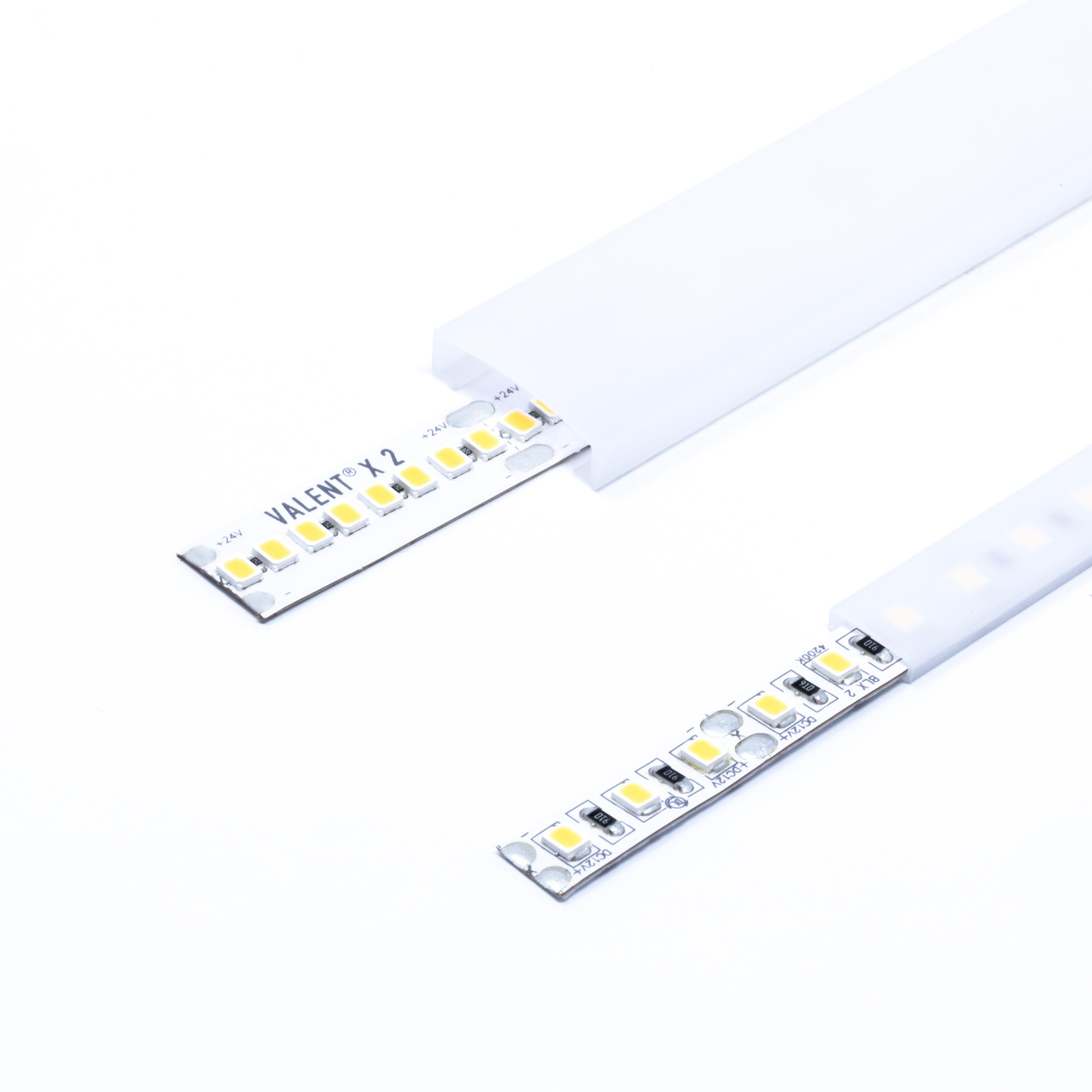
LED lights often need covers for safety and style. Covers protect the lights and change how they look. Different materials work well as covers. Some are store-bought, and some people make their own. Each type has its own benefits and risks. Knowing the types helps you choose the right cover for your LED lights.
Plastic And Glass Covers
Plastic and glass covers are common for LED lights. They are hard and protect the light from dust and damage. Plastic covers are light and less likely to break. Glass covers look clear and stylish but can break easily. Both types handle heat well, making them safe to use with LED lights.
Fabric And Paper Covers
Fabric and paper covers offer a soft, warm glow. They are lightweight and easy to shape. These covers can block some light, giving a cozy feel. They may not handle heat as well as plastic or glass. Use them carefully to avoid fire risks. Thin fabrics and papers work best with low-heat LEDs.
Diy Covers
DIY covers let you customize your LED lights. People use materials like jars, bottles, or even old lampshades. This type is fun and creative but needs care. Make sure the material does not trap too much heat. Test your cover for safety before regular use. DIY covers give unique looks but require extra caution.
Material Safety For Covering Leds
Covering LED lights requires careful choice of materials. The wrong material can cause heat buildup or fire risks. Picking safe materials helps keep your lights working well and prevents damage. Understanding the best material types ensures safety and efficiency.
Heat-resistant Options
LED lights produce some heat, though less than other bulbs. Materials that resist heat avoid melting or warping. Silicone and glass covers handle warmth without damage. These options protect LEDs and keep them cool.
Non-flammable Materials
Non-flammable covers reduce fire risks around LEDs. Look for fabrics or plastics labeled as fire-retardant. These materials do not catch fire easily. They add a strong layer of safety for indoor and outdoor use.
Breathable Covers
Breathable materials allow heat to escape from LEDs. Mesh or perforated fabrics help air flow freely. This lowers temperature and prevents overheating. Breathable covers keep lights safe and last longer.
Best Practices For Safe Led Coverage
Covering LED lights can change how they work and how hot they get. Following safety steps helps keep LEDs safe and long-lasting. Proper care lowers risks like overheating or damage. Use simple methods to protect your lights and home.
Maintaining Ventilation
Good airflow stops LED lights from getting too hot. Avoid tight covers that trap heat. Use covers made of breathable materials. Leave space around lights for air to move freely. Heat can reduce LED life and cause safety issues.
Checking Manufacturer Guidelines
Read the instructions from the LED maker before covering lights. Some LEDs are not made to be covered. Guidelines tell you what materials and methods are safe. Following these rules prevents voiding warranties and safety problems.
Regular Inspection And Maintenance
Look at your covered LED lights often. Check for signs of heat damage or wear. Clean dust and dirt from covers and vents. Fix or replace covers if damaged. Regular care keeps your lights working well and safe.
Alternatives To Covering Led Lights
Covering LED lights can cause heat build-up and reduce their lifespan. Instead of covering, consider safer alternatives that control brightness and protect your eyes. These methods keep your LED lights safe and effective.
Using Diffusers
Diffusers spread light evenly. They soften harsh light and reduce glare. You can find diffusers made of plastic or glass. These fit over LED lights without trapping heat. Diffusers create a warm and gentle light effect.
Adjusting Light Placement
Changing the position of your LED lights helps control brightness. Move lights further from work areas or seating. Direct light away from your eyes. Placing lights on walls or ceilings reduces harshness. This simple step improves comfort without covering the lights.
Choosing Suitable Led Fixtures
Pick LED fixtures designed for your space. Some have built-in covers or diffusers. Look for fixtures with low glare and soft light. Fixtures with adjustable brightness offer more control. Selecting the right fixture avoids the need to cover LEDs.
Frequently Asked Questions
Can Led Lights Be Safely Covered?
Yes, LED lights can be safely covered if the covering material allows heat dissipation. Avoid airtight or heat-trapping covers to prevent overheating and damage.
Does Covering Led Lights Affect Their Lifespan?
Covering LED lights with breathable materials usually does not shorten their lifespan. However, improper covering that traps heat can reduce LED longevity.
What Materials Are Safe To Cover Led Lights?
Use heat-resistant, breathable materials like fabric or perforated covers. Avoid plastic or heavy materials that trap heat and cause overheating.
Will Covering Led Lights Cause Fire Hazards?
Properly covered LEDs pose minimal fire risk due to low heat emission. Still, avoid non-breathable covers that can cause heat buildup and potential hazards.
Conclusion
Covering LED lights can be safe if done correctly. Use materials that do not trap heat or block airflow. Avoid fabrics or plastics that may melt or catch fire. Always check the LED’s heat rating before covering. Proper care helps prevent damage and keeps lights working well.
Remember, safety comes first with all electrical devices. Simple steps can protect your home and your lights. Stay cautious and enjoy your LED lighting safely.



Leave a Reply