

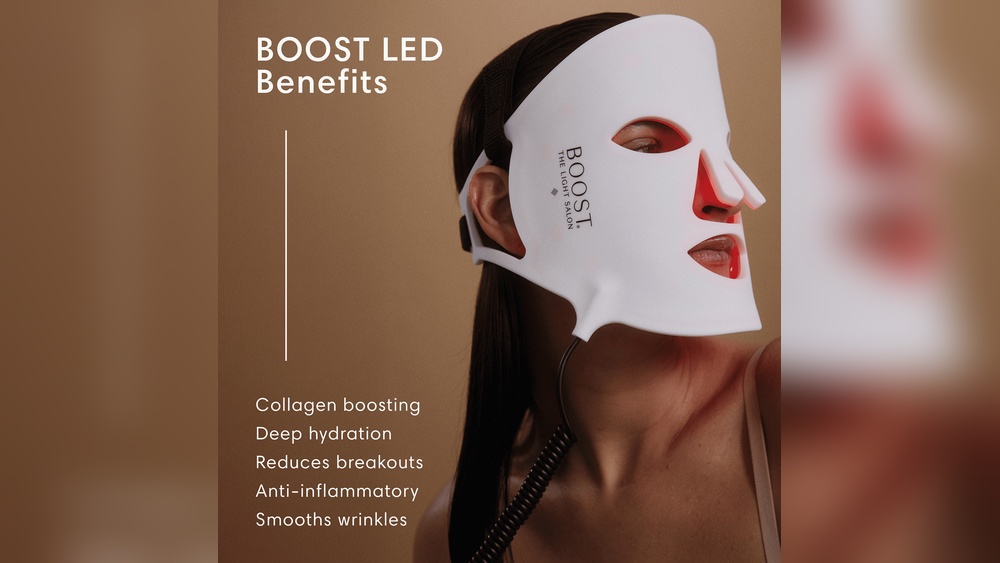
Are you looking to increase LED light brightness without wasting energy or money? You’re in the right place.
Imagine your space glowing with clear, vibrant light that makes everything look better and feels more inviting. Whether it’s for your home, office, or outdoor area, boosting your LED light can transform the way you see and use your environment.
Keep reading, and you’ll discover simple, effective tips that anyone can apply to get the most out of their LED lights—starting now.
Benefits Of Increasing Led Brightness
Increasing LED brightness offers many benefits for homes and businesses. Brighter lights improve how well you see and help keep spaces safe. They also make areas look nicer and more inviting. Using brighter LEDs can save energy and reduce electricity costs over time. Understanding these benefits helps you decide the best lighting setup.
Enhanced Visibility And Safety
Brighter LEDs make it easier to see details in dark areas. This reduces accidents and improves safety indoors and outdoors. Clear lighting helps people move around without tripping or bumping into objects. Bright lights also deter crime by increasing visibility in public places.
Improved Aesthetic Appeal
Increasing LED brightness highlights colors and shapes better. Rooms look cleaner and more welcoming with clear, bright light. Bright LEDs can emphasize architectural features and decor. This creates a fresh and lively atmosphere for any space.
Energy Savings And Cost Efficiency
Bright LEDs use less power than older lighting types. They produce more light with less energy. This lowers electricity bills and reduces the need for frequent bulb changes. Over time, brighter LEDs save money while providing better lighting quality.

Choosing The Right Led Lights
Choosing the right LED lights improves your space’s look and saves energy. It is important to pick lights that fit your needs. Different types and features affect how the light works and feels. This guide helps you understand key points about LED lights.
Types Of Led Bulbs
LED bulbs come in many shapes and sizes. Common types include standard bulbs, spotlights, and tubes. Standard bulbs fit most lamps and fixtures. Spotlights are good for focused lighting. Tubes work well in offices and kitchens. Each type has specific uses and brightness levels.
Brightness Ratings And Measurements
Brightness in LED lights is measured in lumens. Higher lumens mean brighter light. Wattage shows energy use, not brightness. Choose lumens based on the room size and purpose. For example, a living room needs fewer lumens than a workspace. Check the packaging for lumen numbers before buying.
Color Temperature And Its Impact
Color temperature shows the light’s color tone. It is measured in Kelvins (K). Lower Kelvins (2700K) give warm, yellow light. Higher Kelvins (5000K) produce cool, white light. Warm light creates a cozy feeling. Cool light helps with focus and alertness. Pick color temperature to match your room’s mood.
Techniques To Boost Led Brightness
Boosting LED brightness can improve lighting quality in any space. Simple techniques can make your LED lights shine brighter and clearer. These methods enhance light output without extra power use. Explore practical ways to increase the brightness of your LED setup.
Upgrading To Higher Lumen Leds
Choose LEDs with higher lumens for more brightness. Lumens measure the light output of a bulb. Higher lumens mean stronger, brighter light. Replace old LEDs with new, high-lumen models. This change improves brightness without changing fixtures.
Using Reflectors And Diffusers
Reflectors direct light to desired areas, increasing brightness. They bounce light, reducing wasted illumination. Diffusers spread light evenly, softening harsh shadows. Using both can balance brightness and comfort. Proper use makes rooms appear brighter and more welcoming.
Optimizing Fixture Placement
Place fixtures where light is most needed. Avoid blocking light with furniture or objects. Higher placement spreads light wider and brighter. Experiment with angles to reduce dark spots. Good placement boosts brightness without extra bulbs.

Energy-saving Tips For Led Lighting
LED lighting already uses less energy than traditional bulbs. Still, small changes can save even more electricity. Saving energy means lower bills and less harm to the environment. This section shares simple tips to get the most from your LED lights.
Implementing Dimmer Switches
Dimmer switches let you adjust light brightness. Lower brightness uses less energy. You can create a cozy mood while saving power. Not all LED bulbs work with dimmers. Check compatibility before buying. Using dimmers extends bulb life too.
Using Motion Sensors And Timers
Motion sensors turn lights on only when needed. They switch off lights in empty rooms automatically. Timers help control light schedules without effort. Set timers for outdoor and indoor lights. These tools prevent wasting energy on unused lights.
Regular Maintenance And Cleaning
Dust and dirt reduce LED brightness. Clean bulbs and fixtures often for better light output. Bright lights mean less need for extra lamps. Check for loose connections to avoid energy loss. Well-maintained lights perform efficiently and last longer.
Common Mistakes To Avoid
Increasing LED light output can improve brightness and efficiency. Many try to do this but make simple mistakes. These errors reduce performance and can damage the system. Avoiding common mistakes helps you get the best results. Focus on proper setup and safe use.
Overloading Fixtures
Overloading LED fixtures causes overheating and early failure. Each fixture has a maximum power limit. Exceeding this limit stresses the LEDs and drivers. Use fixtures within their rated capacity for safety and long life.
Ignoring Heat Management
LEDs produce heat during operation. Poor heat management lowers brightness and shortens lifespan. Use heat sinks or cooling fans to keep LEDs cool. Proper ventilation is essential to prevent damage.
Choosing Incompatible Components
Mixing different brands or types of LEDs and drivers causes issues. Components must match in voltage and current ratings. Incompatible parts reduce efficiency and may cause flickering or failure. Check specifications carefully before buying.
Future Trends In Led Lighting
The future of LED lighting is bright and full of innovation. New trends promise better performance, smarter control, and greener solutions. These changes will shape how we use light in homes, offices, and cities. Let’s explore key trends that will drive the LED lighting industry forward.
Smart Led Systems
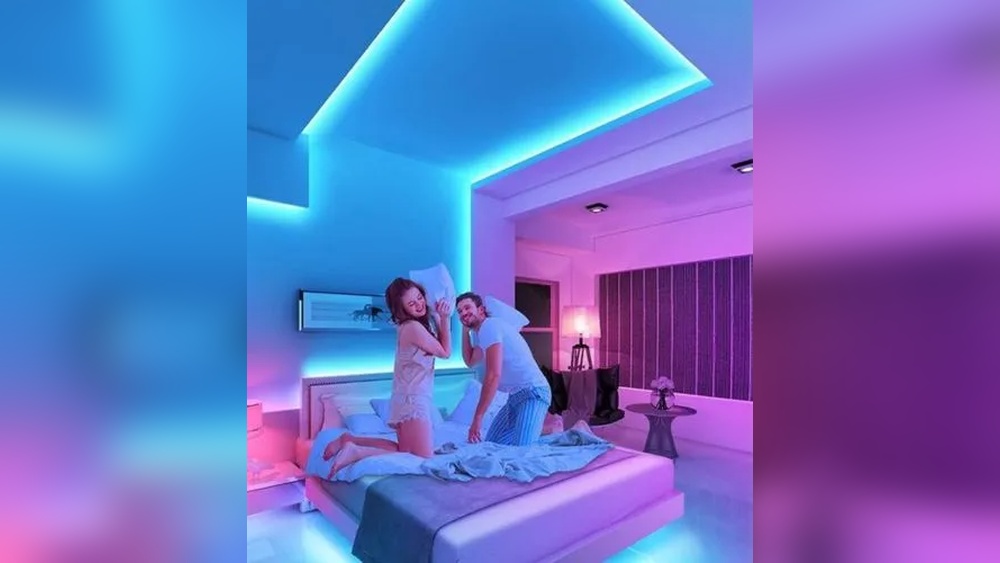
Smart LED systems allow users to control lights remotely. They connect to apps and voice assistants. This makes lighting more flexible and convenient. Lights can change color, brightness, and timing automatically. Smart LEDs improve energy savings by adapting to real-time needs.
Advancements In Led Efficiency
LED technology keeps improving in efficiency. New materials and designs produce more light with less power. This reduces electricity use and costs. Higher efficiency means longer-lasting lights that need fewer replacements. These improvements benefit homes and businesses alike.
Sustainable Lighting Solutions
Sustainability is a key focus in LED development. Manufacturers use eco-friendly materials and recycling programs. LEDs consume less energy, cutting carbon emissions. Solar-powered LED systems are gaining popularity for off-grid use. Sustainable lighting supports a cleaner and greener planet.

Frequently Asked Questions
How Can I Increase Led Light Brightness Effectively?
To increase LED light brightness, use higher lumen LED bulbs or improve power supply quality. Clean fixtures regularly for better light output. Adjust LED placement to reduce shadows and use reflective surfaces to enhance brightness.
What Factors Affect Led Light Intensity The Most?
LED light intensity depends on bulb quality, wattage, and driver efficiency. Ambient temperature and voltage stability also impact brightness. Proper heat dissipation ensures consistent light output and longer LED lifespan.
Are Dimmers Useful For Increasing Led Light Control?
Yes, dimmers help control LED light intensity smoothly. Use compatible LED dimmers to avoid flickering. Dimming extends LED lifespan and saves energy while allowing customized brightness levels.
How Does Led Placement Influence Overall Illumination?
Proper LED placement ensures even light distribution and reduces dark spots. Position LEDs strategically for task lighting or ambient effects. Reflective backgrounds boost illumination by directing more light where needed.
Conclusion
Increasing LED light efficiency helps save energy and cuts costs. Small changes in setup can boost brightness and lifespan. Choose the right bulbs and fixtures to get the best results. Regular maintenance keeps your lights working well longer. Simple steps make a big difference in lighting quality.
Bright, efficient LEDs improve any space’s comfort and appearance. Start applying these tips today to enjoy better lighting tomorrow.

Leave a Reply