LED LIGHTING

world's #1 led lighting review site

How to upgrade traditional lighting to LED panel lights?

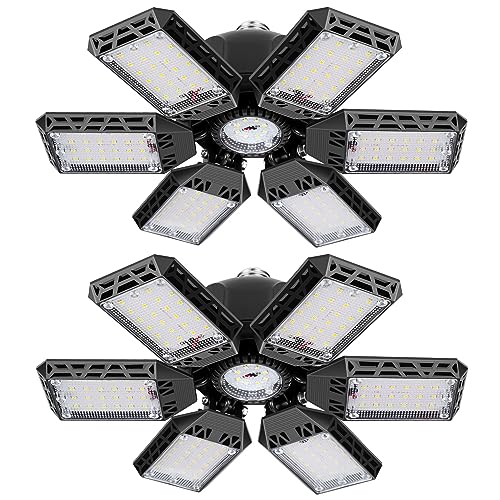
2-Pack 160W LED Garage Light with 6+1 Multi-Position Panels - 16000LM 6500K E26/E27 Deformable LED Ceiling Lights, Easy-Installation LED Lights, Workshop,Basement Bay

Upgrading traditional lighting to LED panel lights is a simple and rewarding process. First, gather all the necessary tools and equipment, such as LED panel lights, a screwdriver, and wire connectors. Next, turn off the power supply to the existing lighting fixture and remove the old fixture carefully. Now, it’s time to install the LED panel lights by following the manufacturer’s instructions. Connect the wires securely and make sure everything is properly insulated. Finally, turn the power back on and enjoy the energy-efficient and long-lasting illumination of your new LED panel lights. By upgrading to LED lighting, you not only save money on your energy bills but also contribute to a greener environment. It’s a win-win situation!

Top-selling LED panel lights for any space

[content-egg-block modules=AmazonNoApi template=offers_grid cols=3 groups=”SectionIntro”]

How to Easily Upgrade Your Old Ceiling Light to Recessed LED

[content-egg module=Youtube template=responsive_embed hide=title,description limit=1]

1

Assess your lighting needs

To assess your lighting needs before starting the upgrade process, follow these steps:

  1. Measure the size of the area: Begin by determining the dimensions of the space where you plan to install the LED panel lights. Use a measuring tape to measure the length and width of the area. This will help you calculate the total square footage of the space.
  2. Determine the desired brightness level: Think about the level of brightness you want to achieve in the area. Consider the activities that will take place there and whether you require task lighting or ambient lighting. This will help you choose LED panel lights with the appropriate lumen output.
  3. Consider the purpose of the lighting: Determine the purpose of the lighting in the area. Are you looking to create a comfortable and relaxing atmosphere? Or do you need bright and focused lighting for specific tasks? Understanding the purpose of the lighting will help you select LED panel lights with the right color temperature and beam angle.
  4. Calculate the number and size of LED panel lights: Once you have gathered all the necessary information, you can use it to calculate the number and size of LED panel lights required for the upgrade. Consider the wattage and coverage area of each LED panel light to ensure you have sufficient lighting for the space.

By assessing your lighting needs before starting the upgrade process, you can make informed decisions and select the most suitable LED panel lights for your specific requirements.

[content-egg-block modules=AmazonNoApi template=offers_grid cols=3 groups=”Step1″]

2

Choose the right LED panel lights

Researching different LED panel lights available in the market is an essential step in selecting the right one for your needs. Start by comparing lights based on specific requirements such as brightness, color temperature, and energy efficiency. Consider the level of brightness you desire for your space, as well as the color temperature that best suits your desired ambiance. Energy efficiency is also crucial to ensure long-term savings on your electricity bills.

Next, take into account factors like the warranty period and the reputation of the manufacturer. A longer warranty period indicates the manufacturer’s confidence in their product’s quality and durability. Additionally, it is advisable to choose LED panel lights from reputable manufacturers known for their reliability and customer satisfaction. By conducting thorough research and considering these different aspects, you can confidently select the perfect LED panel lights for your upgrade.

[content-egg-block modules=AmazonNoApi template=offers_grid cols=3 groups=”Step2″]

3

Prepare the installation area

To prepare the installation area for LED panel lights, start by ensuring that the space is clean and free from any obstructions. Clear away any debris, dust, or obstacles that could hinder the installation process. This will provide a clean and safe working environment for the task at hand.

Next, remove the existing lighting fixtures that are currently in place. Carefully disconnect them from their power source and take them down from the ceiling or wall. This step is important as it ensures that there won’t be any interference from the previous lighting system and allows for a seamless installation of the LED panel lights.

While removing the existing fixtures, also take the opportunity to check the electrical connections. Inspect the wires and terminals to ensure they are in good condition and free from any damage or corrosion. Tighten any loose connections and replace any faulty components if necessary. This step is crucial as it guarantees the safety and functionality of the LED panel lights once they are installed.

Remember, a clean and unobstructed installation area, along with proper inspection of the electrical connections, will set the stage for a successful and trouble-free installation of your LED panel lights.

[content-egg-block modules=AmazonNoApi template=offers_grid cols=3 groups=”Step3″]

4

Install the LED panel lights

Follow the manufacturer’s instructions for installing the LED panel lights: Start by carefully reading the installation manual provided by the manufacturer. The manual will provide you with specific steps and safety guidelines that are essential for a successful installation. Make sure to adhere to these instructions throughout the process to avoid any issues or damage to the LED panel lights.

Connect the lights to the electrical wiring and secure them in place: Begin by turning off the power supply to the area where the lights will be installed. This is crucial for your safety. Next, remove the existing lighting fixture and disconnect any electrical connections. Connect the LED panel lights to the electrical wiring according to the manufacturer’s instructions, making sure to securely fasten the connections. Use wire nuts or other recommended connectors to ensure a reliable and stable connection.

Ensure that the lights are properly aligned and evenly distributed: After connecting the LED panel lights, carefully position them in the desired location. Double-check that they are aligned correctly and evenly distributed to achieve uniform lighting throughout the room. Use a level or measure the distances between lights to ensure accuracy. Take your time to make any necessary adjustments before proceeding to the next step.

Take necessary precautions to avoid any electrical hazards: Throughout the installation process, always prioritize safety. Handle electrical connections with caution, avoiding contact with live wires. If you are uncertain about any aspect of the installation, it is advisable to consult a professional electrician. Remember to wear protective gear, such as gloves and safety goggles, to minimize any potential risks.

By following these steps and paying attention to the manufacturer’s instructions, you will be on your way to successfully installing your LED panel lights. Happy lighting!

[content-egg-block modules=AmazonNoApi template=offers_grid cols=3 groups=”Step4″]

5

Test and adjust the lighting

  1. Test the LED panel lights: Once you have installed the LED panel lights, it’s important to test them to ensure they are functioning correctly. Turn on the lights and observe if all the panels are illuminated evenly and brightly. Check for any flickering or uneven light distribution, as these can indicate a faulty installation or defective panels. If you notice any issues, troubleshoot them before proceeding.
  2. Make necessary adjustments: After the initial testing, you may find that the brightness or color temperature settings need adjusting to achieve your desired lighting effect. To do this, locate the control or adjustment buttons on the LED panel lights. These buttons are usually located on the side or underside of the fixture. Experiment with different settings to find the brightness level and color temperature that suits your needs.

Remember to refer to the user manual for specific instructions on adjusting these settings, as different manufacturers may use different methods. Once you have made the necessary adjustments, take a step back and evaluate the lighting effect. Ensure that the color temperature and brightness blend well with the room decor and ambiance. Fine-tuning the lighting can greatly improve the overall aesthetic appeal and functionality of your LED panel lights, while also optimizing energy usage.

Light the way with LED

To sum it up, upgrading to LED panel lights is not only a smart financial decision but also a sustainable choice for the environment. By following the steps outlined in this blog post, you can easily and effectively upgrade your traditional lighting system. So why wait? Start enjoying the cost savings and energy efficiency of LED panel lights today.

Essential Equipment

  • LED panel lights
  • Mounting brackets or clips
  • Screws or anchors
  • Screwdriver or drill
  • Wire connectors or wire nuts
  • Wire stripper or pliers
  • Voltage tester or multimeter
  • Ladder or step stool
  • Safety goggles or glasses
  • Gloves

[content-egg-block modules=AmazonNoApi template=offers_list groups=”Materials”]

Efficient LED Upgrades

  • Assess your lighting needs: Before upgrading to LED panel lights, evaluate the specific areas or rooms where you want to make the switch. Consider factors such as the size of the space, required brightness, and the type of activities conducted in that area
  • Measure the existing fixtures: Take measurements of your current lighting fixtures to ensure that they are compatible with LED panel lights. Consider the dimensions, mounting options, and wiring requirements before purchasing your new lights
  • Research and select the right LED panel lights: With a wide variety of LED panel lights available, it’s essential to choose ones that meet your specific requirements. Look for lights with the appropriate size, color temperature, and lumen output for your application
  • Consider the installation process: LED panel lights come in different installation types, such as surface mount, recessed, or suspended. Determine the most suitable installation method based on your existing infrastructure and aesthetic preferences
  • Check for any additional accessories or modifications: Depending on your existing lighting setup, you may need additional accessories or modifications to install the LED panel lights properly. Check if any brackets, drivers, or connectors are required for your specific installation
  • Decide on dimming options: If you desire dimmability for your LED panel lights, ensure that your existing electrical infrastructure supports this feature. Select compatible dimmer switches or LED drivers if necessary
  • Prepare for the installation: Before installing the LED panel lights, ensure that you have turned off the power supply to the existing fixtures. Double-check the wiring connections and ensure they are secure
  • Remove the old fixtures: Carefully remove the old lighting fixtures, ensuring that any electrical connections are disconnected safely. Dispose of the old fixtures responsibly according to local regulations
  • Install the LED panel lights: Follow the manufacturer’s instructions for installing the LED panel lights. Make sure to secure them properly and test their functionality before completing the installation
  • Enjoy the benefits of LED lighting: Once your LED panel lights are successfully installed, enjoy the numerous benefits they offer such as energy savings, longer lifespan, improved light quality, and reduced maintenance costs

Step-by-step guide to using LED panel lights effectively

  • Choose the right location: Find a suitable place in your home or office where you want to install your LED panel lights. Ensure that there is enough space and proper ventilation to mount the lights
  • Install the lights properly: Follow the installation instructions provided with your LED panel lights. Typically, they can be installed on ceilings or walls. Make sure to use the appropriate mounting brackets or frames if required
  • Connect to a power source: LED panel lights need to be connected to an electrical power source. If you are not comfortable with electrical work, it is recommended to hire a professional electrician to ensure safe and accurate installation
  • Adjust the light settings: Once your LED panel lights are installed, you can adjust their settings according to your preferences. Many LED panel lights come with adjustable brightness levels and color temperatures, allowing you to create the perfect lighting ambiance for your space
  • Maintain and clean regularly: LED panel lights are relatively low maintenance, but it’s important to keep them clean to ensure optimal performance. Use a soft cloth dampened with water or a mild cleaning solution to gently wipe the surface of the lights, avoiding harsh chemicals that may damage the panels
  • Remember, if you have any doubts or concerns, it’s always best to consult the manufacturer’s guidelines or seek professional assistance. Enjoy your new LED panel lights and the energy-efficient lighting they provide!
47 comments
Blitz

Thank you for sharing your experience! Hiring a professional electrician is definitely a great idea to ensure the best outcome for your lighting upgrade. It’s always good to have an expert’s opinion when it comes to electrical installations.

Ace

I found this guide really helpful, but I had to make some adjustments to fit my specific needs. Instead of assessing my lighting needs myself, I hired a professional electrician to do it for me. It gave me peace of mind knowing that an expert was ensuring I got the right LED panel lights for my space. Just wanted to share this alternative approach!

Squiggles

I followed this guide step by step, but I’m having some issues with the lighting. The LED panel lights are not as bright as I expected them to be. Is there something I could have done wrong during the installation process? Any troubleshooting tips would be greatly appreciated.

    leds.to

    I’m sorry to hear that you’re experiencing issues with the brightness of your LED panel lights. There could be a few reasons for this, such as incorrect wiring or a faulty fixture. I would recommend double-checking the wiring connections and making sure everything is properly secured. If the issue persists, it might be best to consult with a professional electrician who can troubleshoot the problem in person. They will be able to provide more specific guidance based on your situation. I hope this helps!

Seraphina

This guide was great, but I wish there was a section on energy savings and cost benefits of switching to LED panel lights. It would be helpful to have some information on how much money I can save in the long run by making this upgrade. Maybe you could cover this topic in a future article?

    leds.to

    Thank you for your suggestion! I completely agree that it would be beneficial to include information on energy savings and cost benefits. I will definitely consider covering this topic in a future article. Stay tuned!

Pippa

One tip I would add is to consider dimmable LED panel lights if you want more control over the lighting intensity. I find it useful to be able to adjust the brightness depending on the time of day or the mood I want to create in a room. It’s a small extra cost, but I think it’s worth it.

    leds.to

    That’s a fantastic suggestion! Thank you for sharing this tip. Dimmable LED panel lights can indeed provide more flexibility in terms of lighting intensity and ambiance. It’s definitely worth considering for those who value adjustable lighting options. I appreciate your input!

Zigzag

I respectfully disagree with step 4. Instead of installing the LED panel lights myself, I prefer to hire a professional to do it. Electrical work can be tricky and I don’t want to risk any safety issues. I think it’s important to emphasize the option of hiring an electrician for this step.

    leds.to

    Thank you for sharing your perspective. You bring up a valid point about the importance of safety when it comes to electrical work. While some people may feel comfortable installing LED panel lights themselves, hiring a professional electrician is definitely a wise choice for those who prefer to prioritize safety. I will update the guide to emphasize this option. Thank you for your feedback!

Sean

LED lights are overrated! Stick to traditional lighting for a warm and cozy vibe.

Kartier

LED panel lights are overrated. Traditional lighting is the way to go!

Alexa

I think LED lights are overrated. Give me the warm glow of incandescent any day!

Paul Zimmerman

LED lights are overrated! Stick to traditional lighting for a cozy vibe.

Kayce Dougherty

LED lights are overrated! Stick to traditional lighting for a cozy vibe.

Blaze

I recently upgraded my traditional lighting to LED panel lights following this guide, and I’m thrilled with the results! The new lights are much brighter and more energy-efficient. It was a straightforward process, thanks to the clear instructions in this guide. Highly recommend!

    leds.to

    Thank you for sharing your success story! We’re delighted to hear that you had a positive experience and are enjoying the benefits of LED panel lights. Your recommendation means a lot to us. If you have any further questions or need assistance, feel free to reach out. Enjoy your upgraded lighting!

Eliana Wiggins

I dont buy the hype around LED panel lights. Traditional lighting is underrated!

Evelynn

LED panel lights are overrated! Stick to traditional lighting for a cozier vibe.

Jonas

I think LED lights are overrated! Traditional lighting has its charm and warmth.

Nimble-fins

In step 2, when choosing the right LED panel lights, it would be helpful to have some guidance on selecting the appropriate color temperature. Different rooms may require different color temperatures to create the desired atmosphere. Maybe you could include a section about this in future articles?

    leds.to

    Thank you for your suggestion! You’re absolutely right that color temperature plays a significant role in creating the desired atmosphere in different rooms. I will certainly consider including a section on this topic in future articles to provide readers with guidance on selecting the appropriate color temperature for their specific needs. Thank you for your valuable input!

Titan

LED panel lights are overrated, traditional lighting is still the way to go!

Cannon

LED panel lights are the future of lighting. Upgrade now for a brighter tomorrow!

Iyla Rocha

LED panel lights are the future, but are they really worth the upgrade cost?

Rodrigo

LED panel lights are a waste of money, stick to traditional lighting!

Scottie Rivas

LED panel lights are overrated! Stick to traditional lighting for a cozy vibe.

Sara

LED panel lights are overrated! Stick to traditional lighting for a cozy vibe.

Keaton Gonzales

LED panel lights are overrated! Stick to traditional lighting for a cozy vibe.

Xavier

LED lights are overrated! Traditional lighting adds character and warmth to a space.

Jace Valentine

LED lights are overrated! Traditional lighting gives a cozy vibe. Whos with me?

Spencer

LED lights are overrated! Stick with traditional lighting for a cozy vibe.

Thea Evans

LED lights are overrated! Lets bring back the cozy glow of traditional lighting.

Ermias Spence

While the article does a commendable job explaining how to upgrade to LED panel lights, it doesnt address the disposal of the old traditional lights. Its crucial to dispose of them in an environmentally friendly way to avoid contributing to electronic waste. Can anyone share some practical tips on this?

Raelyn Carey

Just read the article about upgrading to LED panel lights and it got me thinking, are there any specific tools needed for this process? And while were on this, does anyone know if these top-selling LED panel lights are actually energy-efficient or is it just marketing gimmick?

Everleigh

I personally think upgrading to LED panel lights is a no-brainer. Not only are they energy-efficient and cost-effective, but they also provide better lighting quality. Who wouldnt want that upgrade?

Maryam Solomon

I think upgrading to LED panel lights is a no-brainer! Its energy-efficient, long-lasting, and can totally change the vibe of a room. Plus, who doesnt love a good lighting upgrade?

Chosen

I personally think upgrading to LED panel lights is a game-changer! But do you think its worth the cost upfront? Im all for energy efficiency, but sometimes the initial investment can be a bit steep. Whats your take on this?

Aubrie Horton

Im not convinced that upgrading to LED panel lights is really worth the investment. I feel like traditional lighting still does the job just fine. Anyone else feeling skeptical about this trend?

Elisabeth Stone

Just curious, anyone think switching to LED panel lights might actually lead to higher energy consumption due to people leaving them on longer because theyre more energy efficient?

Astrid Dudley

Interesting article! Has anyone considered the impact of LED panel lights on our sleep patterns? Ive heard they can affect our circadian rhythms more than traditional lighting. Thoughts?

Azrael Riley

While I appreciate the LED upgrade tips, isnt it worth discussing the environmental impact of discarding old traditional lights? Plus, LED lights arent warm and cozy like my old bulbs!

Sapphire Barajas

Just finished reading this article and Ive got to say, why bother upgrading to LED panel lights when natural lighting is free and eco-friendly? Lets prioritize windows, not LEDs!

Renata Whitaker

While I appreciate the push for LED panel lights, does anyone else miss the warm ambiance of traditional lighting? LEDs might be energy-efficient but they cant replicate that old-world charm!

Maria

Enjoyed the article, but wouldnt it be helpful to include a section on the cost-effectiveness of LED panel lights over time?

Raven

Has anyone considered the environmental impact of disposing traditional lighting while upgrading to LEDs?