LED LIGHTING

world's #1 led lighting review site

How to troubleshoot LED garden lights?

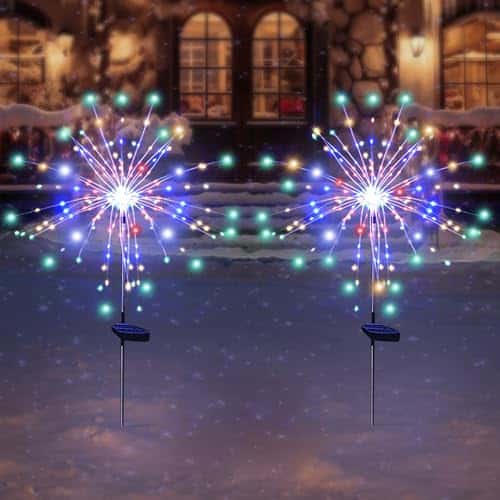
Christmas Solar Garden Lights Solar Lights Outdoor Waterproof 2 Pack Solar Powered Firework Stake Lights 120 LED Sparklers Solar Outside Lights for Yard Pathway Flowerbed Decor (Colorful)

In this step-by-step guide, you’ll find clear instructions on how to troubleshoot common issues with LED garden lights. From checking the power supply to testing the individual components, this guide will walk you through the process and help you get your lights working again quickly.

Illuminate Your Outdoor Space

[content-egg-block modules=AmazonNoApi template=offers_grid cols=3 groups=”SectionIntro”]

1

Check the power source

The first and most important step in troubleshooting LED garden lights is to check the power source. To do this, you need to ensure that the lights are properly connected to a working power outlet or transformer. Here’s what you need to do:

  1. Inspect the connections: Begin by carefully examining the wires and connectors that connect the lights to the power source. Make sure there are no loose or damaged connections. If you find any, securely reconnect or repair them.
  2. Test the power outlet: Verify if the power outlet or transformer is functioning correctly by plugging another device into the same outlet. This will help determine if there is power reaching the lights. If the device powers on, it means the outlet is functioning properly and the issue lies within the lights themselves.

By following these simple steps, you can quickly identify whether the problem with your LED garden lights is due to a faulty power source. Remember to always prioritize safety and power off any electrical devices before inspecting or making any adjustments.

[content-egg-block modules=AmazonNoApi template=offers_grid cols=3 groups=”Step1″]

2

Inspect the wiring

To inspect the wiring of your LED garden lights, first, visually examine the wires for any signs of damage or loose connections. For example, you may look for frayed or exposed wires, or connections that are not snugly attached. If you notice any problems, carefully reattach or replace the wires. For instance, if you find a loose connection, tighten it using pliers or a screwdriver. Similarly, if you encounter damaged wires, trim the affected area and securely reconnect them. Additionally, ensure that all connections are properly insulated to prevent any potential hazards.

3

Examine the bulbs

To troubleshoot issues with your LED garden lights, it’s important to check the bulbs as they can be a common culprit. Here’s a step-by-step guide on how to examine the bulbs for any signs of damage or discoloration:

  1. Carefully remove each bulb: Start by turning off the power to the garden lights and allowing them to cool down. Gently twist or unscrew each bulb counter-clockwise until it comes free from its socket. Handle the bulbs with care to avoid any unnecessary damage.
  2. Inspect for damage or discoloration: Take a close look at each bulb, examining it for any visible signs of damage or discoloration. Look for cracks, burn marks, or any other irregularities that may indicate a faulty bulb. If you notice any such issues, it’s likely that the bulb needs replacing.
  3. Replace faulty bulbs: If you find any bulbs that are damaged or discolored, it’s important to replace them promptly. Ensure that you choose bulbs of the same type and wattage to maintain consistency in your garden lighting. This information is usually labeled on the bulb itself or in the product documentation.

By carefully inspecting each bulb and replacing any faulty ones with new ones, you can effectively resolve problems stemming from damaged or discolored bulbs. This will help ensure that your LED garden lights are running smoothly and providing the illumination you desire for your outdoor space.

[content-egg-block modules=AmazonNoApi template=offers_grid cols=3 groups=”Step3″]

4

Check the controller or timer

  1. Verify the settings: First, make sure that the timer is set correctly. Check the programmed time for when the LED garden lights should turn on and off. Ensure that you have set the correct hours and minutes for the desired lighting schedule.
  2. Inspect the controller: Carefully examine the controller to ensure that it is functioning properly. Look for any visible signs of damage or loose connections. If you notice any issues, try gently manipulating the wiring or connections to ensure they are secure.
  3. Adjust or reset: If everything looks fine but the lights are still not working as expected, try making a simple adjustment or resetting the controller. For instance, if the lights are not turning on at the desired time, consider increasing the duration or changing the timing intervals.

Remember, every controller or timer may have slightly different methods for adjustment or resetting, so consulting the manufacturer’s instructions is always recommended. With a few simple checks and adjustments, you should be able to get your LED garden lights up and running smoothly again.

5

Test the power supply

How to Test the Power Supply

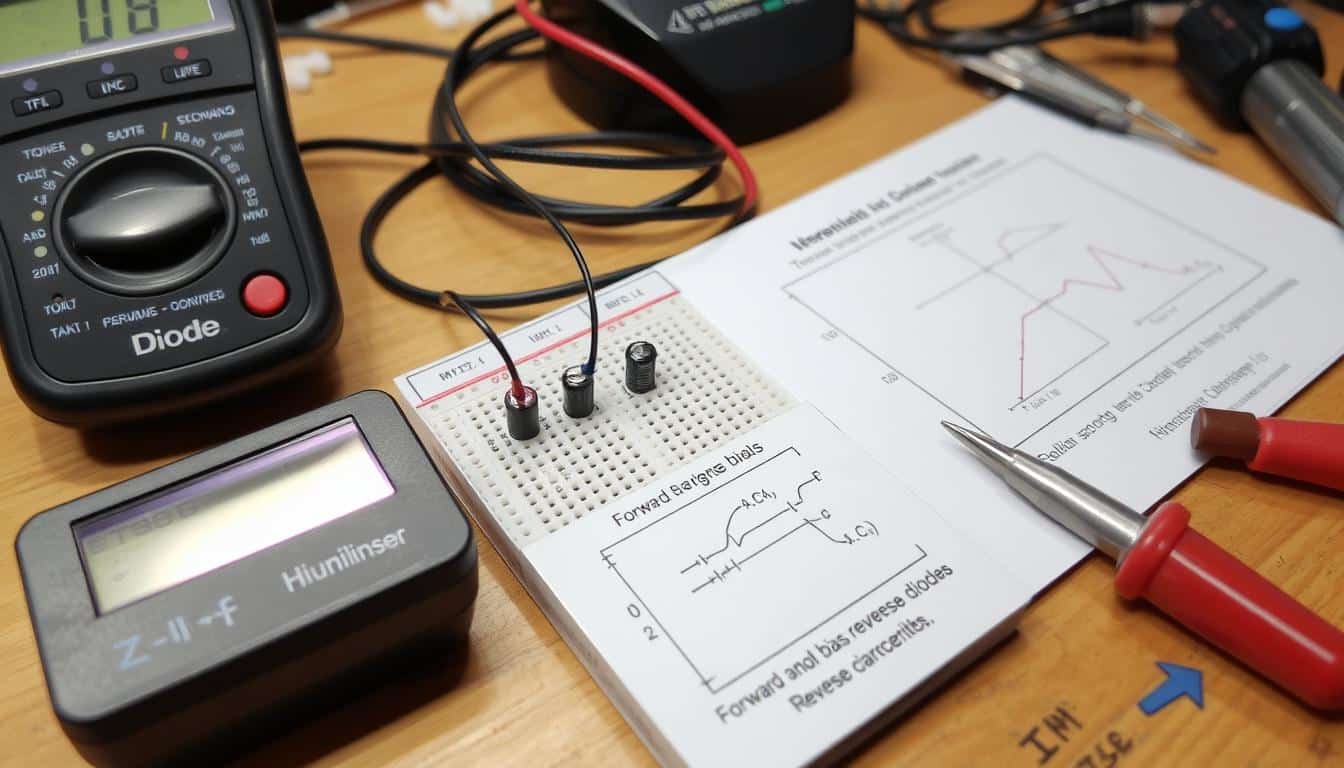
To determine if the power supply is causing any issues, follow these steps to test it using a multimeter:

  1. Set up the multimeter: Turn the multimeter on and set it to the appropriate voltage setting. For example, if you suspect a problem with the +12V rail, select the DC voltage (V) setting and set it to 20V or higher.Example: Turn on your multimeter and select the DC voltage (V) setting. Set it to 20V or higher.
  2. Prepare the power supply: Disconnect the power supply from the computer components. Make sure it is completely disconnected and not powering any connected devices.Example: Unplug all cables from the power supply and ensure it is not connected to any computer hardware.
  3. Testing the voltage: Connect the multimeter probes to the appropriate connectors on the power supply. Red probe to the positive (+) terminal and black probe to the negative (-) terminal. Ensure a secure connection.Example: Attach the red probe of the multimeter to the positive (+) terminal of the power supply, and connect the black probe to the negative (-) terminal.
  4. Check the voltage: Observe the multimeter display and check if the power supply is delivering the correct voltage. It should match the expected voltage for each rail (e.g., +12V, +5V).Example: Check that the multimeter display shows the expected voltage value for the rail you are testing (e.g., +12V, +5V).
  5. Evaluate the results: If the voltage displayed on the multimeter does not match the expected values, this may indicate a problem with the power supply. In such cases, consider replacing the power supply.Example: If the voltage displayed does not match the expected value, there may be an issue with the power supply. It is advisable to replace it with a new one.

By following these steps, you can easily test your power supply using a multimeter and determine if it is functioning properly. Remember, safety precautions should always be taken when dealing with electrical components.

6

Consult a professional

If you have followed all the previous steps and your LED garden lights still aren’t working, it may be time to consult a professional. An electrician or a specialized technician can diagnose and fix any complex issues that you may not be able to resolve on your own. For example, if you have checked the power supply, replaced any faulty bulbs, and ensured all the connections are secure, but the lights still refuse to illuminate, there could be an underlying wiring issue that requires professional expertise.

In such cases, it is best to reach out to a qualified electrician. They have the knowledge and experience to troubleshoot the problem effectively. They can assess the entire electrical system, identify any faulty components, and fix the issue safely. By consulting a professional, you can save time, avoid potential hazards associated with electrical work, and ensure that your LED garden lights are up and running smoothly.

Remember, when it comes to electrical matters, it is crucial to prioritize safety. If you are unsure about anything or feel uncomfortable handling the problem yourself, it is always better to seek professional help.

Wrapping Up and Final Tips

In conclusion, the information provided in this blog post should empower you to effectively troubleshoot your LED garden lights. By taking the necessary steps and precautions, you can easily tackle common problems and restore the stunning illumination to your garden. Remember to prioritize safety throughout the troubleshooting process and seek professional assistance if necessary. So go ahead and enjoy the enchanting ambiance that your garden lights can bring!

Essential Equipment

  • Screwdriver
  • Wire strippers
  • Multimeter
  • Replacement bulbs
  • Electrical tape
  • Insulated gloves
  • Wire connectors
  • Power supply tester
  • Pliers
  • Safety glasses or goggles
  • Voltage tester
  • Ohm meter
  • Cable ties
  • Electrical conduit
  • Waterproofing materials (such as silicone or waterproof tape)
  • Circuit breaker tester
  • Wire nuts

[content-egg-block modules=AmazonNoApi template=offers_list groups=”Materials”]

Simple Solutions for Success

  • Check the power source: Ensure that the power source is working properly and delivering the correct voltage to your LED garden lights
  • Inspect the connections: Make sure all connections, including wires, connectors, and plugs, are securely connected and free from damage or corrosion
  • Replace faulty bulbs: If one or more LED bulbs are not lighting up, try replacing them with new ones to see if that resolves the issue
  • Clean the light fixtures: Over time, dirt, dust, and debris can accumulate on the light fixtures, impacting their performance. Regularly clean them to maintain optimal brightness
  • Verify the timer or controller settings: If your LED garden lights are controlled by a timer or controller, ensure that the settings are programmed correctly and that there are no issues with the timer itself
  • Check the transformer: LED garden lights are typically powered by a transformer. Make sure that the transformer is functioning properly and delivering the correct voltage output
  • Inspect for cable damage: Examine the cables connecting your LED garden lights for any signs of damage, such as exposed wires or cuts. Replace any damaged cables to prevent electrical problems
  • Test the circuit breaker: If all your LED garden lights are not working, check the circuit breaker to ensure it hasn’t tripped. Reset it if necessary
  • Consider weather conditions: Extreme weather conditions like rain, snow, or excessive heat can affect the performance of LED garden lights. Take weather conditions into account when troubleshooting any issues
  • Seek professional help: If you’ve tried all the tips above and are still experiencing problems with your LED garden lights, it may be best to consult a professional electrician or lighting technician for further assistance

Getting Started with LED Garden Lights

  • Choose the right location: Determine the areas in your garden where you would like to install the LED lights. Consider highlighting pathways, plants, or specific features that you want to accentuate
  • Install the lights: Carefully follow the manufacturer’s instructions for installation. Most LED garden lights require simple outdoor wiring connections. Make sure to bury the wires properly and protect them from any potential damage
  • Connect to a power source: LED garden lights can typically be connected to an electrical power source. Use weatherproof connectors and consider using a timer or a smart outlet to automate your lighting schedule. Solar-powered LED garden lights are also a great option if you want to go for an eco-friendly option
  • Position the lights strategically: Experiment with the placement of your LED garden lights to achieve the desired effect. Consider placing lights at different heights to create depth and dimension. Also, try different angles to avoid harsh shadows and create a more natural lighting effect
  • Maintain and customize: Regularly check the condition of your LED lights, cleaning them if necessary. Some LED lights offer customizable settings or color options, so explore those features to personalize your garden lighting experience
  • Remember, safety always comes first when working with electricity. If you are unsure about any aspect of installation or need assistance, it’s always a good idea to consult with a professional electrician. Enjoy your newly illuminated garden!
58 comments
Finch

Do you have any advanced tips for troubleshooting LED garden lights? I’ve already tried the basic steps but can’t seem to fix the issue.

    leds.to

    If you’ve already tried the basic troubleshooting steps and are still experiencing issues with your LED garden lights, it may be worth checking the voltage at different points in the circuit using a multimeter. This can help identify any potential voltage drops or irregularities. If that doesn’t solve the issue, it may be best to consult a professional electrician who specializes in outdoor lighting systems.

Jazlyn

Who needs LED garden lights when you can have glow-in-the-dark plants? #LuminousLandscaping

Stone

Who needs LED garden lights when you can just use fireflies? #naturalbeauty

Taylor Serrano

Who needs LED garden lights? Just use candles and save the environment!

Willow Snowdrop

In step 1, instead of simply checking the power source, I would recommend using a voltage tester to ensure there is actually power reaching the lights. This can help narrow down the issue and save time on troubleshooting other components.

    leds.to

    That’s a great suggestion! Using a voltage tester to verify the presence of power is a smart approach. I appreciate you sharing your variation of step 1, and I’ll make sure to mention it as an alternative method in the guide.

Bumble

I found that sometimes the issue with LED garden lights isn’t with the power source or wiring, but rather with the photocell. It would be great if you could include a step to check and replace the photocell if necessary.

    leds.to

    That’s a great point! The photocell can indeed be a common source of issues with LED garden lights. I will definitely include a step to check and replace the photocell in the guide. Thank you for your suggestion!

Azariah Zavala

I dont get why anyone would bother with LED garden lights. Just use candles!

Alanna Myers

Who needs LED garden lights when you can have a disco ball? #bringbackthe80s

Pop

I had a similar issue with my LED garden lights, and it turned out that some of the bulbs were loose. Make sure to check the tightness of the bulbs as well, as it can affect the connection and cause the lights to flicker.

    leds.to

    Thank you for sharing your experience! Checking the tightness of the bulbs is an important step that can easily be overlooked. I will add that to the guide as an additional troubleshooting tip.

Snap

I followed your guide and was able to identify and fix the issue with my LED garden lights. Now my garden looks stunning at night! Thank you for the helpful tips!

    leds.to

    That’s fantastic to hear! We’re thrilled that the guide was able to help you troubleshoot and fix the issue with your LED garden lights. Enjoy the beautiful illumination in your garden!

Legacy Smith

LED garden lights are overrated, stick to candles for a cozy vibe.

Bluebird Sky

Great guide! It would be helpful if you could include some troubleshooting tips specifically for solar-powered LED garden lights.

Elliot Baxter

Why bother with troubleshooting? Just enjoy the darkness for a change! 🌚

    Franklin Peña

    Hey, I get where youre coming from, but sometimes a little troubleshooting can shed light on things we never knew existed in the darkness. Embrace the challenge and who knows, you might discover something amazing lurking in the shadows! 🌟

Ezra

I think LED garden lights are overrated. Stick to good ol torches!

Spark

Thank you for your suggestion! Solar-powered LED garden lights require a slightly different troubleshooting approach due to their reliance on sunlight. I’ll make sure to cover that topic in a future article.

Kenzo

LED garden lights are overrated. Stick to traditional lighting for a cozy vibe.

Meir

I think LED lights in gardens attract bugs. Anyone else notice this?

Araya

I think LED lights attract bugs, defeating the purpose of a garden oasis.

Jazlyn

LED lights are overrated, stick to traditional bulbs for a better ambiance.

Katherine Trujillo

I think LED lights attract bugs! Anyone else notice this issue?

Estelle Summers

Why bother troubleshooting when you can just buy new lights?

Junior

Do we really need LED garden lights in the first place? 🤔

Zainab Yoder

Is checking the power source really necessary? Seems like a hassle.

Novah Good

LED lights are overrated! Stick to traditional bulbs for better garden ambiance.

Ayden

Why bother troubleshooting? Just embrace the darkness! Nature doesnt need our artificial lights.

    Daleyza

    Embracing the darkness might sound poetic, but lets not forget the practicality of troubleshooting. Artificial lights serve a purpose beyond just aesthetics – they provide safety, security, and accessibility. Lets find a balance between embracing nature and utilizing technology for the betterment of our surroundings.

Briggs

LED lights are overrated! Stick to traditional bulbs for a cozy garden vibe.

    giveitlegs@live.com

    LED lights may be modern, but they offer energy efficiency, longevity, and versatility that traditional bulbs cant match. Embrace the future of lighting technology for a garden that shines bright and stands the test of time. Give LEDs a chance to illuminate your outdoor space in style.

Octavia Elliott

LED lights attract aliens, not bugs! Who needs a garden anyway?

    giveitlegs@live.com

    Who needs a garden? Well, those who appreciate fresh air, organic produce, and a connection to nature. LED lights may not attract bugs, but they certainly dont attract aliens either. Gardening is a fulfilling and essential activity for many people.

Niklaus

LED garden lights are overrated, stick to traditional bulbs for better ambiance.

Tyler Parra

While I appreciate the detailed steps on troubleshooting LED garden lights, I cant help but wonder if it wouldnt be more cost-effective to simply replace faulty lights. With LED prices dropping, might it not be more practical and less time-consuming than going through a detailed inspection process?

    leds.to

    While cost-effectiveness is key, dont underestimate the satisfaction and knowledge gained from DIY troubleshooting.

Javier Cordova

Interesting read, but what about solar-powered LED lights? Theyre becoming increasingly popular in gardens. Troubleshooting them might be a bit different, no? Also, whats your take on motion sensor lights? Do they require the same level of maintenance? Would love to hear your thoughts!

Georgia Jefferson

While I appreciate the step-by-step guidance, I think the article somewhat oversimplifies the process. LED garden lights are complex and not every failure is due to power source, wiring, or bulb issues. What about circuitry problems or environmental factors like water damage? Lets not forget, troubleshooting requires a fair amount of technical knowledge.

Aubrielle

While I appreciate the comprehensive troubleshooting guide, I couldnt help but wonder why the article didnt mention anything about checking for water damage. LED garden lights are exposed to the elements and its highly likely they could get wet, which can definitely affect their functionality. Is this not an aspect worth considering?

Rayden

While I agree that checking the power source is essential, isnt it equally important to consider whether the LED lights are weatherproof? Extreme weather conditions can affect their performance, right?

Brantley Lane

While the advice to inspect the wiring is sound, isnt it worth mentioning the role of weather conditions in damaging the wiring, especially in an outdoor setting like a garden?

Zelda

Interesting article! But wouldnt it be more efficient to just replace LED garden lights rather than going through the hassle of troubleshooting them? Just a thought. Whats everyones take on this?

Mallory

Interesting. But does anyone else think that the article overlooked the importance of checking for possible circuit breaker issues? Could be a quick fix, no?

Lisa Armstrong

Its interesting, but wouldnt a guide on solar panel maintenance for these LED garden lights be useful too? Not all issues are bulb or wiring related, sometimes its a solar input problem.

Zander

Honestly, why even bother troubleshooting? These LED garden lights are so cheap, its easier to just replace them.

Ashley Carroll

Did anyone else find this a bit patronizing? Not everyone is a DIY rookie, some of us can handle a soldering iron!

Edith Bradley

Interesting read, but arent we ignoring the elephant in the room? What about solar garden lights? Arent they a more eco-friendly option than these power-hungry LED lights? Just food for thought.

Cameron

Im just saying – wouldnt it be simpler to just light a bonfire? No wires, no bulbs, just good old fire. Plus, its more environmentally friendly! Less electronic waste, anyone?

Tristan

Interesting article, but isnt it a bit absurd to troubleshoot LED garden lights ourselves? Isnt that what professionals are for? Plus, who has the time for DIY electrical work these days?

Maxwell Hale

Did anyone consider solar LED lights? They bypass issues with wiring and power sources. Thoughts?

Mia Cummings

Great tips on troubleshooting! But wouldnt LEDs be less hassle if they had self-diagnostic features? Just a thought!

Dangelo

Isnt it easier to just replace LED garden lights instead of spending time troubleshooting them?

Baylee Pierce

Has anyone tried solar LED garden lights? They seem like a solid solution to avoid wiring-related issues. Thoughts?