


Sure! I’d be happy to provide a quick summary for the step-by-step guide on troubleshooting color-changing LEDs that are not working properly.
The purpose of this guide is to help you address any issues you may encounter with your color-changing LEDs. Whether they are not changing colors, flickering, or not functioning at all, this guide aims to provide you with simple and practical solutions to get them back on track.
By following the step-by-step instructions, you will be able to identify the potential causes of the problem and learn how to fix them effectively. From checking the power source to inspecting the wiring connections, this guide covers all the necessary troubleshooting steps to ensure your color-changing LEDs are working as intended.
Remember, it’s important to approach troubleshooting with patience and care. Sometimes it can feel frustrating when things don’t work as expected, but with this guide, you’ll have the knowledge and confidence to tackle any issues you encounter.
So, whether you’re a beginner or an experienced user, this step-by-step guide has got you covered. By the end, you’ll have a better understanding of color-changing LEDs and how to troubleshoot them, so you can enjoy the vibrant and captivating lighting experience they offer.
Discover the mesmerizing world of color-changing LEDs!
[content-egg-block modules=AmazonNoApi template=offers_grid cols=3 groups=”SectionIntro”]
How to fix LED light strips when the remote is not working
[content-egg module=Youtube template=responsive_embed hide=title,description limit=1]
Check power source
To check the power source for your color-changing LEDs, follow these steps:
- Inspect the connections: First, make sure that the LEDs are properly connected to the power source. Check for any loose or disconnected wires, ensuring that each connection is secure.
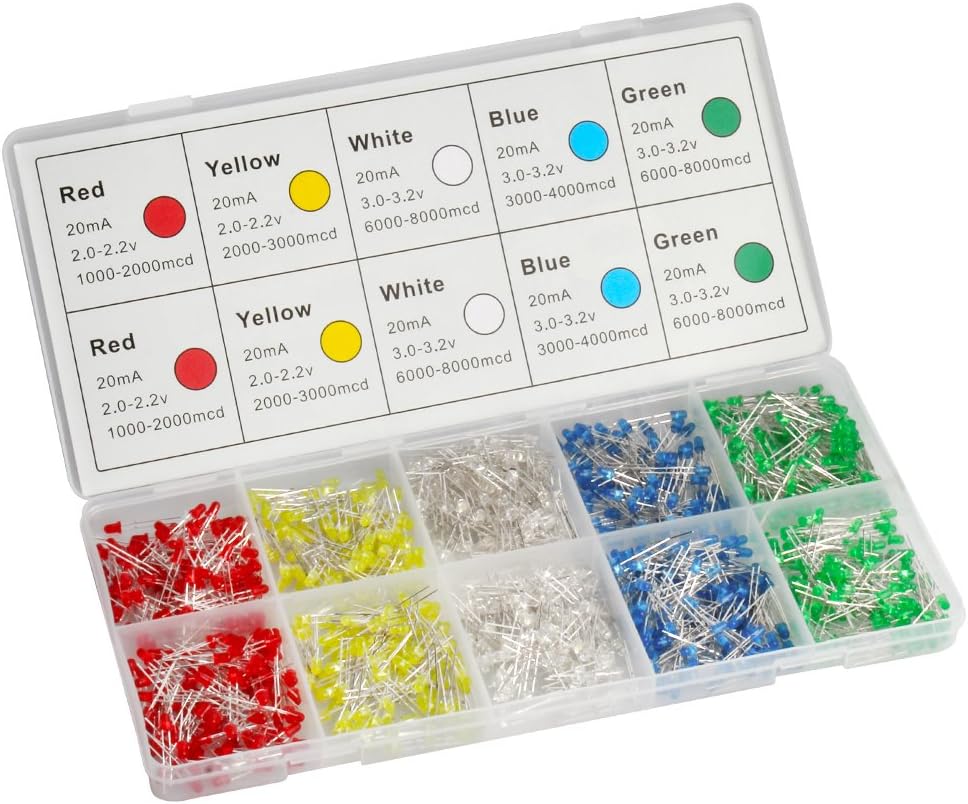
- Ensure correct voltage: Verify that the power supply you are using meets the required voltage specifications for your LEDs. Often, the required voltage will be indicated on the LED strip or in the product documentation. If the voltage is too low or too high, the LEDs may not function properly or could be damaged.
- Check current specifications: Additionally, it’s important to ensure that the power supply can deliver the required current for your LEDs. This information is typically provided in the product documentation. Insufficient current may result in dim or erratic LED performance.
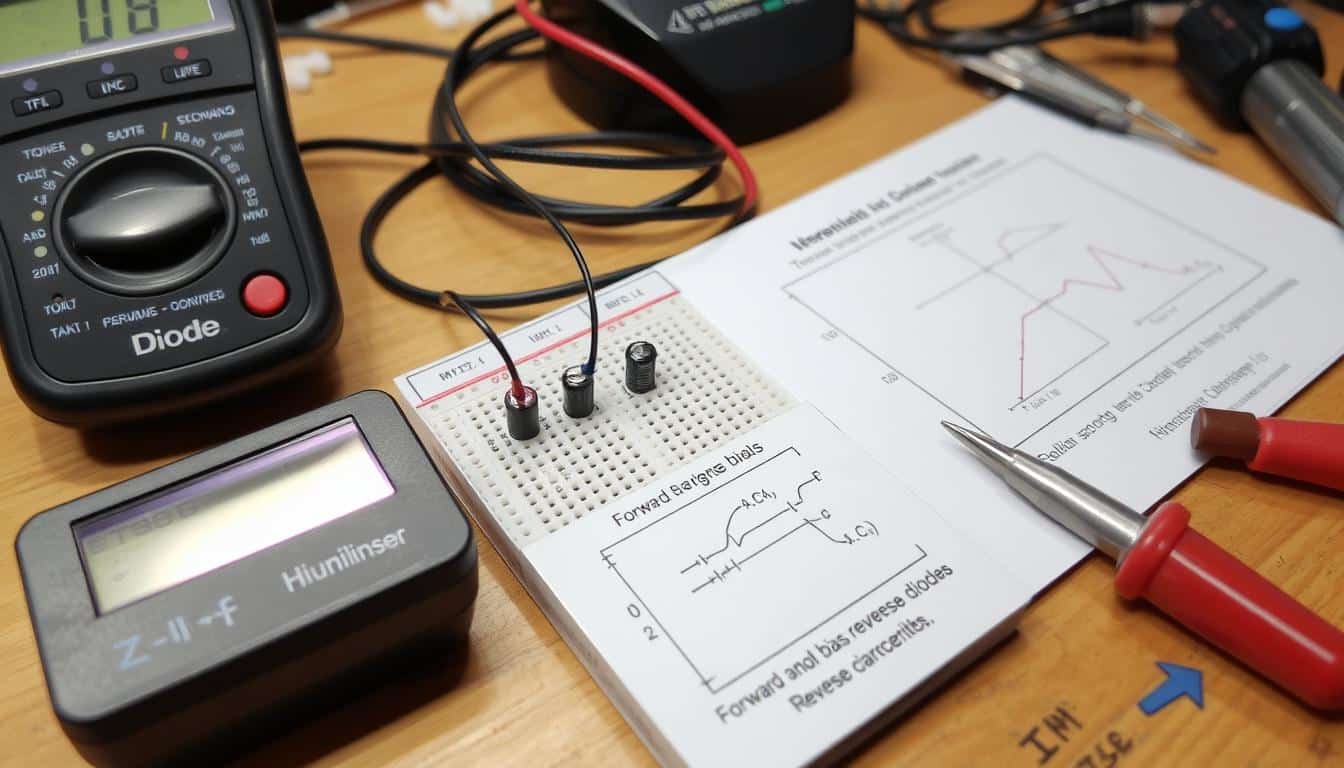
- Verify power supply functionality: Finally, check if the power source itself is functioning correctly. You can do this by testing it with a multimeter or by connecting it to a different device to confirm that it provides the expected output. If the power supply is faulty, it may need to be replaced.
By following these steps, you can ensure that your color-changing LEDs are properly connected to a functioning power source. This will help you troubleshoot any power-related issues and ensure optimal performance of your lighting system.
[content-egg-block modules=AmazonNoApi template=offers_grid cols=3 groups=”Step1″]
Inspect connections
To inspect the connections between the color-changing LEDs and the power source, follow these simple steps. First, carefully examine the wires, connectors, and solder joints for any signs of looseness or damage. Look for any frayed wires, loose connectors, or broken or cracked solder joints.
For example, if you notice a wire that is no longer securely attached to a connector, gently try to wiggle it to see if it moves easily or is firmly in place. If it is loose, you will need to reattach it by carefully stripping a small portion of the wire and reconnecting it to the connector.
Additionally, check the insulation on all connections to ensure they are properly covered. If you see any exposed wires, use electrical tape or heat shrink tubing to insulate them.
By following these instructions and visually inspecting each connection, you can ensure that all connections are secure and properly insulated, reducing the risk of any malfunction or damage to your color-changing LEDs.
Reset the LED controller
Resetting the LED controller is a straightforward process that can help resolve any issues with the color-changing LEDs. To begin, disconnect the power supply connected to the LED controller. This can usually be achieved by unplugging the power cord from the wall socket or turning off the power switch on the controller itself.
Wait patiently for a few seconds to allow the controller to fully power down and reset itself. During this time, it’s important not to rush the process, as giving the controller enough time to reset is crucial for a successful outcome.
After the brief waiting period, reconnect the power supply by either plugging the power cord back into the wall socket or turning the power switch on the controller back on. Ensure the connection is secure and the power supply is providing electricity to the controller.
Once the power is restored, observe the LEDs to confirm if the resetting process has resolved any issues. The color-changing LEDs should now be functioning properly, and you can continue enjoying their vibrant display.
Remember, if the problem persists even after resetting the controller, it might be worth seeking further assistance or consulting the user manual for more troubleshooting options.
[content-egg-block modules=AmazonNoApi template=offers_grid cols=3 groups=”Step3″]
Test with different power source
To rule out a faulty power source, try using a different one. Grab a power source that you know for sure works properly and make sure it is compatible with the color-changing LEDs you’re testing. Connect the new power source to the LEDs by plugging them in securely. If you have a battery-powered power source, insert the batteries correctly. If it’s an AC power adapter, ensure it’s properly connected to a functioning power outlet. Once the new power source is connected, observe the LEDs to see if they light up and change colors as expected. If they do, it’s a good indication that the original power source was the culprit. If not, there may be another issue at play, and you’ll want to continue troubleshooting.
Replace faulty LEDs
If you have followed the previous steps and are still experiencing issues with your color-changing LEDs, it is possible that one or more of them are faulty. In such cases, it may be necessary to replace the problematic LEDs with new ones that are compatible with your system. Here is a step-by-step guide on how to replace faulty LEDs:
- Identify the faulty LEDs: Carefully inspect each LED in your system and look for any signs of damage or malfunction. Common signs include dim or flickering lights, inconsistent color changes, or completely non-functional LEDs.
- Purchase compatible replacement LEDs: Once you have identified the faulty LEDs, determine their specifications (e.g., voltage, current, size) and purchase new ones that match these specifications. Ensure that the replacements are compatible with your system to prevent further issues.
- Prepare necessary tools: Gather the necessary tools for the replacement process. This may include a screwdriver, pliers, wire cutters/strippers, and a soldering iron if soldering is required.
- Disconnect power: Before replacing any LEDs, always ensure that the power is disconnected to prevent electrical shocks or damage. Turn off the power supply or unplug the system from the outlet.
- Remove the faulty LED: Depending on the design of your system, the process of removing the faulty LED may vary. In most cases, you will need to unscrew any housing or cover that conceals the LED. Carefully disconnect any wires or connectors attached to the LED, ensuring that you note which wire connects to each terminal.
- Connect the replacement LED: Take the new LED and connect it using the same wires or connectors as before. Make sure you match the correct polarity (positive and negative) to ensure proper functioning. If soldering is required, use the soldering iron to securely connect the wires to the terminals of the replacement LED.
- Test the replacement: With the replacement LED connected, restore power to your system and test its functionality. Ensure that it is properly illuminating, changing colors (if applicable), and functioning as expected. If everything is in order, proceed to the next faulty LED if necessary.
Remember, it is important to exercise caution during the entire replacement process. Take your time and double-check connections to avoid any damage to your LEDs or system. If you are unsure about any step, consult the manufacturer’s documentation or seek assistance from a qualified professional.
Seek professional help
If all else fails and the color-changing LEDs are still not working properly, it is advisable to seek professional assistance. Contacting a professional electrician or a specialist in LED lighting will ensure that any underlying issues can be accurately diagnosed and repaired. They possess the necessary expertise and knowledge to troubleshoot the problem effectively.
To seek professional help, start by researching reputable electricians or specialists in your area who have experience with LED lighting systems. You can ask for recommendations from friends, family, or colleagues, or search online directories for certified professionals.
Once you have identified potential professionals, contact them to discuss your specific issue with the color-changing LEDs. Provide them with a clear description of the problem, including any troubleshooting steps you have already taken. They may ask you to provide additional details or request photos or videos of the malfunctioning LEDs to better assess the situation.
Based on their evaluation, the professional will be able to provide you with guidance on the next steps and give you an estimate for the repair. They may need to visit your location to inspect the LEDs firsthand or provide advice over the phone if the issue seems minor.
By seeking professional help, you can trust that your color-changing LEDs will receive the expert attention they require, increasing the likelihood of a successful resolution to the problem.
Wrapping it Up
In conclusion, troubleshooting color-changing LEDs that are not working properly may seem daunting at first, but with the right approach, it can be resolved effectively. We discussed the importance of checking the power supply, ensuring proper connections, and reprogramming the LED controller if needed. Additionally, we explored potential issues such as faulty wiring, incompatible dimmers, and incorrect settings. By following the step-by-step troubleshooting guide, you should be able to identify and address the underlying problems, allowing you to enjoy the full potential of your color-changing LEDs once again. Remember, patience and a systematic approach are key when dealing with LED issues.
Essential Tools
[content-egg-block modules=AmazonNoApi template=offers_list groups=”Materials”]








Creed
Ive always wondered if color-changing LEDs are secretly plotting world domination. Thoughts? 🤔